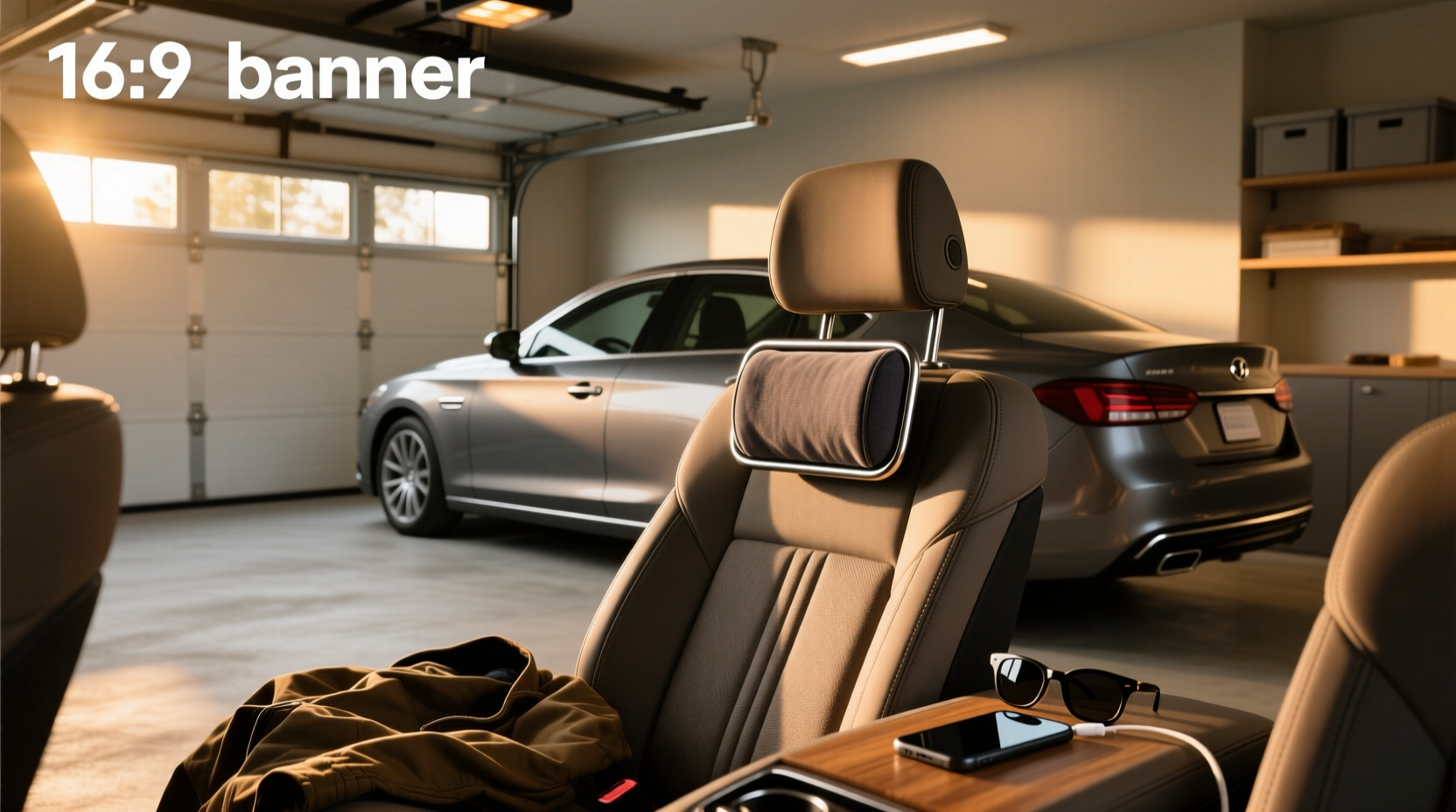
Short Introduction: Key Answers for Buyers
If you're asking how to choose a detachable headrest or wondering is it legal to remove a headrest from a car?, here's what matters most: Vehicle seat headrests are not meant to be permanently removed. They are federally regulated safety components designed to prevent whiplash in rear-end collisions 1. While many headrests are technically detachable for seat cleaning or replacement, removing them for comfort or aesthetics violates federal motor vehicle safety standards (FMVSS) in the U.S. and may void your warranty. For child car seats, integrated headrest-harness systems cannot be altered — doing so is illegal and unsafe. However, removable infant padding is allowed per manufacturer instructions. When evaluating options, focus on adjustability, compliance, and safety rather than removal. This guide covers what to look for in detachable headrests, legal risks, and how to make informed decisions without compromising protection.
About detachable headrest,Is it legal to remove headrest from a car?
The term "detachable headrest" often causes confusion because it can refer to two different things: a headrest that detaches from a vehicle’s built-in seat, or an accessory headrest added to a car seat. In reality, most factory-installed headrests are designed to be temporarily removed — for example, when replacing seat covers or during upholstery maintenance — but they must remain functional and reinstalled for normal use. The legality question arises when drivers consider permanent removal for reasons like improved rear visibility, aesthetic preferences, or installing aftermarket seats. Legally, this is discouraged. Federal Motor Vehicle Safety Standard No. 202A requires headrests to limit head displacement during crashes. Removing them makes the vehicle non-compliant. Similarly, modifying child car seats by removing structural headrest components breaks certification rules set by NHTSA and could lead to liability issues in accidents.
Why detachable headrest,Is it legal to remove headrest from a car? is gaining popularity
Interest in detachable or removable headrests has grown due to several user-driven trends. Some drivers believe removing front-seat headrests improves rearward visibility, especially in vehicles with high seatbacks. Others seek customization, such as installing racing-style seats that don’t accommodate standard headrests. Aftermarket modifications, including interior restyling or adding tablet mounts between headrests, also drive demand. Additionally, discomfort from poorly positioned headrests leads some users to consider removal instead of adjustment. However, these motivations often overlook critical safety trade-offs. While convenience or style may seem appealing, compromising occupant protection isn't justified. Instead, manufacturers now offer more adjustable headrests with height, tilt, and depth settings, addressing ergonomic concerns without violating regulations.
Types and variants
- ⚙️Adjustable OEM Headrests: Found in most modern cars, these slide up/down and sometimes recline. They are detachable for servicing but must be reinstalled. Pros: Compliant, safe, integrated design. Cons: Limited styling options.
- 🛒Aftermarket Detachable Headrests: Sold as replacements with quick-release mechanisms. Often marketed for SUVs or vans. Pros: Easy cleaning access. Cons: May not meet FMVSS if not certified; verify compatibility.
- 👥Child Car Seat Headrest Pads: Soft cushions that attach to harness slots. Designed for infant support. Pros: Removable for washing or once baby grows. Cons: Not structural; never remove harness components.
- 🔧Racing Seat Headrests: Integrated into bucket seats. Usually fixed. Pros: Enhanced lateral support. Cons: Installation often requires disabling factory anchors, which may violate local laws.
Key features and specifications to evaluate
When assessing headrest options — even those labeled "detachable" — prioritize these factors:
- 📏Adjustability Range: Look for multiple height positions and forward/backward tilt to match occupant stature.
- ✅Safety Certification: Ensure any replacement part complies with FMVSS 202A (U.S.) or ECE R17 (Europe). Check product documentation.
- 🧩Mounting Mechanism: Verify whether posts match your seat’s hole pattern (typically 50–70mm apart).
- 🧼Removability Purpose: Confirm if detachment is intended for cleaning only, not permanent removal.
- 📌Labeling & Instructions: Manufacturer guidelines should clarify proper use and warn against disabling safety functions.
Pros and cons
How to choose detachable headrest,Is it legal to remove headrest from a car?
Follow this step-by-step checklist to make a compliant, safe choice:
- 🔍Identify your need: Are you looking for easier maintenance or planning to disable the headrest? Only proceed if it’s for servicing.
- 📋Review vehicle manual: Check manufacturer stance on removal. Many explicitly prohibit disuse.
- 🌐Verify local laws: Regulations vary by state/country. Some require all seating positions to have functional headrests.
- 🏭Choose certified replacements: If buying aftermarket, ensure they carry official safety marks and fit securely.
- ❗Avoid these red flags:
- No compliance labeling
- Instructions suggesting permanent removal
- Poor lock mechanism (wobbles or falls out easily)
- Universal fit claims without model-specific testing
Price & market insights
OEM replacement headrests typically cost $40–$120 depending on brand and vehicle type. Aftermarket versions range from $25–$90, with higher prices reflecting better materials or adjustability. Racing-style units with integrated designs go up to $200+. Prices vary significantly by region and supplier. Value isn't just about cost — consider long-term safety and compliance. A cheaper option lacking certification may cost more in fines or denied insurance claims. For families, investing in properly rated parts ensures child passenger safety and avoids legal exposure.
Top-seller & competitive analysis
Popular models emphasize adjustability and secure attachment. Below is a comparison of commonly purchased types:
| Model Type | Detachable? | Safety Certified | Use Case | Price Range |
|---|---|---|---|---|
| OEM Factory Replacement | Yes (temporary) | Yes | Stock vehicle repair | $60–$120 |
| Universal Aftermarket | Yes | Sometimes | Budget-friendly swap | $25–$60 |
| Convertible Child Seat Pad | Yes | N/A (non-structural) | Infant comfort | $15–$30 |
| Racing Bucket Seat Unit | No | Limited | Performance interiors | $150–$200 |
Note: Always confirm certification status independently — marketing terms like "safe" don't replace regulatory approval.
Customer feedback synthesis
Analysis of buyer reviews shows recurring themes:
- ⭐Positive feedback: Users appreciate easy-clean designs, smooth height adjustment, and snug fit in factory seats.
- ❗Common complaints: Poor alignment with seatback, loose posts over time, lack of tilt function, and misleading product titles implying full removability.
- 📝Misunderstandings: Several buyers expected to legally eliminate headrests for visibility but later realized safety risks after reading manuals or receiving citations.
Sourcing & supplier tips
Buy from authorized dealers or reputable auto parts retailers. For OEM parts, use VIN-based lookup tools to ensure compatibility. Third-party sellers on e-commerce platforms may offer lower prices but check return policies and authenticity guarantees. If sourcing in bulk (e.g., fleet vehicles), request compliance documentation. Inspect each unit upon arrival: test locking pins, check for cracks, and verify markings match claimed standards. Never install unverified components in vehicles used for commercial transport or carpool services.
Maintenance, safety & legal considerations
Maintain headrests by cleaning fabric regularly and ensuring posts move smoothly. Lubricate metal guides sparingly with silicone spray if sticking occurs. Safety-wise, always reinstall headrests immediately after removal. Position them so the top edge aligns with the center of the occupant’s head. Legally, tampering with safety equipment can result in fines — for example, in California, non-functional headrests can trigger a citation under CVC §27500. In crash investigations, missing headrests may shift liability toward the driver. To stay compliant:
- Consult your owner’s manual
- Contact the manufacturer for clarification
- Check with local DMV or transportation authority on modification rules
Conclusion
If you need a headrest for improved ergonomics or easier cleaning, choose an adjustable, certified model that allows temporary detachment. If you’re considering permanent removal to enhance visibility or modify your interior, reconsider — it’s neither legal nor safe. For child seats, only remove labeled padding, never structural components. Ultimately, headrests exist to protect occupants, not obstruct views. Make choices based on verified safety standards, not convenience alone. When in doubt, consult your vehicle’s manual and local traffic regulations before altering any factory-installed safety feature.
Frequently Asked Questions
- Can I legally remove headrests from my car for better rear visibility?
No. Most jurisdictions require functional headrests in all designated seating positions. Removal violates federal safety standards and may result in fines or failed inspections. - Are there any exceptions where removing a headrest is allowed?
Only for short-term tasks like cleaning or reupholstering. Even then, they must be reinstalled before driving. Modified vehicles (e.g., race cars) may have exemptions, but these do not apply to street-legal use. - Do all cars have removable headrests?
Most do, but removability is intended for service, not regular disuse. Check your vehicle manual to confirm whether yours can be detached and how to do it safely. - What happens if I get in an accident with removed headrests?
You may face increased injury risk due to whiplash. Insurance providers could reduce or deny claims, citing negligence or vehicle modification affecting safety. - Can I replace my car’s headrest with an aftermarket one?
Yes, but only if the replacement meets applicable safety standards (e.g., FMVSS 202A) and fits securely. Always verify compliance through manufacturer documentation.




 浙公网安备
33010002000092号
 浙B2-20120091-4