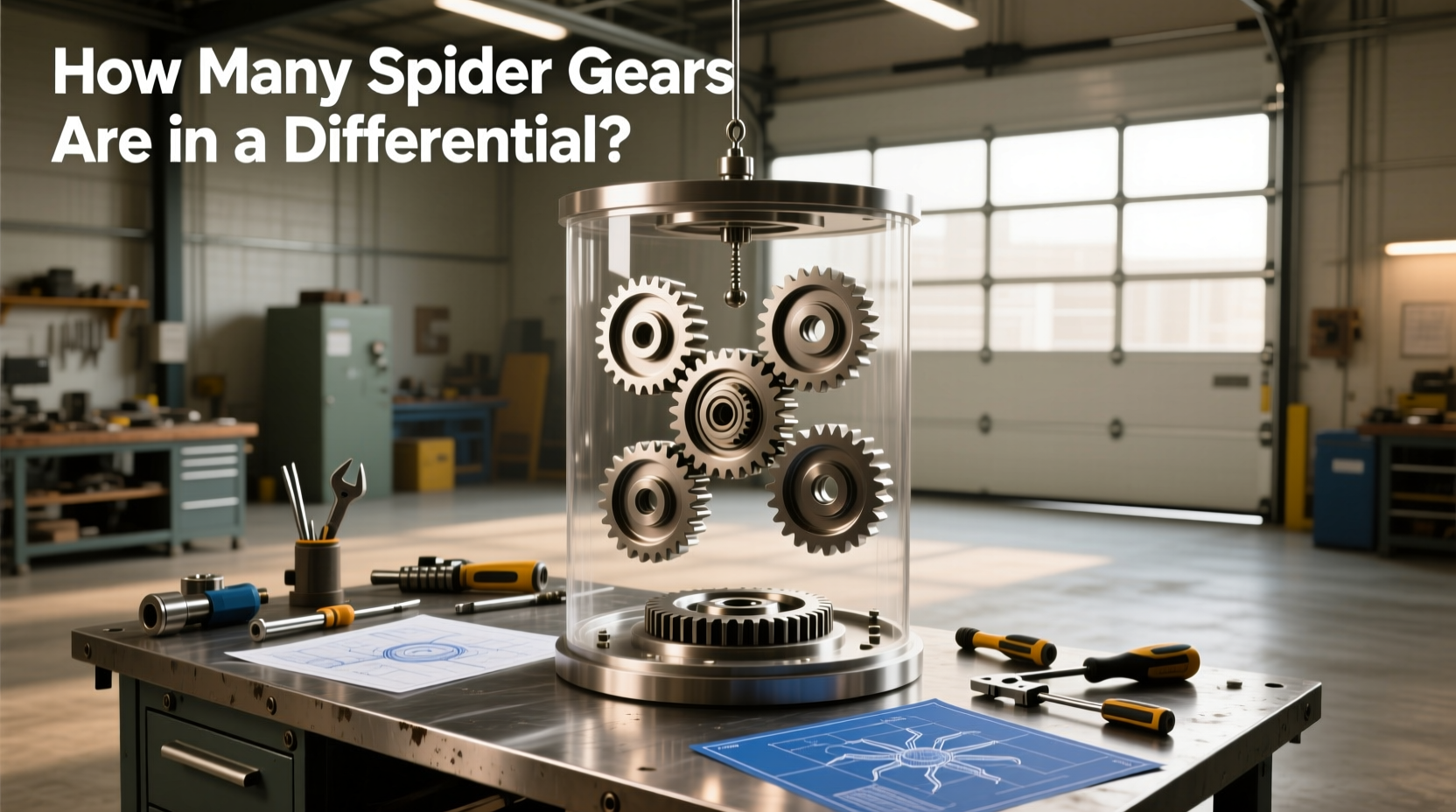
When choosing a differential spider gear kit, the number of spider gears—typically two or four—is a key structural factor that impacts durability and torque handling. For light-duty vehicles and standard driving, a two-spider-gear setup is often sufficient and cost-effective 1. However, if you're upgrading for towing, off-roading, or high-performance use, a four-spider-gear design offers better load distribution and longevity under stress 2. Always verify compatibility with your axle model and differential type—open, limited-slip (LSD), or locking—before purchase. Avoid kits without clear material specifications or heat-treatment details, as these affect wear resistance. This guide covers how to choose a differential spider gear kit, including what to look for in terms of gear count, material quality, and application fit.
About Differential Spider Gear Kits: Function and Use Cases
A differential spider gear kit includes the small beveled gears (spider or pinion gears), side gears, bearings, shims, and associated hardware used to rebuild or upgrade the differential's internal gear set. These kits are essential during differential overhauls, gear ratio changes, or when replacing worn components due to noise, vibration, or metal shavings in the oil.
The spider gears play a critical role in allowing wheels to rotate at different speeds during turns, preventing tire scrub and driveline binding. They transfer power from the ring gear (driven by the driveshaft) to the side gears connected to the axle shafts 3. The configuration—whether two or four spider gears—affects how smoothly torque is distributed and how well the system handles stress.
Common use cases include:
- 🔧 Rebuilding a worn differential after high mileage
- 🛒 Upgrading stock gears for improved strength
- 🚚 Installing after changing axle ratios
- 🏭 Restoring classic or off-road vehicles
Why Differential Spider Gear Kits Are Gaining Popularity
As more drivers modify trucks, Jeeps, and performance cars, there's growing interest in differential upgrades that improve reliability and traction. Enthusiasts seeking better off-road capability or towing performance often replace factory internals with stronger aftermarket kits. Additionally, aging vehicle fleets mean more owners face the need for differential repairs, making replacement kits a practical investment.
The question "How many spider gears are in a differential?" reflects increasing technical awareness among DIY mechanics. Understanding gear count helps users select parts suited to their driving demands—whether daily commuting or rock crawling. Online forums, video tutorials, and detailed product listings have made this knowledge more accessible, empowering buyers to make informed choices rather than relying solely on generic replacements.
Types and Variants of Differential Spider Gear Kits
Differential configurations vary by design, affecting both function and component selection. Here are the main types relevant to spider gear kits:
1. Open Differential Kits
⚙️ Most common in standard passenger vehicles.
Pros:
- Simple design, lower cost
- Smooth operation during normal cornering
- Widely available replacement parts
Cons:
- Sends power to the wheel with least resistance (can cause wheel spin)
- Not ideal for low-traction environments
2. Limited-Slip Differential (LSD) Kits
✨ Includes clutch packs or mechanical biasing mechanisms.
Pros:
- Better traction by limiting slip between wheels
- Suitable for performance driving and mild off-roading
- Retains ability to differentiate speed during turns
Cons:
- Higher cost and complexity
- Requires specific lubricants and periodic maintenance
- May bind slightly during tight turns
3. Locking Differential Kits
🔒 Mechanically locks both axles together.
Pros:
- Maximum traction in extreme off-road conditions
- Ideal for rock crawling or deep mud
Cons:
- Poor on-road handling due to lack of differentiation
- Increased driveline wear during regular driving
- Typically requires electronic or manual activation
Key Features and Specifications to Evaluate
When evaluating a differential spider gear kit, consider these technical and practical factors:
- 🔍 Gear Count: Two vs. four spider gears—choose based on load requirements.
- 📊 Material Grade: Look for SAE 8620 or equivalent alloy steel, which provides good case hardening properties.
- 🧰 Heat Treatment: Carburized and hardened gears resist pitting and extend service life.
- 📋 Compatibility: Match the kit to your axle model (e.g., Dana 30, Ford 8.8, GM 10-bolt).
- 📎 Included Components: Full kits should include bearings, races, shims, seals, and installation hardware.
- 🌐 Brand Reputation: Established manufacturers often provide better tolerances and documentation.
- 📝 Installation Instructions: Clear guidance improves success rate for DIYers.
Pros and Cons Summary
| Scenario | Recommended Type | Reason |
|---|---|---|
| Daily driver, city/highway use | Two-spider-gear open diff kit | Sufficient strength, lower cost, smooth operation |
| Towing, hauling, frequent highway use | Four-spider-gear open or LSD kit | Better heat dissipation and load sharing |
| Off-road, rock crawling, trail use | Four-spider-gear LSD or locking kit | Enhanced traction and durability under stress |
| Racing or high-horsepower applications | Custom-forged or race-grade kits | Designed for shock loading and rapid acceleration |
Note: A four-spider-gear setup does not inherently change the differential’s behavior—it enhances mechanical robustness but doesn’t convert an open diff into a limited-slip unit.
How to Choose a Differential Spider Gear Kit: Step-by-Step Guide
Follow this checklist to ensure you select the right kit:
- 📍 Identify Your Axle Model: Check VIN, axle tag, or physical markings to confirm make and model.
- 📌 Determine Current Configuration: Is it open, LSD, or locking? This affects gear design and spline count.
- ⚡ Assess Driving Demands: Will you tow, off-road, or modify engine output?
- ✅ Select Gear Count: Opt for four spider gears if subjecting the axle to heavy loads.
- 🔎 Verify Material & Hardening: Confirm carburized steel construction via product specs.
- 📦 Check Kit Completeness: Ensure all necessary bearings, seals, and shims are included.
- 🛒 Compare Pricing and Warranty: Balance upfront cost with long-term reliability.
- No specification of gear material or heat treatment
- Kits priced significantly below market average
- Lack of compatibility data or installation support
- Missing critical components like preload shims or crush sleeves
Price & Market Insights
Pricing varies widely based on brand, completeness, and application:
- Basic Two-Gear Open Diff Kit: $80–$150
- Four-Gear Open or LSD-Compatible Kit: $150–$250
- Premium or Performance Kits: $250–$400+
Prices may differ by region and retailer. OEM-replacement kits from dealerships tend to be more expensive than aftermarket options. While budget kits exist, they may use inferior materials or looser tolerances. For most users, mid-range kits from reputable suppliers offer the best balance of value and reliability. Always check return policies before purchasing.
Top-Seller & Competitive Analysis
While specific models vary by platform, leading brands include Yukon Gear & Tracs, Spicer, and OEMRebuilders. Below is a comparison of typical offerings:
| Brand | Gear Count | Material | Includes Bearings/Seals | Price Range |
|---|---|---|---|---|
| Yukon Standard | 2 or 4 | SAE 8620 Steel | Yes | $120–$180 |
| Spicer Advantage | 2 | Forged Alloy | Limited | $150–$200 |
| OEMRebuilders Pro Kit | 4 | Carburized Steel | Yes | $180–$240 |
Top-selling kits typically emphasize complete component inclusion and precise machining. Some premium kits also feature anti-chip coatings or upgraded thrust washers.
Customer Feedback Synthesis
Based on aggregated buyer reviews across platforms:
Frequent Praise:
- “Kit had everything needed—no extra trips to the store.”
- “Gears meshed perfectly; no adjustment required.”
- “Noticeable improvement in smoothness after rebuild.”
Common Complaints:
- “Bearings failed within 10k miles—likely poor quality.”
- “Instructions were vague; had to consult online videos.”
- “Wrong spline count shipped—double-check your order.”
These insights highlight the importance of verifying compatibility and expecting variable quality even within known brands.
Sourcing & Supplier Tips
When sourcing a differential spider gear kit:
- 🌐 Buy from specialized automotive suppliers or authorized distributors.
- 👥 Consider bulk purchases only if rebuilding multiple axles—kits are vehicle-specific.
- 🔍 Request full spec sheets before ordering, especially for material and hardness data.
- 🧼 Inspect gears upon arrival for nicks, burrs, or misalignment.
- 🔗 Confirm return policy in case of incorrect shipment or incompatibility.
For resellers or repair shops, partnering with a reliable supplier ensures consistent part quality and technical support.
Maintenance, Safety & Legal Considerations
After installing a new spider gear kit:
- 🧼 Use the correct gear oil (often GL-5 with limited-slip additive if applicable).
- ⏱️ Change fluid after initial break-in period (usually 500–1,000 miles).
- ❗ Torque all fasteners to manufacturer specifications to prevent failure.
- ⚠️ Test drive cautiously—listen for unusual noises indicating misalignment.
No federal regulations govern aftermarket differential kits in most countries, but modifications may affect emissions or safety inspections depending on local laws. Always verify compliance if altering original equipment.
Conclusion
Choosing the right differential spider gear kit depends on understanding your vehicle’s needs and the role of spider gear count. If you drive normally and maintain your vehicle regularly, a two-spider-gear open differential kit is likely adequate. For heavier loads, off-road use, or performance builds, invest in a four-spider-gear kit made from properly heat-treated steel. Compatibility, material quality, and included components matter more than brand alone. By focusing on verified specs and matching the kit to your usage scenario, you can ensure reliable performance and avoid premature failure.
FAQs
How many spider gears are in a differential?
Most differentials contain either two or four spider gears. Two-gear setups are common in light-duty applications, while four-gear designs offer greater strength for heavy-duty or high-performance use 1.
Can I upgrade from two to four spider gears?
Yes, if your differential housing supports it. Some carriers are designed specifically for two or four gears, so verify physical compatibility before swapping. Upgrading can improve durability under high-torque conditions.
Do spider gears affect gear ratio?
No. The gear ratio is determined by the ring and pinion gears, not the spider gears. Spider gears only manage torque distribution between wheels.
What tools are needed to install a spider gear kit?
You’ll typically need a torque wrench, gear puller, press, dial indicator, and pinion depth gauge. Proper setup requires precision measuring tools to ensure correct backlash and preload.
Are aftermarket spider gear kits reliable?
Quality varies. Kits from reputable brands with clear material specifications and proper heat treatment are generally reliable. Avoid no-name kits lacking technical documentation.




 浙公网安备
33010002000092号
 浙B2-20120091-4