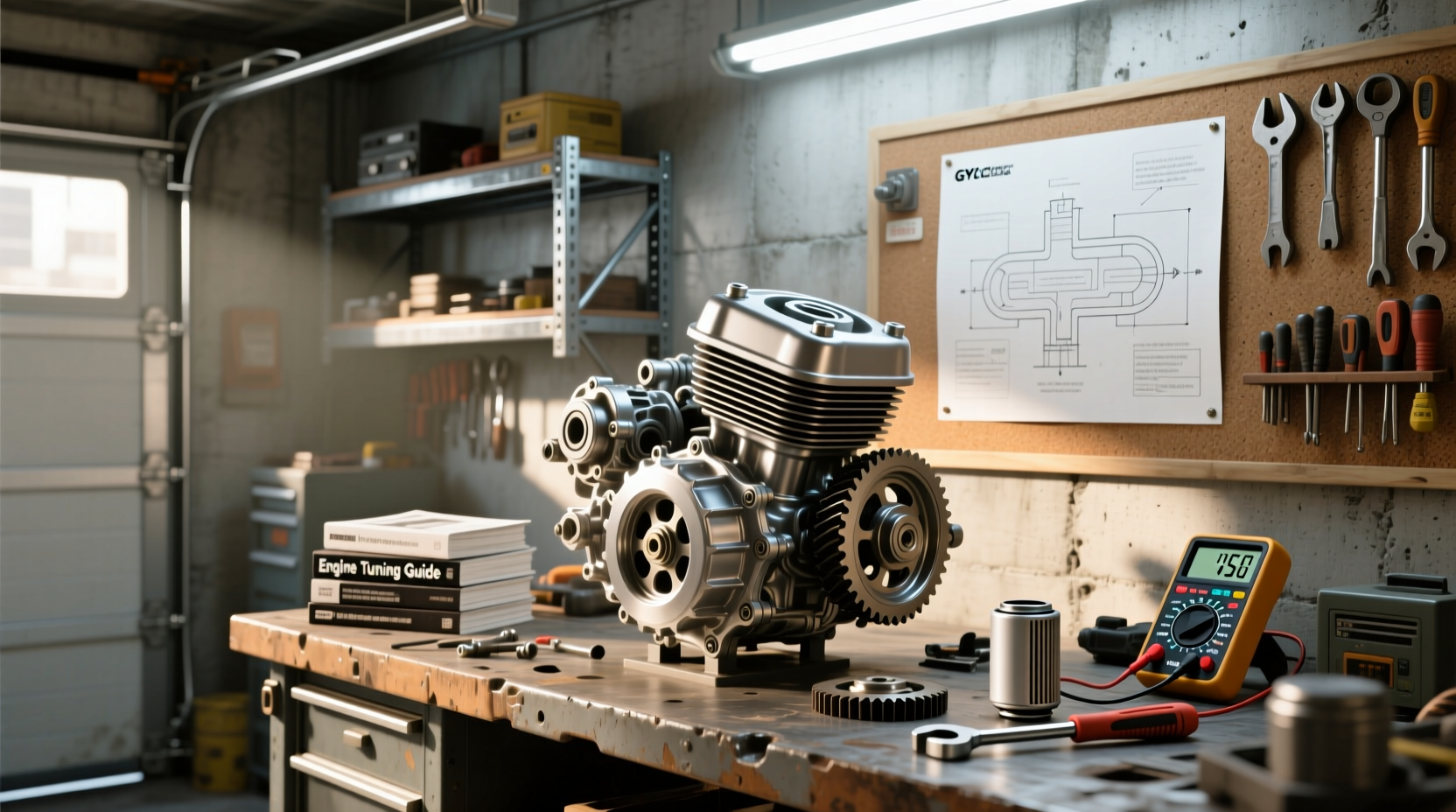
When asking how to choose variator gy6 150cc, how can I improve GY6 engine performance?, the answer starts with upgrading the CVT system—specifically the variator, sliders, clutch, belt, and torque spring. For riders seeking better acceleration and top speed, replacing the stock variator with a high-performance model paired with lightweight sliders is one of the most effective first steps 1. Avoid cheap clones with poor machining; instead, opt for Teflon-coated or CNC-aluminum units from reputable suppliers. Pair this with a Kevlar drive belt and stiffer torque spring to reduce slippage and shift faster. These transmission upgrades alone can yield noticeable gains in low-end response and highway capability without requiring engine disassembly.
About Variator GY6 150cc, How Can I Improve GY6 Engine Performance?
The GY6 150cc engine platform powers many scooters, mini bikes, go-karts, and utility vehicles worldwide. Its reliability and modular design make it ideal for performance tuning. The variator is a core component of the Continuously Variable Transmission (CVT), responsible for automatically adjusting the gear ratio by moving the drive belt across pulley faces based on engine RPM and load.
When considering how can I improve GY6 engine performance?, the CVT system is often the first area to upgrade because factory settings prioritize fuel economy and smoothness over power delivery. A stock variator uses heavy sliders and soft springs, causing delayed engagement and inefficient power transfer. Upgrading allows you to tailor throttle response, acceleration curve, and top-end speed to your riding style—whether commuting, hauling cargo, or recreational riding.
Why Variator GY6 150cc, How Can I Improve GY6 Engine Performance? Is Gaining Popularity
Enthusiasts are increasingly searching for ways to improve GY6 engine performance due to rising demand for affordable personal mobility solutions. Many users own budget-friendly scooters or off-road karts where factory performance feels sluggish. Instead of purchasing a new vehicle, they turn to bolt-on modifications that deliver measurable results.
The appeal lies in cost-effectiveness: a full CVT performance kit (variator, sliders, clutch, belt) typically costs under $100 but can increase acceleration by 15–25% and raise top speed by 5–10 mph 2. This makes it one of the highest-value upgrades available. Additionally, online communities and video tutorials have lowered the barrier to entry, empowering DIY mechanics to perform these mods safely.
Types and Variants
Variators for the GY6 150cc come in several types, each designed for different performance goals:
- ⚙️ Stock OEM Variator: Found on most factory scooters. Uses steel weights and basic bushings. Durable but slow to respond. Best for daily commuters who prioritize reliability over speed.
- ✨ Performance Aluminum Variator: Made from CNC-machined aluminum with precision grooves. Lighter than stock, allowing faster RPM rise. Often coated with Teflon to reduce friction. Ideal for riders wanting improved throttle response.
- ⚡ Racing Variator: Designed for aggressive riding. Features optimized ramp angles and tighter tolerances. Requires matching slider weight and spring tuning. Best suited for track use or modified engines.
- 🛒 Budget Aftermarket Variator: Mass-produced copies sold at low prices. May have inconsistent machining or subpar materials. Risk of imbalance or premature wear. Not recommended unless thoroughly vetted.
Key Features and Specifications to Evaluate
When evaluating a variator gy6 150cc, focus on these technical aspects:
- Material & Construction: Look for billet or forged aluminum. Avoid cast alloy units prone to cracking.
- Slider Weight Compatibility: Most performance kits include 8g–12g sliders. Lighter sliders (8–10g) favor quicker take-off; heavier (11–12g) help achieve higher top speeds.
- Ramp Angle Design: Steeper ramps enable faster shifting into high gear. Flatter profiles offer smoother transitions.
- Bearing Quality: Sealed ball bearings last longer than bushings. Check if replacements are readily available.
- Teflon or Ceramic Coating: Reduces internal friction, improving efficiency and durability 1.
- Balance & Precision: Poorly balanced variators cause vibration. Reputable brands test balance before shipping.
Also consider compatibility with other CVT components. A new variator should work seamlessly with your chosen clutch, belt, and torque spring.
Pros and Cons
| Aspect | Pros ✅ | Cons ❌ |
|---|---|---|
| Acceleration | Faster engagement with light sliders improves off-the-line response | Too light may cause belt slip or early wear |
| Top Speed | Optimized ramp angles allow engine to reach peak power RPM | Requires proper belt and clutch pairing |
| Cost | Affordable compared to engine rebuilds | Cheap variants risk damaging transmission |
| Installation | No special tools needed; most users complete in under an hour | Misalignment can lead to noise or vibration |
| Durability | High-quality units last thousands of miles | Poor maintenance shortens lifespan significantly |
Suitable for: Riders seeking improved throttle response, better hill climbing, or higher cruising speed without major engine work.
Not suitable for: Those expecting massive horsepower gains without complementary upgrades like exhaust, intake, or carburetor tuning.
How to Choose Variator GY6 150cc, How Can I Improve GY6 Engine Performance?
Follow this step-by-step guide when selecting a variator and planning performance improvements:
- 🔍 Assess Your Riding Needs: Are you commuting, hauling loads, or riding recreationally? Urban riders benefit from quick take-off; highway-focused builds need taller gearing.
- 📋 Inspect Current Components: Remove the variator cover and examine existing sliders, belt condition, and clutch shoes. Worn parts must be replaced together.
- 🧰 Select Slider Weight: Start with 10g sliders for balanced performance. Use 8g for more low-end punch or 12g for higher top speed.
- 🔗 Pair with Clutch & Belt: Upgrade to a performance clutch with larger shoes and install a Kevlar-reinforced belt to prevent slippage 1.
- 🔧 Adjust Torque Spring: Install a stiffer spring to reduce lag during acceleration and improve uphill performance.
- 📌 Verify Fitment: Confirm the variator matches your GY6 variant (some differ slightly between models).
- Unbranded variators with no specifications
- Products lacking customer reviews or warranty
- Dealers refusing to provide material or testing details
- Inconsistent thread patterns or misaligned bearing seats
Price & Market Insights
Variator prices vary widely:
- $15–$25: Low-cost aftermarket options. High risk of poor quality control.
- $30–$50: Mid-tier performance kits (variator + sliders + belt). Best value for most users.
- $60+: Premium CNC-machined units with coatings and lifetime support. Justified for competitive or high-mileage use.
Prices may differ by region and retailer. Always compare complete kits versus individual components. A full upgrade (variator, sliders, clutch, belt, spring) typically ranges from $80–$150. Consider this investment as part of a broader strategy when asking how can I improve GY6 engine performance?.
Top-Seller & Competitive Analysis
Popular models include Malossi, Doppler, and generic high-performance clones. Below is a comparison of common choices:
| Model | Material | Slider Type | Best For | Approx. Price |
|---|---|---|---|---|
| Doppler Sport | CNC Aluminum | 10g Rollers | All-around performance | $48 |
| Malossi MHR | Billet Aluminum | 9–11g Adjustable | Racing & tuned engines | $85 |
| Generic Teflon-Coated | Cast Aluminum | 8g Sliders | Budget urban riders | $22 |
| OEM Stock | Steel/Composite | 15g Sliders | Replacement only | $18 |
Note: Actual performance depends on correct setup and supporting modifications.
Customer Feedback Synthesis
Based on aggregated buyer reviews:
- Positive Feedback:
- “Noticeably faster acceleration after installing the kit.”
- “Smooth operation with reduced vibration compared to stock.”
- “Easy to install—even for first-time tuners.”
- Common Complaints:
- “Received incorrect slider weights—had to reorder.”
- “Belt failed within 500 miles; likely due to misalignment.”
- “No instructions included; had to find a tutorial online.”
These highlight the importance of clear product labeling, proper installation, and vendor communication.
Sourcing & Supplier Tips
When sourcing parts:
- 🌐 Choose Reputable Retailers: Stick to known scooter performance shops or platforms with verified reviews.
- 👥 Ask About Warranty: Some vendors offer replacement guarantees for defective units.
- 📦 Check Kit Contents: Ensure sliders, washers, and hardware are included.
- 🔎 Verify Before Installation: Inspect for burrs, alignment issues, or loose bearings upon arrival.
- 📈 Consider Bulk Orders: If maintaining multiple units, bulk pricing may apply—but test one first.
For international buyers, factor in shipping time and import fees. Confirm return policies in case of fitment issues.
Maintenance, Safety & Legal Considerations
After upgrading, maintain your CVT every 1,000–1,500 miles:
- Clean and inspect sliders and ramps.
- Check belt for fraying or glazing.
- Lubricate clutch bell sparingly (if applicable).
- Ensure all fasteners are torqued correctly.
Safety-wise, increased speed demands upgraded brakes. Consider switching drum brakes to disc for better stopping power 3.
Legally, modified scooters may not meet original emissions or noise regulations. Verify local rules before road use—some jurisdictions require certification for modified vehicles.
Conclusion
If you're wondering how can I improve GY6 engine performance?, start with the CVT system. Upgrading the variator, sliders, clutch, belt, and torque spring offers one of the most cost-effective paths to better acceleration and top speed. When choosing a variator gy6 150cc, prioritize build quality, compatible slider weights, and proper pairing with supporting components. Avoid low-cost, untested units that risk damaging your transmission. For balanced gains, select a mid-range performance kit with Teflon coating and reliable bearings. Remember, maximum performance comes from holistic tuning—including intake, exhaust, and ignition—not just the variator alone.
Frequently Asked Questions
Can I install a performance variator myself?
Yes, most riders can install a variator using basic hand tools. You’ll need to remove the transmission cover, extract the old unit, and reassemble with the new one. Follow a torque specification if available, and ensure proper alignment.
Do I need to upgrade other CVT parts when changing the variator?
It’s strongly recommended. Replace the sliders, belt, and inspect the clutch simultaneously. Mixing worn and new components leads to uneven wear and reduced performance.
Will upgrading the variator void my scooter’s warranty?
Potentially yes. Modifications to critical systems like the transmission may void manufacturer warranties. Check your warranty terms before proceeding.
How much speed gain can I expect from a variator upgrade?
On a stock engine, expect 5–10 mph increase in top speed and noticeably quicker acceleration. Results vary based on rider weight, terrain, and supporting modifications.
Are all GY6 150cc variators interchangeable?
Most are standardized, but minor differences exist between manufacturers. Always verify fitment with your specific model before purchase.




 浙公网安备
33010002000092号
 浙B2-20120091-4