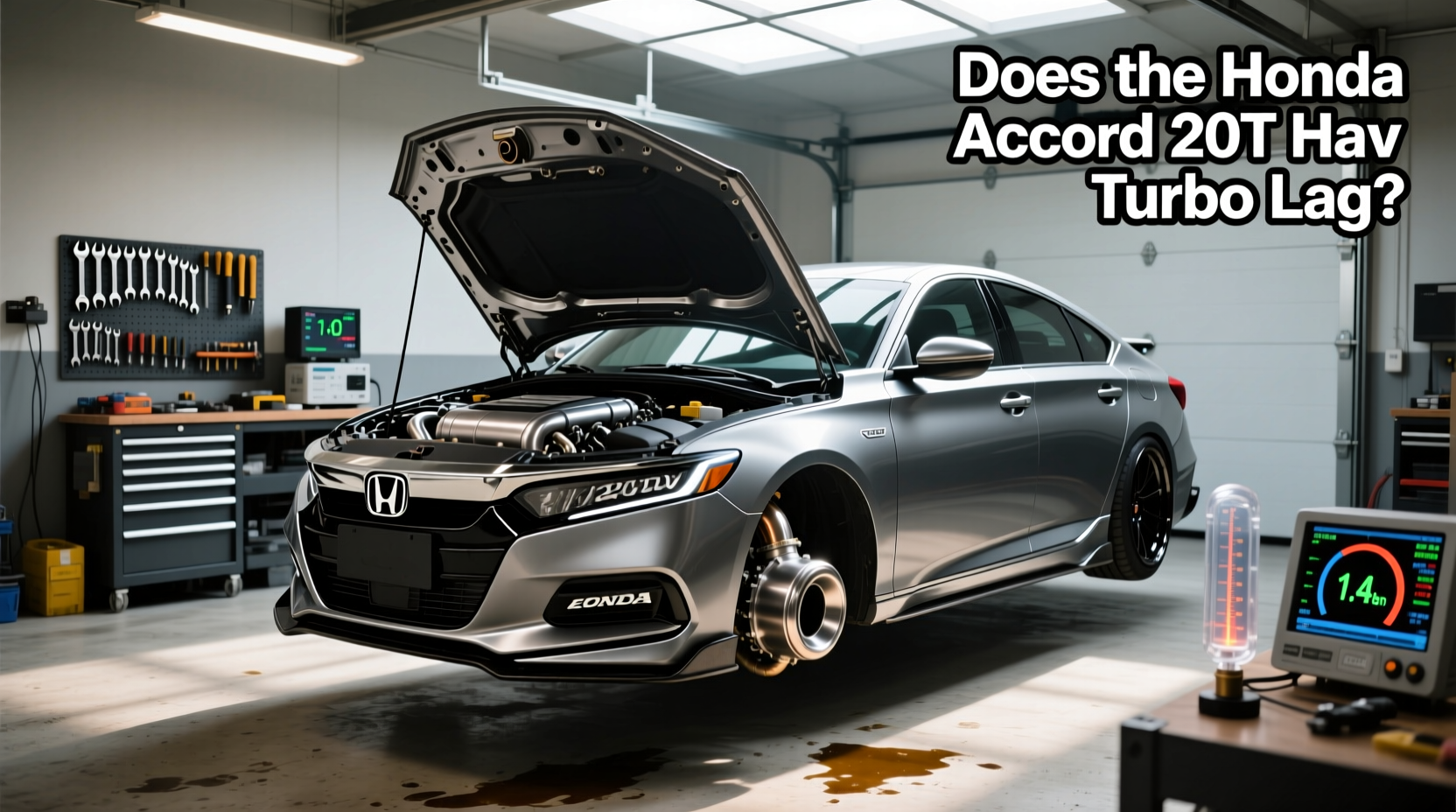
About Honda Accord 2.0 Downpipe & Turbo Lag
The Honda Accord 2.0T features a turbocharged 2.0-liter inline-4 engine that delivers 252 horsepower and 273 lb-ft of torque, available in select trims from 2018 onward. A downpipe refers to the section of the exhaust system that connects the turbocharger outlet to the rest of the exhaust. In stock form, this part includes a catalytic converter (commonly called a "primary" or "front" cat) designed to meet emissions standards but can restrict exhaust flow.
An aftermarket downpipe replaces this factory component with a larger-diameter (typically 3-inch), less restrictive version, often retaining a high-flow catalytic converter ("catted") or removing it entirely ("catless"). The primary goal is to reduce backpressure, allowing exhaust gases to exit more freely, which helps the turbocharger spool faster—a key factor in reducing perceived turbo lag.
⚡ Turbo lag is the delay between pressing the accelerator and the turbo providing boost. While modern engines like the Accord’s 2.0T use technologies such as a small-diameter turbine wheel and variable valve timing to minimize this effect 1, some drivers still notice slight hesitation at low RPMs, especially during aggressive acceleration from a stop.
Why Honda Accord 2.0 Downpipe Upgrades Are Gaining Popularity
Performance-oriented owners are increasingly exploring bolt-on modifications to extract more responsiveness and power from the already capable 2.0T engine. The downpipe stands out because it’s one of the most cost-effective exhaust modifications for improving turbo dynamics.
📈 Real-world driving reviews, such as those from Motor Trend, note that while the Accord 2.0T has minimal turbo lag stock, there’s room for refinement 6. Enthusiasts report that after installing a catted downpipe and tuning, the engine feels more eager off idle, with smoother power delivery across the midrange.
This trend reflects broader interest in accessible performance tuning. Unlike forced induction overhauls, a downpipe is relatively simple to install (often taking 2–4 hours) and offers measurable improvements in spool time and exhaust note without compromising daily drivability.
Types and Variants of Honda Accord 2.0 Downpipes
When evaluating options, buyers typically encounter two main types:
1. Catted Downpipes (High-Flow Catalytic Converter)
- Pros: Legal in most areas, retains emissions compliance, reduces backpressure significantly compared to stock, improves spool with lower risk of check engine lights.
- Cons: Slightly less flow than catless versions, higher cost due to premium catalyst materials.
2. Catless Downpipes (No Catalytic Converter)
- Pros: Maximum exhaust flow, fastest turbo spool, loudest and most aggressive exhaust tone, often cheapest option.
- Cons: Likely illegal for street use in many regions (e.g., California, EU), may trigger oxygen sensor error codes, not suitable for registration or smog checks.
🔧 Some kits also include upgraded front pipes or merge collectors for even better flow. However, these require more extensive installation and tuning support.
Key Features and Specifications to Evaluate
To make an informed decision, consider these technical and practical factors:
- Pipe Diameter: Look for 3-inch diameter tubing. Stock is typically 2.5", so upgrading allows greater gas velocity and reduced backpressure 7.
- Catalyst Type: High-flow metallic substrate cats (e.g., 200-cell) offer durability and legality. Avoid ceramic substrates in high-heat environments.
- Material: 304 stainless steel resists corrosion better than aluminized steel, especially important given undercarriage exposure.
- Gasket & Flange Quality: Precision laser-cut flanges and multi-layer steel gaskets prevent leaks and ensure longevity.
- Tuning Requirement: While not mandatory, pairing a downpipe with a custom ECU tune unlocks full benefits—expect 20–30 hp gains versus ~10–15 hp on stock calibration.
- Fitment: Confirm compatibility with your model year (2018–2022 Accord 2.0T). Some designs vary based on transmission (10AT vs. CVT in other models).
✅ Pro Tip: Always verify OBD2 feedback post-installation. A wideband air/fuel ratio monitor can help detect lean conditions caused by increased airflow.
Pros and Cons of Installing a Honda Accord 2.0 Downpipe
Advantages
- Reduced Turbo Lag: Faster spool due to lower backpressure improves throttle response, especially below 3,000 RPM.
- Increased Power Output: Gains of 10–30 hp depending on supporting mods and tuning.
- Better Exhaust Sound: Deeper, more resonant tone without excessive drone inside the cabin.
- Improved Engine Efficiency: Cooler exhaust gas temperatures (EGTs) under load due to freer breathing.
Limitations and Drawbacks
- Emissions Compliance Risk: Catless versions may fail inspections; always check local regulations before purchase.
- Diminishing Returns Without Tune: Standalone downpipe gains are modest. Full potential requires software adjustment.
- Installation Complexity: Requires lifting the vehicle, heat shielding removal, and careful bolt handling to avoid breakage.
- No Fuel Economy Benefit: Despite improved efficiency, real-world MPG remains similar or slightly worse due to increased driver engagement.
How to Choose a Honda Accord 2.0 Downpipe: Step-by-Step Buying Guide
Follow this checklist to ensure you select the right product for your needs:
- Determine Your Use Case: Daily driver? Stick with catted. Track-only? Catless may be viable.
- Check Local Emissions Laws: Use resources like the California Air Resources Board (CARB) website to confirm legality.
- Select Material and Build Quality: Prioritize 304 stainless steel and TIG-welded construction.
- Verify Compatibility: Match your Accord’s model year and engine code (K20C4).
- Plan for Tuning: Budget for a professional tune (~$300–$600) to maximize results.
- Review Warranty & Return Policy: Reputable vendors offer fitment guarantees and material defect coverage.
Red Flags to Avoid ⚠️
- Unrealistic power claims (e.g., “+50 hp with no tune”)
- No mention of catalyst cell count or substrate type
- Poor customer service response times or missing contact info
- Missing dimensional specs or installation guides
- Prices significantly below market average (risk of thin-wall tubing or weak welds)
Price & Market Insights
As of 2024, expect the following price ranges:
- Catted Downpipes: $350–$600 (e.g., PLM, RV6, Two-Step Performance)
- Catless Downpipes: $250–$400
- Full Front Pipe + Downpipe Kit: $600–$900
Prices vary by region, shipping costs, and included hardware. Kits with high-temp coatings or lifetime warranties tend to sit at the upper end. Note that professional installation adds $150–$300 unless done DIY.
Value isn’t just about upfront cost. Consider long-term durability, corrosion resistance, and resale impact—especially if you plan to sell the car later.
Top-Seller & Competitive Analysis
Below is a comparison of leading aftermarket downpipes for the Honda Accord 2.0T:
| Brand & Model | Type | Material | Diameter | Legal Status | Avg. User Rating |
|---|---|---|---|---|---|
| PLM Front Pipe + Downpipe | Catted (200-cell) | 304 Stainless | 3" | CARB Compliant* | ⭐ 4.8/5 |
| RV6 High-Temp Catted Downpipe | Catted (200-cell) | 304 Stainless | 3" | Not Certified | ⭐ 4.7/5 |
| Two-Step Performance Downpipe | Catted or Catless | 304 Stainless | 3" | Varies by Version | ⭐ 4.6/5 |
| Generic eBay/OEM Replica | Often Catless | Aluminized Steel | 2.5"–3" | Unknown | ⭐ 3.2/5 |
*Verify current CARB EO number before purchase. Legal status may change.
Customer Feedback Synthesis
Based on aggregated reviews from forums (e.g., Reddit r/Accord, DriveAccord.net) and retailer sites:
Most Common Praises ✅
- Noticeable improvement in turbo spool and mid-range punch
- Aggressive yet refined exhaust note without interior drone
- Well-fitting components with clean welds (especially PLM and RV6)
- Supportive vendor documentation and tech assistance
Frequent Complaints ❗
- Check engine lights after installation (usually resolved with tune or sensor spacer)
- Difficulty removing factory bolts due to rust or tight clearance
- Inconsistent quality control in budget brands
- Lack of clear emissions compliance labeling
Sourcing & Supplier Tips
Where you buy matters as much as what you buy:
- Reputable Specialty Retailers: Sites like MPRacing, AMS, or DynoMax specialize in Honda performance parts and provide fitment filters.
- Direct-from-Manufacturer: Brands like PLM sell via their own site with detailed install videos.
- Third-party Marketplaces: Amazon or eBay can offer competitive pricing but require extra diligence—check seller ratings and return policies.
- For Bulk Orders or Resale: Contact manufacturers directly for wholesale terms. Minimums typically start at 5–10 units.
- Inspection Tips: Upon arrival, inspect for warping, weld integrity, and proper gasket inclusion. Test-fit before final installation.
Maintenance, Safety & Legal Considerations
After installation, maintain safety and compliance:
- Monitor for Leaks: Listen for ticking or whooshing sounds under acceleration—signs of exhaust leak.
- Avoid Water Submersion: Don’t drive through deep puddles immediately after hot runs; thermal shock can crack welds.
- Check Fasteners Periodically: Vibration can loosen bolts over time; re-torque every 6 months or 5,000 miles.
- Emissions Compliance: Even catted downpipes may not be legal everywhere. Always confirm with local authorities before registering modified vehicles.
- Insurance Disclosure: Modifications may affect coverage. Notify your provider if making significant performance changes.
Conclusion
If you’re researching how to choose a Honda Accord 2.0 downpipe and wondering whether the Accord 2.0T has turbo lag, the answer depends on your expectations. The factory engine is well-engineered to minimize lag using a small turbine wheel and intelligent valve control 1. For most drivers, the stock experience is smooth and responsive.
However, if you seek enhanced spool, a sportier exhaust note, and incremental power gains, a high-quality catted 3-inch stainless steel downpipe—paired with a professional tune—is a worthwhile upgrade. It further reduces turbo lag and improves overall engine character without sacrificing reliability or legality.
📌 Final Recommendation: If you want modest gains and legal compliance, choose a CARB-compliant catted downpipe. If you’re building a track-focused Accord and live in a deregulated area, a catless unit may suit—but always prioritize build quality and proper installation.
FAQs
Does the Honda Accord 2.0T have noticeable turbo lag?
The Accord 2.0T is engineered to minimize turbo lag with a small-diameter turbine and VTEC®/VTC™ systems. Most drivers report smooth, responsive power delivery, though slight hesitation may occur at low RPMs before boost builds.
Can a downpipe eliminate turbo lag completely?
No modification eliminates turbo lag entirely, but a high-flow downpipe reduces exhaust backpressure, helping the turbo spool faster and decreasing perceived lag, especially when combined with an ECU tune.
Are catted downpipes worth it over catless?
Yes, for street-driven vehicles. Catted downpipes offer nearly all the performance benefits of catless versions while maintaining emissions compliance and avoiding potential check engine lights.
Do I need a tune after installing a downpipe?
While not strictly required, a tune optimizes fueling and ignition timing to match increased airflow. You’ll unlock more power and ensure safe operation, especially under hard acceleration.
Will a downpipe void my Honda warranty?
Modifications can affect warranty coverage under the Magnuson-Moss Warranty Act. Dealers may deny claims related to the exhaust or engine if damage is linked to the downpipe. Check with your dealer and document pre-modification condition.




 浙公网安备
33010002000092号
 浙B2-20120091-4