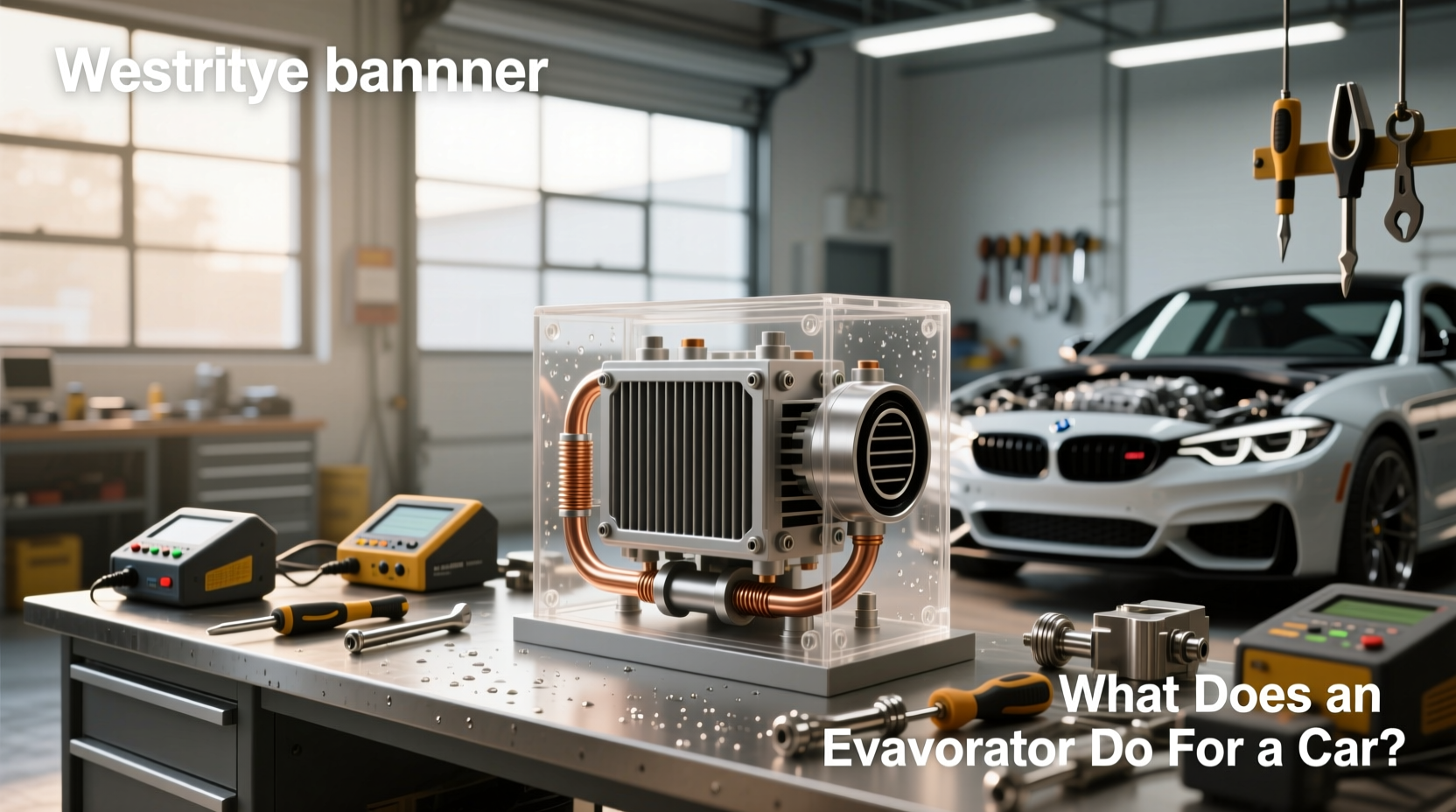
If you're looking for an aftermarket solution to improve cabin cooling—especially in older vehicles, custom builds, or off-grid applications—a mini evaporator for cars can be a practical upgrade. Unlike the factory-installed evaporator core hidden behind the dashboard, which cools air by absorbing heat via refrigerant (typically R134a or R1234yf) 1, a mini evaporator is often part of a compact, self-contained unit designed for easier installation and targeted cooling. When deciding how to choose a mini evaporator for cars, focus on cooling capacity (measured in BTUs or kcal/h), compatibility with your power source (12V/24V), airflow rate, physical dimensions, and whether it integrates a blower motor and expansion valve. Avoid units without clear specifications or thermal overload protection, as these may fail prematurely under continuous use.
About Mini Evaporator for Cars: Function and Use Cases
⚙️The term mini evaporator for cars typically refers to a compact heat exchanger used in auxiliary or standalone air conditioning systems. In a standard car A/C system, the evaporator absorbs heat from cabin air using low-pressure liquid refrigerant, turning it into vapor while cooling the surrounding metal fins 2. This process also dehumidifies the air, preventing window fogging and improving comfort.
In contrast, a mini evaporator is usually found in portable or add-on units that don’t rely on the vehicle’s original compressor. These systems often use thermoelectric (Peltier) technology or small rotary compressors powered by the car battery or auxiliary power source. They are ideal for:
- Cooling specific zones (e.g., rear seats, cargo area)
- Vehicles without factory A/C (classic cars, utility vans)
- Overnight camping or long stops where idling isn't feasible
- Emergency cooling when the main A/C fails
Why Mini Evaporators Are Gaining Popularity
📈Mini evaporator-based cooling systems are seeing increased demand due to several trends:
- Rise of electric and hybrid vehicles: With no engine-driven compressor, some EVs benefit from supplemental cooling solutions during battery-saving modes.
- Custom vehicle builds: Off-road rigs, campers, and food trucks often require flexible, modular cooling options.
- Urban mobility: Scooters, three-wheelers, and micro-cars lack space for full A/C systems.
- Energy efficiency improvements: Modern mini evaporators integrate brushless DC fans and variable-speed compressors, reducing power draw.
These units offer plug-and-play convenience compared to replacing a corroded OEM evaporator core—a job that often requires dashboard removal and refrigerant recovery 3.
Types and Variants of Mini Evaporators
📋Different designs serve distinct needs. Understanding these helps refine your search for the right mini evaporator for cars.
1. Integrated Portable Units
Self-contained boxes combining evaporator coil, blower, and sometimes compressor. Powered via 12V socket or hardwired.
- Pros: Easy installation, mobile, no refrigerant handling needed
- Cons: Limited cooling power, higher energy consumption (especially Peltier types)
2. Split-System Add-Ons
Separate indoor (evaporator + fan) and outdoor (condenser + compressor) units connected by refrigerant lines.
- Pros: More efficient than portable units, quieter indoor operation
- Cons: Requires professional installation, drilling through firewall, refrigerant charging
3. OEM Replacement Mini Cores
Smaller versions of stock evaporators for vehicles with limited dash space.
- Pros: Direct fit, compatible with existing A/C cycle
- Cons: Labor-intensive replacement, not truly 'mini' in function
4. Thermoelectric (Peltier) Modules
Solid-state coolers with no moving parts or refrigerants.
- Pros: Silent, maintenance-free, reversible (can heat)
- Cons: Low efficiency, generates significant waste heat, best for spot cooling
Key Features and Specifications to Evaluate
🔍When comparing models, assess these technical parameters:
- Cooling Capacity: Look for at least 2,000 BTU/h (≈580W) for personal comfort. High-end units reach 8,000 BTU/h 4.
- Power Input: Most run on 12V DC; verify amperage draw (e.g., 10A–20A). Higher draw may require relay wiring.
- Airflow Rate: Measured in CFM (cubic feet per minute). Aim for 100–200 CFM for effective circulation.
- Noise Level: Should be under 50 dB(A) for quiet operation.
- Dimensions: Ensure fit in intended location (under seat, ceiling mount, etc.).
- Refrigerant Type: R134a is common; newer eco-friendly options like R1234yf require proper handling.
- Thermal Protection: Built-in sensors prevent overheating and compressor damage.
Pros and Cons: Is a Mini Evaporator Right for You?
• Classic car restorations
• Auxiliary cooling in large SUVs/vans
• Temporary fixes during main A/C repairs
• Off-grid adventures with solar support
• Replacing a fully functional OEM system
• Continuous use without adequate battery/alternator support
• Extreme ambient temperatures (>40°C / 104°F)
• Users expecting AC-level cooling from Peltier devices
How to Choose a Mini Evaporator for Cars: Step-by-Step Guide
✅Follow this checklist to make an informed decision:
- Define Your Cooling Goal: Whole cabin vs. localized cooling? Estimate volume (in cubic meters).
- Check Power Availability: Can your electrical system handle sustained load? Consider adding a secondary battery if needed.
- Verify Physical Space: Measure clearance for evaporator unit and ducting (if applicable).
- Select Technology Type: Prefer efficiency? Choose split-compressor. Need simplicity? Try a portable unit.
- Review Installation Requirements: Will you need to drill, wire relays, or charge refrigerant? If unsure, opt for plug-and-play.
- Inspect Safety Certifications: Look for CE, RoHS, or UL marks indicating electrical safety.
- Evaluate Noise Tolerance: Test sound levels if using inside cabin during conversation or sleep.
Red Flags to Avoid
- Units with no published BTU rating or airflow specs
- Unbranded products lacking customer service channels
- Peltier coolers marketed as “full car AC replacements”
- Missing thermal cutoff switches or fuse protection
- Claims of “zero installation” for refrigerant-based systems
Price & Market Insights
💰Prices vary significantly based on technology and capacity:
- $50–$120: Basic Peltier coolers or small 12V fans with ice compartments
- $150–$300: Compact compressor-based portable units (e.g., 2,000–4,000 BTU)
- $350–$700: Split systems with separate condenser and evaporator
- $700+: High-capacity, dual-zone, or solar-compatible units
Higher cost generally reflects better materials, efficiency, and durability. However, value depends on usage context. For occasional use, a mid-range model may suffice. For daily operation, invest in robust construction and proven reliability.
Top-Seller & Competitive Analysis
⭐Popular models include JUKOOL, Alpicool, and Zero Breeze. While brands evolve, evaluate based on consistent criteria rather than popularity alone.
| Model Type | Cooling Output | Power Source | Installation | Estimated Lifespan |
|---|---|---|---|---|
| Portable Peltier | 800–1,500 BTU | 12V DC / USB | Plug-and-play | 1–3 years |
| Compact Compressor (Portable) | 2,000–4,000 BTU | 12V/24V DC | Minimal setup | 3–5 years |
| Split System (Add-on) | 5,000–8,000 BTU | 12V + external battery | Professional install | 5–8 years |
Note: Performance may vary by climate and vehicle insulation. Always check manufacturer specs before purchase.
Customer Feedback Synthesis
👥Analysis of user reviews reveals recurring themes:
Frequent Praises
- “Easy to set up and instantly improved comfort during traffic jams.”
- “Perfect for keeping baby’s seat cool during summer drives.”
- “Saved me until I could afford a full A/C repair.”
Common Complaints
- “Didn’t cool below 25°C even after hours of running.”
- “Drained my car battery overnight.”
- “Fan noise was too loud for highway driving.”
- “Plastic housing cracked after six months.”
Reliability issues are more common with budget-tier Peltier units. Compressor-based models receive better long-term feedback but require correct wiring to avoid electrical strain.
Sourcing & Supplier Tips
🛒Where you buy matters:
- Online Marketplaces: Amazon, eBay, and AliExpress offer variety but vary in quality control. Prioritize sellers with detailed specs and responsive support.
- Specialty Auto Stores: NAPA, AutoZone, or HVAC suppliers may carry reliable add-on kits.
- Bulk/Wholesale: Alibaba is suitable for resellers or fleet operators. Request samples and verify certifications before large orders.
- Verification Steps:
• Confirm return policy and warranty length
• Ask for test reports (e.g., cooling curve data)
• Check if refrigerant is pre-charged and sealed
Maintenance, Safety & Legal Considerations
🔧To ensure longevity and safe operation:
- Clean Filters Regularly: Dust buildup reduces airflow and cooling efficiency.
- Inspect Hoses and Connections: For split systems, check for refrigerant leaks annually.
- Battery Monitoring: Use a voltage meter to prevent deep discharge when operating off-engine.
- Compliance: In some regions, modifying factory A/C systems may affect emissions compliance or void warranties. Verify local regulations before installation.
- Disposal: Refrigerants must be recovered by certified technicians; do not vent into atmosphere.
Always follow manufacturer instructions and disconnect power before servicing.
Conclusion: Matching Needs to Solutions
Choosing the right mini evaporator for cars hinges on matching your cooling needs with realistic expectations and technical constraints. If you need temporary, low-effort cooling, a portable 12V unit is sufficient. If you’re retrofitting a vehicle without A/C, consider a split-system compressor model. If energy efficiency and silence are priorities, invest in a well-reviewed brand with proven thermal management. Avoid overpromising technologies like unassisted Peltier modules for whole-car cooling. By focusing on verified specs—not marketing claims—you’ll find a solution that enhances comfort without compromising safety or reliability.




 浙公网安备
33010002000092号
 浙B2-20120091-4