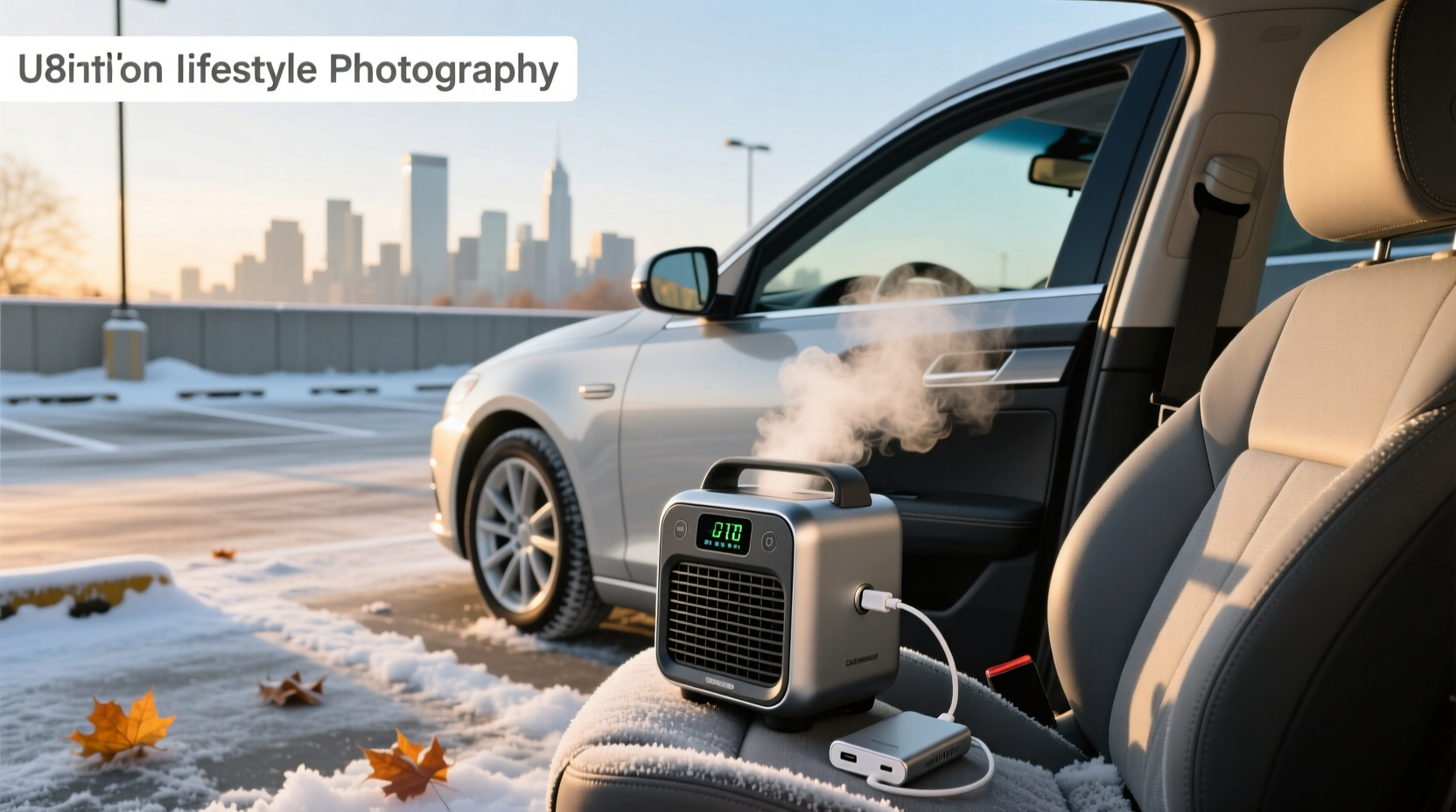
If you're asking how to choose portable car heater,Are there battery operated car heaters?, start here: true battery-operated electric heaters that run solely on internal batteries are rare and often underpowered for sustained warmth. Most 'portable' models plug into a 12V socket (cigarette lighter) and draw power from your car’s alternator or battery. For off-grid heating, propane-powered units offer stronger output but require ventilation ⚠️. When evaluating options, prioritize safety certifications, heat output (watts/BTUs), power source compatibility, and intended use—like emergency warmth, camping, or pre-warming a parked vehicle. Avoid unregulated Chinese imports lacking overheat protection.
About portable car heater,Are there battery operated car heaters?
A portable car heater is a compact device designed to provide supplemental warmth inside a vehicle cabin. These units vary by power source, size, and heating mechanism. The question "Are there battery operated car heaters?" arises frequently among users seeking cordless, self-contained heating solutions—especially for use when the engine is off.
In practice, most so-called "battery-operated" heaters do not rely on built-in rechargeable batteries alone. Instead, they connect to the car’s 12V DC outlet, drawing power from the vehicle’s electrical system. True standalone battery-powered electric heaters exist but are typically low-wattage (under 100W), limiting their effectiveness in cold climates.
Alternative fuel-based options like propane portable car heaters are available and can operate independently of the car’s battery. These are better suited for extended use during camping, tailgating, or in garages with adequate airflow. However, they introduce combustion byproducts (carbon monoxide, moisture) and must never be used in enclosed, unventilated spaces.
Why portable car heater,Are there battery operated car heaters? is gaining popularity
Cold weather commuting, overnight deliveries, remote work setups, and winter camping have increased demand for reliable in-cabin warmth beyond factory-installed HVAC systems. Drivers in regions with extreme winters often face slow warm-up times or failing heaters, making portable units an attractive backup.
The interest in battery-operated variants reflects a desire for energy independence from the vehicle’s engine. People want to stay warm while parked—during rest breaks, roadside emergencies, or outdoor adventures—without draining the starter battery or idling the engine (which wastes fuel and increases emissions).
Additionally, rising awareness of EV efficiency has spurred curiosity: since electric vehicles conserve battery for driving range, auxiliary heating methods that don’t burden the main pack are being explored. This context fuels ongoing searches around what to look for in portable car heater,Are there battery operated car heaters?
Types and variants
- ⚙️ 12V Plug-In Electric Heaters
Most common type. Plugs into cigarette lighter/12V socket. Draws power directly from car battery or alternator.
Pros: Affordable, easy to install, no fuel storage needed.
Cons: Limited to ~150W due to fuse limits; ineffective if engine is off long-term. - ⚡ Battery-Powered (DC) Electric Heaters
Rare models with integrated lithium-ion packs. Marketed as “cordless” but usually low-output.
Pros: Truly portable; usable without engine running.
Cons: Short runtime (30–90 mins); weak heat; expensive per watt. - 🔥 Propane Portable Car Heaters
Fuel-burning units using disposable or refillable propane canisters. Often used in trucks, RVs, or workshops.
Pros: High BTU output (5,000–9,000+); works completely off-grid.
Cons: Requires ventilation; fire risk; produces CO₂/H₂O vapor; illegal in some indoor settings. - 🔌 AC-Powered Heaters (with Inverter)
Standard household-style heaters used via power inverter connected to car battery.
Pros: Can deliver 800–1500W heat; fast warming.
Cons: Drains battery quickly; needs large deep-cycle battery; inverter adds cost/complexity.
Key features and specifications to evaluate
When researching how to choose portable car heater,Are there battery operated car heaters?, assess these technical and practical factors:
- ✅ Power Source & Input: Does it plug into 12V? Use propane? Have a built-in battery? Confirm compatibility with your vehicle or setup.
- ⚡ Heat Output (Watts/BTUs): Look for at least 100W for mild warmth; 150W max for 12V sockets. Propane units list BTUs—aim for 5,000+ for real heating.
- 🔋 Battery Runtime (if applicable): Check manufacturer estimates, but assume 20–30% less in real conditions. Verify whether runtime is at high/low setting.
- 🧯 Safety Features: Overheat protection, tip-over switch, flame failure detection (for propane), and thermal fuses are essential.
- 📏 Size & Portability: Consider storage space. Some fold flat or come with carrying cases.
- 🌡️ Thermostat & Fan Control: Adjustable settings improve comfort and efficiency.
- 🔌 Cord Length: Ensure enough reach from outlet to footwell or seat area.
- 🌐 Ventilation Requirements: Critical for fuel-burning models. Never bypass this—even in mild weather.
Pros and cons
When a portable car heater makes sense ✅
- You need quick foot-well warmth before the engine heats up
- You’re stranded in cold weather and must preserve body heat
- You camp in a truck or SUV and can safely ventilate a propane unit
- You drive an older vehicle with a weak factory heater
When to avoid one ❗
- You expect a battery-powered electric heater to run all night safely
- You plan to use any heater in a sealed garage or sleeping cabin without airflow
- Your car has a known electrical issue or undersized alternator
- You’re looking for primary heating in sub-zero conditions without proper backup power/fuel
How to choose portable car heater,Are there battery operated car heaters?
Follow this step-by-step guide to make a safe, effective decision:
- 📌 Define Your Use Case: Will you use it while driving? Parked? Overnight? Emergency-only? This determines power needs.
- 🔍 Determine Power Availability: Do you have access to engine power (12V)? A secondary deep-cycle battery? Propane supply? No electricity at all?
- 📋 Rule Out Unsafe Options: Avoid uncertified heaters, especially those without automatic shutoffs. Steer clear of open-flame or catalytic models unless properly rated.
- 📊 Compare Heat Output vs. Runtime: Higher wattage means faster warmth but shorter operation on limited power. Balance performance with duration.
- ❗ Check Safety Certifications: Look for ETL, UL, or CE marks indicating third-party testing. For propane units, ensure compliance with CSA or ANSI standards.
- 🧰 Verify Accessories & Setup: Does it include mounting brackets, hoses, regulators? Are replacement parts available?
- 🚚 Review Return Policy: Buy from retailers allowing returns if the unit doesn’t meet expectations—especially important for online purchases.
Red flags to avoid:
- No listed safety certifications
- Claims of "200W+ from 12V socket" (exceeds typical fuse limit)
- Instructions suggesting use in fully enclosed spaces
- Poor customer reviews mentioning overheating or melting
- Missing model number or manufacturer contact info
Price & market insights
Pricing varies significantly based on type and capability:
- 🛒 12V Electric Heaters: $15–$40. Entry-level models dominate this segment. Expect basic fan heat with minimal controls.
- ⚡ Battery-Powered Units: $50–$120. Higher cost due to included lithium packs, but limited value for serious heating.
- 🔥 Propane Heaters: $60–$150. Includes regulator and hose. Refill costs add up (~$3–$5 per 1-lb canister).
- 🔌 Inverter + AC Heater Combo: $100–$250+. Requires investment in both inverter and compatible heater.
Value depends on usage frequency and reliability. A $30 12V heater may suffice for occasional morning warm-ups. For regular off-grid use, spending more on a durable propane system with safety features offers better long-term utility. Note: prices may vary by region and retailer.
Top-seller & competitive analysis
Popular models reflect user priorities: safety, consistent output, and ease of use. Below is a comparison of representative units across categories:
| Model Type | Power Source | Max Output | Safety Features | Approx. Price |
|---|---|---|---|---|
| 12V Ceramic Heater | Car 12V Socket | 150W | Overheat protection | $25 |
| Lithium Battery Heater | Built-in 20,000mAh | 90W | Auto shut-off, temp control | $90 |
| Portable Propane Heater | 1-lb Canister | 7,000 BTU | Trip sensor, flameout guard | $110 |
| AC Fan Heater + Inverter | Car battery via 1000W inverter | 1,000W | Inverter overload protection | $180 |
This table illustrates the trade-offs between convenience, power, and cost. While the 12V model is cheapest and simplest, its heating capacity is lowest. The propane option delivers robust heat but demands careful handling. Always verify current specs before purchasing, as models evolve.
Customer feedback synthesis
Based on aggregated reviews across major platforms, here are recurring themes:
Common Praises ✨
- “Heats up fast when starting the car in winter” — frequent for 12V models
- “Perfect for warming my cab while taking breaks during night drives”
- “Well-built propane heater with reliable ignition and good flame control”
- “Compact and stores easily under the seat”
Common Complaints ❗
- “Stopped working after two weeks—suspect poor wiring” — especially budget 12V units
- “Battery lasted only 40 minutes, not the advertised 90” — common in battery-powered claims
- “Smelled like burning plastic the first few uses” — off-gassing from new components
- “No way to securely mount it; kept sliding on the floor”
- “Propane adapter didn’t fit standard US canisters” — compatibility issues
Sourcing & supplier tips
Buy from reputable automotive, outdoor, or electronics retailers—online or brick-and-mortar. Amazon, AutoZone, Walmart, and REI carry vetted selections. For bulk orders (e.g., fleet vehicles), consider industrial suppliers like Northern Tool or Grainger.
When sourcing internationally, verify voltage compatibility and connector types. Some 12V heaters sold overseas use different plug designs. Also, check return policies and warranty support availability in your country.
Before finalizing a purchase, inspect packaging for certification labels and model details. If buying secondhand, test all functions and examine cords/heating elements for damage. Never use a unit with frayed wires or cracked housing.
Maintenance, safety & legal considerations
All portable heaters require periodic inspection. Clean dust filters (if present) monthly. For electric models, check cords and plugs for wear. Store in a dry place to prevent corrosion.
For propane portable car heaters, inspect hoses and connections annually for leaks using soapy water. Replace regulators every few years or per manufacturer guidance. Always disconnect the canister when not in use.
Safety first: never leave a heater unattended. Keep flammable materials (blankets, papers) at least 3 feet away. Use carbon monoxide detectors if operating fuel-burning devices near living areas—even with ventilation.
Legality varies: some jurisdictions prohibit certain heater types in moving vehicles or enclosed spaces. Regulations may apply to fuel transport and storage. To ensure compliance, check local transportation or fire codes or consult official government resources.
Conclusion
If you're exploring portable car heater,Are there battery operated car heaters?, understand that true battery-only electric models are limited in output and duration. For most drivers, a 12V plug-in heater offers practical supplemental warmth while driving. If you need powerful, engine-independent heat—for camping or emergency scenarios—a portable propane car heater is more effective, provided you maintain proper ventilation and follow safety protocols.
Your best choice depends on your specific scenario: occasional use favors affordable 12V units; off-grid reliability leans toward propane. Always prioritize certified products with clear safety mechanisms. And remember: no portable heater replaces proper winter preparedness, including insulated clothing and emergency supplies.
FAQs
Only for short periods. 12V electric models will drain your starter battery within 30–60 minutes. Propane heaters work independently but require ventilation. Deep-cycle batteries paired with inverters allow longer use.
Generally no. Most lack sufficient runtime and pose fire or CO risks if malfunctioning. Never sleep with an unattended heater, especially fuel-burning types.
Yes, if plugged into the 12V socket. But prolonged use consumes auxiliary battery power, which could affect systems. EVs already have efficient cabin heating—so portables are rarely needed.
Never use in a fully sealed space. Crack windows slightly, use only in well-ventilated areas, and pair with a battery-powered CO detector. Follow manufacturer instructions strictly.
Turn it off immediately and unplug it. Ventilate the vehicle. Inspect for blockages or damaged components. Do not reuse if there's visible damage or persistent odor.




 浙公网安备
33010002000092号
 浙B2-20120091-4