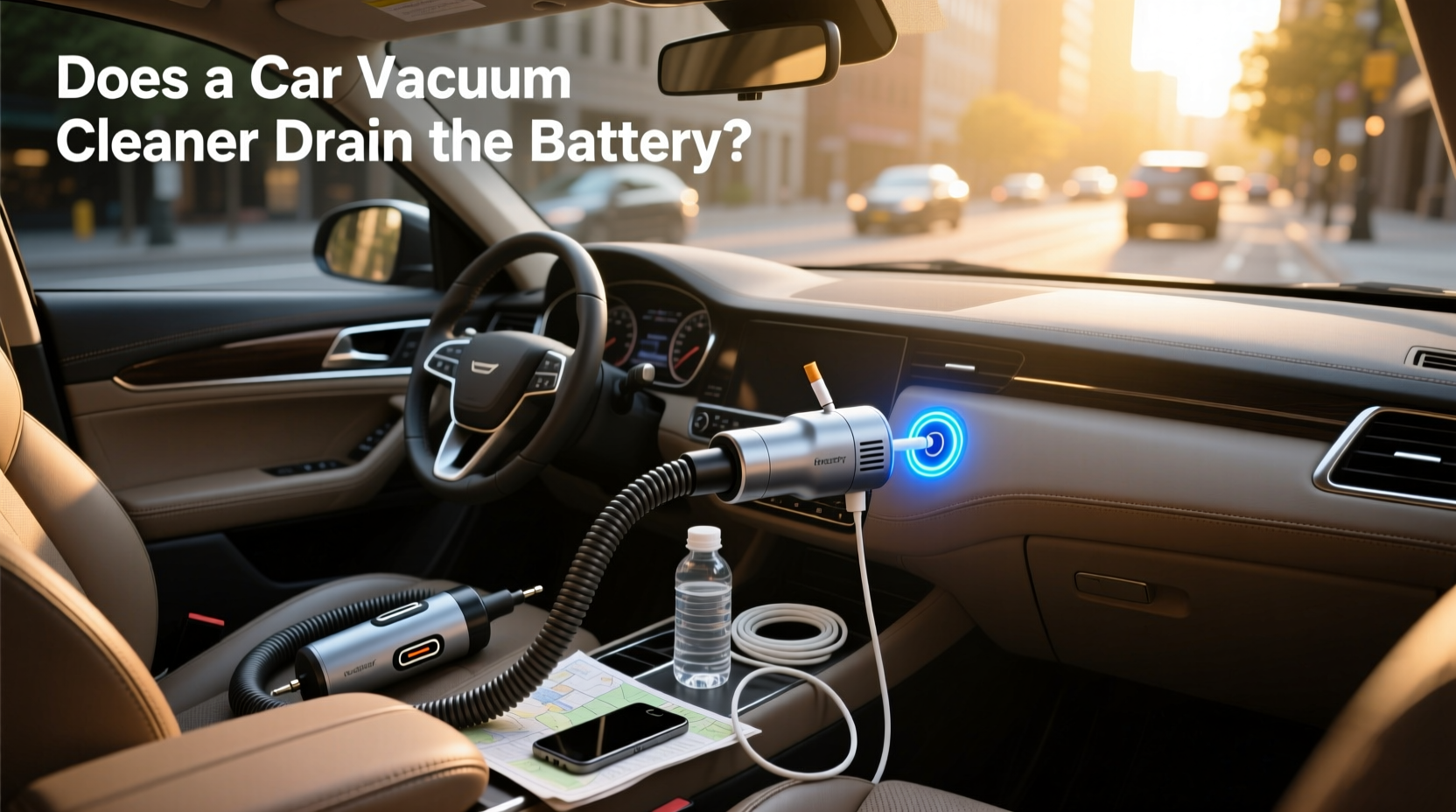
When selecting a power adapter for car vacuum cleaner, always match the voltage (typically 12V DC), ensure sufficient current output (e.g., at least 13A for a 150W model), and verify the connector size (commonly 5.5 x 2.1mm) 1. Using a car vacuum with the engine off can drain the battery—especially during extended use—so limit sessions to a few minutes or run the engine to avoid starting issues. This guide covers how to choose power adapter for car vacuum cleaner,Does car vacuum cleaner drain the battery? by evaluating technical specs, usage scenarios, and safety practices to help you make an informed decision without risking your vehicle’s electrical system.
🛒 About Power Adapter for Car Vacuum Cleaner & Battery Drain Concerns
A power adapter for car vacuum cleaner allows you to operate your 12V DC device from a standard wall outlet, making it useful for home use or charging between trips. Most car vacuums are designed to plug into the vehicle’s 12V accessory socket (cigarette lighter port), drawing power directly from the car’s electrical system. However, if you want to use the vacuum when not in the car—or if your car’s socket is damaged—an external power adapter becomes essential.
The related concern—does car vacuum cleaner drain the battery?—is valid. While these devices consume significantly less power than household vacuums (typically 50–200 watts vs. 500–1200 watts) 2, they still draw substantial current from the battery when the engine is off. For example, a 150W vacuum pulls about 12.5 amps at 12 volts. A healthy car battery (50–60Ah) can handle short bursts, but prolonged use may prevent the car from starting.
📈 Why Power Adapter Use and Battery Safety Are Gaining Attention
As portable car vacuums grow more popular for quick cleanups, users are increasingly using them outside vehicles—especially cordless models that require charging. This shift has boosted demand for reliable power adapters. Additionally, many drivers now perform interior cleaning themselves rather than relying on professional services, increasing exposure to electrical load concerns.
Another trend is the rise of multi-functional 12V devices (air pumps, coolers, cleaners), all competing for the same power source. Users need clarity on safe operation limits. Furthermore, older or infrequently driven vehicles are more prone to battery depletion, making awareness of power draw critical. Understanding how to choose power adapter for car vacuum cleaner,Does car vacuum cleaner drain the battery? helps prevent accidental dead batteries and extends both device and battery life.
🔧 Types and Variants of Power Adapters
- ⚡ Standard Wall Plug Adapters (12V DC Output): These convert AC mains power (110–240V) to 12V DC. They come in various amperage ratings (e.g., 5A, 10A, 15A). Higher wattage vacuums require higher amp outputs. Pros: Affordable, widely available. Cons: May overheat if undersized; check polarity and connector fit.
- 🧰 Universal Laptop-Style Adapters with Interchangeable Tips: Offer multiple voltage settings and tips. Some support 12V output with high current. Pros: Versatile for other devices. Cons: Often limited to 5–8A, insufficient for powerful car vacuums unless specifically rated.
- 🔋 Battery-Powered Inverters or Power Stations: Convert stored DC power to AC, then back to 12V via the original car cord. Useful for outdoor or remote use. Pros: Portable, engine-independent. Cons: Less efficient due to double conversion; bulky and expensive.
- 🔌 Dedicated High-Current DC Power Supplies: Industrial-grade units designed for continuous 12V output at 10A+. Often used in automotive repair shops. Pros: Stable, durable, built-in protections. Cons: Larger size, higher cost.
⚙️ Key Features and Specifications to Evaluate
To safely and effectively use a power adapter for car vacuum cleaner, consider these technical factors:
- 📌 Voltage (Must be 12V DC): Nearly all car vacuums operate on 12V direct current. Using a different voltage can damage the motor.
- 📊 Current Rating (Amps): Calculate required amps: Wattage ÷ 12V = Amps. A 150W vacuum needs ~12.5A. Always choose an adapter rated for at least 1–2A above this value to prevent overheating.
- 🔌 Connector Size and Polarity: The most common is 5.5mm outer diameter × 2.1mm inner pin (center-positive). Check your vacuum’s manual or measure with a multimeter to confirm 1.
- ✅ Overload and Overheat Protection: Look for adapters with built-in fuses, thermal cutoffs, or short-circuit protection for safety.
- 🌍 Input Voltage Range: Ensure compatibility with your region’s mains voltage (e.g., 110V in North America, 230V in Europe).
📋 Pros and Cons of Using External Power Adapters
Using a power adapter for car vacuum cleaner offers flexibility but comes with trade-offs.
Advantages:
- Enables indoor or garage use without starting the car.
- Reduces wear on the vehicle’s 12V socket.
- Can charge or power vacuum between trips.
Disadvantages:
- Risk of using underpowered adapters leading to poor performance or fire hazard.
- Mismatched connectors or polarity can permanently damage the vacuum.
- No alternator charging when used externally—battery drain risk only applies when using in-car with engine off.
🔍 How to Choose Power Adapter for Car Vacuum Cleaner: Step-by-Step Guide
- Check Your Vacuum’s Wattage: Find this label on the device or in the manual. If unknown, assume up to 200W for larger models.
- Calculate Required Amperage: Divide wattage by 12. Example: 180W ÷ 12V = 15A. Select an adapter rated for 16–18A.
- Verify Connector Type: Measure the plug diameter or consult the manufacturer. Never force-fit.
- Confirm Polarity: Most are center-positive (+), but some differ. Test with a multimeter if unsure.
- Select a Reputable Brand: Prioritize units with UL/CE certification and overcurrent protection.
- Avoid These Red Flags:
- Adapters labeled “12V” but only rated for 3–5A—they won’t support most vacuums.
- Unbranded or poorly constructed units with thin cables.
- Lack of safety certifications or unclear labeling.
💰 Price & Market Insights
Prices vary based on quality and current capacity:
- $10–$20: Basic 12V adapters up to 10A. Suitable only for low-power vacuums (<120W).
- $20–$40: Reliable 12–15A models with safety features. Best value for most users.
- $40+: Heavy-duty or industrial units with cooling fans and robust build. Ideal for frequent or commercial use.
Higher price doesn’t always mean better performance—focus on verified amp rating and build quality. Prices may vary by region and retailer.
🏆 Top-Seller & Competitive Analysis
| Model Type | Output (V/A) | Max Watt Support | Connector Size | Price Range | Best For |
|---|---|---|---|---|---|
| Generic 12V 10A Adapter | 12V / 10A | 120W | 5.5×2.1mm | $12–$18 | Low-power vacuums, occasional use |
| Heavy-Duty 12V 15A | 12V / 15A | 180W | 5.5×2.1mm | $25–$35 | High-suction models, regular use |
| Universal Adjustable PSU | 12V / 8A (shared) | 96W | Multiple tips | $30–$45 | Multidevice users (if vacuum uses ≤100W) |
| Industrial Bench PSU | 12V / 20A+ | 240W+ | Alligator clips + terminals | $60–$100 | Workshops, fleet maintenance |
Note: Always cross-check actual product specs—ratings may differ slightly by brand.
📝 Customer Feedback Synthesis
Analysis of user reviews reveals recurring themes:
Frequent Praises:
- “Easy setup—just plugged in and worked.”
- “No more draining my car battery when cleaning at home.”
- “Sturdy build and doesn’t overheat after 10-minute runs.”
Common Complaints:
- “Adapter smoked after two uses—probably underrated for my 160W vacuum.”
- “Wrong tip included; had to buy a separate barrel connector.”
- “Label says 12V 15A but actually delivers only 10A under load.”
The top issue remains mismatched power capacity. Buyers often underestimate their vacuum’s draw.
🏭 Sourcing & Supplier Tips
When purchasing a power adapter for car vacuum cleaner:
- Buy from reputable electronics retailers or authorized distributors.
- For bulk orders (e.g., fleet maintenance), consider B2B platforms—but verify certifications and request samples.
- Check return policies in case of compatibility issues.
- Inspect packaging for safety marks (UL, CE, RoHS). Avoid units with misspelled labels or flimsy cables.
- If sourcing internationally, confirm input voltage compatibility with your local grid.
⚠️ Maintenance, Safety & Legal Considerations
To ensure longevity and safety:
- Allow the adapter to cool between uses, especially during long sessions.
- Keep ventilation openings unobstructed.
- Unplug when not in use to prevent energy waste and reduce fire risk.
- Do not cover the adapter with fabric or place near water.
- Replace if you notice burning smell, discoloration, or unstable output.
While no specific regulations govern standalone adapters, general electrical safety standards apply. Always follow local codes for indoor electrical device usage. Confirm compliance with recognized testing laboratories (e.g., UL in the U.S., TÜV in Europe) where applicable.
✅ Conclusion
Choosing the right power adapter for car vacuum cleaner requires matching voltage, ensuring adequate current, and verifying physical compatibility. The question of whether a car vacuum drains the battery depends on usage context: short sessions are generally safe, but extended use with the engine off risks deep discharge. If you plan to use your vacuum frequently at home or need reliable charging, invest in a properly rated 12V DC adapter (13A+ for 150W models). If you only clean briefly while driving, the original car socket suffices. Always prioritize verified specifications over marketing claims to protect both your device and vehicle battery.
❓ Frequently Asked Questions
- Can I use any 12V adapter for my car vacuum cleaner?
- No. The adapter must provide sufficient current (amperage) for your vacuum’s wattage. A 150W vacuum needs at least 12.5A—using a lower-rated adapter may cause failure or overheating.
- Will using a car vacuum drain my battery?
- It can, especially with prolonged use when the engine is off. A 150W vacuum draws ~12.5A; even 10 minutes of use consumes over 2Ah. Limit off-engine use to a few minutes to stay safe.
- How do I know if my adapter matches my vacuum?
- Check three things: output voltage (12V DC), current rating (≥ vacuum’s wattage ÷ 12), and connector size/polarity. Use a multimeter to verify if uncertain.
- Is it safe to leave the adapter plugged in overnight?
- Not recommended. Unplug after charging or use to reduce fire risk and circuit load. Most car vacuums don’t require extended charging.
- Can I use a power station instead of a wall adapter?
- Yes. A power station with a 12V DC port or AC inverter can run your vacuum. Ensure it can deliver sustained current (e.g., 15A+) and has enough capacity (Wh) for your cleaning duration.




 浙公网安备
33010002000092号
 浙B2-20120091-4