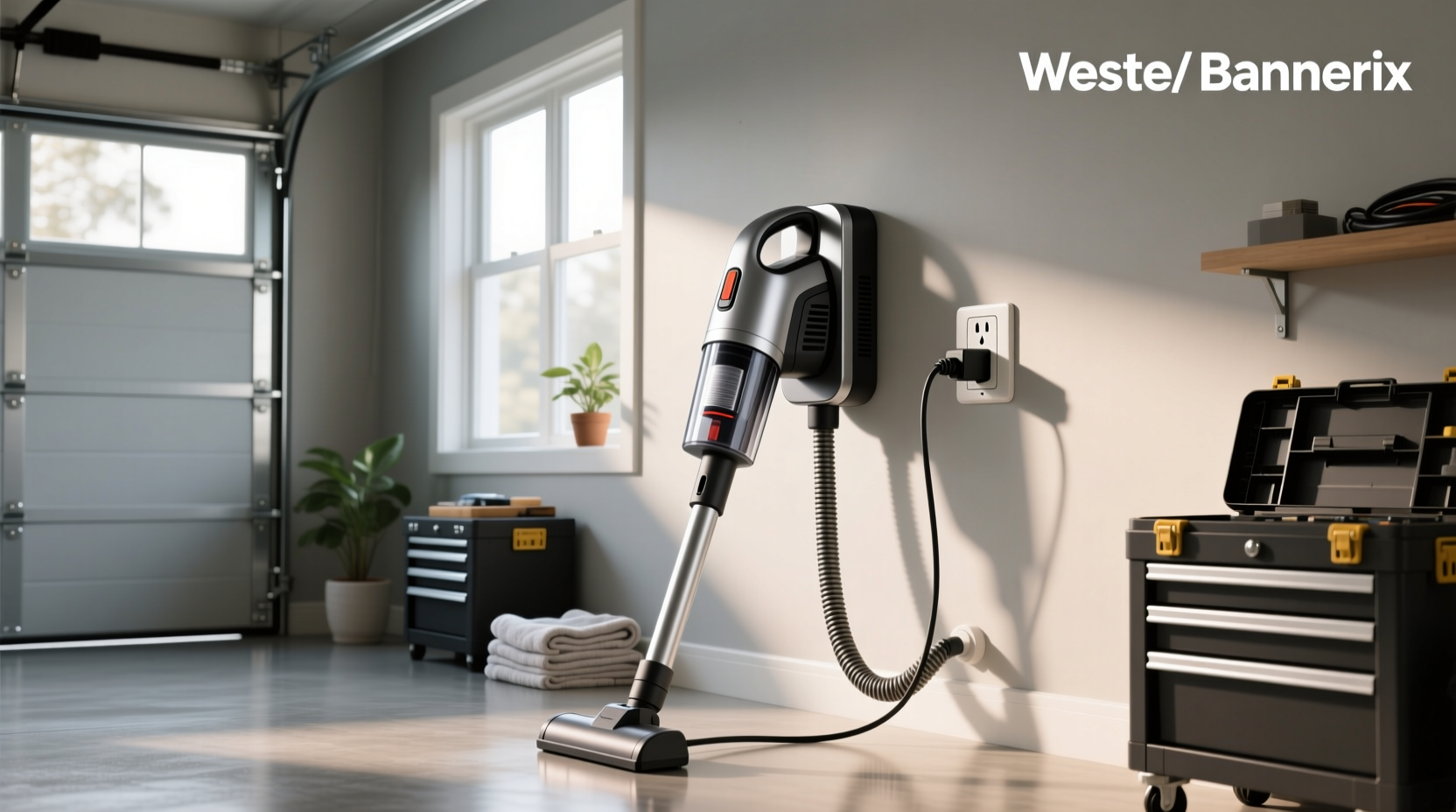
⚡ Yes, you can convert a car vacuum cleaner for home use—but only with the correct power adapter for car vacuum cleaner. The key is using a regulated AC-to-DC converter that outputs 12V DC and can handle high current draw (typically 6.5A–13A). A weak adapter (like a 2A phone charger) will fail or overheat. Always match voltage, exceed current requirements, verify connector type (female cigarette lighter socket), and prioritize models with overload protection. This guide covers exactly how to choose a power adapter for car vacuum cleaner, can we convert car vacuum cleaner for home use?, including specs, safety, and real-world performance trade-offs.
🛒 About Power Adapter for Car Vacuum Cleaner, Can We Convert Car Vacuum Cleaner for Home Use?
A power adapter for car vacuum cleaner is an AC-to-DC converter that allows 12V DC automotive devices—like portable car vacuums—to operate from standard household outlets (120V/230V AC). These adapters bridge the gap between vehicle-based appliances and home electrical systems.
The question “Can we convert car vacuum cleaner for home use?” arises because many users own compact car vacuums but lack a full-sized home model. While technically feasible, it's important to understand that car vacuums are designed for light-duty tasks: removing crumbs, dust, and pet hair from seats, floor mats, and small carpeted areas. They typically lack the suction power, dust capacity, and filtration needed for deep-cleaning large rooms or thick carpets.
Using such a vacuum at home requires a compatible power source since most plug into a vehicle’s 12V cigarette lighter socket. A suitable adapter enables this transition without modifying the vacuum itself.
📈 Why Power Adapter for Car Vacuum Cleaner, Can We Convert Car Vacuum Cleaner for Home Use? Is Gaining Popularity
Interest in converting car vacuums for indoor use has grown due to several practical trends:
- ✅ Cost Efficiency: Users avoid buying a second vacuum if they already own a reliable car model.
- 🏠 Space Saving: Ideal for apartments, dorms, or RVs where storage is limited.
- 🔧 Convenience: Quick cleanup of small messes (e.g., spilled cereal, craft debris) without dragging out a bulky upright vacuum.
- 🔋 Energy Conservation: Lower wattage than traditional vacuums; useful for spot cleaning.
However, this trend also reflects a misunderstanding of appliance design limits. Many assume any vacuum can double-duty, but performance varies significantly based on motor strength, airflow, and dustbin size. The rise in DIY electronics knowledge has also made power conversion more accessible to non-experts.
⚙️ Types and Variants
Not all adapters are created equal. Here are the main types available for powering car vacuums at home:
1. Standard AC-to-DC Wall Adapters
These plug directly into wall outlets and output 12V DC through a female cigarette lighter socket. Common in consumer electronics.
- Pros: Compact, easy to use, widely available.
- Cons: Often underpowered (<5A); may lack cooling fans or surge protection.
2. High-Current Power Supplies (10A+)
Designed for heavy-duty 12V devices like compressors or larger vacuums. Often include heat sinks or fans.
- Pros: Sufficient amperage, stable output, built-in safety features.
- Cons: Bulkier, more expensive, may require ventilation.
3. Bench Power Supplies
Adjustable lab-grade units used by technicians. Offer precise voltage/current control.
- Pros: Highly reliable, configurable, excellent regulation.
- Cons: Overkill for casual use, costly, complex setup.
4. Automotive Battery Chargers (as Alternatives)
Some multi-mode chargers provide continuous 12V output (“maintain” mode).
- Pros: Durable, often fused, capable of high current.
- Cons: May not have a cigarette lighter port; need adapter cable.
📋 Key Features and Specifications to Evaluate
When evaluating a power adapter for car vacuum cleaner, focus on these technical parameters:
- ⚡ Voltage Output: Must be 12V DC. Most car vacuums tolerate 12–14.4V, so slight variation is acceptable.
- 🔌 Current Rating (Amps): Check your vacuum’s label—most require 6.5A to 10A+. The adapter must meet or exceed this.
- 💡 Power (Watts): Calculate using W = V × A. A 12V/10A vacuum needs 120W. Choose an adapter rated at least 20–30% higher for headroom.
- 📎 Connector Type: Should feature a female 12V DC socket (cigarette lighter style) to accept the vacuum’s plug.
- 🛡️ Safety Protections: Look for overload, short-circuit, and thermal shutdown features. Fuses or resettable breakers add reliability.
- 🌐 Input Voltage Range: Dual-voltage input (100–240V AC) ensures global compatibility.
- 🌀 Regulation: Regulated supplies maintain steady voltage under load, protecting sensitive motors.
Pro Tip: Never use a 2A or 3A adapter (common for routers or cameras)—they cannot sustain the startup surge of a vacuum motor and will overheat or shut down.
⚖️ Pros and Cons
✅ Advantages of Using a Car Vacuum at Home
- Low initial cost if you already own the vacuum.
- Portable and lightweight for quick cleanups.
- Less energy consumption compared to full-sized vacuums.
- No need for additional storage space.
❌ Limitations and Drawbacks
- Limited suction power—not suitable for deep-pile carpets or embedded dirt.
- Small dustbin fills quickly during extended use.
- No HEPA filtration in most models, reducing allergen capture.
- Potential overheating if used continuously beyond design limits.
- Adapters generate heat; poor ventilation increases fire risk.
🔍 How to Choose Power Adapter for Car Vacuum Cleaner, Can We Convert Car Vacuum Cleaner for Home Use?
Follow this step-by-step checklist to make a safe and effective choice:
- Check Your Vacuum’s Power Requirements: Locate the label or manual. Note voltage (should be 12V DC) and current draw (e.g., 8A).
- Calculate Required Wattage: Multiply volts by amps. For example, 12V × 8A = 96W. Select an adapter rated for at least 120W.
- Verify Connector Compatibility: Ensure the adapter has a female cigarette lighter socket.
- Prioritize Safety Features: Choose models with overload protection, thermal cutoff, or circuit breakers.
- Avoid Unregulated or Cheap Adapters: These may deliver unstable voltage, damaging the motor.
- Consider Cable Length: Longer cords offer flexibility but increase resistance slightly.
- Test Under Load: Once connected, monitor for excessive heat or buzzing sounds during first use.
🚩 Red Flags to Avoid
- Adapter feels hot within minutes of operation.
- No listed amperage or vague specifications (e.g., “high power” without numbers).
- Missing safety certifications (look for UL, CE, or ETL marks).
- Using inverters to run home vacuums from car batteries—they usually can’t handle the load.
💰 Price & Market Insights
Pricing varies based on output capacity and build quality:
- Budget Tier ($15–$25): 5–7A adapters; adequate for low-power vacuums but risk overheating.
- Mid-Range ($25–$45): 8–10A models with better regulation and safety circuits; best value for most users.
- Premium ($45–$80+): 10A+ units with cooling fans, rugged casing, and industrial durability.
Prices may vary by region and retailer. Always compare specs rather than price alone. A slightly more expensive adapter with proper current rating and safety features offers better long-term reliability.
📊 Top-Seller & Competitive Analysis
The following table compares popular adapters suitable for powering car vacuums at home:
| Product Name | Output | Key Features | Safety |
|---|---|---|---|
| Wagan Tech 10A | 12V, 10A (120W) | UL Listed, 3 ft AC cord, 1.5 ft DC cable | Overload protection |
| Koolatron 12V AC Adapter | 12V, 5A (60W) | 6 ft power cord | Automatic reset breaker |
| SHNITPWR AC-to-DC Converter | 12V, 13A (156W) | 12 ft cord, high-current design | Thermal protection |
Note: The Koolatron model (5A) may only work with smaller, lower-draw vacuums. Verify your device’s amp requirement before purchase.
👥 Customer Feedback Synthesis
Analysis of user reviews reveals consistent patterns:
👍 Frequent Praise
- “Finally able to use my car vacuum indoors without hassle.”
- “Solid build quality—no overheating after 15-minute runs.”
- “Plug-and-play setup with clear labeling.”
👎 Common Complaints
- “Burnt out after 10 minutes—probably underrated for my vacuum.”
- “Cord too short; wish it had longer reach.”
- “No fuse or reset button; failed during peak load.”
The most recurring issue is mismatched current ratings—users often underestimate their vacuum’s power draw.
🏭 Sourcing & Supplier Tips
When purchasing a power adapter for car vacuum cleaner:
- Buy from reputable retailers (Amazon, Home Depot, specialty electronics stores).
- For bulk orders (e.g., fleet maintenance shops), consider direct suppliers on B2B platforms like Alibaba, but request product certifications.
- Check return policies in case the adapter doesn’t meet performance expectations.
- Inspect packaging for safety marks (UL, CE, RoHS).
- If sourcing internationally, confirm input voltage compatibility with your local grid (120V vs 230V).
🧼 Maintenance, Safety & Legal Considerations
To ensure safe and lasting operation:
- Ventilation: Place the adapter in open air; never cover or enclose it during use.
- Cleaning: Dust vents regularly to prevent overheating.
- Duty Cycle: Avoid running the vacuum continuously for more than 10–15 minutes unless the adapter specifies extended use.
- Fusing: If using a custom setup (e.g., bench supply), add an inline fuse (10–15A) near the vacuum plug.
- Compliance: While no specific law bans this use, always follow manufacturer guidelines. Using uncertified equipment may void insurance in case of fire.
📌 Conclusion
Yes, you can convert a car vacuum cleaner for home use—with the right power adapter for car vacuum cleaner. However, success depends entirely on matching technical specs: voltage, current, wattage, and connector type. While convenient for light cleaning tasks, car vacuums are not substitutes for dedicated home models in terms of power or coverage.
If you need occasional indoor spot cleaning and already own a 12V car vacuum, invest in a regulated 12V DC adapter rated at least 20% above your vacuum’s wattage, with safety protections. If you require frequent, whole-house cleaning, a purpose-built home vacuum remains the better long-term solution.
❓ FAQs
- Can I use a 12V 2A adapter for my car vacuum cleaner?
- No. Most car vacuums draw 6.5A or more. A 2A adapter will overheat, shut down, or get damaged.
- Is it safe to leave the adapter plugged in when not in use?
- Yes, if it’s a quality unit with standby protection. However, unplugging reduces phantom load and fire risk.
- Can I use a car battery charger as a power source?
- Yes, if it provides steady 12V DC output and sufficient current. Use with a cigarette lighter socket adapter and inline fuse for safety.
- Do these adapters work outside North America?
- Only if they support 230V input. Check the label for “100–240V AC” compatibility. You may also need a plug adapter.
- Why does my adapter get warm during use?
- Some warmth is normal under load. Excessive heat indicates insufficient rating, poor ventilation, or failing components—stop use immediately.




 浙公网安备
33010002000092号
 浙B2-20120091-4