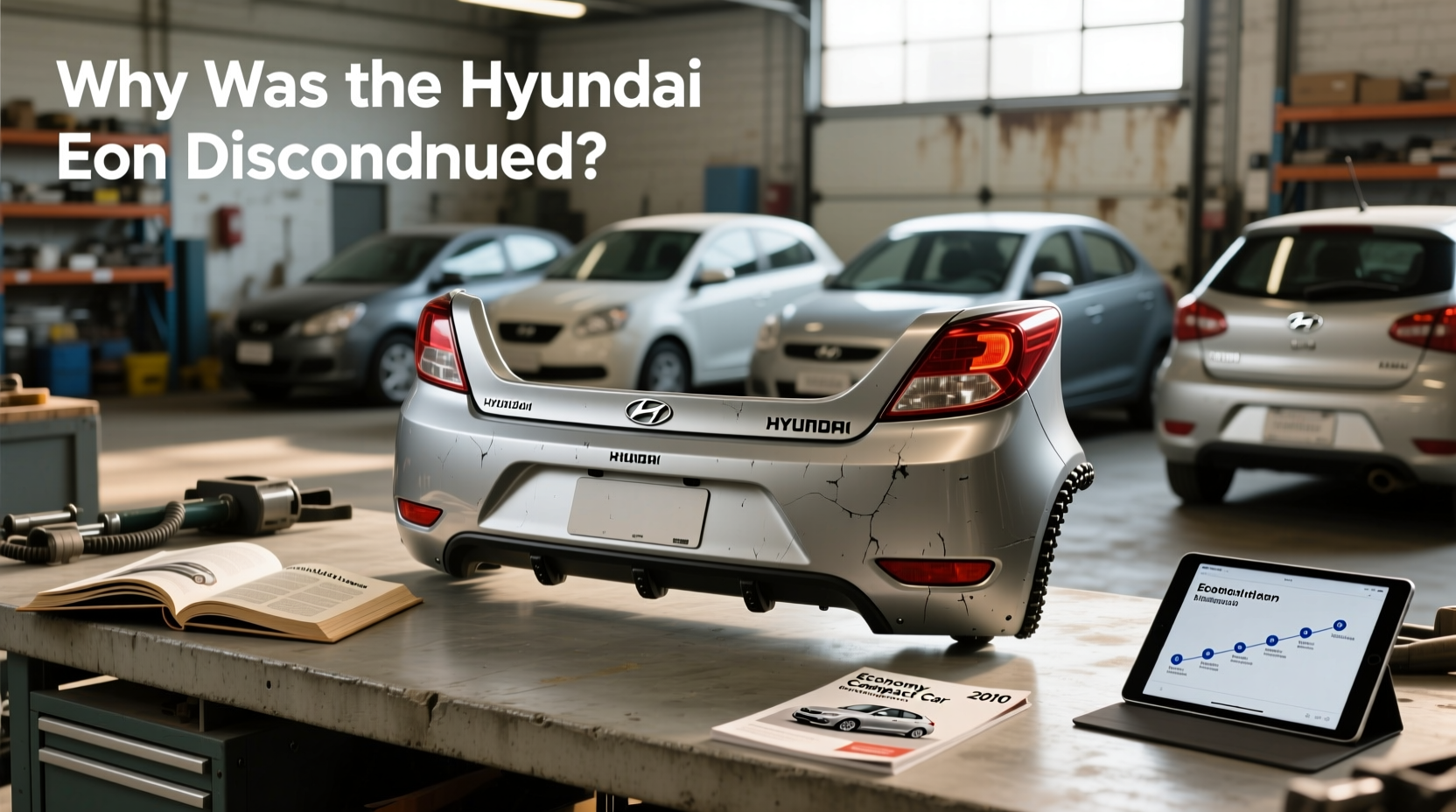
If you're looking for a rear bumper for Hyundai Eon, your best option is an OEM replacement part with verified fitment, such as part number 86611-4N010. Since the Eon was discontinued in 2018 due to new safety and emissions regulations 12, original equipment parts are no longer produced, making compatibility and supplier reliability critical. When choosing a rear bumper, always confirm the model year (2011–2019), engine type (0.8L or 1.0L petrol), and whether the bumper includes mounting hardware. Aftermarket options exist but vary in quality—prioritize suppliers with clear return policies and vehicle-specific fitment data.
About Rear Bumper for Hyundai Eon & Why the Model Was Discontinued
The Hyundai Eon, produced from 2011 to 2019, was a compact hatchback designed for urban commuting and budget-conscious buyers in markets like India. Though praised for its spacious cabin and build quality compared to rivals like the Maruti Alto 3, it was officially discontinued in December 2018. The primary reasons were regulatory: the Eon could not meet upcoming crash test safety standards (effective October 2019) or Bharat Stage VI (BS-VI) emissions norms (April 2020) without costly redesigns 2. Hyundai chose not to invest in upgrades, instead launching the newer Santro as its successor 4.
As a result, owners now rely on existing inventory, third-party manufacturers, and global spare parts networks for components like the rear bumper. This guide focuses on helping current Eon owners source durable, correctly fitting bumpers despite the vehicle’s discontinued status.
Why Replacement Rear Bumpers Are Still in Demand
Despite its discontinuation, thousands of Hyundai Eons remain on the road, particularly in South Asia and emerging markets. Owners continue to maintain their vehicles due to fuel efficiency, low maintenance costs, and proven reliability. As these cars age, wear and minor collisions increase demand for body parts like the rear bumper. Online searches for 'how to choose rear bumper for Hyundai Eon' reflect growing interest in long-term ownership solutions. Forums and owner communities actively share sourcing tips, reinforcing the need for accurate, trustworthy guidance on part selection.
Types and Variants of Rear Bumpers
Rear bumpers for the Eon fall into three main categories:
- 🛒OEM (Original Equipment Manufacturer): Direct replacements made by Hyundai or authorized partners. These match factory specifications exactly and typically come pre-painted. Pros: perfect fit, high durability. Cons: limited stock, higher cost, potential delays.
- 🔧Aftermarket (OEM-Spec): Produced by third-party companies using original blueprints. Often labeled as 'compatible with 86611-4N010'. Pros: widely available, lower price. Cons: quality varies; some require trimming or drilling.
- 🏭Reconditioned/Used: Salvaged from scrapped Eons. Pros: lowest cost, environmentally friendly. Cons: risk of hidden damage, inconsistent finish, no warranty.
For most users, a new aftermarket bumper from a reputable brand offers the best balance of cost and reliability.
Key Features and Specifications to Evaluate
When evaluating a rear bumper, consider these factors:
- ✅Fitment Compatibility: Confirm it matches your model year (2011–2019) and engine (0.8L or 1.0L). Part number 86611-4N010 is standard across all trims.
- ⚙️Material Quality: Most bumpers are made from PP (polypropylene) or TPO (thermoplastic olefin). TPO offers better impact resistance and UV stability.
- 🎨Finish Options: Available as raw (unpainted), primed, or pre-painted. Pre-painted reduces labor but may not match your car’s exact color code.
- 📎Included Hardware: Check if brackets, screws, and clips are included. Missing hardware can delay installation.
- 🔍Manufacturer Reputation: Look for brands that provide technical drawings or fitment charts. Avoid listings with generic product photos.
Pros and Cons of Replacing a Hyundai Eon Rear Bumper
- Restores structural protection and aesthetics after damage
- Maintains resale value through proper upkeep
- Wide availability despite model discontinuation
- OEM-compatible designs ensure reliable fit
- Diminishing OEM stock increases lead times
- Aftermarket quality inconsistency requires careful vetting
- No official support or warranty from Hyundai dealers
- Potential color mismatch if unpainted version is used
Suitable for: Owners repairing collision damage, restoring older models, or upgrading appearance.
Not ideal for: Those expecting factory-level warranty coverage or real-time dealer support.
How to Choose a Rear Bumper for Hyundai Eon: Step-by-Step Guide
Follow this checklist to make an informed purchase:
- 📋Confirm Your Vehicle Details: Note the model year, trim level, and engine size. Even within the 2011–2019 range, minor design tweaks may affect fit.
- 🔎Verify the Part Number: Ensure the listing specifies 86611-4N010. Cross-check with multiple sources if possible.
- 🌐Research Supplier Credibility: Prioritize sellers with detailed product descriptions, customer reviews, and responsive support.
- 🚚Check Shipping & Return Policy: Given the vehicle’s age, returns may be necessary due to fit issues. Confirm restocking fees and shipping costs.
- 🧰Assess Installation Needs: Determine if you’ll paint, modify, or install professionally. Factor in labor costs.
- Purchasing without confirming fitment data
- Buying from sellers who don’t list material type or manufacturing origin
- Ignoring shipping duration—some international suppliers take 3–6 weeks
- Assuming all 'OEM-style' bumpers are interchangeable
Price & Market Insights
Prices vary significantly based on type and region:
- 💰OEM Bumpers: $80–$130 (limited availability, often from remaining dealer stocks)
- 💰Aftermarket New: $40–$75 (most common range, especially from Indian and Southeast Asian suppliers)
- 💰Used/Reconditioned: $20–$45 (riskier but viable for temporary fixes)
Prices may be higher in regions with import duties or low supply. While cheaper options exist, investing in a well-reviewed aftermarket bumper often provides better long-term value than ultra-low-cost alternatives with poor fit.
Top-Seller & Competitive Analysis
Below is a comparison of commonly available rear bumper types for the Hyundai Eon:
| Type | Avg. Price | Fit Accuracy | Durability | Availability |
|---|---|---|---|---|
| OEM Genuine | $80–$130 | ⭐⭐⭐⭐⭐ | ⭐⭐⭐⭐⭐ | ⭐⭐☆☆☆ |
| Aftermarket (TPO) | $60–$75 | ⭐⭐⭐⭐☆ | ⭐⭐⭐⭐☆ | ⭐⭐⭐⭐☆ |
| Aftermarket (PP) | $40–$55 | ⭐⭐⭐☆☆ | ⭐⭐⭐☆☆ | ⭐⭐⭐⭐★ |
| Used/Recycled | $20–$45 | ⭐⭐☆☆☆ | ⭐⭐☆☆☆ | ⭐⭐⭐☆☆ |
Note: Durability ratings assume proper installation and normal driving conditions. Fit accuracy depends on manufacturer adherence to OEM specs.
Customer Feedback Synthesis
Analysis of buyer reviews reveals consistent patterns:
- 👍Frequent Praise:
- 'Perfect fit for my 2015 Eon—installed in under an hour.'
- 'Sturdy material, much better than expected for the price.'
- 'Seller provided exact paint code match.'
- 👎Common Complaints:
- 'Holes didn’t align—had to drill new ones.'
- 'Color didn’t match even after professional painting.'
- 'Took over a month to arrive from overseas.'
Most negative feedback stems from poor fitment or shipping delays, not material failure.
Sourcing & Supplier Tips
Due to the Eon’s discontinuation, sourcing requires extra diligence:
- 📍Local Auto Parts Stores: In India and neighboring countries, some still carry OEM stock or trusted aftermarket brands.
- 🌐Online Marketplaces: Platforms like eBay, Amazon, and specialized sites (e.g., MechDeals) list compatible bumpers. Filter by seller location to reduce shipping time.
- 🤝Bulk/Reseller Options: For mechanics or repair shops, contacting manufacturers directly via Alibaba may yield discounts. Request samples before large orders.
- 🧼Inspection Tips: Upon delivery, check for warping, incorrect cutouts, missing screw holes, and surface cracks. Compare dimensions to your old bumper if available.
Always verify return eligibility and document packaging condition upon arrival.
Maintenance, Safety & Legal Considerations
Once installed, ensure the bumper is securely fastened to prevent detachment during minor impacts. While cosmetic, the rear bumper contributes to pedestrian safety and crash energy absorption at low speeds. No specific legal requirements govern bumper replacement in most regions, but local authorities may inspect for protruding sharp edges or instability during vehicle inspections. Repainting should follow environmental guidelines if done at home. Always use impact-resistant paint and allow proper curing time.
Conclusion
Choosing a rear bumper for the Hyundai Eon requires careful attention to fitment, material, and supplier reliability due to the model’s discontinuation. If you need a guaranteed fit and have budget flexibility, seek OEM stock where available. For most users, a high-quality aftermarket TPO bumper offers the best value. Always verify the part number (86611-4N010), confirm compatibility with your model year, and buy from sellers with transparent policies. With the right approach, maintaining your Eon’s integrity and appearance remains entirely feasible.
FAQs
Can I install a rear bumper myself?
Yes, replacing a rear bumper is generally a DIY-friendly task requiring basic tools. You'll need socket wrenches, trim removal tools, and possibly a second person to help align the bumper. Follow a service manual for your specific model year to avoid damaging clips or wiring.
Is the Hyundai Eon rear bumper the same across all model years?
Yes, the part number 86611-4N010 is listed as compatible with all Hyundai Eon models from 2011 to 2019, regardless of engine size (0.8L or 1.0L petrol). However, minor styling differences may exist between early and late models—visually compare before purchase if possible.
Why was the Hyundai Eon discontinued?
The Hyundai Eon was discontinued in 2018 primarily because it could not meet India's upcoming BS-VI emissions standards and new crash safety regulations without significant redesign. Hyundai opted to discontinue it rather than invest in updates, replacing it with the newer Santro model.
Where can I find genuine Hyundai Eon parts now?
Genuine parts may still be available through authorized dealers’ remaining inventory, online auto parts retailers, or salvage yards. Some third-party manufacturers also produce OEM-spec replacements. Verify authenticity by checking packaging, part numbers, and manufacturer details.




 浙公网安备
33010002000092号
 浙B2-20120091-4