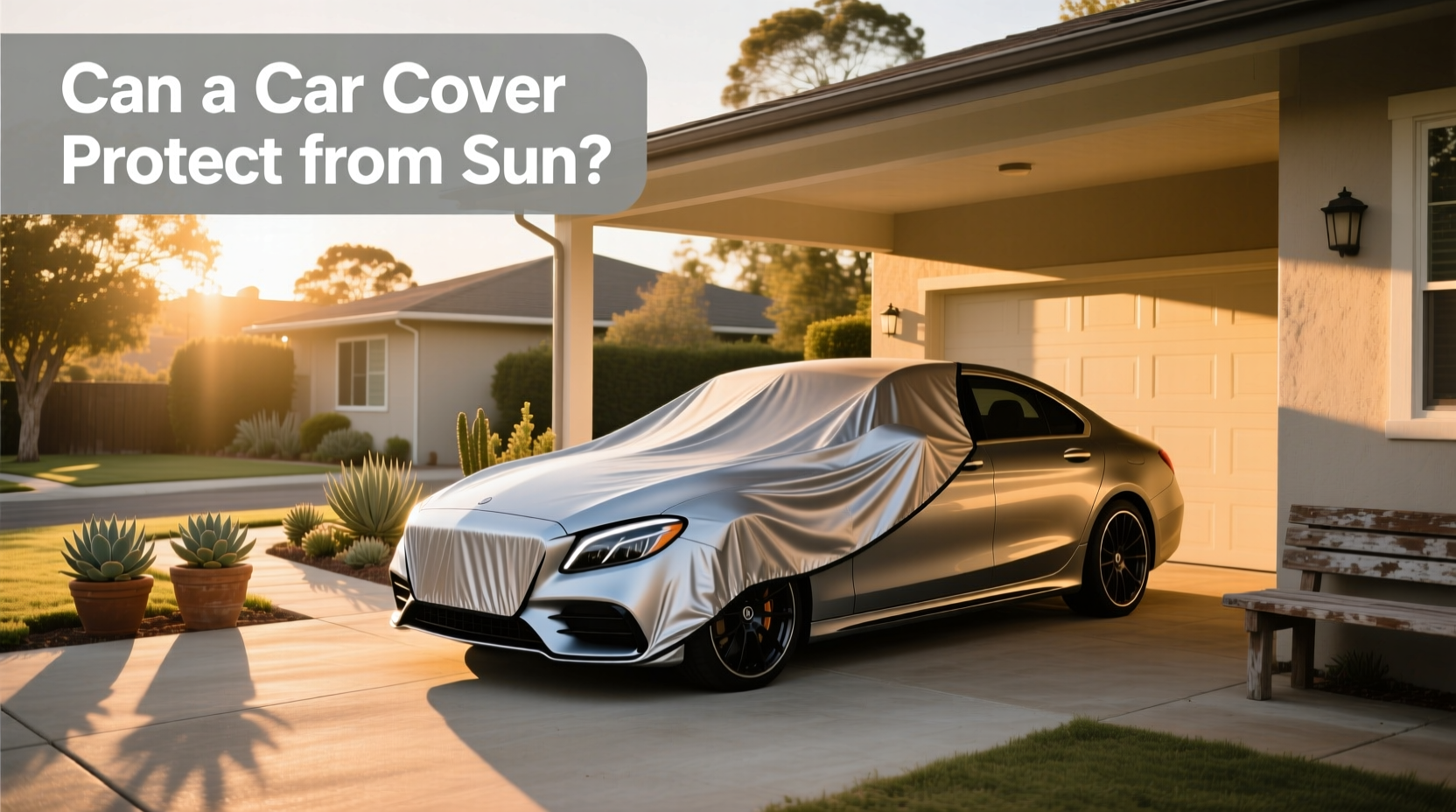
If you're wondering how to choose a sun proof car cover or asking can a car cover protect from sun?, the answer is yes — but only if it's designed for UV resistance and used correctly. A high-quality sun proof car cover can significantly reduce paint fading, interior cracking, and heat buildup caused by prolonged sun exposure 1. However, not all covers deliver equal protection. Look for multi-layer, breathable fabrics with UV-blocking properties and a secure fit. Avoid cheap, non-breathable materials that trap moisture or cause micro-scratches in windy conditions. For daily drivers, convenience matters — consider semi-custom fits or quick-deploy designs. For long-term outdoor parking, invest in fully custom, weather-resistant models.
📍 About Sun Proof Car Covers: Definition & Common Use Cases
A sun proof car cover is specifically engineered to shield vehicles from ultraviolet (UV) radiation, extreme heat, and related environmental damage. Unlike basic dust covers, these are constructed with advanced materials that reflect or absorb solar energy while allowing airflow to prevent condensation.
- 🚗 Outdoor Parking Protection: Ideal for homes without garages or driveways exposed to direct sunlight.
- ☀️ Sun-Drenched Climates: Frequently used in regions with intense year-round sun, such as Arizona, Florida, or Mediterranean countries.
- 🧳 Long-Term Storage: Used when storing a vehicle for weeks or months, especially during summer.
- 🚙 Fleet & Classic Cars: Employed by collectors and businesses to preserve resale value and finish quality.
The core function isn’t just shade — it’s about creating a stable micro-environment around the car that minimizes thermal cycling and UV degradation.
📈 Why Sun Proof Car Covers Are Gaining Popularity
Rising temperatures, increased UV index levels, and more frequent heatwaves have made sun damage a top concern for car owners. Consumers are becoming aware that interior temperatures can exceed 160°F (71°C) after hours in direct sun 2, accelerating dashboard cracking and upholstery fading.
Additionally, rising vehicle ownership in sunny regions and longer commutes mean cars spend more time parked outdoors. Social media and automotive forums have amplified real-user testimonials showing preserved interiors and cleaner surfaces under quality covers. This growing awareness has driven demand for smarter, durable solutions beyond temporary sunshades.
🔧 Types and Variants of Sun Proof Car Covers
Different designs suit different needs. Choosing the right type depends on your climate, parking situation, and frequency of use.
Semi-Custom (Universal Fit)
- ✅ Pros: Affordable, widely available, easy to install.
- ❌ Cons: May flap in wind, less precise fit increases risk of abrasion.
Best for occasional use or mild climates.
Fully Custom Fit
- ✅ Pros: Tailored to exact make/model/year, snug fit reduces movement and wear.
- ❌ Cons: Higher cost, longer shipping times, less transferable between vehicles.
Ideal for long-term outdoor storage or high-wind areas.
Indoor vs. Outdoor Rated
- Indoor: Soft inner lining, minimal weather protection — not suitable for sun exposure.
- Outdoor: Multi-layered, UV-stabilized fabric, water-resistant outer shell — recommended for sun protection.
All-Weather with Reflective Layer
- ✅ Pros: Includes aluminum-coated layer to reflect sunlight and reduce heat absorption.
- ❌ Cons: Heavier, may require more careful folding/storage.
Excellent for hot climates where heat reduction is critical.
⚙️ Key Features and Specifications to Evaluate
When evaluating options for a sun proof car cover, focus on measurable performance traits rather than marketing claims.
- ✨ UV Resistance / UPF Rating: Look for labels indicating UV inhibitors or a UPF (Ultraviolet Protection Factor) of 50+. This means over 98% of UV rays are blocked.
- 🧱 Material Composition: Polyester-polypropylene blends offer durability and breathability. Avoid PVC or vinyl unless explicitly rated as breathable.
- 🌬️ Breathability: Ensures moisture escapes, preventing mold and trapped condensation. Check product specs for透气性 (air permeability) ratings if available.
- 💧 Water Resistance: Should repel light rain without trapping humidity inside. Look for hydrophobic coatings or tight weaves.
- 🔗 Secure Fit Mechanisms: Elastic hems, side straps, or undercarriage anchors keep the cover stable in breezy conditions.
- 📏 Layer Count: 2–4 layers typically indicate better insulation and protection. Inner soft fleece prevents scratching.
📋 Pros and Cons: Balanced Assessment
| Pros | Cons |
|---|---|
| ✅ Prevents Paint Fading due to UV exposure 3 | ❗ Inconvenient for Daily Use — adds time to departure routine |
| ✅ Reduces Interior Heat by up to 30–50°F (17–28°C) | ❗ Risk of Micro-Scratches if low-quality or improperly secured 4 |
| ✅ Blocks Dust, Sap, Bird Droppings — reduces cleaning frequency | ❗ Requires Regular Cleaning — dirty covers can scratch paint |
| ✅ Helps Maintain Resale Value through consistent exterior care | ❗ Upfront Cost — quality models range $100–$300+ |
Best suited for: Vehicles parked outdoors long-term, classic cars, hot climates.
Less ideal for: Daily commuters who park in garages or covered lots.
🔍 How to Choose a Sun Proof Car Cover: Step-by-Step Buying Guide
Follow this checklist to avoid common mistakes and select the right cover for sun protection.
- Confirm Your Vehicle Specs: Note make, model, year, and any modifications (e.g., roof rack).
- Determine Usage Frequency: Occasional vs. daily use affects material durability needs.
- Select Fit Type: Prefer custom-fit for stationary vehicles; semi-custom may suffice for short-term.
- Verify Outdoor & UV Rating: Ensure product description specifies UV resistance and outdoor suitability.
- Check Breathability: Search for terms like "air-permeable," "ventilated," or "moisture-wicking."
- Inspect Attachment System: Straps, elastic edges, or grommets improve stability.
- Review Weight & Storage: Lightweight covers are easier to handle; includes storage bag?
Red Flags to Avoid ❗
- Unbranded or no specification of material layers
- No mention of UV protection or breathability
- Poor customer reviews citing paint scratches
- Cover too loose or lacks securing mechanisms
- Price significantly below market average (under $30 for outdoor use)
💰 Price & Market Insights
Pricing varies based on fit, material quality, and brand reputation.
- $30–$70: Universal fit, basic polyester — suitable for light-duty or seasonal use.
- $80–$150: Semi-custom or entry-level custom, 3–4 layers, UV-treated fabric.
- $160–$300+: Premium custom-fit, reflective backing, high breathability, all-weather rating.
Prices may vary by region and retailer. While higher-priced covers often offer better longevity, always compare specifications rather than relying solely on cost. Consider the investment relative to potential repair costs — replacing cracked dashboards or repainting faded panels can cost hundreds or thousands.
📊 Top-Seller & Competitive Analysis
Popular models emphasize fit accuracy, UV blocking, and durability. Below is a comparison of common features across leading categories.
| Feature | Basic Universal | Premium Semi-Custom | Custom All-Weather |
|---|---|---|---|
| Fit Accuracy | Moderate | Good | Excellent |
| UV Protection | Limited | High (UPF 50+) | Very High (Reflective Layer) |
| Breathability | Low | Medium-High | High |
| Wind Resistance | Poor | Fair | Excellent (with straps) |
| Price Range | $30–$70 | $80–$140 | $160–$300+ |
No single model fits all needs. Balance budget with expected usage intensity.
👥 Customer Feedback Synthesis
Analysis of user reviews reveals recurring themes:
Common Praises ✅
- Cooler interiors even after full-day sun exposure
- Noticeably less dust accumulation
- Preserved wax jobs and ceramic coatings
- Effective storm debris protection 1
Common Complaints ❌
- Covers flapping loudly at night or in wind
- Micro-scratches reported with thin, non-lined models
- Difficulty installing alone (especially large SUVs/trucks)
- Moisture trapped underneath in humid climates
Positive outcomes correlate strongly with proper fit and material quality.
🛒 Sourcing & Supplier Tips
Buy from reputable retailers or manufacturers with clear return policies and detailed spec sheets.
- Online Marketplaces: Amazon, Walmart, AutoZone — check verified purchase reviews.
- Specialty Brands: Look for companies specializing in car care or outdoor vehicle protection.
- Custom Makers: Some suppliers offer made-to-order covers using VIN or precise measurements.
For bulk purchases (e.g., fleet managers), contact suppliers directly for quotes. Always inspect upon delivery for defects or incorrect sizing.
🧼 Maintenance, Safety & Legal Considerations
Proper upkeep ensures long-term effectiveness and prevents unintended damage.
- Cleaning: Hand wash or machine wash (cold, gentle cycle) as per instructions. Dry completely before reuse.
- Storage: Keep folded in a dry place; avoid damp basements to prevent mildew.
- Safety: Never drive with the cover on. Remove fully before operating the vehicle.
- Local Regulations: In some municipalities, long-term vehicle covering may be restricted in public spaces — verify local ordinances if parking curbside.
📌 Conclusion: Making the Right Choice
If you park outdoors in a sunny climate and want to protect your car’s paint and interior, a sun proof car cover is a practical investment — provided it's UV-resistant, breathable, and properly fitted. For occasional use, a well-reviewed semi-custom model may suffice. For permanent outdoor parking, especially in hot or humid regions, opt for a fully custom, multi-layer, all-weather design with reflective properties.
Remember: Can a car cover protect from sun? Yes — but only if chosen wisely. Prioritize material science over price, fit over convenience, and long-term preservation over short-term savings.
❓ FAQs
Q: Can I leave a sun proof car cover on during rain?
A: Yes, if it's rated for outdoor and water-resistant use. However, ensure it’s properly secured and check periodically for pooling water.
Q: Do sun proof car covers prevent windshield cracks in heat?
A: They reduce thermal stress by lowering cabin temperature, which may help prevent existing chips from spreading, but won’t eliminate risk entirely.
Q: How often should I clean my car cover?
A: Clean every 4–6 weeks with moderate use, or immediately if visibly dirty. Trapped debris can scratch paint during installation/removal.
Q: Are reflective car covers worth it?
A: In extremely hot climates, yes. The aluminum layer reflects sunlight and can reduce interior heat by 30°F+ compared to standard covers.
Q: Can a car cover cause paint damage?
A: Yes, if it’s low-quality, dirty, or poorly secured. Wind-driven movement turns abrasive particles into sandpaper. Always use soft-lined, breathable models.




 浙公网安备
33010002000092号
 浙B2-20120091-4