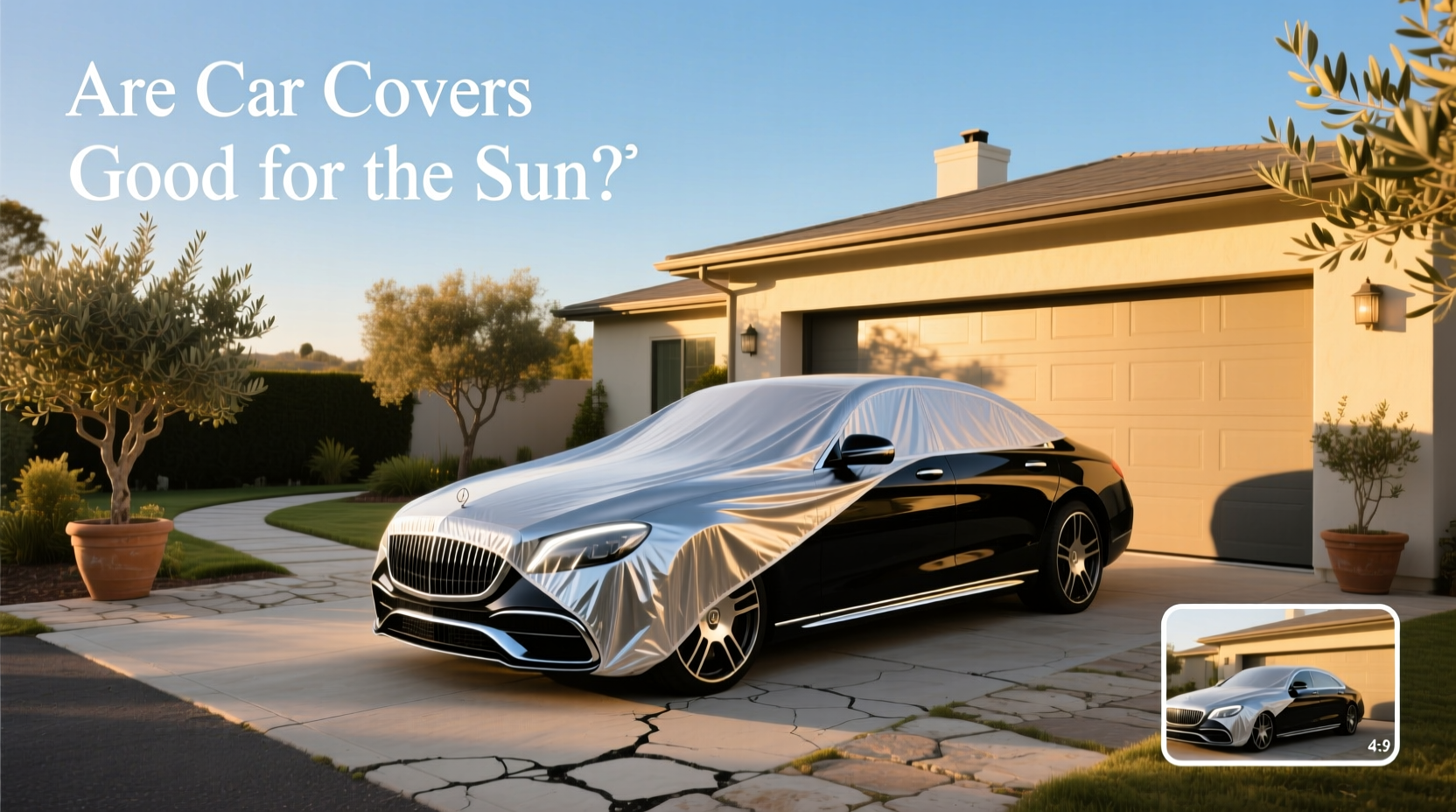
Short Introduction: What to Look for in a Sunshine Car Cover
If you're wondering are car covers good for the sun?, the answer is yes—when chosen and used correctly. A high-quality sunshine car cover can significantly reduce UV exposure, prevent paint fading, and lower interior temperatures caused by prolonged sunlight. When learning how to choose a sunshine car cover, prioritize three factors: UV-resistant material, a custom-fit design, and breathability to avoid moisture buildup. Avoid non-breathable plastic covers—they may trap condensation and cause rust. For vehicles parked outdoors frequently, especially in hot or sunny climates, a multi-layered, breathable, and snug-fitting cover offers the best protection. This guide covers everything from material types to fit options, helping you make an informed decision based on your environment, usage pattern, and vehicle type.
About Sunshine Car Covers: Definition and Common Use Cases
A sunshine car cover is specifically designed to shield vehicles from prolonged exposure to sunlight and its damaging ultraviolet (UV) rays. Unlike all-weather or indoor-only models, these covers emphasize UV resistance, heat reflection, and breathability to protect both exterior paint and interior components like dashboards and upholstery 1.
✅ ✨ Primary use cases include:
- Vehicles stored outdoors for extended periods
- Cars parked in regions with intense sunlight (e.g., desert or coastal areas)
- Showroom or collector vehicles needing long-term preservation
- Daily drivers left in parking lots without shade
These covers act as a physical barrier, blocking up to 99% of UV radiation depending on material quality. While they are not a substitute for garage storage, they offer a cost-effective alternative for sun protection when shelter isn’t available.
Why Sunshine Car Covers Are Gaining Popularity
Rising awareness about UV damage and increasing temperatures due to climate change have driven demand for effective sun protection solutions. Many car owners now recognize that continuous sun exposure accelerates paint oxidation, causes dashboard cracking, and fades upholstery colors 2.
⚡ 📈 Key motivators behind adoption:
- Preserving resale value by minimizing cosmetic wear
- Reducing cabin heat, improving comfort upon entry
- Avoiding frequent detailing and waxing costs
- Protecting classic or leased vehicles under warranty conditions
This growing interest has led to innovations in fabric technology, including reflective coatings and advanced weave structures that enhance durability and thermal management.
Types and Variants of Sunshine Car Covers
Not all car covers provide equal sun protection. The right type depends on your environment, budget, and frequency of use.
1. Custom-Fit Covers
Tailored to specific makes and models, these offer the tightest fit.
- ✅ Pros: Snug fit prevents flapping, maximizes UV and dust protection, includes mirror pockets
- ❌ Cons: Higher cost, limited transferability between vehicles
2. Semi-Custom (Universal Fit) Covers
Adjustable elastic hems allow some contouring but aren’t model-specific.
- ✅ Pros: More affordable, fits a range of vehicle sizes
- ❌ Cons: May shift in wind, less precise coverage, higher risk of abrasion
3. Indoor vs. Outdoor Covers
Outdoor versions are built for UV resistance and weather durability.
- ✅ Outdoor: Multi-layered, UV-stabilized fabrics, water-resistant yet breathable
- ❌ Indoor: Softer inner lining but lacks weatherproofing—unsuitable for sun exposure
Key Features and Specifications to Evaluate
When assessing a sunshine car cover, focus on measurable performance traits rather than marketing claims.
✅ Material Composition
Look for:
• Polyester with PU coating – balances durability and breathability
• Non-woven polypropylene – lightweight and UV resistant
• Canvas blends – highly durable but heavier
Avoid 100% vinyl or PVC unless labeled breathable.
✅ UV Resistance Rating
Check if the manufacturer specifies UV blockage percentage (e.g., “blocks 98% of UV rays”). Some fabrics include UV inhibitors embedded in fibers.
✅ Breathability
Essential for preventing trapped moisture. Opt for microporous membranes or layered weaves that allow vapor escape while repelling liquid water.
✅ Fit and Security Features
Custom patterns with elastic hemming, side mirrors pockets, and antenna grommets ensure secure placement and reduce movement-related micro-scratches.
✅ Heat Reflectivity
Some premium covers feature silver-coated exteriors to reflect solar radiation, reducing internal temperature by up to 30°F (17°C).
Pros and Cons: Balanced Assessment
| Feature | Benefit | Drawback |
|---|---|---|
| UV Protection | Prevents paint fading and interior material degradation | None if properly selected |
| Heat Reduction | Lowers cabin temperature, protects electronics and plastics | Less effective in enclosed spaces with poor airflow |
| Paint Preservation | Reduces need for polishing and waxing | Risk of micro-scratches if dirty or loose-fitting |
| Maintenance Ease | Fewer washes needed; keeps dust and bird droppings off | Requires regular cleaning of the cover itself |
| Moisture Management | Breathable designs prevent condensation and rust | Non-breathable types can trap moisture and damage finish |
Best suited for: Long-term outdoor parking, sunny climates, older or collectible vehicles.
Less ideal for: Daily drivers in rainy/humid zones without proper drying routines.
How to Choose a Sunshine Car Cover: Step-by-Step Buying Guide
Follow this checklist to select the right product for your needs:
- Identify Your Use Case: Is it daily use or seasonal storage? Will it be exposed to rain or just sun?
- Select Fit Type: Prefer custom-fit for maximum protection; semi-custom only if budget-constrained.
- Verify Material Specs: Confirm UV resistance and breathability through product details—not just brand reputation.
- Check Dimension Accuracy
- Inspect Interior Lining: Soft fleece or non-abrasive layer prevents scratches.
- Review Warranty & Return Policy: Reputable brands often offer 1–5 year warranties.
🚩 Red Flags to Avoid
- ❌ No mention of breathability or UV protection in specs
- ❌ Extremely low price (<$30) suggesting thin, non-durable fabric
- ❌ One-size-fits-all claims without adjustment mechanisms
- ❌ Customer reviews reporting rapid deterioration or scratching
Price & Market Insights
Pricing varies widely based on fit, material, and brand reputation.
- $20–$50: Basic universal covers; limited UV protection, shorter lifespan
- $60–$120: Mid-tier custom-fit models; good UV resistance and breathability
- $130+: Premium multi-layer outdoor covers with reflective tech and extended warranties
💡 📊 Value tip: Investing in a $90–$110 custom-fit cover often provides the best balance of longevity and protection for most users. Prices may vary by region and retailer, so compare specifications—not just price.
Top-Seller & Competitive Analysis
While no single brand dominates globally, several models consistently receive positive feedback for sun protection performance.
| Model Type | Fabric | UV Protection | Breathable | Avg. Price |
|---|---|---|---|---|
| Custom Outdoor Cover | Polyester + PU Coating | High (98%) | Yes | $95 |
| Semi-Custom Universal | Polypropylene Blend | Moderate (85%) | Limited | $45 |
| Premium Reflective Cover | Multi-Layer w/ Aluminum Coating | Very High (99%) | Yes | $140 |
Note: Performance may vary by vehicle size and climate. Always verify current specs with the manufacturer.
Customer Feedback Synthesis
Analyzing hundreds of verified buyer reviews reveals consistent themes:
👍 Frequently Praised
- Noticeable reduction in dashboard temperature
- Improved paint shine retention over time
- Easy installation once familiar with the process
- Durability of mid-to-high-end custom models (lasting 3+ years)
👎 Common Complaints
- Covers flapping in wind causing noise or loosening
- Scratches reported with dusty or improperly secured covers
- Mold/mildew development when used in humid environments without drying
- Poor fit on universal models leading to edge lifting
Sourcing & Supplier Tips
Whether buying retail or sourcing in bulk, consider the following:
- 🛒 Retail Buyers: Purchase from sellers offering detailed spec sheets and clear return policies. Amazon, auto specialty stores, and direct-from-manufacturer sites are common sources.
- 👥 Bulk Purchasers: Contact manufacturers directly for wholesale pricing. Request fabric samples before large orders.
- 🚚 Shipping & Storage: Ensure packaging protects against compression damage. Store unused covers in dry, shaded areas.
- 🔧 Inspection: Check stitching quality, seam sealing, and lining texture upon delivery.
Always confirm compatibility with your exact vehicle model using VIN-based lookup tools when available.
Maintenance, Safety & Legal Considerations
Proper care extends life and ensures continued protection.
🧼 Maintenance Tips
- Clean the cover every 4–6 weeks with mild soap and water
- Allow full drying before reapplying to the car
- Store folded in a cool, dry place when not in use
⚠️ Safety Notes
- Never drive with the cover on—it obstructs visibility and damages the vehicle
- Remove promptly after rain to prevent moisture accumulation underneath
- Ensure secure fastening to avoid becoming a projectile in high winds
No major legal restrictions exist for personal use, but local ordinances may regulate outdoor vehicle storage. Verify compliance if used in shared or HOA-managed communities.
Conclusion: Making the Right Choice
In summary, a well-chosen sunshine car cover is an effective tool for protecting your vehicle from solar damage. If you park outdoors regularly or live in a high-sunlight area, investing in a custom-fit, breathable, UV-resistant cover is strongly recommended. Prioritize material quality and fit over price alone. Avoid non-breathable or loose-fitting models, especially in humid climates. For optimal results, always apply the cover to a clean, dry vehicle and inspect it periodically for wear. By following this guide, you can extend your car’s appearance and functionality while avoiding common pitfalls associated with improper selection or use.
FAQs
❓ Can a car cover prevent paint fading from the sun?
Yes, a high-quality UV-resistant car cover can significantly reduce paint fading by blocking harmful ultraviolet rays. Effectiveness depends on material quality and consistent use.
❓ Should I use a car cover every day?
It's safe to use daily, but only if the car and cover are clean and dry. Frequent use increases wear on both the cover and paint if debris is trapped underneath.
❓ Do sun protection car covers work in hot climates?
Yes, especially those with reflective outer layers. They reduce surface and cabin temperatures, helping preserve interior materials in hot, sunny environments.
❓ How do I stop my car cover from blowing away?
Choose a snug custom fit with elastic hems. Some users add a secondary strap system, but ensure it doesn’t create pressure points on the paint.
❓ Can a car cover cause damage?
Potentially, if used incorrectly. Dirt trapped under a moving cover can cause micro-scratches, and non-breathable materials may trap moisture leading to rust or mold.




 浙公网安备
33010002000092号
 浙B2-20120091-4