When choosing a sunroof deflector, prioritize fitment type—custom in-channel models offer a seamless look and secure attachment, while tape-on versions provide easy installation and removal for renters or temporary use. Understanding how to choose sunroof deflector,What does a sunroof deflector do? begins with matching the design to your vehicle’s sunroof configuration and driving habits. Key factors include material durability (polycarbonate vs. acrylic), UV resistance, aerodynamic efficiency, and whether the model allows partial ventilation during rain. Avoid universal-fit deflectors if precise alignment matters, and always verify compatibility using your VIN or manufacturer specs before purchase.
About Sunroof Deflector, What Does a Sunroof Deflector Do?
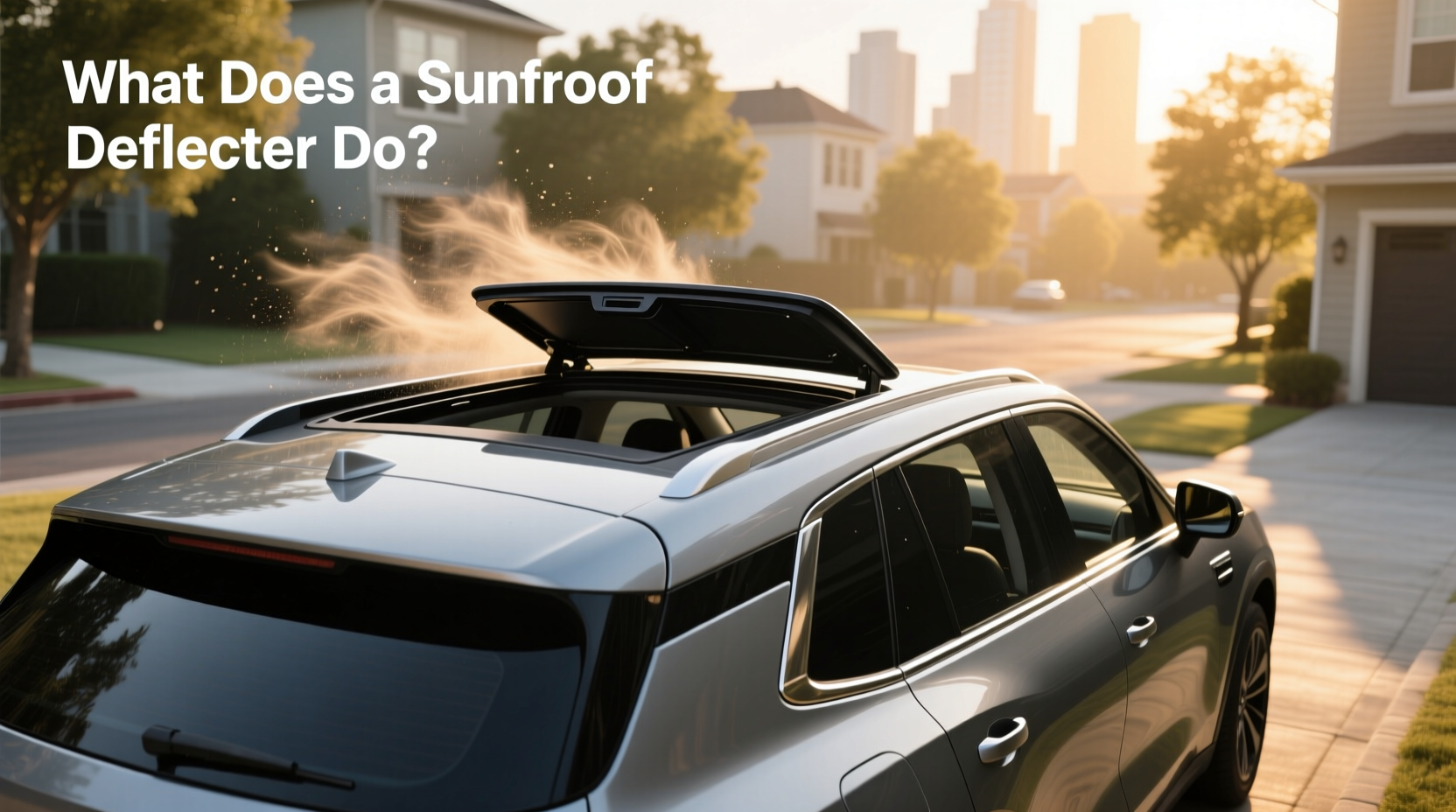
A sunroof deflector, also known as a wind deflector, wind guard, or wind visor, is an exterior automotive accessory mounted around the sunroof opening 1. Its primary role is to redirect airflow over the sunroof when open, minimizing cabin turbulence and noise. This improves interior comfort by reducing wind buffeting at highway speeds, which can otherwise make conversation difficult and increase driver fatigue.
Beyond noise reduction, these accessories serve multiple practical purposes. They act as a barrier against environmental elements such as rain, snow, dust, and flying debris 2. For example, drivers can crack open their sunroof during light rain to ventilate the cabin without water entering the vehicle. Similarly, they help keep insects and road grime out of the interior during long drives.
Sunroof deflectors are commonly used in regions with variable weather or among drivers who frequently use their sunroofs for natural ventilation. They’re especially popular in convertibles, sedans, and SUVs equipped with panoramic or dual-pane sunroofs where airflow management becomes more complex.
Why Sunroof Deflector, What Does a Sunroof Deflector Do? Is Gaining Popularity
The growing popularity of sunroof deflectors reflects broader trends in vehicle customization and occupant comfort. As more vehicles come standard with large glass roofs, owners seek ways to enhance usability without compromising on quietness or protection from the elements.
One key driver is the desire for improved aerodynamics. Open sunroofs create drag and pressure fluctuations that affect fuel economy slightly and generate loud wind roar 1. A properly installed deflector channels air smoothly over the roofline, reducing this effect. Some users report noticeable improvements in cabin quietness and even slight gains in highway fuel efficiency.
Additionally, modern lifestyles emphasize wellness and connection to the environment. Drivers prefer fresh air circulation over constant AC use, particularly in mild climates. Sunroof deflectors enable safer, quieter ventilation, supporting this preference without exposing passengers to direct wind blasts or precipitation.
Types and Variants
Different sunroof deflector designs cater to various installation preferences, vehicle types, and budgets. Below is a breakdown of the main categories:
🛒 In-Channel Deflectors
These are inserted into the existing track or channel of the sunroof mechanism itself. They’re typically custom-fit for specific makes and models.
- Pros: Clean, factory-like appearance; no visible adhesive; secure fit
- Cons: Requires precise measurement; may need professional installation; not suitable for all sunroof types
📍 Tape-On Deflectors
Attached using strong double-sided 3M tape on the outer edge of the sunroof frame. Often sold as universal-fit kits.
- Pros: Easy DIY installation; removable without residue (if applied correctly); affordable
- Cons: Risk of peeling over time; less aerodynamic precision; may interfere with automatic closing
🔧 Custom-Fit Models (Brand-Specific)
Designed for exact vehicle compatibility, often using proprietary mounting systems like clips or brackets (e.g., WeatherTech MagiClip™).
- Pros: Perfect alignment; durable attachment; high-quality materials
- Cons: Higher cost; limited availability per model year
Key Features and Specifications to Evaluate
To make an informed decision about what to look for in sunroof deflector,What does a sunroof deflector do?, consider these technical and functional attributes:
✅ Material Composition
Most deflectors are made from acrylic or polycarbonate. Polycarbonate is more impact-resistant and flexible, making it better suited for harsh conditions. Acrylic offers clarity and scratch resistance but may crack under extreme stress 3.
✨ UV Resistance & Durability
Prolonged sun exposure can yellow or degrade plastic components. Look for UV-stabilized models that maintain transparency and structural integrity over years.
⚙️ Aerodynamic Design
The shape and angle determine how effectively airflow is redirected. Curved or sloped profiles generally perform better than flat ones.
🔍 Vehicle Compatibility
Verify fit using your vehicle’s make, model, year, and sunroof type (pop-up, sliding, panoramic). Some manufacturers require VIN-based lookup tools.
🧼 Ease of Cleaning
Smooth surfaces resist dirt buildup and are easier to wipe clean. Textured finishes may hide scratches but trap grime.
Pros and Cons
- Reduces wind noise significantly when sunroof is open
- Allows safe ventilation during light rain
- Blocks dust, bugs, and debris
- Improves aerodynamics and potentially fuel efficiency
- Adds subtle aesthetic enhancement
- May rattle if improperly installed
- Can interfere with automatic sunroof closure sensors
- Not effective in heavy rain or strong crosswinds
- Universal fits may lack precision and durability
- Additional maintenance required in winter (ice accumulation)
How to Choose Sunroof Deflector, What Does a Sunroof Deflector Do?
Follow this step-by-step guide to ensure you select the right product based on your needs:
- Identify Your Sunroof Type: Determine whether it's a pop-up, inline sliding, or panoramic system. Measure dimensions if needed.
- Decide on Installation Preference: Prefer permanent integration? Go for in-channel or clip-in. Need removability? Choose tape-on.
- Check Compatibility Tools: Use manufacturer websites with VIN lookup or model-specific databases.
- Evaluate Climate Needs: If you drive in rainy or dusty areas, prioritize sealed edges and robust materials.
- Review Real User Feedback: Focus on comments about noise reduction, fit accuracy, and longevity.
🚩 Red Flags to Avoid
- Products without clear fitment data
- Unbranded universal kits with no UV protection claims
- Adhesives not rated for automotive exterior use
- Deflectors that extend too far above the roofline (risk damage in car washes)
Price & Market Insights
Prices vary widely depending on type and brand:
- Tape-on (universal): $15–$35
- In-channel (semi-custom): $40–$70
- Custom-fit (brand-specific): $70–$120+
Higher prices usually reflect better engineering, material quality, and precise fit. However, value isn’t always tied to cost—some mid-range options perform well. Consider total ownership cost, including expected lifespan and potential reinstallation needs.
Top-Seller & Competitive Analysis
Popular brands include WeatherTech, Husky Liners, and AVS. While no single model dominates all segments, certain patterns emerge in performance and reliability.
| Model | Type | Material | Approx. Price | User Rating |
|---|---|---|---|---|
| WeatherTech Sunroof Deflector | Custom-fit (MagiClip) | Polycarbonate | $90 | 4.7/5 |
| Husky Liners In-Channel Visor | In-Channel | Acrylic | $55 | 4.5/5 |
| AVS Universal Tape-On | Tape-On | Acrylic | $25 | 3.8/5 |
Note: Ratings based on aggregated e-commerce reviews. Performance may vary by vehicle and climate.
Customer Feedback Synthesis
Analysis of buyer reviews reveals consistent themes:
✅ Frequent Praise
- "Dramatically reduced wind noise at 65+ mph"
- "Kept rain out while allowing fresh air"
- "Easy to install and looks factory-made"
❗ Common Complaints
- "Adhesive failed after six months in hot climate"
- "Interfered with auto-close function"
- "Didn’t fit perfectly despite being listed as compatible"
Sourcing & Supplier Tips
Purchase from reputable retailers offering return policies and fitment guarantees. Online marketplaces like Amazon or brand-direct sites often provide detailed compatibility filters. For bulk purchases (e.g., fleet vehicles), contact distributors directly for volume pricing.
When sourcing internationally, confirm shipping costs and import duties. Always inspect upon delivery for warping or defects. Test adhesion in a small area first if installing tape-on models.
Maintenance, Safety & Legal Considerations
Clean deflectors monthly with mild soap and water. Avoid abrasive cleaners that can scratch surfaces. In winter, remove ice gently—do not pry—to prevent cracking.
Safety-wise, ensure the deflector doesn’t obstruct sunroof operation or sensor functions. It should not become a projectile in a collision, so proper installation is critical.
No major federal regulations govern sunroof deflectors in the U.S., but local laws may restrict modifications affecting visibility or protrusions. Verify compliance through your state DMV or transport authority if uncertain.
Conclusion
Choosing the right sunroof deflector depends on your vehicle, usage pattern, and priorities. If you want a seamless, durable solution and own your car long-term, invest in a custom-fit or in-channel model. Renters or those testing the concept should try a removable tape-on version first. Always verify compatibility, check material quality, and avoid products lacking verified fit data. With the correct selection, a sunroof deflector enhances comfort, protects your cabin, and extends the enjoyment of open-air driving.
FAQs
❓ Can I install a sunroof deflector myself?
Yes, most tape-on and many in-channel models are designed for DIY installation. Follow cleaning and alignment instructions carefully for best results.
❓ Will a sunroof deflector damage my paint?
No, if installed correctly. High-quality adhesive tapes are paint-safe, and in-channel types don’t contact painted surfaces.
❓ Do sunroof deflectors work in heavy rain?
They are effective in light to moderate rain when the sunroof is slightly open. In heavy downpours, full closure is still recommended.
❓ Are there any legal restrictions on sunroof deflectors?
Generally no, but some jurisdictions regulate exterior modifications. Check local vehicle codes to confirm compliance.
❓ How long do sunroof deflectors last?
With UV-resistant materials and proper care, most last 5–10 years. Adhesives on tape-on models may degrade faster in extreme climates.




 浙公网安备
33010002000092号
 浙B2-20120091-4