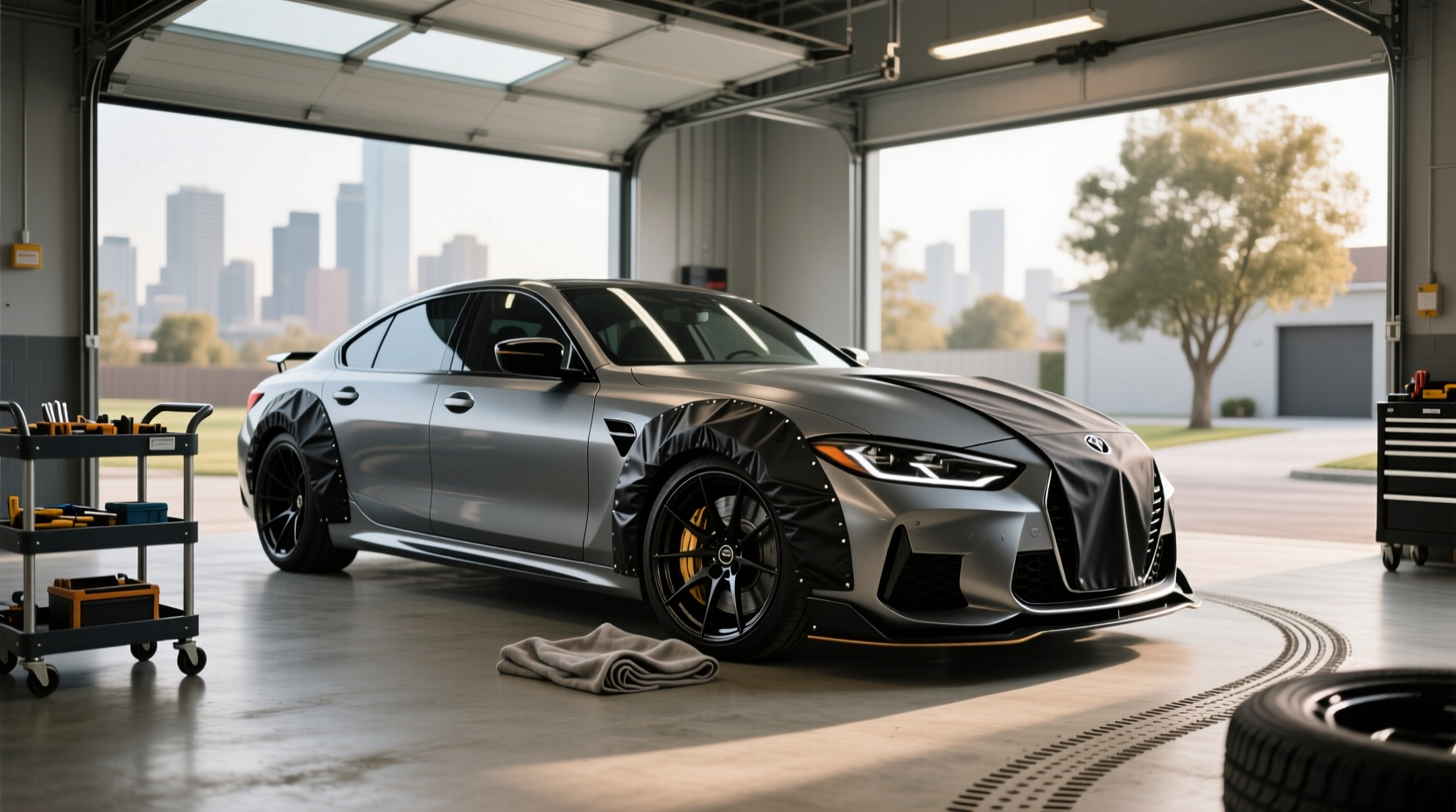
Wheel Rim Protector: How to Choose & Do They Work?
If you're asking how to choose a wheel rim protector or wondering do wheel rim protectors work?, here's what matters most: your driving environment, wheel value, and damage tolerance. For city drivers prone to curb scrapes, stick-on rubber strips or bead-fit inserts offer cost-effective protection against minor scuffs 5. Off-road users should consider bolt-on guards or beadlock rings for structural defense 1. Avoid adhesive models with poor fit—loose protectors can damage bodywork 2. Prioritize compatibility, installation method, and material durability when evaluating options in a wheel rim protector buying guide.
About Wheel Rim Protectors: Do They Work?
⭐ A wheel rim protector is a device designed to shield the outer edge of a vehicle’s wheel from damage, particularly kerb rash and surface abrasions. These accessories are commonly used on alloy wheels, which are more susceptible to cosmetic and structural damage than steel rims. The core function is to act as a sacrificial barrier between the wheel and common road hazards like curbs, debris, and tight parking spaces.
The question "Do wheel rim protectors work?" has a nuanced answer. Yes, they are effective at preventing light scrapes and daily wear, especially when the tyre contacts the curb at a shallow angle during low-speed maneuvers 4. However, they do not prevent damage from high-impact events such as deep potholes or aggressive curb strikes. Their performance depends heavily on the type, material, and correct installation.
Why Wheel Rim Protectors Are Gaining Popularity
📍 Increasing use of large-diameter alloy wheels in modern vehicles has made rim protection more relevant. These stylish rims often have exposed edges that are vulnerable to scratches. Additionally, urban driving with tight parking and narrow streets raises the risk of accidental contact with curbs. As wheel refurbishment costs can exceed $150 per wheel, many owners seek preventative solutions.
Insurance typically doesn’t cover kerb damage, making rim protectors an attractive DIY safeguard. Enthusiasts restoring classic cars or investing in custom wheels also use them to preserve value. Off-road drivers adopt heavy-duty variants to survive rugged terrain. This blend of aesthetic preservation, cost avoidance, and functional durability drives growing interest in products featured in any comprehensive wheel rim protector, do they work? review.
Types and Variants
🔧 There are several types of rim protectors, each suited to different needs and installation capabilities:
- 🛒 Stick-On Strips (Rubber or Urethane): Applied with adhesive backing directly onto the wheel lip. Easy for home installation but may peel over time due to heat and moisture exposure 9. Best for occasional urban use.
- ⚙️ Bead-Fit Inserts: Placed between the tyre bead and rim during mounting. Require professional installation but offer secure, invisible protection. Highly effective for daily drivers and those with expensive wheels 1.
- ✨ Integrated Tyre Lips: Some premium tyres include reinforced sidewall sections that extend slightly beyond the rim. Offer minimal protection and are not replaceable independently 10.
- 🧰 Bolt-On Guards: Metal shields attached via screws or clamps. Used primarily in off-road applications where extreme impacts are expected 1.
- 🏭 Beadlock Rings: Heavy-duty systems that lock the tyre bead to the rim, preventing slippage and adding impact resistance. Common in motorsports and serious off-roading 1.
Key Features and Specifications to Evaluate
🔍 When assessing what to look for in a wheel rim protector, focus on these criteria:
- Material: Rubber offers flexibility and shock absorption but degrades faster. Aluminum alloy resists deep gouges and lasts longer but transfers more impact force 6.
- Durability: Rubber lasts 2–3 years; aluminum can exceed five with proper care.
- Fitment: Must match wheel diameter, width, and profile. Check manufacturer specs before purchase.
- Installation: Stick-on models are DIY-friendly; bead-fit and bolt-on require professional help.
- Aesthetics: Some users find bright-colored or bulky protectors visually unappealing on high-end wheels 11.
- Maintenance: Clean regularly to prevent dirt buildup, which may trap moisture and lead to corrosion under the lacquer 5.
Pros and Cons
| Aspect | Pros ✅ | Cons ❗ |
|---|---|---|
| Damage Prevention | Effective against light kerb scrapes and road debris | Ineffective against severe impacts or deep potholes |
| Cost Savings | Reduces need for frequent wheel refurbishments | High-end models can cost nearly as much as a single repair |
| Installation | Rubber strips easy to apply at home | Bead-fit and bolt-on types require professional setup |
| Durability | Aluminum versions last 5+ years | Rubber dries out and cracks over time |
| Aesthetics | Custom colors available (especially aluminum) | May detract from original wheel design |
How to Choose a Wheel Rim Protector: Step-by-Step Guide
📋 Follow this decision framework to make an informed choice:
- Assess Your Driving Habits: City commuters benefit from stick-on or bead-fit models. Off-road drivers need bolt-on or beadlock systems.
- Evaluate Wheel Value: If your wheels are new, custom, or recently refurbished, invest in higher protection levels.
- Check Compatibility: Confirm the protector fits your wheel size and tyre type. Bead-fit models may not work with all combinations 5.
- Select Material Based on Priority: Choose rubber for budget and comfort; aluminum for longevity and hardness.
- Avoid Poorly Fitted Adhesives: Low-quality stick-on strips can detach while driving, risking damage to fenders or other components 2.
- Consider Professional Installation: For bead-fit or bolt-on types, factor in labor costs and ensure proper torque settings.
Price & Market Insights
💰 Prices vary significantly by type and material:
- Rubber stick-on strips: $15–$30 per set
- Aluminum alloy strips: $50–$100 per set
- Bead-fit inserts: $80–$150 (plus installation)
- Bolt-on guards: $100–$300+
- Beadlock rings: $300–$800+ (professional fitment essential)
Prices may differ by region and retailer. While aluminum offers better durability, it’s not always cost-effective for short-term ownership. For most daily drivers, mid-range rubber or entry-level aluminum provides the best balance. Always verify return policies and warranty terms before purchasing.
Top-Seller & Competitive Analysis
📊 Below is a comparison of common rim protector types based on key metrics:
| Type | Protection Level | Installation | Lifespan | Best For |
|---|---|---|---|---|
| Stick-On Rubber | Moderate | DIY (Adhesive) | 2–3 years | Urban drivers, budget users |
| Stick-On Aluminum | High | Moderate (Trimming often needed) | 5+ years | Style-focused owners |
| Bead-Fit Insert | High | Professional | 5+ years | Premium wheel owners |
| Bolt-On Guard | Very High | Professional | 5+ years | Off-road vehicles |
| Beadlock Ring | Maximum | Professional | Long-term | Racing, extreme off-road |
Customer Feedback Synthesis
👥 Analysis of user reviews reveals consistent themes:
- Positive Feedback: Many praise bead-fit and aluminum models for preventing visible kerb marks. Users appreciate the peace of mind when parking tightly.
- Common Complaints: Adhesive failure in rubber strips is frequently reported, especially after winter or car washes. Some note that protectors trap grime, requiring extra cleaning.
- Aesthetic Concerns: Several reviewers mention that brightly colored or thick protectors look cheap on luxury vehicles.
- Installation Issues: DIY attempts on rigid materials sometimes result in misalignment or air leaks (for bead-fit types).
Sourcing & Supplier Tips
🌐 Purchase from reputable auto parts suppliers or specialized wheel shops. Online marketplaces offer variety but vary in quality control. For bulk purchases (e.g., fleet vehicles), consider direct manufacturers with OEM certifications. Always inspect packaging for damage and verify contents against specifications. Test adhesive strength if applicable. When sourcing internationally, confirm voltage or sizing standards aren’t mismatched (though less relevant for mechanical parts).
Maintenance, Safety & Legal Considerations
🧼 Regular cleaning prevents dirt accumulation under the protector, reducing corrosion risk. Inspect monthly for looseness, especially after tire rotations or impacts. Loose components can become projectiles—this is a critical safety concern 2.
No universal legal restrictions exist, but some racing organizations prohibit non-standard modifications. Always check local regulations or competition rules if modifying for performance use. Ensure no interference with brake components or suspension travel.
Conclusion: Who Should Buy One?
📌 The decision hinges on your specific situation:
- If you park in tight urban spaces → Consider stick-on rubber or bead-fit inserts.
- If you own high-value or restored wheels → Invest in durable aluminum or professional bead-fit systems.
- If you drive off-road frequently → Bolt-on guards or beadlock rings are worth the cost.
- If you drive carefully and avoid curbs → You may not need one at all.
In summary, wheel rim protectors can work well when matched to the right use case. They are not a substitute for attentive driving but serve as a practical layer of defense. Use this wheel rim protector buying guide to align product features with your real-world needs.




 浙公网安备
33010002000092号
 浙B2-20120091-4