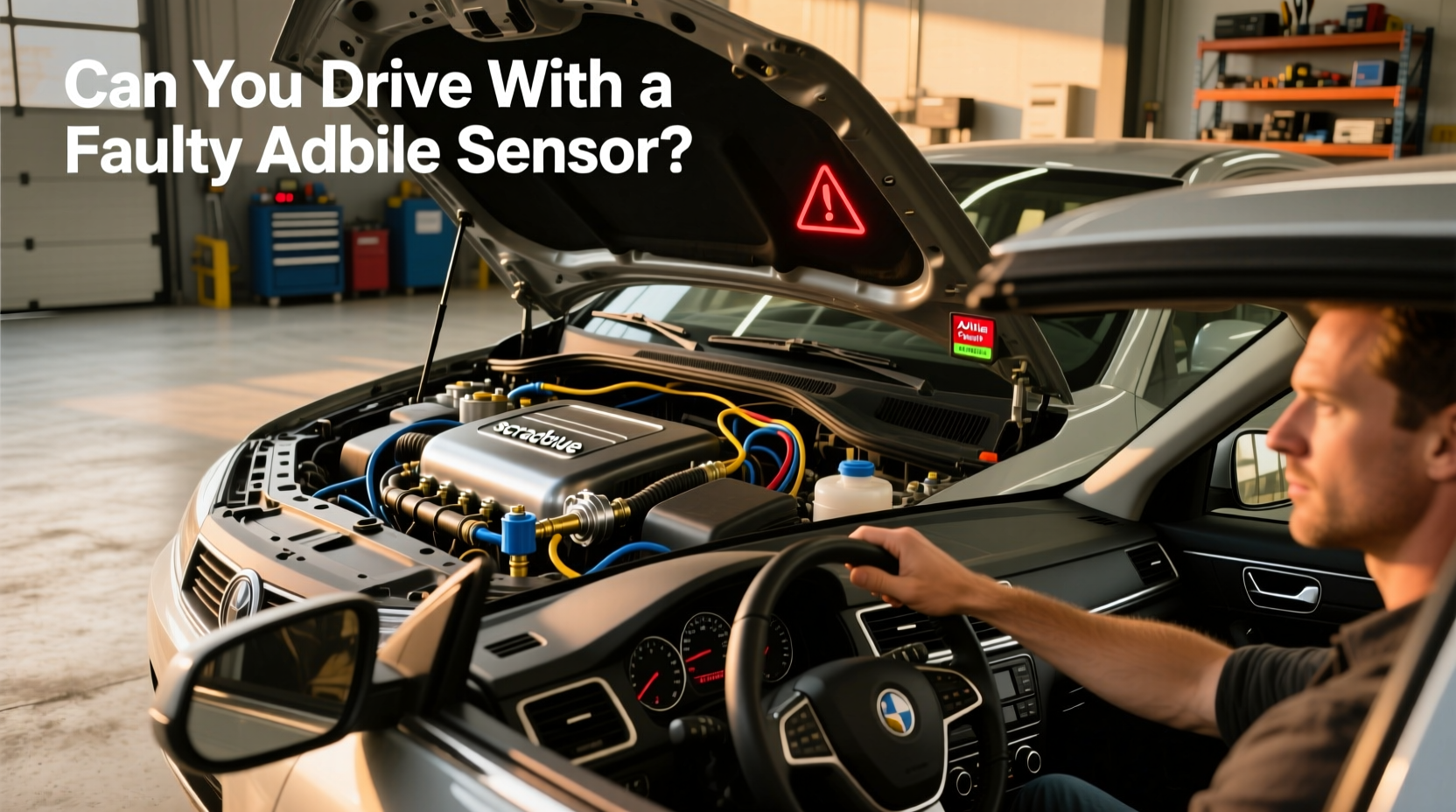
🛒 How to choose scr adblue sensor,Can you drive with a faulty AdBlue sensor?: No, driving with a faulty AdBlue sensor is not recommended. While your vehicle may still run temporarily, modern diesel engines use this sensor to monitor emissions compliance. A malfunction can trigger limp mode, prevent engine restart, or damage the SCR catalyst 1. When choosing a replacement, prioritize OEM compatibility, ISO 22241 compliance, and diagnostic reset capability. Avoid aftermarket sensors without proper calibration data—they may cause false readings or system errors.
Short Introduction
Selective Catalytic Reduction (SCR) systems rely on precise monitoring of Diesel Exhaust Fluid (AdBlue) levels to meet global emissions standards like Euro 6. The AdBlue level sensor plays a critical role in this process by communicating fluid status to the Powertrain Control Module (PCM). If the sensor fails, the system cannot accurately determine whether there’s enough DEF to reduce nitrogen oxides (NOx), leading to potential non-compliance. So, can you drive with a faulty AdBlue sensor? Technically, yes—for a short time—but doing so risks progressive restrictions including reduced engine power, failure to start, and long-term SCR system damage 2. This guide will help you understand how to choose scr adblue sensor,Can you drive with a faulty AdBlue sensor?, evaluate key specifications, avoid common pitfalls, and make informed decisions based on reliability, compatibility, and regulatory compliance.
About scr adblue sensor,Can you drive with a faulty AdBlue sensor?
⚙️ The AdBlue sensor is typically an ultrasonic or resistive device located inside or near the AdBlue tank that measures fluid level and sends real-time data to the vehicle’s electronic control unit. It ensures the SCR system has sufficient DEF to convert harmful NOx emissions into nitrogen and water vapor during exhaust treatment 3.
📍 Common usage scenarios include:
- Diesel passenger cars and light commercial vehicles (e.g., VW, Mercedes-Benz, Peugeot)
- Heavy-duty trucks and buses complying with Euro 6 or EPA Tier 4 standards
- Fleets operating in urban zones with low-emission requirements
❓ The central question—Can you drive with a faulty AdBlue sensor?—arises when drivers notice persistent warnings despite refilling the tank. In such cases, the sensor may be sending incorrect signals, causing the PCM to assume low fluid levels even when full.
Why scr adblue sensor,Can you drive with a faulty AdBlue sensor? is gaining popularity
🌍 Stricter emissions regulations across Europe, North America, and Asia-Pacific regions have made SCR technology standard in most new diesel vehicles since 2016. As these vehicles age, component wear increases—especially in harsh climates where AdBlue crystallization can damage sensors 4.
📈 Growing search volume around “how to choose scr adblue sensor,Can you drive with a faulty AdBlue sensor?” reflects rising owner concerns about repair costs, immobilization risks, and environmental compliance. Fleets are particularly interested in reliable replacements to minimize downtime.
Types and variants
🔧 There are two primary types of AdBlue level sensors used in modern vehicles:
1. Ultrasonic Sensors ✅
These use sound waves to detect the distance between the sensor and the fluid surface.
- Pros: High accuracy, no direct contact with fluid, less prone to contamination
- Cons: Sensitive to foam or vapor buildup; more expensive
2. Resistive or Conductive Rod Sensors ⚠️
These measure electrical conductivity at different points along a probe to estimate fill level.
- Pros: Lower cost, simpler design
- Cons: Prone to scaling and crystallization; degradation over time due to urea exposure
Some integrated assemblies combine the sensor with the dosing pump and heater, especially in cold-climate models.
Key features and specifications to evaluate
When assessing how to choose scr adblue sensor,Can you drive with a faulty AdBlue sensor?, consider the following technical and functional criteria:
- OEM Compatibility: Match part number and connector type exactly. Even minor differences can prevent communication with the PCM.
- Temperature Tolerance: Must operate between -20°C to +80°C, especially if driven in winter conditions.
- Signal Output Type: Analog (voltage/resistance) vs. digital (CAN bus)—ensure it matches your vehicle’s protocol.
- Heating Element: Required in colder regions to prevent freezing and ensure accurate readings.
- Sealing Quality: Look for IP67-rated seals to resist moisture and chemical ingress.
- Calibration Data: Some sensors require coding via diagnostic tools post-installation.
Always verify compliance with ISO 22241—the international standard for AdBlue quality and system components 2.
Pros and cons
Understanding what to look for in scr adblue sensor,Can you drive with a faulty AdBlue sensor? helps identify suitable applications:
✅ Suitable For:
- Vehicles showing false low-fluid warnings after refill
- Fleet operators needing reliable uptime
- Cold climate drivers requiring heated sensors
❌ Not Recommended For:
- Attempting to bypass emissions systems (illegal in most jurisdictions)
- Use in non-SCR-equipped vehicles
- DIY installation without proper diagnostic tools
How to choose scr adblue sensor,Can you drive with a faulty AdBlue sensor?
📋 Follow this step-by-step decision checklist:
- Confirm Diagnosis 🔍: Use an OBD2 scanner to read fault codes (e.g., P204F, P205A). Don’t replace the sensor unless diagnostics confirm it’s faulty.
- Check Part Number 📎: Obtain the exact OEM number from your dealer or service manual. Cross-reference only with reputable suppliers.
- Evaluate Climate Needs ❄️: If temperatures drop below freezing, select a model with built-in heating.
- Verify Reset Requirements ⚙️: Some vehicles need a soft reset after refill; others require dealer-level programming.
- Avoid Universal Kits 🚫: Generic sensors often lack correct calibration curves and can trigger false alarms.
❗ Red flags to avoid:
- No datasheet or test reports provided
- Promises of “permanent warning removal” (indicates tampering intent)
- Prices significantly below market average (risk of counterfeit parts)
Price & market insights
💵 Replacement AdBlue sensors vary widely in price depending on brand, integration level, and region:
- OEM Sensors: $120–$300 (includes calibration data, plug-and-play)
- Aftermarket Branded: $70–$150 (varies in quality; some require coding)
- Basic Modules: $40–$80 (higher risk of incompatibility)
Value isn't just about upfront cost—consider total ownership: a poorly functioning sensor may lead to SCR catalyst damage costing thousands. Always check return policies and warranty terms before purchase.
Top-seller & competitive analysis
The table below compares top-performing AdBlue sensor options available in the current market. Note that availability may vary by region and vehicle make.
| Model Type | Compatibility | Heater Included | Reset Needed | Avg. Price (USD) |
|---|---|---|---|---|
| OEM Bosch 0281002658 | Mercedes Sprinter, VW Crafter | Yes | Soft reset via drive cycle | $260 |
| Delphi 16227401 | GM, Isuzu Trucks | Yes | Dealer tool required | $210 |
| Standard Motor Products AS-101 | Universal fit (verify application) | No | May require coding | $95 |
| Sensata Technologies 34MT | Scania, Volvo FH | Yes | Automatic detection | $290 |
While OEM units offer guaranteed compatibility, certain branded aftermarket sensors provide cost-effective alternatives—if properly matched to the vehicle’s specifications.
Customer feedback synthesis
Based on aggregated user reviews and service technician reports:
👍 Frequent Positive Feedback:
- “Fixed persistent AdBlue warning after OEM replacement.”
- “Sensor worked immediately after installation with no reset needed.”
- “Reliable performance in sub-zero temperatures with heater function.”
👎 Common Complaints:
- “Aftermarket sensor triggered error code within days.”
- “Had to visit dealership for software reset—wasted time and money.”
- “Crystallized urea damaged probe within six months.”
User experience heavily depends on correct installation, environmental conditions, and adherence to maintenance schedules.
Sourcing & supplier tips
🛒 Where to buy:
- Authorized Dealers: Highest assurance of authenticity but premium pricing.
- Online Auto Parts Retailers: Sites like RockAuto, FCP Euro, or Amazon (filter by seller reputation).
- B2B Platforms: For fleet managers, Alibaba or Motion Industries offer bulk procurement—but verify certifications.
🔍 Before purchasing:
- Confirm the listing includes the exact OEM part number.
- Ask suppliers for proof of ISO 22241 compliance.
- Test upon arrival: inspect for physical damage and ensure connectors match.
Maintenance, safety & legal considerations
🛠️ Regular maintenance reduces failure risk:
- Refill only with ISO 22241-certified AdBlue to prevent contamination.
- Keep the filler cap sealed to avoid dust and moisture entry.
- In cold weather, park in garages or use insulation kits.
⚠️ Safety notes:
- Wear gloves when handling AdBlue—it can irritate skin.
- Never mix with other fluids or attempt to modify the SCR system.
📜 Legal reminder:
- Disabling or bypassing the AdBlue system may violate emissions laws in the EU, UK, US, and other regions.
- Non-compliant vehicles may fail periodic inspections (e.g., MOT, DMV checks).
- Always consult local regulations before making repairs affecting emissions controls.
Conclusion
If you’re dealing with a faulty AdBlue sensor, replacement is necessary—not optional. Can you drive with a faulty AdBlue sensor? Only briefly, and at increasing risk of immobilization and system damage. When evaluating how to choose scr adblue sensor,Can you drive with a faulty AdBlue sensor?, prioritize OEM-matched components with proper heating and signal compatibility. Avoid cheap substitutes that lack calibration support. For personal vehicles, investing in genuine parts prevents recurring issues. For fleets, establish preventive maintenance protocols to monitor fluid quality and sensor health. Ultimately, ensuring your SCR system functions correctly protects both your engine and the environment.
FAQs
Can I drive my car if the AdBlue sensor is faulty?
No, prolonged driving is not advised. Your vehicle may enter limp mode or refuse to restart once safeguards activate.
How do I know if my AdBlue sensor is bad?
If the warning persists after refilling with certified fluid, and diagnostics show sensor-related fault codes, it’s likely failed.
Do I need to reset the system after replacing the sensor?
It depends on the vehicle. Some reset automatically after a drive cycle; others require a diagnostic tool reset.
Can I clean a clogged AdBlue sensor instead of replacing it?
Not recommended. Crystallized urea can permanently damage internal components—replacement is safer and more reliable.
Are aftermarket AdBlue sensors reliable?
Some are, but only if they precisely match OEM specs and include correct calibration. Verify compatibility thoroughly before purchase.




 浙公网安备
33010002000092号
 浙B2-20120091-4