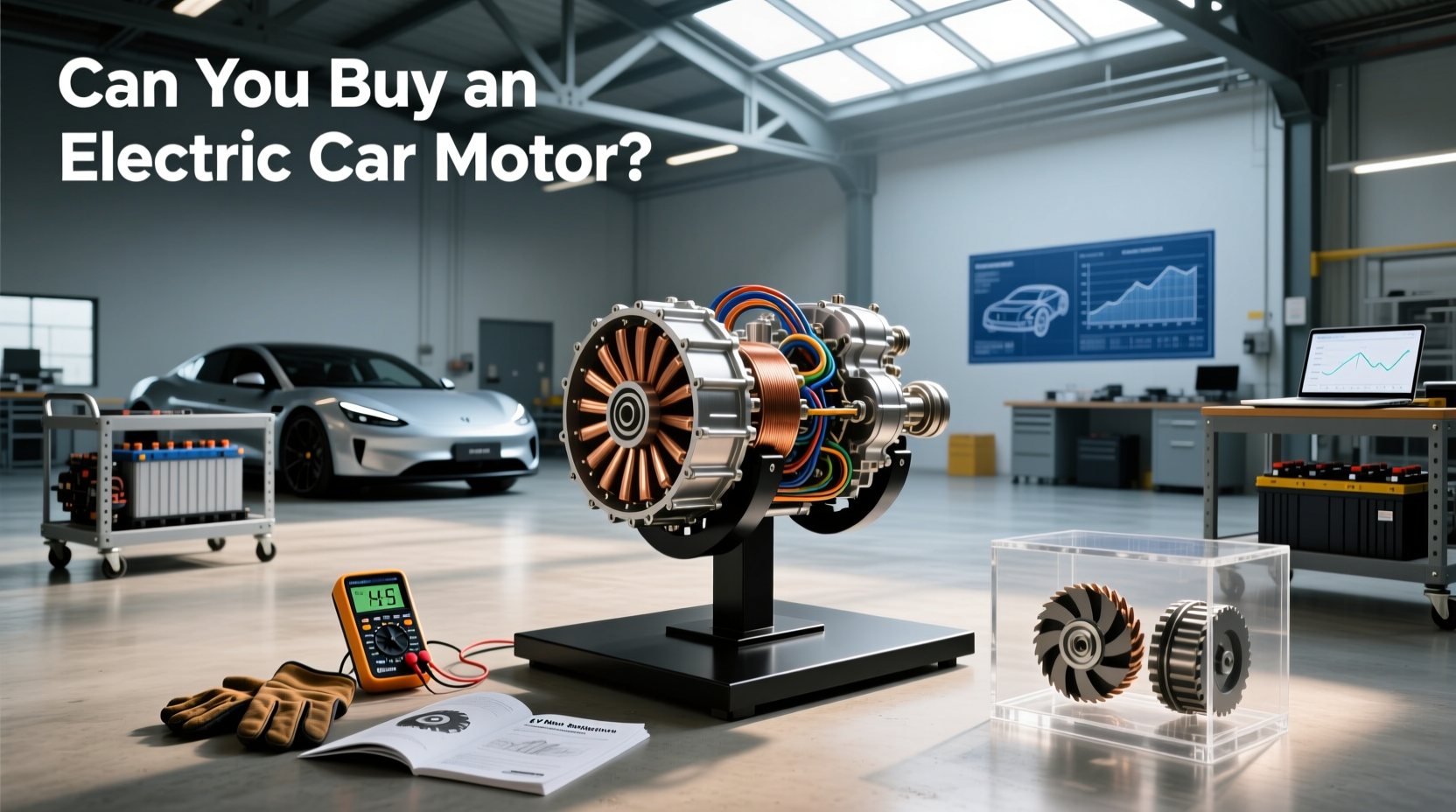
If you're asking how to choose electric car motor for sale,Can you buy an electric car motor?, the answer is yes — but your choice depends on application. For EV conversions, prioritize complete electric car motor conversion kits with matching controllers and inverters. For replacements, match voltage, power output (kW), and mounting specs exactly. Avoid mismatched components; always verify torque curves and cooling requirements. DIY users should favor AC induction or permanent magnet motors in all-in-one kits for reliability.
🛒 About Electric Car Motor for Sale, Can You Buy an Electric Car Motor?
The short answer to “Can you buy an electric car motor?” is yes — electric car motors are available for sale through specialized suppliers, online marketplaces, and industrial distributors. These range from standalone units for vehicle repairs or custom builds to full electric car motor conversion kits designed for transforming internal combustion engine (ICE) vehicles into electric ones.
An electric car motor converts electrical energy from a battery into mechanical motion that drives the wheels. Unlike traditional engines, they deliver instant torque, require less maintenance, and operate more efficiently. Buyers typically seek these motors for three main purposes: replacing failed units in existing EVs, upgrading performance in modified vehicles, or performing DIY electric conversions on classic or older cars.
While factory OEM motors are often proprietary and tightly integrated with vehicle software, aftermarket options have grown significantly. Third-party manufacturers now offer compatible or universal-fit motors suitable for various chassis types, especially in niche markets like kit cars, retrofits, and low-volume EV projects.
⚡ Why Electric Car Motor for Sale Is Gaining Popularity
Interest in purchasing electric car motors has surged due to several converging trends. First, rising fuel costs and environmental awareness have driven demand for sustainable transportation alternatives. Second, advancements in battery technology and power electronics have made EV conversions more feasible and cost-effective for hobbyists and small workshops.
DIY electric vehicle conversions have become particularly popular among automotive enthusiasts looking to preserve classic car designs while reducing emissions. A complete electric car motor conversion kit allows such users to swap out gasoline engines without altering the vehicle’s original aesthetics. According to industry reports, the global EV conversion market is expanding, supported by improved component availability and community-driven knowledge sharing 1.
Additionally, fleet operators and municipal services are exploring electrification of service vehicles using modular motor systems. This flexibility makes off-the-shelf electric motors increasingly relevant beyond personal use.
🔧 Types and Variants
When evaluating options for electric car motor for sale,Can you buy an electric car motor?, understanding the primary motor types is essential. Each has distinct performance characteristics, efficiency profiles, and compatibility needs.
1. AC Induction Motors
Commonly used in early Tesla models, AC induction motors are durable, relatively inexpensive, and perform well under high loads.
- ✅ Pros: High durability, no rare-earth materials, good thermal tolerance
- ❌ Cons: Slightly lower efficiency than PM motors, requires complex control systems
2. Permanent Magnet Synchronous Motors (PMSM)
Found in most modern EVs (e.g., Nissan Leaf, Chevrolet Bolt), PMSMs offer superior power density and efficiency.
- ✅ Pros: Higher efficiency, compact size, excellent torque-to-weight ratio
- ❌ Cons: More expensive, relies on rare-earth elements, sensitive to overheating
3. DC Brushed Motors (Legacy Use)
Rare in new applications but still found in budget conversion kits due to simple controls.
- ✅ Pros: Easy to control, low upfront cost
- ❌ Cons: Lower efficiency, higher maintenance (brush wear), outdated technology
4. Hub Motors
Integrated directly into wheel hubs, eliminating the need for transmissions or drive shafts.
- ✅ Pros: Simplified drivetrain, regenerative braking potential
- ❌ Cons: Increased unsprung weight, limited torque handling, tuning complexity
For most serious buyers, either AC induction or PMSM motors are recommended depending on budget and technical capability.
📊 Key Features and Specifications to Evaluate
To make an informed decision on what to look for in electric car motor for sale,Can you buy an electric car motor?, examine the following technical parameters:
- Power Output (kW/hp): Determines acceleration and top speed. Match this to your vehicle’s weight and intended use (city vs highway).
- Voltage Rating (V): Must align with your battery pack (commonly 96V, 144V, 200V+). Mismatches can damage controllers or reduce efficiency.
- Continuous vs Peak Power: Continuous indicates sustainable output; peak reflects short bursts. Prioritize continuous ratings for real-world performance.
- Torque (Nm): Higher torque improves hill climbing and responsiveness. Check torque curve across RPM range.
- Cooling Method: Air-cooled units are simpler; liquid-cooled offer better sustained performance in heavy-duty applications.
- Motor Type & Mounting Interface: Ensure mechanical compatibility with your transmission or axle setup.
- Controller Compatibility: The motor must work with a compatible inverter/controller. Kits often bundle both.
Always request manufacturer datasheets before purchase. Verify whether the motor includes necessary sensors (e.g., resolver, encoder) for feedback control.
✅ Pros and Cons
Advantages
- 🌱 Environmentally friendly compared to ICE engines
- 📉 Lower long-term maintenance (no oil changes, fewer moving parts)
- ⚡ Instant torque delivery improves driving experience
- 🧩 Enables restoration of vintage vehicles with modern propulsion
Limitations
- 💰 High initial cost for quality motors and配套 components
- 🛠️ Technical expertise required for installation and tuning
- ⚖️ Weight distribution challenges, especially with large battery packs
- 🔌 Charging infrastructure dependency post-conversion
These systems are best suited for technically inclined individuals or professional shops. They are not ideal for those seeking plug-and-play solutions without prior mechanical or electrical knowledge.
📋 How to Choose Electric Car Motor for Sale, Can You Buy an Electric Car Motor?
Follow this step-by-step guide to avoid common pitfalls when navigating the electric car motor for sale,Can you buy an electric car motor? landscape:
- Define Your Use Case: Is it for repair, performance upgrade, or full ICE-to-EV conversion? Conversions benefit most from all-in-one electric car motor conversion kits.
- Assess Vehicle Compatibility: Measure space constraints, drivetrain layout, and weight capacity. Consult forums or engineering guides for similar builds.
- Select Motor Type: Opt for PMSM if efficiency and compactness matter; choose AC induction for ruggedness and heat resistance.
- Match Electrical System: Confirm voltage, phase count (3-phase standard), and controller interface. Incompatible voltages risk system failure.
- Evaluate Total Package: Prefer kits that include motor, controller, charger, and wiring harnesses. Standalone motors may lack critical integration components.
- Check Support & Documentation: Reputable sellers provide detailed manuals, wiring diagrams, and customer support channels.
❗ Red Flags to Avoid: Sellers who don’t provide technical specs, refuse to share test data, or offer motors without safety certifications (e.g., CE, ISO standards where applicable). Be cautious of unusually low prices — they may indicate used or salvaged units misrepresented as new.
💵 Price & Market Insights
Pricing varies widely based on type, power, origin, and inclusion of accessories. As of 2024:
- Standalone DC brushed motors: $800–$2,000
- AC induction motors (used/refurbished): $2,000–$4,000
- New PMSM motors: $4,000–$8,000
- Complete electric car motor conversion kits: $6,000–$15,000+
Prices may differ by region due to import duties, shipping costs, and local regulations. North American and EU markets tend to have higher compliance-related markups. Kits often represent better value despite higher upfront cost because they reduce sourcing complexity.
Consider total project cost: batteries, chargers, adapters, and labor can exceed motor cost. Budget accordingly and prioritize reliability over lowest price.
📈 Top-Seller & Competitive Analysis
Below is a comparison of popular products frequently cited in DIY communities and industrial catalogs:
| Model | Type | Peak Power | Voltage | Kits Available? | Avg. Price |
|---|---|---|---|---|---|
| EMotorEngines E350 | AC Induction | 120 kW | 160V | Yes | $7,200 |
| Zero Motor Z-Force 70 | PMSM | 70 kW | 144V | Yes | $8,500 |
| NetGain Warp 9 | DC Brushed | 60 kW | 144V | No | $3,800 |
| GM Performance 180kW | PMSM | 180 kW | 350V | Limited | $12,000 |
Note: Availability may vary. Always confirm compatibility with your specific build plan. The Zero Motor and EMotorEngines models are frequently praised for their included controllers and responsive technical support.
👥 Customer Feedback Synthesis
Analysis of buyer reviews across forums, retailer sites, and conversion blogs reveals recurring themes:
Positive Feedback
- “The complete kit eliminated guesswork — everything connected cleanly.”
- “High torque at low RPM made city driving effortless.”
- “Responsive vendor support helped troubleshoot controller settings.”
Common Complaints
- “Missing mounting brackets delayed installation by weeks.”
- “Liquid cooling lines weren’t insulated properly, leading to leaks.”
- “No English manual provided — had to translate from Chinese.”
- “Peak power advertised was only achievable at unsafe temperatures.”
Transparency in specifications and inclusion of all hardware remain top concerns. Buyers appreciate comprehensive packaging and clear documentation.
📍 Sourcing & Supplier Tips
You can buy an electric car motor from multiple sources:
- Specialized EV Component Retailers: Offer tested, warrantied units with technical support (e.g., ElectroAuto, EV West).
- Online Marketplaces: eBay, Alibaba — exercise caution. Verify seller reputation and request proof of testing.
- Industrial Motor Suppliers: Some repurpose industrial-grade motors for EV use; ensure suitability for mobile applications.
For bulk purchases or resale, contact manufacturers directly for distributor agreements. When importing, check customs classifications and certification requirements. Upon receipt, inspect for physical damage and verify nameplate data matches order. Test insulation resistance and winding continuity if possible.
🔧 Maintenance, Safety & Legal Considerations
Electric motors require minimal maintenance but still need attention:
- Regularly inspect connections for corrosion or looseness.
- Monitor coolant levels and flow in liquid-cooled systems.
- Ensure high-voltage interlocks and emergency disconnects function correctly.
Safety precautions include using insulated tools, discharging capacitors before servicing, and labeling high-voltage circuits clearly.
Legally, converted vehicles may require inspection, re-registration, or compliance with local EV standards. Regulations vary by country and even state/province. Always verify local requirements with transportation authorities before road use. Some regions mandate third-party certification for modified vehicles.
📌 Conclusion
Yes, you can buy an electric car motor, and doing so can be a smart move for repairs or conversions — provided you approach it systematically. If you’re undertaking a DIY project, opt for a fully integrated electric car motor conversion kit to simplify compatibility issues. Prioritize motors with clear documentation, matched controllers, and proven reliability in similar builds. Match technical specs precisely to your vehicle’s demands, and never overlook cooling, safety, and regulatory compliance.
In summary: If you need a reliable, turnkey solution for converting a classic car, choose a PMSM or AC induction motor in a complete kit from a reputable supplier. If you’re replacing a failed unit, match OEM specifications exactly.
❓ FAQs
- Can I install an electric car motor myself?
- Yes, if you have advanced mechanical and electrical skills. Most DIYers use conversion kits with detailed instructions, but professional help is recommended for high-voltage system integration.
- Are there legal restrictions on installing a bought electric motor in my car?
- Yes, many regions require vehicle modifications to meet safety and emissions standards. Check with your local DMV or transport authority before completing the conversion.
- Do electric car motors for sale come with warranties?
- Reputable suppliers typically offer 1–2 year warranties on new motors. Used or salvage units may have limited or no warranty — confirm before purchase.
- What’s included in a typical electric car motor conversion kit?
- Most kits include the motor, controller, adapter plate, coupler, wiring harness, and sometimes a charger. Always verify contents as they vary by brand.
- How do I know if a motor is compatible with my car?
- Compare physical dimensions, mounting points, torque output, and voltage with your existing or planned battery system. Consult community forums or engineers familiar with your vehicle model.




 浙公网安备
33010002000092号
 浙B2-20120091-4