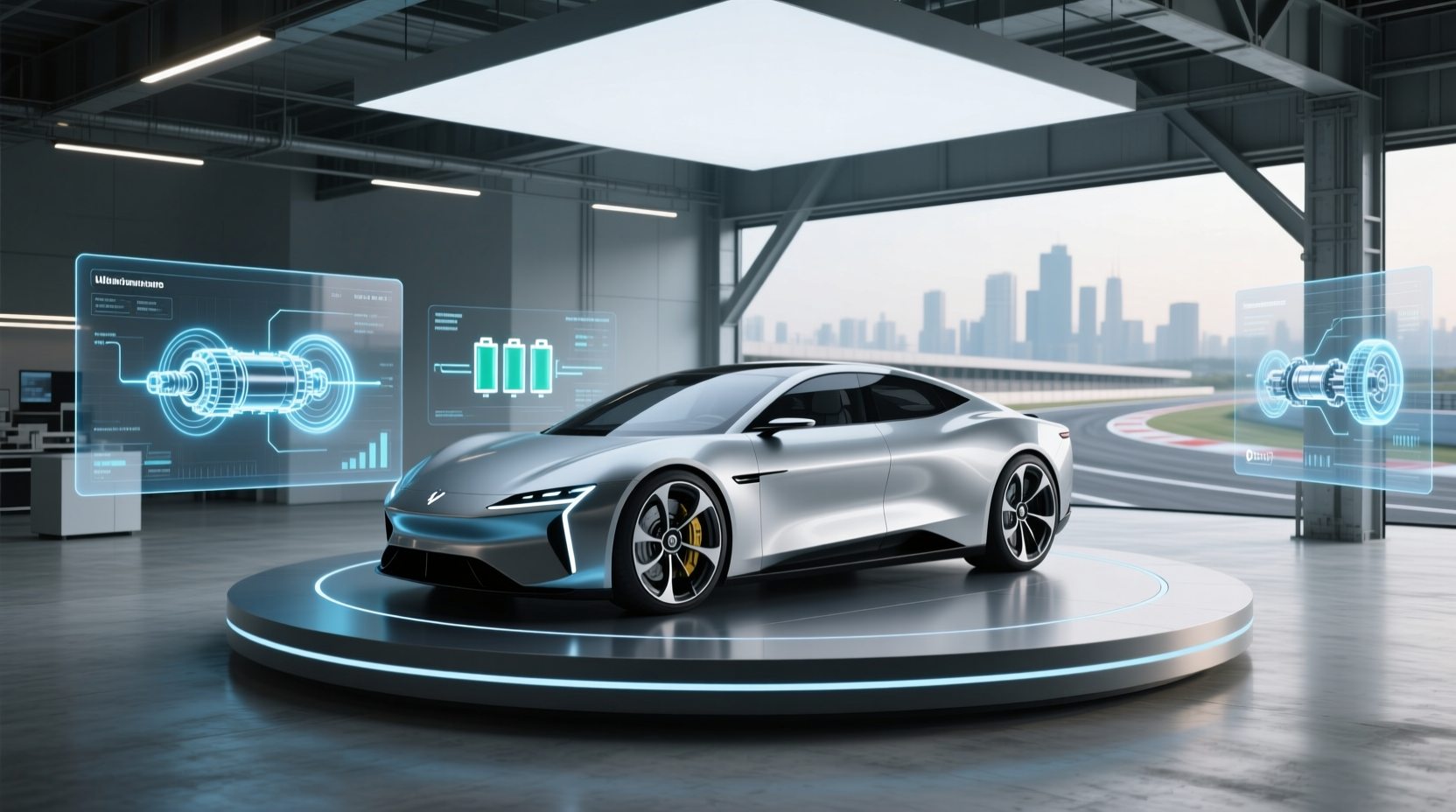
If you're wondering how to choose an electric car rotating platform, how do electric cars spin wheels?, start here: prioritize load capacity over diameter, match the motor type (friction vs. gear-driven) to your usage frequency, and always confirm power requirements (110V vs. 220V). Avoid platforms without overload protection or emergency stop features. For residential garages, a 3–4 meter pit-mounted turntable with remote control suffices for most EVs under 2.5 tons. Commercial showrooms need larger, sensor-automated units with higher torque motors.
Understanding both how electric vehicles deliver power to their wheels and how rotating platforms operate independently is essential when selecting the right system. While EVs use internal motors to spin wheels via magnetic force from batteries and inverters[3][7], rotating platforms are external mechanical aids that rotate the entire vehicle using separate electric motors. This guide focuses on choosing the latter—platforms designed to assist parking, display, or maneuvering electric and other vehicles in constrained spaces.
About Electric Car Rotating Platforms and Wheel Rotation Mechanics
An electric car rotating platform, also known as a vehicle turntable or car turner, is a motorized device that rotates a car horizontally around its vertical axis. It allows drivers to enter a garage or showroom straight-on and exit facing forward, eliminating tight U-turns or repeated backing up—a common challenge in narrow driveways or compact urban garages 📍.
These platforms are often confused with the way electric cars themselves move. However, they serve entirely different functions. The question "How do electric cars spin wheels?" refers to the internal propulsion mechanism of EVs: electrical energy stored in lithium-ion batteries is converted into mechanical motion through an inverter and electric motor system[2]. The motor uses alternating current (AC) generated by converting direct current (DC) from the battery, enabling electromagnets in the rotor and stator to repel and attract, thus spinning the shaft and turning the wheels[7].
In contrast, a rotating platform does not interact with the car’s drivetrain. Instead, it supports the full weight of the vehicle and rotates it using either friction-drive rollers or gear-driven mechanisms powered by an independent electric motor ⚙️.
Why Electric Car Rotating Platforms Are Gaining Popularity
With rising EV ownership and shrinking urban real estate, space-efficient solutions like rotating platforms are increasingly adopted in homes, dealerships, and luxury apartments ✨. Homeowners in cities like San Francisco or Tokyo use them to navigate tight garages 🏘️. Car dealerships employ large-diameter turntables to showcase electric models dynamically, enhancing customer engagement 👥.
The growth is also driven by improved safety and ease of use. Modern platforms include obstacle detection sensors, anti-slip surfaces, and remote controls, reducing risk during operation. Additionally, architects and smart-home integrators now include turntables in high-end residential designs, treating them as functional art pieces 🌐.
Types and Variants of Electric Car Rotating Platforms
Different configurations suit various applications. Below are the main types:
🛒 Friction-Drive Platforms
Uses rotating rubber wheels or discs that contact the underside of the car’s tires to induce rotation.
- Pros: Quieter operation, lower maintenance, simpler design
- Cons: Less reliable in wet conditions; may slip under heavy loads or uneven tire pressure
🔧 Gear-Driven Platforms
Employs a central motor connected to a gear reducer that turns a large ring gear embedded in the platform.
- Pros: Higher torque, consistent performance across weather conditions, longer lifespan
- Cons: More expensive, complex installation, periodic lubrication required
🏭 Pit-Mounted vs. Surface-Mounted
- Pit-mounted: Installed flush with the floor for seamless integration. Ideal for new construction but requires excavation.
- Surface-mounted: Sits above ground with ramps. Easier retrofitting but alters floor profile.
Key Features and Specifications to Evaluate
When evaluating options for what to look for in electric car rotating platform, how do electric cars spin wheels?, focus on these technical parameters:
| Feature | Description & Decision Guidance |
|---|---|
| Load Capacity ⚖️ | Ranges from light-duty (<2 tons) to heavy-duty (>4 tons). Most EVs weigh between 1.8–2.8 tons. Always select a platform rated at least 20% above your vehicle’s curb weight. |
| Table Diameter 📏 | Standard sizes: 3m (compact cars), 4m (sedans/SUVs), 5m+ (large trucks). Measure your vehicle’s turning radius and add 30 cm clearance per side. |
| Control System 📱 | Options: wall panel, wireless remote, smartphone app, or automatic sensor-based rotation. For frequent use, automated systems improve convenience. |
| Power Source ⚡ | Common voltages: 110V (residential), 220V/240V (larger units), 380V/415V (industrial). Verify available circuit capacity before purchase. |
| Rotation Speed 🕐 | Typically 1–3 RPM. Slower speeds enhance stability and safety, especially with unbalanced loads. |
| Safety Features 🔒 | Look for emergency stop buttons, overload sensors, obstruction detection, and non-slip surface coating. |
Pros and Cons: Is a Rotating Platform Right for You?
- ✅ Eliminates difficult reversing maneuvers
- ✅ Enhances accessibility for elderly or disabled users
- ✅ Adds aesthetic and technological appeal to property
- ✅ Reduces wear on driveways and bumpers
- ❌ High upfront cost ($2,000–$15,000)
- ❌ Requires professional installation and structural assessment
- ❌ Not easily relocatable once installed
- ❌ May require local building permits
How to Choose an Electric Car Rotating Platform: Step-by-Step Buying Guide
Follow this checklist to make an informed decision:
- Assess Your Vehicle: Determine curb weight and dimensions. Cross-check with platform load and size ratings.
- Evaluate Installation Space: Decide between pit-mounted (requires excavation) or surface-mounted (ramps needed).
- Check Electrical Supply: Confirm voltage availability (110V vs. 220V). Industrial-grade models may need three-phase power.
- Select Drive Mechanism: Opt for gear-driven systems if reliability and all-weather performance are priorities.
- Review Safety Systems: Ensure inclusion of emergency stop, load sensors, and obstacle detection.
- Verify Control Options: Remote or app control adds usability; preset angles help with alignment.
Red Flags to Avoid ❗
- No overload protection or manual override
- Lack of certification (CE, ISO, or equivalent)
- Vague specifications (e.g., 'supports most cars' without weight limits)
- Insufficient warranty (less than 1 year)
- Poor customer support or missing installation documentation
Price & Market Insights
Pricing varies significantly based on size, load capacity, and automation level:
- $2,000–$5,000: Small, friction-drive, surface-mounted units for sedans (3m diameter, 110V)
- $5,000–$10,000: Mid-range, gear-driven, pit-installed platforms for SUVs/EVs (4m, 220V)
- $10,000+: Large commercial systems with automation, sensors, and custom finishes (5m+, 380V)
Prices may vary by region due to shipping costs and import duties. Consider total cost of ownership, including installation ($1,000–$3,000 extra) and potential electrical upgrades.
Top-Seller & Competitive Analysis
While specific brand recommendations aren’t provided, leading models in the market share common traits: CE certification, modular design, and compatibility with smart home systems. When comparing units, assess build quality, noise levels, and after-sales service responsiveness.
| Model Type | Max Load | Diameter | Drive Type | Avg Price Range |
|---|---|---|---|---|
| Residential Basic | 2.5 tons | 3.2 m | Friction | $2,400–$3,800 |
| Mid-tier Smart | 3.5 tons | 4.0 m | Gear | $6,000–$8,500 |
| Commercial Pro | 6.0 tons | 5.5 m | Gear | $12,000–$16,000 |
Note: Exact specs and prices may differ by manufacturer and region. Always check updated product sheets directly from suppliers.
Customer Feedback Synthesis
Analysis of user reviews reveals consistent patterns:
- Frequent Praise: Smooth rotation, quiet operation (especially gear-driven), improved daily convenience, enhanced garage aesthetics.
- Common Complaints: Delayed delivery, complex wiring requirements, lack of bilingual manuals, difficulty sourcing replacement parts overseas.
- Installation Challenges: Some buyers underestimated foundation preparation or electrical upgrades needed.
Positive experiences typically involved working with certified installers and clear pre-purchase consultations.
Sourcing & Supplier Tips
Rotating platforms are available from specialized manufacturers in Europe, North America, and Asia. For individual buyers, consider:
- 🛒 Reputable online B2B platforms (e.g., Alibaba, ThomasNet) for supplier vetting
- 🏗️ Local mechanical engineering firms for custom builds
- 📦 Direct factory orders for bulk purchases (dealerships, developers)
Before ordering, request:
- Detailed CAD drawings and load-test reports
- Warranty terms and spare parts list
- Installation manual and compliance certificates
For international shipments, verify voltage compatibility and include customs documentation to avoid delays 🚚.
Maintenance, Safety & Legal Considerations
Regular maintenance ensures longevity and safe operation:
- 🧼 Clean platform surface monthly to prevent debris buildup
- 🔧 Lubricate gears (if applicable) every 6 months
- 🔋 Test control systems and emergency stop quarterly
- 👀 Inspect tires and leveling annually
Safety practices include ensuring no one walks on the platform during operation and keeping children away from moving parts.
Legally, check local zoning or building codes before installation. Some municipalities require permits for structural modifications like pit excavation. Confirm ADA compliance if used in public or rental properties. Regulations vary by jurisdiction—always consult local authorities before proceeding 🌍.
Conclusion: Making the Right Choice
Choosing the right electric car rotating platform depends on your specific context. If you own an EV and face daily parking challenges in a tight garage, a mid-sized (4m), gear-driven, 220V unit with remote control offers optimal balance of durability and usability. For commercial displays, invest in larger, automated systems with sensor integration. Avoid cutting corners on safety features or undersizing load capacity. Remember, while understanding how electric cars spin wheels explains vehicle dynamics, the rotating platform serves a separate, practical purpose: simplifying movement in confined spaces.




 浙公网安备
33010002000092号
 浙B2-20120091-4