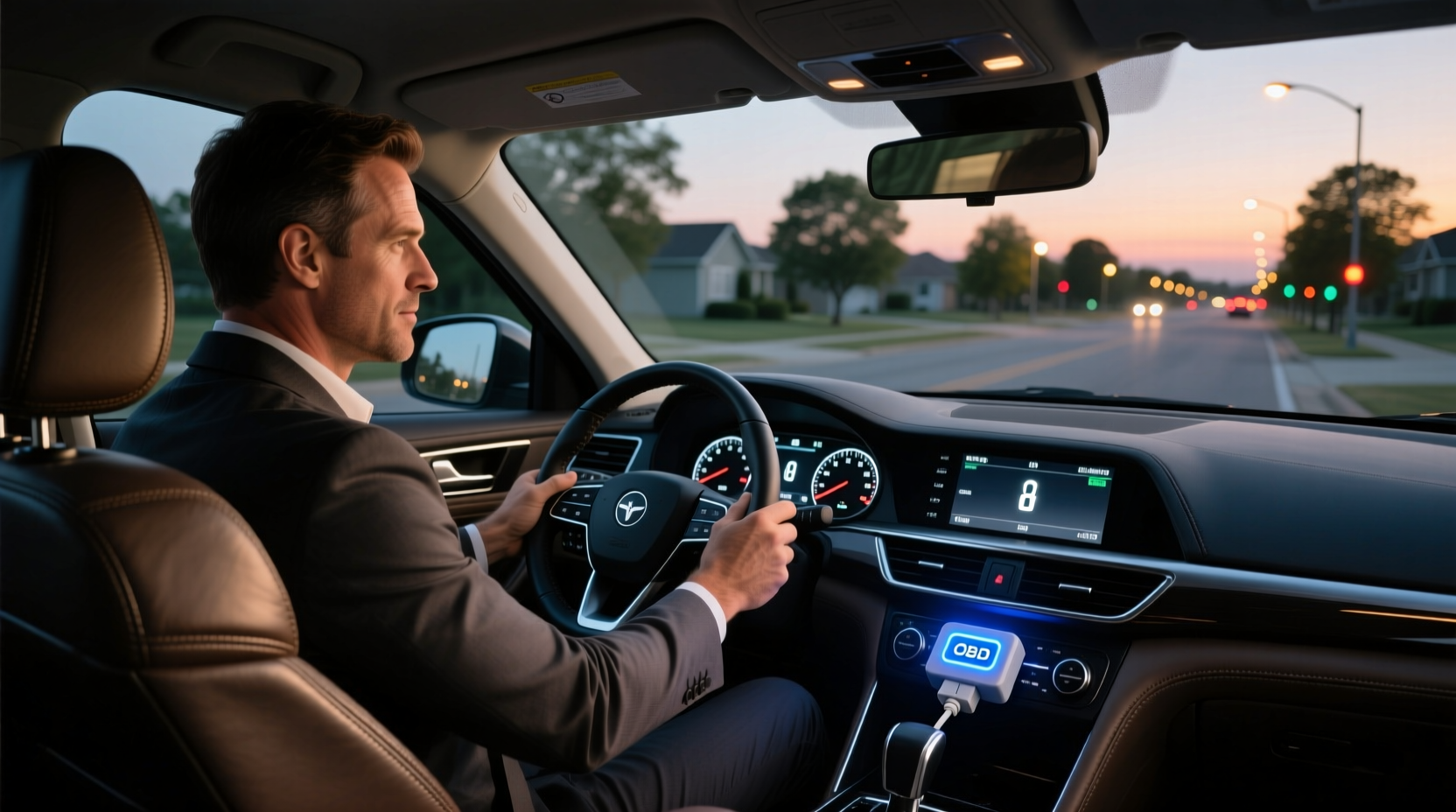
If you're wondering how to choose an OBD speed lock device or trying to understand what a speed sensing door lock is, start here: these systems automatically lock your car doors once it reaches a preset speed—typically between 10–20 km/h—for improved safety and convenience. When selecting one, prioritize OBD-II compatibility with your vehicle make and model, confirm whether the system supports programmable locking/unlocking thresholds, and decide between plug-and-play OBD modules versus hardwired central locking kits. Avoid devices without fail-safe unlock mechanisms or clear installation guides. For families or urban drivers, an OBD-based speed-sensing lock adds peace of mind—but always verify that your vehicle’s electrical system supports automatic relock functions before purchasing.
🛒 About OBD Speed Lock Device, What Is the Speed Sensing Door Lock?
A speed sensing door lock is an automotive safety feature that automatically locks all doors when a vehicle exceeds a certain speed, usually between 10 km/h and 20 km/h. This function helps prevent accidental door openings during motion, especially by children, and enhances security in traffic or high-crime areas. In factory-equipped vehicles, this system is integrated into the Body Control Module (BCM) and operates using input from the vehicle’s speed sensor 1.
An OBD speed lock device refers to an aftermarket version of this feature that connects via the OBD-II port—typically located under the dashboard—to interface with the car’s onboard computer. These devices simulate OEM behavior by sending signals to the door lock actuators once the speed threshold is reached. They are commonly used in older or base-model cars lacking built-in auto-locking capabilities.
Common use cases include:
- 👥 Families with young children who may attempt to open doors while driving
- 📍 Drivers in densely populated cities where carjacking risks are higher at stoplights
- ⚡ Fleet operators seeking standardized safety protocols across vehicles
📈 Why OBD Speed Lock Device, What Is the Speed Sensing Door Lock? Is Gaining Popularity
The demand for speed-sensing door locks has grown due to increasing awareness of passive safety features and rising urban crime rates. Automakers now include this as standard equipment even in entry-level models like the Maruti Suzuki Alto K10, Hyundai Grand i10 Nios, and Tata Punch 1. However, millions of vehicles on the road still lack this basic protection.
Aftermarket OBD speed lock devices fill this gap affordably and with minimal installation effort. Their plug-and-play nature appeals to non-technical users, while their low power draw (<10 mA) ensures they don’t impact battery life. Additionally, insurance providers in some regions recognize such upgrades as risk-reducing modifications, potentially influencing premium calculations—though this varies by country and provider.
🔧 Types and Variants
There are two primary types of aftermarket speed-sensing door lock systems:
1. OBD-II Plug-In Modules
These connect directly to the vehicle’s OBD-II port and communicate with the ECU or BCM to trigger door locks at a set speed.
Pros:
- ✅ No wiring required—simple DIY installation
- ⏱️ Quick setup (usually under 10 minutes)
- 🔌 Retains original vehicle wiring integrity
Cons:
- ❗ May not work with all vehicle makes (especially pre-2008 models or certain Asian brands)
- 🧰 Limited customization (fixed speed thresholds in some models)
- ⚠️ Exposed port device can be visible and tampered with
2. Hardwired Central Locking Kits with Speed Sensing
These involve installing a control unit connected to the door lock actuators and speed signal source, often tapping into CAN bus lines.
Pros:
- ⚙️ Full control over locking speed, unlock conditions, and relock logic
- ✨ Can integrate with existing remote keyless entry systems
- 🔒 More secure installation (hidden components)
Cons:
- 👷 Requires professional installation in most cases
- 💸 Higher upfront cost due to labor and parts
- 🔍 Risk of electrical issues if improperly wired
📋 Key Features and Specifications to Evaluate
When comparing options for what to look for in an OBD speed lock device, consider these technical and functional criteria:
- Compatibility: Confirm support for your vehicle’s make, model, year, and engine type. Some devices only work with specific ECUs or require firmware updates.
- Locking Speed Threshold: Look for adjustable settings (e.g., 10–25 km/h). Fixed thresholds may not suit all driving environments.
- Unlock Logic: Does it unlock when ignition turns off, speed drops to zero, or driver’s door opens? Ensure it matches your usage pattern.
- Auto-Restore Function: Re-locks doors if unlocked above 20 km/h—a critical safety layer 2.
- Power Supply & Draw: Should operate on 12V DC and consume less than 10 mA to avoid draining the battery.
- Operating Temperature Range: Ideal range is -20°C to 80°C to withstand extreme climates.
- Failsafe Mechanism: Must allow manual unlocking in emergencies, ideally via interior handles or fuses.
✅ Pros and Cons
- Safety Reduces risk of child ejection or unauthorized entry during stops
- Convenience Eliminates need to manually lock doors every trip
- Affordability Aftermarket OBD solutions cost significantly less than factory upgrades
- Reversibility OBD modules can be removed without permanent modification
- Compatibility Gaps Not all vehicles support third-party OBD commands
- Reliability Concerns Poorly designed units may cause intermittent locking
- Emergency Access Power failure could delay unlocking—mechanical override is essential
🔍 How to Choose an OBD Speed Lock Device: A Step-by-Step Guide
Follow this checklist when evaluating products:
- Verify Vehicle Compatibility: Check manufacturer specifications against your VIN or consult with a technician.
- Determine Installation Preference: Choose OBD-II plug-in for simplicity or hardwired kit for full control.
- Check Unlock Conditions: Prefer systems that unlock upon ignition-off or driver door opening.
- Look for Adjustable Settings: Programmable speed thresholds offer better adaptability.
- Review Safety Redundancies: Ensure there's a manual override and failsafe power cutoff.
- Avoid Devices With:
- No clear documentation or user manual
- Non-standard connectors or unclear wiring diagrams
- Lack of customer service contact or warranty information
💰 Price & Market Insights
Pricing varies widely based on type, brand, and region:
- OBD-II Modules: $25–$60 USD
- Hardwired Kits: $40–$100 USD + $50–$150 labor
In markets like India, prices range from ₹2,000 to ₹10,000 depending on features 1. Higher-priced models often include advanced diagnostics, app connectivity, or integration with alarm systems. Value isn't always tied to price—some mid-range OBD devices outperform premium ones in reliability. Always compare verified buyer feedback before deciding.
📊 Top-Seller & Competitive Analysis
Below is a comparison of common OBD speed lock devices available globally:
| Model | Installation Type | Adjustable Speed | Auto-Restore | Price Range (USD) |
|---|---|---|---|---|
| Kiramek SL50H | OBD-II | Yes | Yes | $45–$55 |
| Viper 475T | Hardwired | Yes | Yes | $80–$100 |
| Autel AL501 | OBD-II | No (Fixed @ 15 km/h) | No | $30–$40 |
| Bluebus 5000 | OBD-II | Yes | Yes | $50–$65 |
Note: Availability and compatibility may vary by region. Always check firmware updates and regional support forums before purchase.
📝 Customer Feedback Synthesis
Based on aggregated reviews across retail and automotive forums:
Most Frequent Praises:
- Easy installation (especially OBD models)
- Noticeable improvement in child safety
- Reliable performance after months of use
- Good value for money compared to dealership upgrades
Common Complaints:
- Incompatibility with certain Honda or Toyota models despite claims
- Delayed locking response (up to 2–3 seconds after threshold)
- Device disconnects after bumping the OBD port
- Lack of multilingual manuals or poor translation quality
🌐 Sourcing & Supplier Tips
When buying:
- Purchase from suppliers offering return policies (at least 30 days).
- For bulk purchases (e.g., fleet installations), request sample testing before committing.
- Use platforms with verified buyer reviews (e.g., Amazon, specialized auto parts sites).
- Confirm whether the seller provides firmware update tools or technical support.
- Avoid no-name brands without identifiable manufacturers or contact details.
🔧 Maintenance, Safety & Legal Considerations
Maintenance needs are minimal but include:
- Periodic inspection of connections (especially OBD plug stability)
- Testing lock/unlock function monthly
- Checking for error codes if malfunction occurs
Safety-wise, ensure the system allows emergency exit via interior door handles—even when locked. Most modern vehicles retain mechanical release functionality, but confirm this applies post-installation.
Legally, automatic locking systems are generally permitted worldwide, but local regulations may restrict modifications to factory security systems in some countries (e.g., Germany, Australia). Always verify compliance with national transport authorities or certified mechanics before installation.
📌 Conclusion
If you drive a vehicle without factory speed-sensing door locks and want added safety and convenience, an aftermarket OBD speed lock device is a practical upgrade. For casual users or parents, a reputable OBD-II module with adjustable settings and auto-relock offers the best balance of ease and functionality. If you need deeper integration or own a mixed fleet, consider professionally installed hardwired kits. Prioritize compatibility, safety redundancies, and real-world reliability over flashy features. Ultimately, the right choice depends on your vehicle type, technical comfort level, and primary use case.
❓ FAQs
- Can I install an OBD speed lock device myself?
- Yes, most OBD-II plug-in models are designed for DIY installation and require no tools—just plug into the port and follow pairing instructions. Hardwired kits should be installed by a professional to avoid electrical damage.
- Will an OBD speed lock drain my car battery?
- Typically no. These devices draw less than 10 mA, which is negligible for a healthy 12V system. However, if your car sits unused for weeks, disconnecting the device may be prudent.
- Do speed-sensing door locks work during accidents?
- In most cases, yes. Even if power is lost, mechanical door releases remain functional. However, ensure your vehicle maintains manual unlock capability after installation.
- Are OBD speed lock devices detectable by car scanners?
- Some advanced diagnostic scanners may detect aftermarket modules on the CAN bus, but they usually appear as standard accessories. They do not interfere with emissions or engine diagnostics in compliant models.
- Can I disable the auto-lock feature temporarily?
- Many OBD devices allow temporary deactivation via a sequence (e.g., turning ignition on/off rapidly). Consult your device manual for specific procedures.




 浙公网安备
33010002000092号
 浙B2-20120091-4