Short Introduction
If you're asking how to choose diy pontoon floats,How to make a DIY boat float?, start by prioritizing material durability and buoyancy. For long-term use, high-density polyethylene (HDPE) is the top choice due to its resistance to UV, saltwater, and impact 1. Avoid thin-walled foam-filled floats—they often crack and become waterlogged 2. Instead, opt for modular PVC pipes or sealed barrels if budget is tight. Always check local regulations before launching, and ensure your design includes Coast Guard-approved safety gear like life jackets and throwable devices 3.
About diy pontoon floats,How to make a DIY boat float?
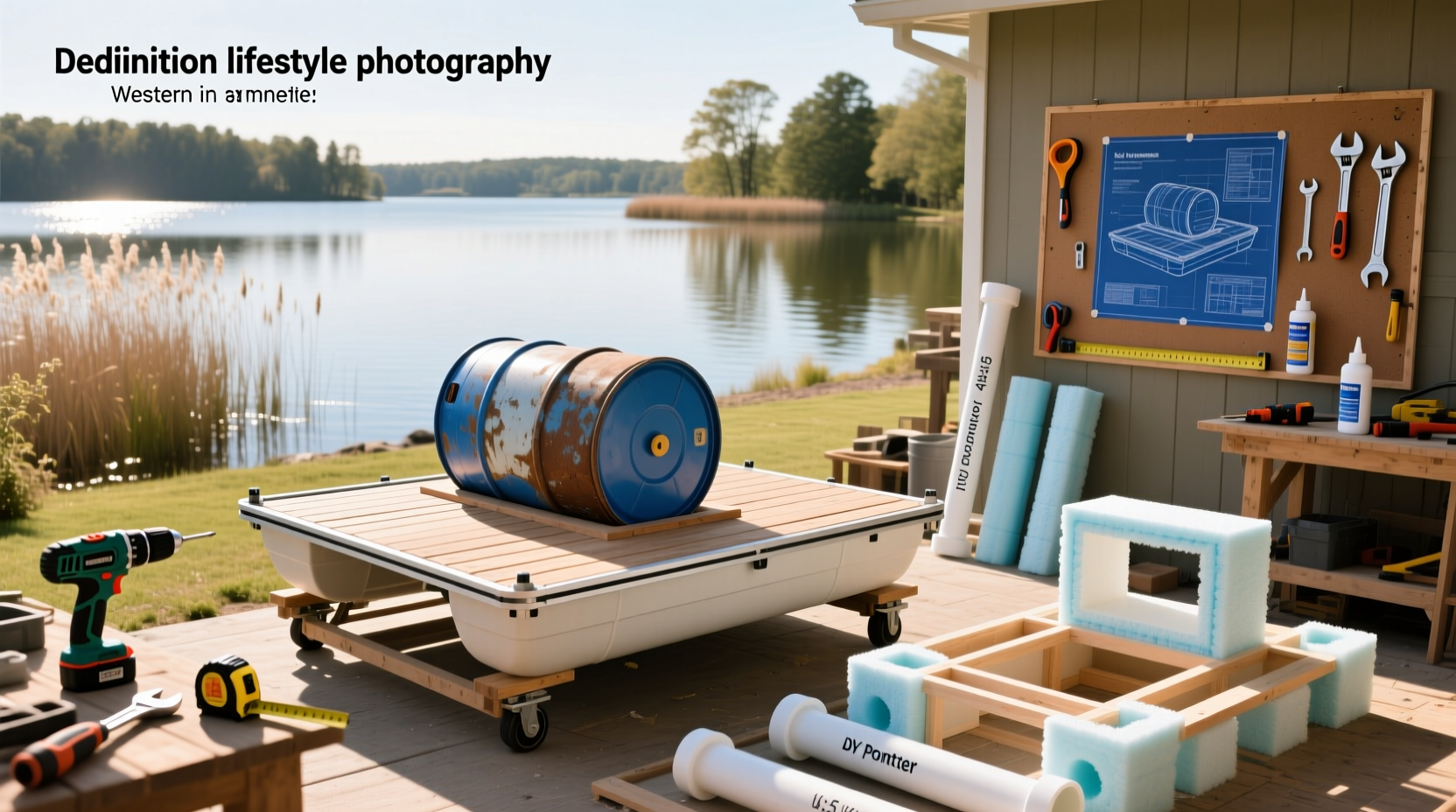
Diy pontoon floats are custom-built floating platforms designed for stability on water. They typically consist of sealed buoyant tubes (pontoons) attached to a frame with a deck on top. These structures can serve as docks, fishing platforms, hunting blinds, or small recreational boats. The process of how to make a DIY boat float involves selecting materials, constructing a rigid frame, attaching flotation units, and finishing with decking and safety features.
Common applications include shoreline fishing, duck hunting from concealed blinds, backyard floating decks, or adding extra lift to existing boats. Unlike commercial pontoons, DIY versions allow full customization in size, shape, and function, making them ideal for niche or budget-conscious users.
Why diy pontoon floats,How to make a DIY boat float? is gaining popularity
The rise in interest around diy pontoon floats,How to make a DIY boat float? stems from several factors: cost savings, personalization, and accessibility. Pre-fabricated floating docks or boats can cost thousands, while DIY builds using PVC pipes or repurposed barrels offer functional alternatives under $500 2.
Additionally, outdoor enthusiasts value the ability to tailor designs—such as creating an H-frame blind for waterfowl hunting 4 or expanding an existing boat’s capacity with a third pontoon 5. Environmental awareness also drives demand for reusable, repairable systems over disposable options.
Types and variants
Understanding the different types helps answer what to look for in diy pontoon floats,How to make a DIY boat float?:
📘 HDPE Pontoons
- Pros: Extremely durable, UV-resistant, corrosion-proof, lifespan of 20–30 years.
- Cons: Higher upfront cost; requires specialized tools for cutting/joining.
- Best for: Permanent installations, saltwater environments.
📘 Foam-Core Floats
- Pros: High buoyancy, lightweight, easy to shape.
- Cons: Polystyrene degrades with certain adhesives; polyurethane needs protective shell.
- Best for: Small-scale prototypes or short-term use.
📘 PVC Pipe Modules
- Pros: Low cost, easy to assemble, modular design.
- Cons: Less durable than HDPE; may require foam filling and fiberglass coating.
- Best for: Portable hunting blinds or seasonal docks.
📘 Repurposed Barrels or Boards
- Pros: Very low cost if using recycled materials.
- Cons: Risk of leaks, inconsistent buoyancy, potential environmental hazards if cracked.
- Best for: Experimental builds or emergency flotation.
Key features and specifications to evaluate
When evaluating options for diy pontoon floats,How to make a DIY boat float?, consider these technical aspects:
⚓ Buoyancy and Weight Capacity
Buoyancy depends on displacement volume. A general rule: each cubic foot of air provides ~62 lbs of lift. Calculate total needed lift based on expected load (people + gear + structure). Overestimate by 20–30% for safety.
🌞 UV and Weather Resistance
Materials like HDPE resist sun degradation better than PVC or polystyrene. In sunny or coastal climates, UV resistance is critical to prevent brittleness and cracking 1.
🔩 Structural Integrity
The frame should be square and reinforced at joints. Use pressure-treated lumber or marine-grade aluminum. Secure pontoons with stainless steel or galvanized hardware to prevent rust.
🌊 Water Type Compatibility
Freshwater is less corrosive than saltwater. If used in oceans or brackish areas, avoid untreated metals and low-grade plastics.
🛠️ Ease of Assembly and Repair
Modular systems (like interlocking PVC sections) are easier to transport and fix. HDPE may need welding but lasts longer.
Pros and cons
- Well-suited for: Calm lakes, private ponds, fishing/hunting, temporary recreation.
- Poor fit for: Open ocean, high winds, commercial use, or transporting large groups without proper design.
How to choose diy pontoon floats,How to make a DIY boat float?
A structured approach ensures you get it right when exploring how to choose diy pontoon floats,How to make a DIY boat float?:
- Define Your Use Case: Will it be stationary or mobile? Carrying 1 person or 6? This determines size and strength needs.
- Select Core Material: Opt for HDPE for longevity, PVC for portability, or foam cores for light-duty use.
- Design for Stability: Wider frames (at least 8 ft) resist tipping. Distribute floats evenly under the frame.
- Include Drainage Gaps: Leave 1/4-inch gaps between decking boards to prevent pooling.
- Use Corrosion-Resistant Hardware: Stainless steel bolts, washers, and lag screws prevent failure.
- Install Safety Gear: Include life jackets, a throwable ring, and navigation lights if used after dusk.
- Anchoring Plan: Use helix anchors in soft bottoms or concrete blocks in deeper water 2.
🚩 Red Flags to Avoid
- Using thin-walled plastic containers that degrade quickly.
- Skip checking local zoning or navigational rules.
- Ignoring weight distribution—placing all floats at ends causes sagging.
- Skipping protective coatings on foam cores.
Price & market insights
Pricing varies widely depending on materials and scale:
- Budget ($50–$200): PVC pipe systems, reused barrels, foam-only builds.
- Midscale ($200–$800): Custom wood frames with sealed foam or coated PVC.
- Premium ($800+): HDPE pontoons with aluminum framing and marine decking.
While HDPE has a higher initial cost, its 20–30 year lifespan often makes it more cost-efficient over time. Prices may vary by region due to shipping costs and material availability.
Top-seller & competitive analysis
While most DIY pontoon components are sold as raw materials, some pre-cut kits exist. Below is a comparison of common choices:
| Material Type | Avg. Cost (per 8ft section) | Lifespan | Ease of Build | Best Use Case |
|---|---|---|---|---|
| HDPE Pontoons | $600–$900 | 20–30 years | Medium | Permanent dock, saltwater |
| PVC Pipes (2" dia) | $150–$250 | 5–8 years | Easy | Hunting blind, portable |
| Foam-Filled Wood Frame | $200–$400 | 8–12 years | Medium | Backyard dock, calm water |
| Repurposed Barrels | $50–$150 | 3–5 years | Easy | Temporary, experimental |
Customer feedback synthesis
Analysis of user discussions reveals consistent themes:
- 👍 Frequent Praise: Satisfaction with HDPE’s durability; appreciation for modular PVC ease; pride in customization.
- 👎 Common Complaints: Foam degradation over time; difficulty sealing barrels properly; instability in wind due to poor weight distribution.
- 💡 Key Insight: Users who plan anchoring and safety gear early report higher satisfaction than those who add them later.
Sourcing & supplier tips
To source materials effectively:
- HDPE: Purchase from industrial plastic suppliers or marine fabricators. Confirm UV stabilization and wall thickness (minimum 1/2 inch recommended).
- PVC Pipes: Available at hardware stores; ensure schedule 40 or higher for rigidity.
- Foam: Buy closed-cell polyethylene foam online or at dive/surf shops for best buoyancy.
- Hardware: Use marine-grade stainless steel fasteners—avoid regular steel even with paint.
For bulk purchases, contact regional plastic distributors directly. Always inspect materials for cracks or warping before assembly.
Maintenance, safety & legal considerations
Maintain your float by inspecting seals annually and checking for structural wear. Clean algae buildup with mild detergent.
Safety-wise, always carry required USCG equipment: life jackets for all occupants, a throwable device, sound maker, and lights if operating at night 3.
Legally, verify if your structure requires permits. Some jurisdictions regulate floating structures near shorelines or in navigable waters. Check with your local Department of Natural Resources or harbor master to confirm rules about anchoring, lighting, and registration 6.
Conclusion
Choosing the right diy pontoon floats,How to make a DIY boat float? depends on your environment, usage frequency, and skill level. If you need a long-lasting, weather-resistant platform, invest in HDPE. For occasional, portable use, PVC or foam modules offer practicality. Always prioritize safety equipment and local compliance. By focusing on material quality, balanced design, and proper anchoring, you can build a reliable and enjoyable floating structure tailored to your needs.
FAQs
- Can I use regular wood for the frame?
- Yes, but use pressure-treated or marine-grade plywood to resist rot. Seal all cuts and joints to prevent water absorption.
- How do I calculate how much buoyancy I need?
- Multiply the total weight (people + gear + structure) by 1.3, then divide by 62 (pounds per cubic foot of displacement) to get minimum volume in cubic feet.
- Are DIY pontoon floats legal everywhere?
- No—some areas require permits for permanent floating structures. Always check local regulations before deployment.
- What's the safest way to anchor a DIY float?
- Use multiple anchor points with flexible lines. Helix screw anchors work well in muddy bottoms; concrete blocks suit rocky lakebeds.
- Can I motorize my DIY pontoon float?
- You can, but ensure the frame and pontoons support the engine weight. Add extra flotation at the rear and verify balance before installing.




 浙公网安备
33010002000092号
 浙B2-20120091-4