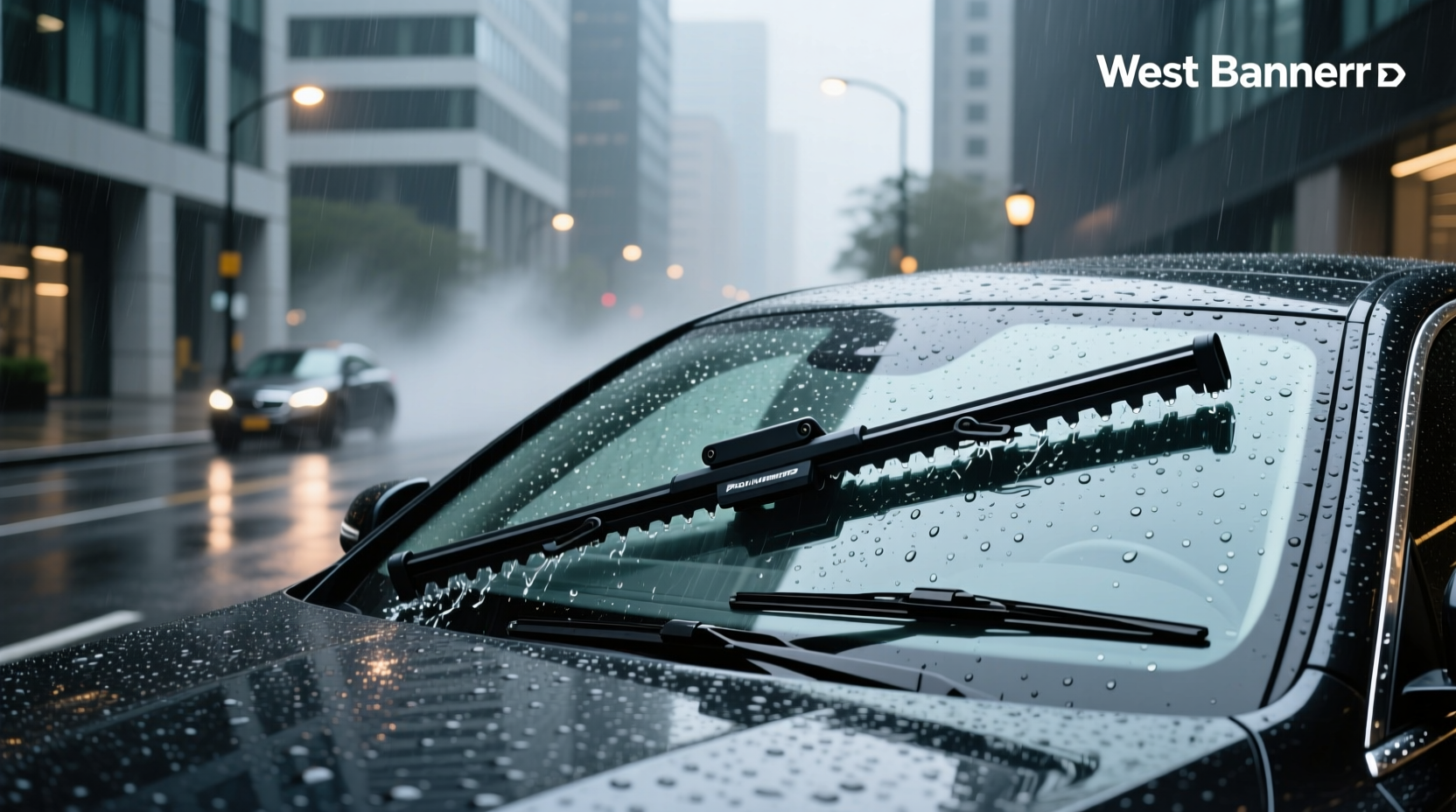
If you're asking what are the most durable wiper blades, the answer often lies in modern materials like polyurethane and advanced designs such as beam-style wiper blades. For drivers in regions with extreme weather—especially heavy snow, ice, or UV exposure—polyurethane wiper blades offer superior longevity and consistent wiping compared to traditional rubber. When learning how to choose polyurethane wiper blades, prioritize frameless (beam-style) construction, proper length match, and UV/weather resistance. Avoid low-cost models with thin inserts or poor aerodynamic design, as they degrade faster and chatter at high speeds. Key trade-offs include slightly higher upfront cost versus significantly longer service life.
About Polyurethane Wiper Blades: What Are the Most Durable Wiper Blades?
Polyurethane wiper blades are windshield wipers that use a polyurethane squeegee edge instead of conventional natural or synthetic rubber. This material is inherently more resistant to ozone, UV radiation, and temperature extremes—common causes of blade degradation. While standard rubber blades may harden, crack, or split after 6–12 months, polyurethane variants can maintain flexibility and wiping efficiency for 18–24 months under similar conditions.
The core question—what are the most durable wiper blades?—is increasingly answered by beam-style designs made with polyurethane. These combine a seamless, curved spine with a solid polymer wiping edge, eliminating exposed metal parts that collect ice and debris. They conform better to curved windshields, reducing streaking and noise. Common use cases include vehicles in northern climates with harsh winters, high-altitude areas with intense sunlight, and commercial fleets seeking reduced maintenance cycles.
Why Polyurethane Wiper Blades Are Gaining Popularity
Consumer demand for longer-lasting, low-maintenance auto parts has driven interest in polyurethane wiper blades. Drivers tired of replacing rubber blades every year—especially those who live in areas with rapid temperature swings or prolonged sun exposure—are turning to polyurethane for its resilience. The shift aligns with broader trends toward aerodynamic vehicle design; many modern cars now feature curved glass and flush-mounted wiper systems that work best with flexible, frameless blades.
Additionally, environmental awareness plays a role. Because polyurethane lasts longer, it reduces waste from frequent replacements. Some users also report quieter operation and improved visibility during downpours, contributing to perceived safety benefits. As automakers increasingly equip new vehicles with beam-style wipers from the factory, aftermarket buyers are mirroring these choices when upgrading.
Types and Variants
- ⚙️ Beam-Style (Frameless) Blades: Feature a single, arched steel or composite spine covered by a continuous rubber or polyurethane boot. No external brackets mean less snow buildup and smoother contact.
- Pros: Excellent aerodynamics, even pressure distribution, clean appearance, ideal for cold climates.
- Cons: Slightly more expensive; some models require specific adapters for older vehicles.
- 🔧 Conventional (Bracketed) Blades: Traditional multi-piece design with several joints and pressure points. Often use rubber inserts.
- Pros: Lower cost, widely available, compatible with most vehicles.
- Cons: Prone to ice accumulation, uneven wear, wind lift at speed, shorter lifespan.
- ✨ Hybrid Blades: Combine elements of both—typically a bracketed structure with a partial cover or aerodynamic shield.
- Pros: Better protection than conventional, lower price than full beam-style.
- Cons: Still vulnerable to debris; not as sleek or durable as true frameless models.
Key Features and Specifications to Evaluate
When determining what to look for in polyurethane wiper blades, consider these measurable and observable factors:
- 📏 Length Match: Use your owner’s manual or check existing blades. Even a 1-inch mismatch can cause incomplete wiping or chattering.
- ☀️ UV and Ozone Resistance: Look for blades explicitly rated for UV stability. Polyurethane naturally resists degradation, but quality varies by formulation.
- ❄️ Cold Weather Performance: Ensure flexibility below -30°C (-22°F). Some polyurethane blends stiffen in extreme cold if poorly manufactured.
- 🌬️ Aerodynamic Design: Beam-style blades reduce wind lift at highway speeds, improving contact and reducing noise.
- 🔗 Connector Type: Verify compatibility (J-hook, bayonet, pin, side lock). Adapters are available but add complexity.
- 🧼 Wipe Quality: Seek consistent water sheeting without streaks or chatter. Independent tests sometimes rate this; check user reviews.
Pros and Cons
Advantages ✅
- Longer lifespan than rubber blades (up to 2x)
- Better performance in snow and ice due to frameless design
- Improved aerodynamics reduce vibration and noise
- Resistant to cracking from sun exposure
- Cleaner aesthetic with no visible支架
Limits and Drawbacks ❗
- Higher initial cost (~20–40% more than basic rubber)
- May not fit all vintage or non-standard wiper arms without adapters
- Potential stiffness in very low temperatures if subpar polyurethane is used
- Fewer replacement refills available compared to rubber
How to Choose Polyurethane Wiper Blades: A Step-by-Step Guide
Follow this checklist when selecting wipers based on durability and performance:
- Determine Your Blade Size: Check your vehicle manual or measure existing blades. Don’t assume driver and passenger sides are equal.
- Choose Frameless (Beam-Style) Design: For maximum durability and weather resistance, opt for beam-style construction—it's the top answer to what are the most durable wiper blades.
- Confirm Polyurethane Edge Material: Not all beam blades use polyurethane; some still use enhanced rubber. Read product specs carefully.
- Verify Connector Compatibility: Match the attachment type to your car’s wiper arm. Universal kits often include multiple adapters.
- Check Climate Suitability: If you drive in freezing conditions, ensure the blade is rated for sub-zero flexibility.
- Avoid Extremely Cheap Models: Ultra-low-priced options may skimp on spine rigidity or edge quality, leading to premature failure.
- Look for Warranty or Durability Claims: Reputable brands often back their products with 1–2 year warranties.
Price & Market Insights
Polyurethane beam-style wiper blades typically range from $25 to $50 per pair, depending on brand, length, and technology. Basic rubber bracketed blades cost $10–$20, while premium polyurethane models with reinforced spines or special coatings reach $60+. Price differences reflect material quality, engineering precision, and packaging.
Value isn't solely about upfront cost. A $40 polyurethane blade lasting 24 months offers better long-term value than two $20 rubber blades replaced annually. However, prices vary by region and retailer. Always compare total cost per month of service life rather than sticker price alone.
Top-Seller & Competitive Analysis
While specific model rankings change frequently, top-selling polyurethane beam blades share common traits: precise curvature matching OEM standards, robust internal spring systems, and fully enclosed housings. Below is a representative comparison of typical offerings:
| Model Type | Material | Design | Avg. Lifespan | Price Range | Best For |
|---|---|---|---|---|---|
| Premium Beam | Polyurethane | Frameless | 18–24 mo | $45–$60 | Snowy climates, luxury vehicles |
| Mid-Tier Hybrid | Enhanced Rubber | Semi-covered | 12–15 mo | $30–$40 | Moderate weather, budget-conscious |
| Basic Bracketed | Synthetic Rubber | Multi-joint | 6–12 mo | $10–$20 | Short-term use, older cars |
Note: Availability and naming conventions vary across markets. Always verify current specifications directly with manufacturers or authorized sellers.
Customer Feedback Synthesis
Analysis of verified buyer reviews reveals recurring themes:
- Positive Feedback: Users consistently praise beam-style polyurethane blades for eliminating winter ice buildup, reducing noise, and maintaining clear vision in heavy rain. Longevity is frequently cited, with many reporting over 18 months of reliable use.
- Common Complaints: Misfit issues due to incorrect sizing or incompatible connectors appear in negative reviews. Some users note difficulty installing certain beam blades without bending the arm. A few mention decreased performance after one year despite no visible damage, suggesting internal material fatigue.
Sourcing & Supplier Tips
Buy from reputable automotive retailers or directly from manufacturers to avoid counterfeits. Online marketplaces may offer discounts but carry risks of outdated stock or imitation products. For bulk purchases (e.g., fleet vehicles), consider working with industrial suppliers who provide lot traceability and compliance documentation.
When sourcing internationally, confirm voltage and connector standards aren't region-locked. Always inspect packaging upon delivery—exposed blades or damaged boxes may indicate prior exposure to heat or moisture, compromising integrity.
Maintenance, Safety & Legal Considerations
To maximize lifespan, clean blades monthly with mild soap and water to remove road film and grime. Replace immediately if you notice persistent streaking, skipping, or cracking. Poor visibility due to worn wipers can contribute to accidents and may violate local traffic laws requiring functional safety equipment.
No universal certification governs wiper blade materials, so rely on manufacturer testing data and independent lab results where available. Always follow installation instructions precisely to prevent windshield scratches or mechanical stress on wiper arms.
Conclusion
If you need long-lasting, weather-resistant performance, especially in snowy or sunny climates, beam-style polyurethane wiper blades are among the most durable options available. They outperform traditional rubber blades in lifespan, consistency, and aerodynamics. However, they come at a higher initial cost and require careful sizing and compatibility checks. For occasional city drivers in mild climates, a mid-tier hybrid might suffice. But for those seeking minimal maintenance and maximum reliability, investing in quality polyurethane beam blades delivers measurable benefits over time.
Frequently Asked Questions
- Are polyurethane wiper blades better than rubber?
- Yes, in terms of durability and resistance to UV and temperature extremes. Polyurethane maintains flexibility longer and resists cracking better than most rubber compounds, though proper installation and fit remain critical.
- How long do polyurethane wiper blades last?
- Typically 18 to 24 months under normal driving conditions. Actual lifespan depends on climate, usage frequency, and exposure to direct sunlight. Regular cleaning can extend service life.
- Can I install beam-style blades on any car?
- Most modern vehicles support beam-style blades, but older models may require adapters. Check your owner’s manual or consult a fit guide before purchasing.
- Do polyurethane blades work well in snow?
- Yes, especially beam-style versions. Their frameless design prevents snow and ice from accumulating, maintaining consistent contact with the windshield. Pre-heating wipers before use improves effectiveness in freezing conditions.
- What should I do if my new blades chatter?
- First, ensure correct size and secure attachment. Clean the windshield and blade edge thoroughly. If chattering persists, the blade curvature may not match your windshield profile—consider trying a different brand or model.




 浙公网安备
33010002000092号
 浙B2-20120091-4