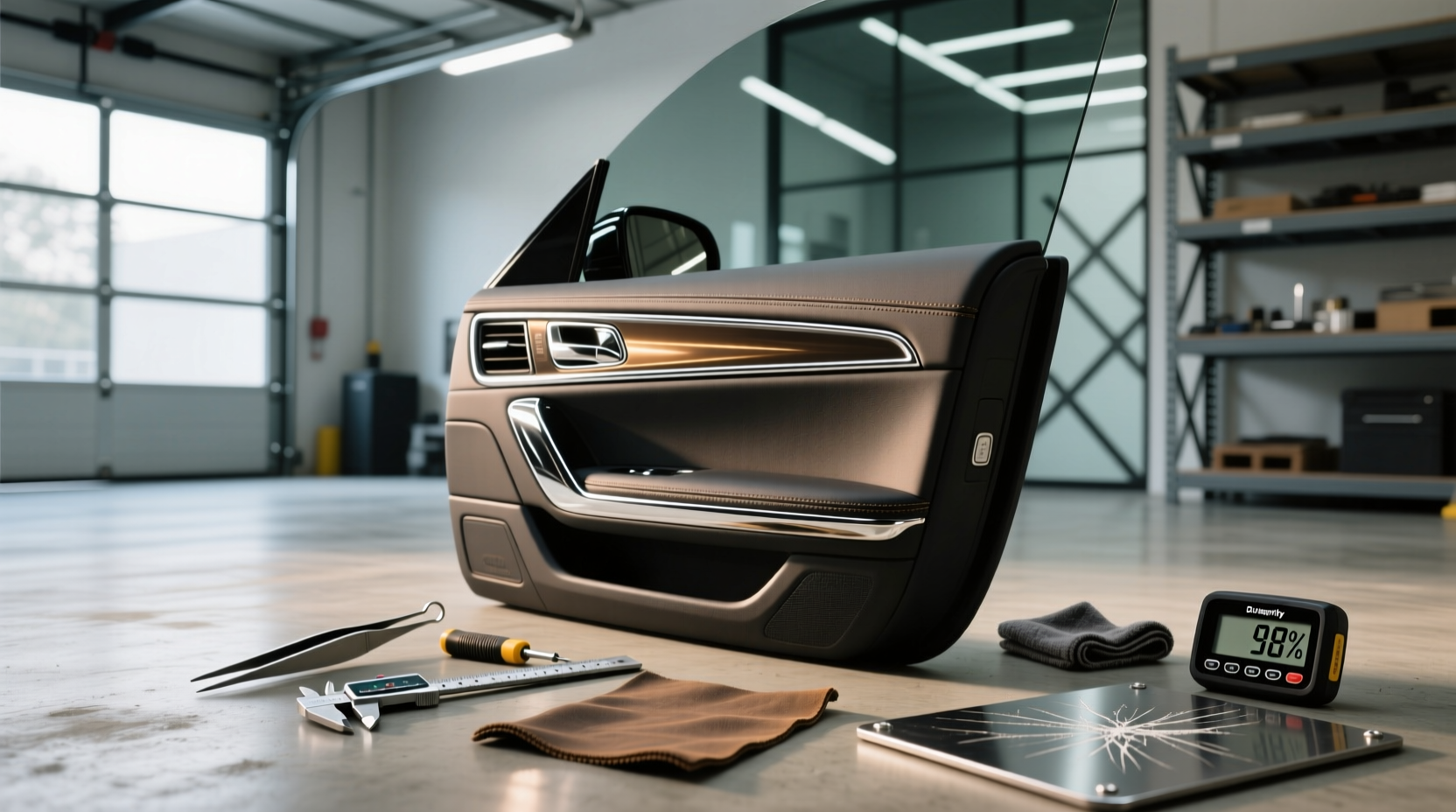
If you're asking how durable is rubber trim?, the answer depends on material type, environment, and use case. For outdoor applications like car doors or windows, EPDM rubber offers the best balance of UV resistance, longevity, and cost-effectiveness 1. In high-heat settings such as kitchens or industrial seals, silicone performs better but costs more. Neoprene resists oils and chemicals—ideal for machinery—while TPE provides recyclability at a higher price point. When choosing rubber chrome trim, consider climate exposure, mechanical stress, and maintenance needs to avoid premature cracking or fading.
About Rubber Chrome Trim and Durability
Rubber chrome trim refers to flexible sealing or decorative strips made from synthetic rubber materials with a metallic or chrome-like finish. These are commonly used around vehicle doors, windows, cabinets, appliances, and architectural edges to provide both aesthetic appeal and functional protection against dust, moisture, and vibration. The key concern—how durable is rubber trim?—depends not just on appearance but on how well it withstands environmental degradation over time.
These trims serve dual roles: they enhance visual design while acting as weatherstripping or impact buffers. Because they’re often exposed to sunlight, temperature swings, and physical contact, their long-term performance hinges on the underlying rubber compound rather than the surface coating alone.
Why Rubber Chrome Trim Is Gaining Popularity
Consumers and manufacturers alike are turning to rubber chrome trim due to its versatility and improved manufacturing techniques. Unlike rigid metal trims that can corrode or dent, rubber-based options absorb impacts and resist chipping. Modern extrusion processes allow precise shaping and consistent chrome plating or film lamination, giving a premium look without the weight or cost of real metal.
The growing interest in how to choose rubber chrome trim reflects increased awareness of material science in everyday products. Buyers now seek solutions that last longer under harsh conditions, especially in automotive and outdoor construction sectors where seal integrity affects energy efficiency and structural durability.
Types and Variants of Rubber Trim Materials
Different base materials define how well rubber chrome trim holds up over time. Below is an overview of the four most common types:
🛒 EPDM Rubber Trim
A widely used synthetic rubber known for excellent resistance to ozone, UV radiation, and extreme temperatures (typically -40°C to +120°C).
- Pros: Highly durable outdoors, cost-effective, good abrasion resistance
- Cons: Less flexible at low temps compared to silicone, not ideal for oil-rich environments
🛒 Silicone Rubber Trim
Offers superior thermal stability (-60°C to +230°C) and chemical inertness, often used in medical, food-grade, and high-temperature industrial applications.
- Pros: Excellent heat and cold resistance, non-toxic, stable under prolonged sun exposure
- Cons: Lower tear strength, higher cost, some variants are not recyclable
🛒 Neoprene Rubber Trim
A chloroprene-based material offering moderate durability with strong resistance to oils, solvents, and flame.
- Pros: Good all-around performance in factories, garages, and HVAC systems
- Cons: Shorter outdoor lifespan than EPDM, prone to hardening in direct UV if unmodified
🛒 TPE (Thermoplastic Elastomer) Trim
A blend of plastic and rubber that’s lightweight, flexible, and fully recyclable. Often used in eco-conscious designs.
- Pros: Environmentally friendly, easy to mold into complex shapes, soft touch feel
- Cons: Limited heat resistance (usually below 100°C), higher raw material cost
Key Features and Specifications to Evaluate
When evaluating rubber chrome trim, focus on measurable attributes that influence longevity and fit:
- 📍 Weather Resistance: Look for EPDM or silicone if installing outdoors. Check for UV stabilizers in product specs.
- ⚡ Temperature Range: Ensure operating range matches your environment—especially critical for engine bays or freezer units.
- 🔧 Mechanical Strength: Consider tensile strength and elongation at break. High-traffic areas need abrasion-resistant compounds like EPDM.
- ✨ Surface Finish: Chrome coatings may be painted, vacuum-metalized, or foil-laminated. Laminated finishes tend to last longer.
- 📏 Dimensional Accuracy: Poorly extruded profiles won’t seal properly. Verify tolerance levels (±0.2mm is standard).
- 🧼 Cleanability: Smooth surfaces resist dirt buildup. Textured finishes may trap grime over time.
Pros and Cons of Rubber Chrome Trim
| Aspect | Advantages | Limitations |
|---|---|---|
| Weather Durability | EPDM/silicone resist cracking for years outdoors | PVC or low-grade rubber degrades within 1–2 seasons |
| Aesthetic Appeal | Chrome finish mimics metal at lower cost | Scratches or peeling possible with poor adhesion |
| Installation Flexibility | Easily cut and bent; adhesive-backed options available | Poor adhesion on dirty or oily surfaces |
| Lifespan | Quality EPDM lasts 10+ years in sunlight | TPE and neoprene may require earlier replacement |
| Environmental Impact | TPE is recyclable; no heavy metals in most formulations | Some silicones and EPDM are not biodegradable |
Suitable for: Automotive edging, window seals, appliance trim, outdoor enclosures.
Not recommended for: Constant immersion in oil/gasoline, structural load-bearing roles, or applications requiring electrical conductivity.
How to Choose Rubber Chrome Trim: A Step-by-Step Buying Guide
Selecting the right trim requires matching material properties to your specific needs. Follow this checklist:
- Determine the Application Environment
- Outdoor? → Prioritize EPDM for UV/ozone resistance.
- High heat? → Choose silicone.
- Oil exposure? → Select neoprene.
- Eco-focused project? → Opt for TPE.
- Check Physical Dimensions
- Measure gap width and depth precisely.
- Confirm whether you need hollow, D-shaped, P-shaped, or custom profiles.
- Evaluate Mounting Method
- Adhesive backing should specify bond strength (e.g., N/cm).
- Mechanical clips offer longer life in high-vibration zones.
- Review Manufacturer Data Sheets
- Ask for ASTM D412 (tensile strength), ASTM G154 (UV testing), and temperature ratings.
- Request Samples Before Bulk Purchase
- Test flexibility, color match, and ease of installation.
Price & Market Insights
Pricing varies significantly based on material, length, and supplier origin:
- EPDM: $0.50–$1.50 per foot (most cost-effective long-term)
- Silicone: $1.20–$3.00 per foot (premium pricing for heat resistance)
- Neoprene: $0.80–$2.00 per foot (mid-range, suited for industrial use)
- TPE: $1.00–$2.50 per foot (higher upfront cost, lower environmental impact)
Prices may vary by region and distributor. Imported trims from Asia are often cheaper but may lack traceable certifications. Domestic suppliers typically offer better technical support and batch consistency. For large projects, bulk discounts (e.g., 100+ feet) can reduce unit costs by 15–30%.
Top-Seller & Competitive Analysis
While specific brand comparisons aren't included here, top-selling rubber chrome trims share these traits:
- Clear labeling of base material (e.g., “100% EPDM”)
- Detailed performance data sheets available online
- Positive customer feedback regarding fade resistance and ease of installation
- Available in standard lengths (1m, 3ft, 5ft) and continuous rolls
| Material | Durability Rating | Best Use Case | Cost Efficiency |
|---|---|---|---|
| EPDM | ⭐⭐⭐⭐☆ | Outdoor, doors, windows | Very cost-effective |
| Silicone | ⭐⭐⭐★☆ | Kitchens, industrial seals | Moderate |
| Neoprene | ⭐⭐★☆☆ | Machinery, oil-prone areas | Moderate |
| TPE | ⭐⭐★☆☆ | Recyclable parts, interiors | Higher initial cost |
When comparing models, prioritize transparency in material composition over marketing claims.
Customer Feedback Synthesis
Analysis of buyer reviews reveals recurring themes:
- Frequent Praise:
- “Lasted 5+ years on my truck without fading” (EPDM users)
- “Easy to cut and install with strong adhesive”
- “Looks like real chrome but doesn’t rust”
- Common Complaints:
- “Peeling chrome layer after 6 months” — often linked to unlabeled or imported trims
- “Too stiff in cold weather” — particularly with lower-grade EPDM or TPE
- “Inconsistent length between batches” — highlights need for quality control
Buyers who checked material specifications beforehand reported higher satisfaction rates.
Sourcing & Supplier Tips
Whether buying retail or sourcing wholesale, follow these guidelines:
- For Retail Buyers: Purchase from vendors who list full material specs. Reputable online stores include downloadable datasheets.
- For Bulk Orders: Request samples and ask about MOQs (minimum order quantities). Typical MOQs range from 50 to 500 meters depending on manufacturer.
- Verification Steps:
- Ask for test reports or compliance statements (e.g., RoHS, REACH).
- Verify return policy in case of defects or mismatches.
- Inspect packaging for batch numbers and production dates.
Consider working with distributors specializing in industrial rubber products—they often provide technical assistance and faster shipping than general marketplaces.
Maintenance, Safety & Legal Considerations
From a safety standpoint, ensure installed trim does not create pinch points or obstruct emergency exits. In commercial buildings or vehicles, verify that materials meet local fire safety standards (e.g., UL 94 for flammability). While most rubber trims are safe, always confirm compliance through manufacturer documentation rather than assuming suitability.
Note: Regulations vary by country and application. For example, food-contact zones require FDA-compliant silicone. Always check manufacturer specs and consult local authorities when using in regulated environments.
Conclusion: If you need long-lasting, weather-resistant trim for outdoor use, choose EPDM rubber chrome trim. For high-temperature environments, go with silicone. Industrial settings with oil exposure benefit from neoprene, while sustainability goals favor TPE. Always verify material type, test samples, and inspect finish quality before committing to large purchases.




 浙公网安备
33010002000092号
 浙B2-20120091-4