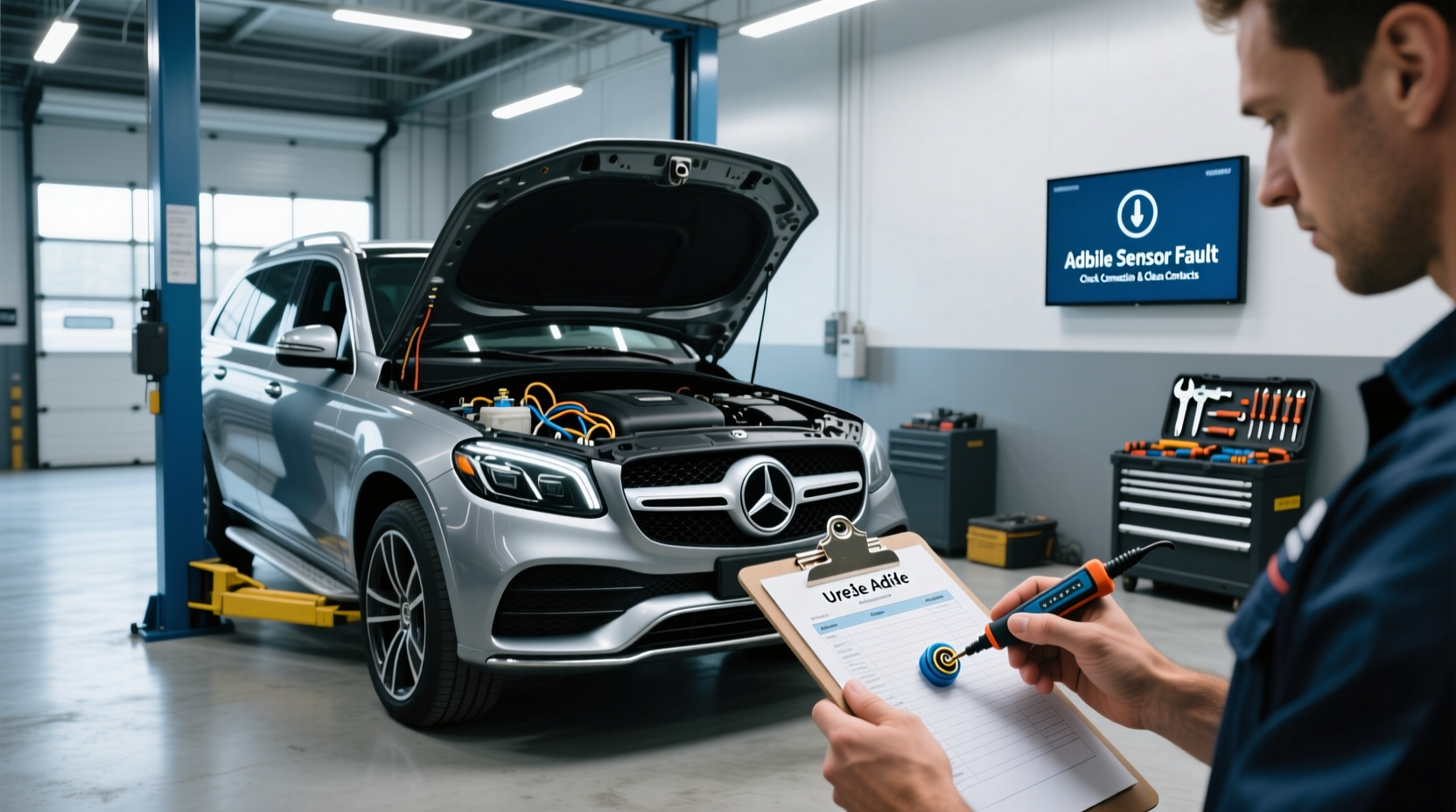
When diagnosing an AdBlue sensor fault, the first step in how to choose urea adblue sensor,How to fix AdBlue sensor fault? is identifying whether the issue stems from the sensor itself, contamination, electrical problems, or software glitches. For most users, replacing a faulty sensor with a high-quality OEM-equivalent unit resolves recurring warning lights and performance limitations. Look for sensors compatible with your vehicle’s SCR system, built with optical or ultrasonic technology for higher accuracy, and resistant to crystallization from low-grade DEF fluid 1. Avoid cheap aftermarket float switches if reliability is critical. Always perform a full system reset after replacement to prevent false error codes.
About Urea AdBlue Sensors and Fixing Sensor Faults
The urea AdBlue sensor, often called a Diesel Exhaust Fluid (DEF) level sensor, monitors the amount of AdBlue solution in the tank of modern diesel vehicles equipped with Selective Catalytic Reduction (SCR) systems 2. AdBlue—a mix of 32.5% urea and 67.5% deionized water—helps convert harmful nitrogen oxides (NOx) into harmless nitrogen and water vapor during exhaust treatment.
These sensors are typically located at the bottom of the AdBlue tank and use hydrostatic pressure, ultrasonic waves, or optical detection to measure fluid levels accurately. The data is sent to the vehicle’s Electronic Control Unit (ECU), which triggers dashboard warnings when levels are low or if a malfunction is detected. A faulty sensor can cause inaccurate readings, leading to premature alerts or even engine derate (limp mode), where vehicle performance is restricted until the issue is resolved 3.
Common issues include false low-fluid warnings, persistent error messages after refilling, and communication failures between the sensor and ECU. Understanding these behaviors is essential when determining what to look for in urea adblue sensor,How to fix AdBlue sensor fault?.
Why AdBlue Sensors Are Gaining Importance
With increasingly strict global emissions regulations like Euro 6 and EPA Tier 4, SCR systems have become standard on most diesel passenger cars, trucks, and commercial fleets. As a result, the reliability of components like the AdBlue sensor has direct implications for compliance, uptime, and operating costs.
Fleet operators and individual drivers alike face growing concerns over unplanned downtime due to sensor faults. Recurring issues lead many to seek durable replacements or explore preventative strategies such as regular system checks and using certified DEF fluids. Additionally, rising awareness about proper diagnostics has increased demand for accurate, long-lasting sensors that minimize false alarms and integration issues.
Types and Variants of AdBlue Sensors
Different technologies are used to detect AdBlue levels, each offering distinct trade-offs in cost, precision, and durability:
- ⚙️Float Switch Sensors: These mechanical devices use a floating arm that rises and falls with the fluid level. They are simple and inexpensive but require sufficient liquid depth to operate and are prone to wear and sticking due to urea crystal buildup.
- 🔍Ultrasonic Point Level Switches: These non-contact sensors emit sound waves to detect fluid presence. They work well across various conditions and avoid physical contact with corrosive fluids, though foam or air bubbles may interfere with readings.
- ✨Optical Level Sensors: Using infrared light, these solid-state sensors detect changes in refraction between air and liquid. Highly sensitive and reliable, they can detect very small amounts of fluid and have no moving parts, making them ideal for harsh environments—but come at a higher price point 1.
Choosing among these depends on your vehicle's design, environmental exposure, and tolerance for maintenance.
Key Features and Specifications to Evaluate
When evaluating options as part of your urea adblue sensor,How to fix AdBlue sensor fault? buying guide, consider the following technical and practical factors:
- Compatibility: Ensure the sensor matches your vehicle make, model, and engine type. Mismatched sensors may not communicate correctly with the ECU.
- Sensing Technology: Optical sensors offer superior accuracy and longevity; ultrasonic models balance performance and cost; float switches are budget-friendly but less reliable over time.
- Temperature Resistance: AdBlue freezes at -11°C (12°F). Sensors should withstand thermal cycling and integrate with heating elements if required.
- Chemical Compatibility: Must resist degradation from urea solution and be sealed against moisture ingress (IP67 or higher recommended).
- Signal Output Type: Check whether your system requires analog (voltage/resistance) or digital (CAN bus) output signals.
- OEM vs Aftermarket: Original equipment offers guaranteed fit and calibration, while some third-party units provide cost savings—if sourced from reputable suppliers.
Pros and Cons of Different Sensor Types
| Sensor Type | Advantages | Disadvantages |
|---|---|---|
| Float Switch | Low cost, easy installation | Prone to clogging, limited sensitivity, shorter lifespan |
| Ultrasonic | Non-contact, works in varied conditions | Sensitive to foam/bubbles, moderate cost |
| Optical | High precision, no moving parts, fast response | Higher initial cost, more complex integration |
This comparison helps clarify which option suits different use cases—such as heavy-duty fleet vehicles needing reliability versus personal cars where cost matters more.
How to Choose a Urea AdBlue Sensor and Fix Faults: Step-by-Step Guide
Follow this checklist when addressing an AdBlue sensor fault or selecting a replacement:
- 🛒Verify the Actual Problem: Before replacing the sensor, confirm it’s faulty. Top up the AdBlue tank to rule out low-level warnings. Inspect for visible damage or corrosion around connectors.
- 🧼Check for Contamination: Poor-quality or contaminated DEF can coat sensors and cause malfunctions. Use only ISO 22241-certified fluid to prevent crystallization.
- 🔧Inspect Electrical Connections: Loose, corroded, or damaged wiring can mimic sensor failure. Test continuity and inspect harnesses leading to the ECU.
- 📊Perform Diagnostic Scan: Use an OBD-II scanner capable of reading SCR-specific codes. Look for P204F, P205A, or similar fault codes indicating sensor circuit issues.
- ✅Select the Correct Replacement: Match the new sensor’s specifications exactly—especially connector type, mounting style, and signal output. Prefer OEM or OE-spec parts for critical applications.
- 🛠️Install and Reset System: After installation, clear all stored codes via diagnostic tool and allow the system to run through a regeneration cycle to verify normal operation.
Red Flags to Avoid:
- ❌ Sensors priced significantly below market average—may indicate substandard materials.
- ❌ Universal-fit claims without specific vehicle compatibility data.
- ❌ Lack of IP rating or chemical resistance documentation.
Price & Market Insights
AdBlue sensor prices vary widely based on technology, brand, and vehicle application:
- Float Switches: $30–$70
- Ultrasonic Sensors: $80–$150
- Optical Sensors: $150–$250+
OEM sensors from dealerships often cost 20–40% more than equivalent aftermarket versions. However, premium replacements from known industrial suppliers (e.g., MacSensor, Process Sensing Technologies) offer better longevity than generic brands.
For fleet managers, investing in higher-tier sensors reduces long-term maintenance costs despite higher upfront pricing. Individual owners might find mid-range ultrasonic models offer the best balance.
| Model Type | Avg. Price | Lifespan Estimate | Best For |
|---|---|---|---|
| OEM Optical Sensor | $220 | 5+ years | Fleets, cold climates |
| Aftermarket Ultrasonic | $110 | 3–4 years | Personal vehicles, moderate use |
| Generic Float Switch | $50 | 1–2 years | Budget repairs, short-term fixes |
Customer Feedback Synthesis
Analysis of user experiences reveals consistent patterns:
Common Praises:
- Optical sensors praised for eliminating false alarms.
- Quick resolution of limp mode after correct sensor replacement.
- Improved reliability when switching from generic to OE-spec units.
Recurring Complaints:
- Incompatible aftermarket sensors causing repeated faults.
- Lack of clear installation instructions with third-party products.
- Short lifespan of low-cost float-type sensors in stop-start driving cycles.
Sourcing & Supplier Tips
When purchasing a replacement:
- Authorized Distributors: Buy from suppliers listed by manufacturers like BASF, Yara, or sensor OEMs for authenticity.
- Online Retailers: Platforms like Amazon or eBay can offer competitive pricing, but verify seller ratings and return policies before buying.
- Wholesale/Bulk Orders: Fleet operators may benefit from bulk procurement through industrial fluid system integrators.
- Verification Steps: Always cross-reference part numbers with your VIN or existing unit. Request spec sheets showing temperature range, IP rating, and compatibility.
Maintenance, Safety & Legal Considerations
To extend sensor life and ensure compliance:
- Use only certified AdBlue/DEF fluid meeting ISO 22241 standards to prevent crystallization.
- Refill before levels drop below 10% to avoid air pockets affecting readings.
- Store spare sensors in dry, temperature-controlled environments.
- Do not disable the SCR system unless permitted under local regulations—tampering may violate emissions laws in regions like the EU, UK, or USA.
- If considering an AdBlue delete (software disable), understand that it may affect resale value and legal compliance—verify rules in your jurisdiction.
Regular inspection every 10,000 miles helps catch early signs of wear or contamination.
Conclusion
If you're troubleshooting recurring AdBlue warnings or planning a proactive upgrade, choosing the right sensor involves balancing accuracy, durability, and compatibility. For most drivers, an optical or ultrasonic sensor matching OEM specs offers the best long-term value. Mechanical float switches are acceptable for temporary fixes but lack reliability. Always pair hardware replacement with proper diagnostics and system resets. Ultimately, success in how to choose urea adblue sensor,How to fix AdBlue sensor fault? comes down to precise identification of the root cause and selecting a component engineered for your operational demands.
Frequently Asked Questions
- Can I drive with a faulty AdBlue sensor? Yes initially, but prolonged neglect may trigger limp mode, reducing engine power.
- Will any AdBlue sensor fit my truck? No—sensors vary by manufacturer and model. Always check compatibility before purchase.
- How do I know if my sensor is bad or just needs cleaning? Perform a diagnostic scan; persistent level-related codes after refill suggest sensor failure.
- Does AdBlue quality affect the sensor? Yes—low-grade or contaminated fluid causes crystallization, impairing sensor function.
- Can I install the sensor myself? If you have basic mechanical skills and proper tools, yes—but incorrect installation may damage seals or wiring.




 浙公网安备
33010002000092号
 浙B2-20120091-4