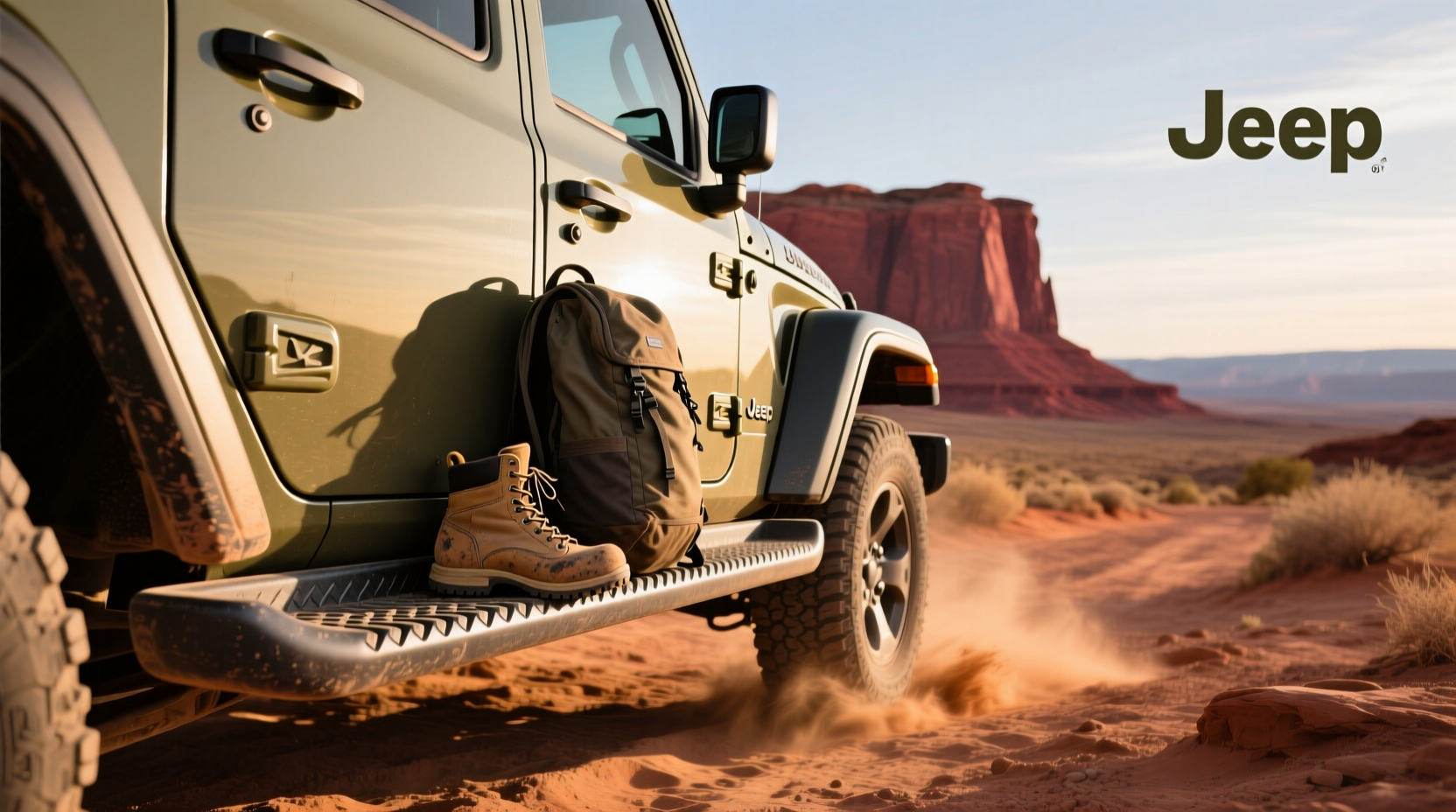
If you're asking how to choose Jeep Wrangler side steps or wondering what the step on the side of a Jeep is called, start here: your choice depends on primary use—daily driving, off-roading, or both. For lifted Jeeps or frequent passengers, running boards offer maximum stability and ease of access ✅. If trail protection is key, rock sliders provide structural defense against rocks and obstacles ⚙️. Nerf bars strike a balance for street-focused builds with light off-road use ✨. Avoid poorly mounted steps that compromise ground clearance or lack anti-slip surfaces ❗. Always verify compatibility with your model year (JK/JL) and lift kit before purchase 🔍.
About Jeep Wrangler Side Steps: What Is the Step on the Side of a Jeep Called?
The step on the side of a Jeep is commonly referred to by several names, depending on design and function. Collectively, these accessories are known as side steps, but more specific terms include nerf bars, running boards, rock sliders, and step bars. While often used interchangeably, each serves distinct purposes 📌.
Side steps improve accessibility to the cabin, especially on taller vehicles like the Jeep Wrangler, which has a higher ground clearance than standard SUVs. They also protect the rocker panels—the lower section of the body between the front and rear wheels—from damage caused by debris, curbs, or off-road contact 🛡️. Understanding the correct terminology helps when researching products and comparing features across retailers.
Why Jeep Wrangler Side Steps Are Gaining Popularity
Jeep owners increasingly install side steps not just for convenience but as functional upgrades that enhance both utility and aesthetics 🌐. With the rise in popularity of lifted Jeeps and aftermarket modifications, accessing the cabin has become more challenging, making steps a practical necessity 👥.
Additionally, rock sliders have gained traction among off-road enthusiasts due to their dual role in providing secure footing and protecting critical vehicle components during rugged terrain navigation ⚡. Urban drivers appreciate running boards for family-friendly ease of entry, while minimalist builds favor sleek nerf bars for a clean look without sacrificing usability 🚗.
Types and Variants of Jeep Wrangler Side Steps
Choosing the right type requires understanding the differences in design, durability, and intended use. Below is an overview of the most common variants:
🛒 Rock Sliders
Heavy-duty frames typically made from thick-wall steel tubing, bolted directly to the Jeep’s frame. Designed primarily for off-road protection, they shield doors and rocker panels from impacts.
- Pros: Maximum trail protection, excellent for rock crawling, can serve as spotting points ⚙️
- Cons: Heavier, more expensive, may limit approach/departure angles ❗
✨ Running Boards
Wide, continuous platforms spanning much of the door length. Offer full-foot support and are ideal for frequent entry/exit.
- Pros: Easiest access, great for families or elderly passengers ✅
- Cons: Less ground clearance, more vulnerable to trail damage, bulkier appearance 🧰
📍 Nerf Bars
Tubular bars mounted along the rocker panel. Provide a narrow stepping surface while maintaining a streamlined profile.
- Pros: Lightweight, affordable, improves curb appeal without major modification ✨
- Cons: Limited foot space, minimal structural protection compared to rock sliders 🔧
📋 Side Steps (General)
Smaller, individual steps positioned near door openings. Often cylindrical or hoop-shaped, offering targeted assistance for entering/exiting.
- Pros: Low-profile, easy installation, cost-effective 🛒
- Cons: Not suitable for all passengers, limited protection 📎
Key Features and Specifications to Evaluate
When assessing options for jeep wrangler side steps, what is the step on the side of a Jeep called?, focus on these measurable factors:
- Material: Steel offers strength but adds weight; aluminum resists corrosion and reduces load; ABS plastic is lightweight but less durable 🔧
- Grip Surface: Textured powder coating, rubber inserts, or serrated metal patterns prevent slipping in wet or muddy conditions 🧼
- Mounting System: Frame-mounted units (common with rock sliders) are sturdier than body-mounted ones (often seen on running boards) ⚙️
- Clearance: Measure drop height from door sill to step surface—ideal range is 12–16 inches for usability without scraping trails 📍
- Compatibility: Confirm fitment with your Wrangler generation (TJ, JK, JL, JT), trim level, and any lift kits installed 🔍
- Weight Capacity: Most rated between 300–500 lbs per step; check manufacturer specs for safety margins ⚖️
Pros and Cons: Who Should Buy Which Type?
No single option fits all needs. Consider your driving environment and priorities:
- Best for Off-Roading: Rock sliders – unmatched protection and durability on rough terrain ⚙️
- Best for Daily Drivers: Running boards or nerf bars – easier access and cleaner aesthetics ✨
- Best for Lifted Jeeps: Extended side steps or drop-down designs that maintain optimal step height 🚚
- Avoid If: You frequently drive on narrow trails where low clearance matters, or if your budget doesn’t allow for high-strength mounting hardware ❌
How to Choose Jeep Wrangler Side Steps: Step-by-Step Buying Guide
Follow this checklist to make an informed decision about what to look for in jeep wrangler side steps:
- Assess Your Use Case: Will you mostly drive on pavement, go off-road occasionally, or tackle serious trails? This determines whether protection (rock sliders) or comfort (running boards) takes priority ⏱️
- Check Vehicle Modifications: If you have a lift kit, ensure the side steps are designed for increased ride height. Some models include adjustable brackets 📊
- Verify Mounting Points: Frame-mounted systems offer superior strength, especially under impact. Body mounts may flex or fail over time ⚠️
- Evaluate Grip and Tread: Look for non-slip surfaces tested in adverse weather. Avoid smooth finishes unless coated with anti-slip material ✅
- Compare Installation Requirements: Most kits claim 'no-drill' installation, but verify included hardware and tools needed. Complex setups may require professional help 🔧
- Review Warranty and Return Policy: Reputable brands offer 1–5 year warranties. Confirm return eligibility in case of fitment issues 📝
Red Flags to Avoid:
- Products lacking clear weight ratings or material specifications ❗
- Cheap imports with vague compatibility claims (e.g., “fits most Wranglers”) 🚫
- Steps that protrude beyond fender lines, increasing risk of trail damage ⚠️
- Missing protective bushings or vibration dampeners leading to noise or wear 🔄
Price & Market Insights
Pricing varies widely based on material, brand, and type:
- Budget Tier ($80–$180): Basic nerf bars or side steps made from mild steel or aluminum; suitable for street use only 💵
- Mid-Range ($180–$400): Quality running boards or entry-level rock sliders with better finish and mounting hardware 📈
- Premium ($400+): Heavy-duty rock sliders with CNC machining, reinforced gussets, and lifetime warranties 🏭
Prices may vary by region and retailer. OEM parts (e.g., Mopar step bars) tend to be pricier but guarantee perfect fitment. Aftermarket options offer more customization at competitive rates. Always factor in potential labor costs if professional installation is required.
Top-Seller & Competitive Analysis
While no single product dominates all categories, certain models consistently receive positive feedback for reliability and design. Below is a comparison of representative types:
| Feature | Rock Sliders | Running Boards | Nerf Bars |
|---|---|---|---|
| Primary Use | Serious off-roading | Daily commuting | Light off-road/street |
| Material | Heavy-gauge steel | Aluminum or composite | Steel or aluminum |
| Installation | Frame-mounted, complex | Body-mounted, moderate | Simple bolt-on |
| Avg. Price | $400–$800+ | $200–$500 | $100–$250 |
| Lifespan | Long-term (5+ yrs) | Medium (3–5 yrs) | Short–medium (2–4 yrs) |
This comparison reflects general market trends and does not endorse specific brands. Always check current reviews and specifications before purchasing.
Customer Feedback Synthesis
Based on aggregated user experiences, here are the most common points:
- Frequent Praises: Improved ease of entry, enhanced vehicle appearance, solid build quality (especially with welded steel sliders), straightforward installation for basic models ✅
- Common Complaints: Misaligned holes requiring drilling, paint chipping due to vibration, inadequate instructions, poor packaging leading to shipping damage 📦
- Recurring Issues: Compatibility errors with aftermarket bumpers or skid plates, difficulty cleaning mud buildup on tread surfaces, excessive noise at highway speeds 🔊
To minimize risks, read recent customer reviews focusing on real-world fitment and long-term durability.
Sourcing & Supplier Tips
Whether buying retail or sourcing in bulk, consider the following:
- Purchase from reputable suppliers with dedicated Jeep expertise (e.g., Quadratec, ExtremeTerrain, Off Road Warehouse) 🔗
- For resale or distribution, inquire about wholesale programs or drop-shipping options 👥
- Inspect received items for weld integrity, coating uniformity, and included hardware upon delivery 🧰
- Request product certifications (e.g., salt spray test results for corrosion resistance) when available 📋
- Confirm return policies and warranty handling procedures before ordering 📎
Maintenance, Safety & Legal Considerations
Proper upkeep extends lifespan and ensures safe operation:
- Clean steps regularly to remove dirt, mud, and road salts, especially after off-road trips 🧼
- Inspect bolts and mounting points every 6 months for looseness or stress cracks 🔧
- Tighten hardware as recommended by the manufacturer to prevent rattling or failure ⚙️
- In some regions, protruding accessories may be subject to local regulations regarding width or pedestrian safety—verify compliance with municipal rules 🌍
- Ensure steps do not interfere with airbag sensors or door operation when closed ❗
Conclusion: Matching Your Needs to the Right Side Step
Understanding what the step on the side of a Jeep is called and how it functions is essential for making a smart purchase. If you need maximum off-road protection and run heavy trails, rock sliders are the optimal choice. For everyday usability and passenger comfort, especially in family vehicles, running boards deliver unmatched convenience. Those seeking a middle ground—style, modest protection, and affordability—should consider nerf bars or compact side steps.
Always prioritize proper fitment, durable materials, and secure mounting. Avoid cutting corners on hardware or assuming universal compatibility. By aligning your selection with actual usage patterns, you’ll gain both functionality and peace of mind.
Frequently Asked Questions
- Q: What is the step on the side of a Jeep called?
A: It's commonly called a side step, nerf bar, running board, or rock slider—each differing in design and purpose. - Q: Can I install side steps on a lifted Jeep Wrangler?
A: Yes, but choose models designed for lifted suspensions to maintain proper step height and clearance. - Q: Do rock sliders affect ground clearance?
A: They can reduce effective clearance if not angled properly, so look for designs optimized for trail use. - Q: Are running boards good for off-roading?
A: Generally no—they’re prone to damage on rough terrain and can get hung up on obstacles. - Q: How do I maintain my Jeep side steps?
A: Clean them regularly, inspect bolts for tightness, and touch up scratches to prevent rust.




 浙公网安备
33010002000092号
 浙B2-20120091-4