Short Introduction: What to Look for in LED Illuminated Door Sill
When choosing an LED illuminated door sill, focus first on compatibility with your car model, power source (wireless battery vs. hardwired), material durability, and lighting behavior. The right choice enhances both safety and interior aesthetics while protecting entry areas from wear. For most users seeking a balance of ease and value, wireless stainless steel models with auto-sensing LEDs offer reliable performance without complex installation 1. Avoid cheap plastic units that may crack or lack proper waterproofing—these are common pain points reported by owners. Understanding how LED door sills work and their real-world benefits helps avoid overspending on unnecessary features.
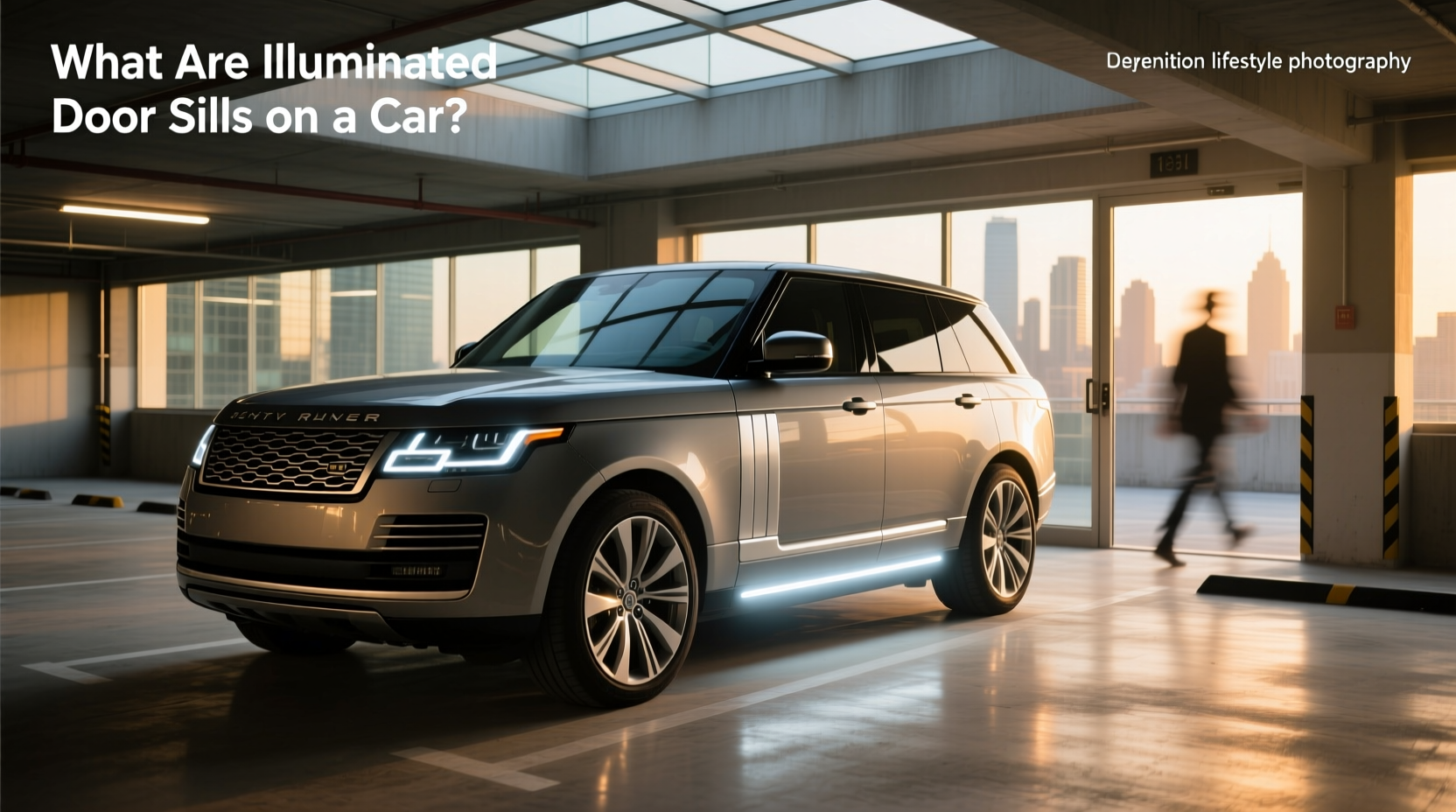
About LED Illuminated Door Sill: What Are Illuminated Door Sills on a Car?
📍An LED illuminated door sill is a trim panel installed along the lower edge of a vehicle’s door frame, typically at the front and rear entry points. When the door opens, built-in LEDs activate, casting a soft glow onto the ground or threshold area. Originally found only in luxury vehicles like BMW, Mercedes-Benz, and Audi 2, this feature has become widely available as an aftermarket upgrade for sedans, SUVs, hatchbacks, and electric vehicles such as Tesla 3.
These sills serve dual purposes: they improve visibility when entering or exiting the car in low-light conditions, and they protect the door jamb from scuff marks caused by shoes. Many also include branding elements—such as the automaker’s logo or custom text—which illuminate upon activation, adding a personalized touch to the cabin experience.
Why LED Illuminated Door Sill Is Gaining Popularity
📈The rise in popularity of illuminated door sills reflects broader trends in automotive personalization and interior refinement. Consumers increasingly view vehicle interiors as extensions of personal style, similar to home or office spaces. According to market analysis, the global automotive door sills market was valued at USD 7.6 billion in 2024 and is projected to grow at a CAGR of 7.4% through 2034 4.
Key drivers include:
- Luxury democratization: Features once exclusive to premium brands are now accessible via affordable aftermarket kits.
- Safety awareness: Improved step-in visibility reduces tripping risks, especially in parking garages or nighttime settings 5.
- Resale value consideration: Well-maintained, branded sills can help preserve interior condition and perceived care 6.
- Customization demand: Buyers want unique touches like engraved names, logos, or color-matched lighting.
Types and Variants
📋Different types of LED door sills vary by design, material, power method, and functionality. Choosing the right one depends on your priorities: ease of installation, longevity, appearance, or budget.
| Type | Pros | Cons |
|---|---|---|
| Wireless Battery-Powered | No wiring needed; easy DIY install; doesn’t drain car battery | Batteries need replacement every 6–18 months; slightly dimmer light output |
| Hardwired (OEM-style) | Always powered; consistent brightness; integrates with door-open signal | Requires professional installation; risk of electrical issues if improperly wired |
| Stainless Steel | Highly durable; resists scratches and corrosion; maintains resale appeal | Heavier; higher cost; cold feel in winter |
| Aluminum Alloy | Lightweight; good strength-to-weight ratio; often less expensive | Less scratch-resistant than stainless steel; may oxidize over time |
| Plastic/Acrylic | Cheapest option; lightweight; wide range of colors | Poor durability; prone to cracking; not suitable for frequent use |
Key Features and Specifications to Evaluate
🔍To make an informed decision, assess these core specifications when reviewing products:
- Fitment Type: Universal vs. model-specific. Model-specific fits better and looks OEM-like but costs more.
- Material Quality: Look for 304-grade stainless steel or aircraft-grade aluminum for long-term protection.
- LED Color Options: Single-color (commonly blue, white, red) vs. RGB (customizable). Note: Some regions restrict certain colors (e.g., flashing red/blue).
- Activation Mechanism: Auto-sensing (door-open trigger) is standard; manual switches are rare and inconvenient.
- Water Resistance: IP65 or higher rating ensures protection against moisture and road grime.
- Mounting Method: Adhesive tape (3M VHB recommended) vs. screws. Tape is cleaner but may fail in extreme temperatures.
- Text/Logo Customization: Engraved logos or text add personalization but may extend delivery time.
Pros and Cons
✅ Pros: Enhanced entry visibility, interior protection from scuffs, added luxury ambiance, potential resale value benefit, customizable appearance.
❌ Cons: Poor-quality units may flicker or fail prematurely, adhesive failure in hot climates, non-OEM installations might void warranty (check with dealer), limited utility in well-lit environments.
Ideal for urban drivers, families with children, or those who frequently park in dark areas. Less beneficial for garage-based users with ample ambient lighting.
How to Choose LED Illuminated Door Sill: Step-by-Step Guide
🛒Follow this checklist to ensure you select the best product for your needs:
- Confirm Vehicle Compatibility: Check whether the sill is designed for your make, model, and year. Measure your door opening if using universal kits.
- Select Power Type: Prefer wireless unless you’re comfortable with wiring. Hardwired offers reliability but increases complexity.
- Evaluate Build Material: Prioritize metal over plastic. Stainless steel offers superior protection and longevity.
- Choose Lighting Behavior: Ensure it activates automatically upon door opening and turns off after closure to conserve battery or system load.
- Check Waterproof Rating: Aim for IP65 or better, especially in rainy or snowy climates.
- Review Mounting System: High-bond double-sided tape (like 3M) is preferred for clean finish. Screws offer permanence but require drilling.
- Avoid These Red Flags:
- No clear specification of material or IP rating
- Overly bright or flashing LEDs (can be distracting or illegal)
- Customer reviews mentioning poor adhesion or broken clips
- Vague fitment claims (“fits most cars”)
Price & Market Insights
💰Prices vary significantly based on type and quality:
- Budget Tier ($15–$30): Plastic or thin aluminum, basic LED, adhesive-only mount. Suitable for short-term use or testing.
- Mid-Range ($35–$70): Stainless steel or alloy, auto-sensing LEDs, IP65 rated, model-specific fit. Best value for most buyers.
- Premium ($75–$150+): OEM-replacement grade, laser engraving, RGB control, full weatherproofing. Often sold through dealerships or specialty shops.
Note: Prices may differ by region and retailer. Always compare specs, not just price. A $40 stainless unit outperforms a $60 poorly made one.
Top-Seller & Competitive Analysis
⭐Popular models often combine durability, correct fit, and reliable illumination. While specific brand recommendations aren't provided here, consider these evaluation criteria when comparing top sellers:
| Feature | High Performer | Low Performer |
|---|---|---|
| Material | 304 Stainless Steel | Thin Plastic |
| Power Source | Wireless + Auto-Sensing | Manual Switch / No Sensor |
| Weather Resistance | IP65 or Higher | No Rating Listed |
| Installation | Pre-Cut for Specific Model | Universal Fit Only |
| Customer Ratings | 4.5+ Stars (100+ Reviews) | Below 4 Stars or Few Reviews |
Use this framework to objectively compare listings across platforms like Amazon, eBay, or automotive specialty retailers.
Customer Feedback Synthesis
👥Analysis of verified buyer feedback reveals recurring themes:
Common Praises:
- “Easy to install—no tools required.”
- “Looks factory-installed; great ambiance.”
- “Helps kids see where to step at night.”
- “Durable metal construction feels premium.”
Frequent Complaints:
- “Adhesive failed after two months in summer heat.”
- “Lights don’t turn off automatically.”
- “Didn’t fit perfectly; gaps visible.”
- “Battery died within six months.”
These insights highlight the importance of quality materials and precise fitment.
Sourcing & Supplier Tips
🌐When purchasing, consider the following:
- Reputable Retailers: Stick to established marketplaces with return policies (e.g., Amazon, authorized auto parts stores).
- OEM vs. Aftermarket: OEM parts guarantee perfect fit but cost more. Aftermarket offers flexibility and lower prices but requires careful vetting.
- For Bulk Buyers: If sourcing for resale or fleet use, request samples first. Confirm packaging, labeling, and compliance documentation (CE, RoHS).
- Verification Steps:
- Check product images for material texture (metal vs. plastic)
- Read negative reviews for patterned issues (e.g., adhesive failure)
- Contact seller with fitment questions before ordering
Maintenance, Safety & Legal Considerations
🧼Maintenance is minimal but important:
- Clean with mild soap and water; avoid abrasive cleaners.
- Inspect adhesive monthly in high-heat or humid climates.
- Replace batteries promptly when brightness dims (for wireless models).
Safety-wise, ensure lights do not create glare that distracts the driver or passengers. Also, verify local regulations—some jurisdictions restrict underglow or colored external lighting, even if internal-facing. While door sill lights are generally exempt, confirm with your regional transport authority if unsure.
Conclusion
If you want improved nighttime visibility and a refined interior look, LED illuminated door sills are a practical upgrade. For most consumers, a model-specific, stainless steel, wireless unit with auto-sensing LEDs and IP65 rating provides the best balance of function, durability, and ease of installation. Avoid low-cost plastic versions lacking clear specifications. Always verify fitment and review independent customer feedback before buying.
FAQs
What are illuminated door sills on a car used for?
They provide ambient lighting when doors open, improving step-in visibility and protecting the door frame from scuff marks. They also enhance interior aesthetics and can display logos or custom text.
Do LED door sills drain the car battery?
No, most aftermarket models are either battery-powered or draw minimal current only when the door is open. Hardwired OEM systems are designed to shut off automatically and do not impact battery life under normal use.
Can I install illuminated door sills myself?
Yes, many wireless models use strong adhesive tape and require no wiring. Just clean the surface thoroughly and press into place. Hardwired versions may require professional help.
Are illuminated door sills worth it for resale value?
High-quality, cleanly installed sills can contribute to a well-maintained impression, potentially supporting resale value. However, flashy or poorly fitted units may have the opposite effect.
How long do LED door sill lights last?
LEDs typically last 30,000–50,000 hours. Battery-powered units may need battery replacement every 6–18 months depending on usage. Proper sealing extends lifespan in wet conditions.




 浙公网安备
33010002000092号
 浙B2-20120091-4