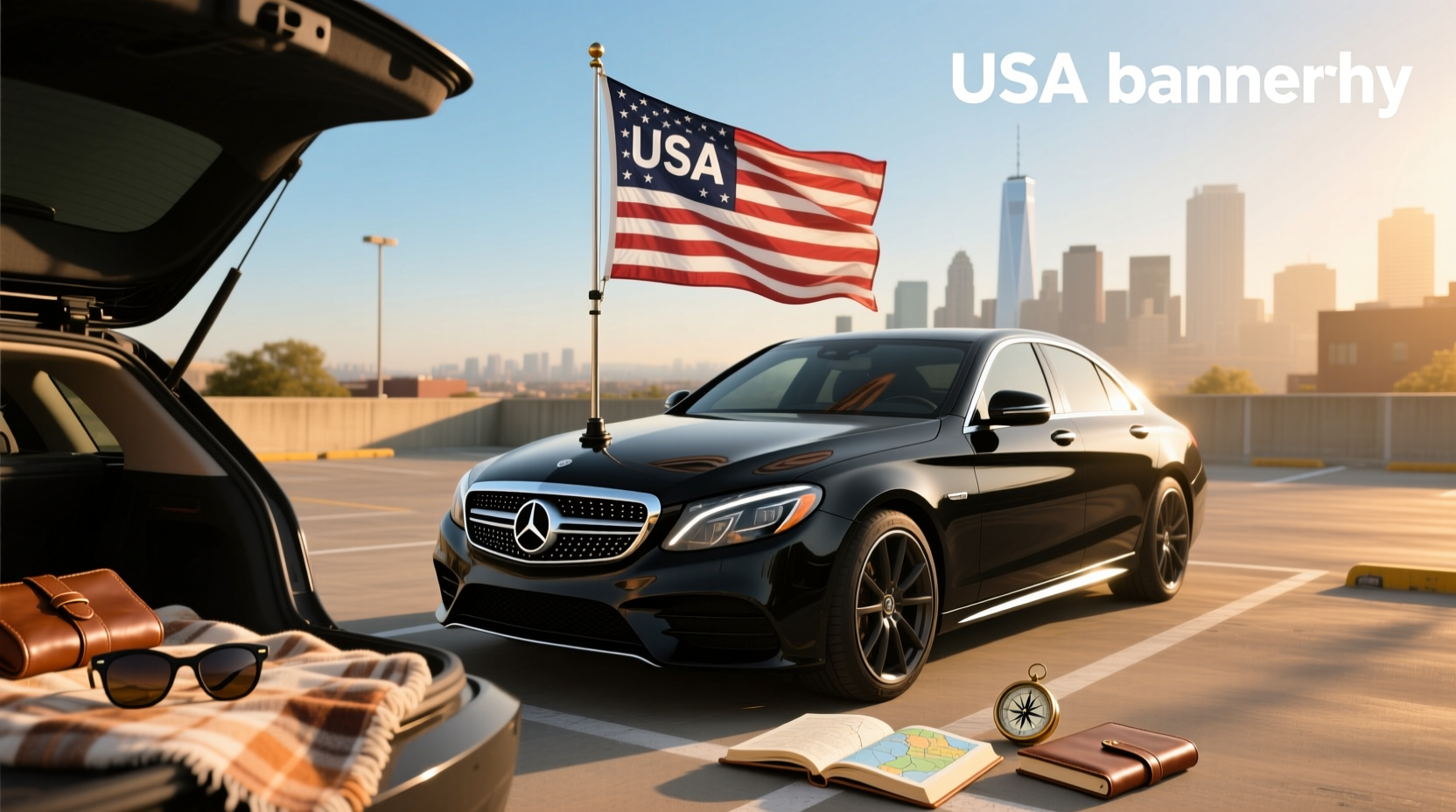
If you're asking how to choose car flag mount, where to put a flag on your car?, the answer starts with safety and legality. The best placement avoids obstructing driver visibility, never blocks the license plate, and secures the flag firmly to prevent detachment at speed. For American flags, U.S. Code recommends mounting the staff to the chassis or clamping it to the right fender—never the left side 1. Avoid draping the flag over the hood or sides, which violates flag etiquette. Window mounts and trunk attachments are popular for decorative or promotional use but must not impair rear visibility. Always check local laws—some states, like Florida, regulate overhangs beyond 4 feet, requiring red markers 2. When selecting a mount, prioritize secure attachment, correct height, and weather-resistant materials.
About car flag mount, Where to put a flag on your car?
A car flag mount is a hardware assembly designed to securely attach a flag to a vehicle. It typically includes a pole, base, clamp, or suction system that holds the flag in place during motion. The question of where to put a flag on your car depends on the flag’s purpose—whether it's for decoration, advertising, national pride, funeral processions, or safety compliance.
Common applications include displaying the American flag during patriotic events, promoting a business via rooftop or trunk flags, marking funeral vehicles, or attaching high-visibility safety flags to long loads. Each use case demands specific mounting solutions and adherence to visual and legal standards. For instance, funeral processions often use window-mounted or antenna flags to signal their status to other drivers 3, while commercial vehicles may require elevated poles on bull bars to meet visibility regulations.
Why car flag mount, Where to put a flag on your car? is gaining popularity
The growing interest in car flag mounts reflects broader cultural, commercial, and emotional trends. Individuals use flags to express identity, patriotism, or support for causes. Businesses install branded flags on company vehicles as mobile advertising. Farmers, loggers, and equipment haulers use tall safety flags to mark over-length trailers or machinery 4.
Fuel for this trend also comes from social media, where decorated cars appear in parades, weddings, and memorial drives. These visual displays create community recognition and respect, especially in funeral processions. Additionally, increased awareness of road safety has led more drivers to adopt visible markers for extended loads. As customization becomes more accepted, so does the demand for reliable, easy-to-install flag mounting systems that comply with traffic rules.
Types and variants
Different flag uses require different mounting types. Here are the most common variants:
- 🛒 Window Mounts: Use suction cups or adhesive brackets attached to side or rear windows. Ideal for temporary displays like promotions or celebrations.
- Pros: Easy installation, no permanent modification, affordable.
- Cons: Risk of falling off at high speeds; may obstruct view if poorly placed.
- 📍 Fender Mounts: Clamp directly onto the right front fender. Required by U.S. flag code for proper American flag display 1.
- Pros: Compliant with federal guidelines, stable, traditional appearance.
- Cons: Limited to certain vehicle types; may scratch paint without padding.
- 🔧 Trunk Mounts: Attach via magnets, clips, or straps to the trunk lid. Common for advertising flags.
- Pros: High visibility, reusable, suitable for flat surfaces.
- Cons: Can interfere with trunk opening; risk of detachment on rough roads.
- 🏭 Bull Bar / Headboard Mounts: Used for safety flags on trucks or trailers. Pole extends vertically from front or rear bumpers.
- Pros: Meets height requirements (3.2–4.2 meters), highly visible.\li>
- Cons: Requires sturdy vehicle frame; not aesthetic for personal vehicles.
- 👥 Hood or Roof Mounts: Flags mounted under the hood or on roof racks, often for funerals or ceremonies.
- Pros: Symbolic, respectful placement.\li>
- Cons: May violate flag code if draped improperly; requires careful securing.
Key features and specifications to evaluate
When assessing how to choose car flag mount, where to put a flag on your car?, consider these technical and practical factors:
- ✅ Mounting Stability: Ensure the base resists vibration and wind flutter. Look for rubberized grips or locking mechanisms.
- ⚙️ Pole Material & Flexibility: Fiberglass or flexible plastic poles resist breaking in wind. Metal poles are durable but can snap under stress.
- ✨ Flag Fabric: Nylon or polyester flags withstand UV exposure and frequent flying. Avoid cotton for outdoor use.
- 🚚 Height & Visibility: Safety flags should extend 3.2–4.2 meters from ground level 4. Decorative flags should be clearly seen without blocking lights or plates.
- ⏱️ Installation Time: Suction-based mounts install in seconds; fender clamps may require tools.
- ⚡ Wind Resistance Rating: Check manufacturer specs for maximum safe wind speed (e.g., up to 60 mph).
- 🌐 Compatibility: Confirm fit with your vehicle type—sedans, SUVs, trucks, or hearses may need different brackets.
Pros and cons
- Funeral processions to identify lead vehicles
- Mobile advertising for small businesses
- Marking overhanging loads for safety
- Expressing national pride legally and respectfully
- It blocks the driver’s view through windshield, side mirrors, or rear window
- The flag obscures the license plate or brake lights
- Mounting on the left side of the vehicle (for U.S. flag)
- The load extends more than 4 feet rearward without additional warning markers
How to choose car flag mount, Where to put a flag on your car?
Follow this step-by-step guide to make an informed decision:
- 🔍 Define Your Purpose: Is it for patriotism, advertising, mourning, or safety? This determines the flag type and ideal location.
- 📊 Select Mounting Location:
- Right fender for U.S. flags (per federal code)
- Trunk or window for promotional flags
- Bull bar or headboard for safety flags
- 📈 Evaluate Materials: Choose UV-resistant fabric and corrosion-proof hardware. Stainless steel or powder-coated bases last longer.
- 📌 Check Local Laws: Some states restrict overhangs or mandate marker flags. Verify with your DMV or state transportation site.
- 📋 Review Installation Method: Prefer tool-free setups for occasional use; permanent bolts for commercial fleets.
- 📎 Avoid These Mistakes:
- Mounting on the driver’s side
- Allowing flag to flap into view of mirrors
- Using damaged or faded flags
- Ignoring wind conditions during installation
Price & market insights
Car flag mounts vary widely in price based on type, material, and brand:
- Basic Window/Suction Mounts: $8–$15. Suitable for short-term decoration.
- Fender Clamps with Pole: $15–$30. Often include nylon flag and mounting kit.
- Safety Flag Assemblies (Pole + Base + Flag): $25–$50. Designed for trucks and trailers, meeting DOT visibility standards.
- Custom or Heavy-Duty Systems: $50+. May include rotating bases or reinforced poles.
Prices may vary by region and retailer. Bulk purchases (10+ units) often reduce per-unit cost by 15–30%. Consider total value—not just upfront price—but also durability and ease of reuse.
Top-seller & competitive analysis
While specific brands aren’t endorsed, top-selling models share common traits: secure clamping, weather-resistant materials, and compliance with flag display norms. Below is a comparison of typical configurations:
| Mount Type | Avg. Price | Best For | Compliance Notes |
|---|---|---|---|
| Right Fender Clamp | $18–$28 | U.S. flag display | Meets U.S. Code §7 |
| Window Suction Mount | $10–$16 | Promotions, events | Ensure no mirror obstruction |
| Trunk Magnetic Mount | $12–$20 | Business branding | Not for aluminum-bodied cars |
| Safety Pole (Bull Bar) | $30–$45 | Long loads, trailers | Must reach 3.2–4.2m height |
Customer feedback synthesis
Analysis of user reviews reveals consistent themes:
- Frequent Praises:
- Easy setup with clear instructions
- Flag remains upright even at highway speeds
- Durable stitching and fade-resistant colors
- Common Complaints:
- Suction cups fail in hot weather
- Clamps scratch paint without protective pads
- Poles bend under strong winds
- Flags tangle or wrap around pole
To avoid issues, inspect seals on suction mounts, use padded clamps, and select flags with dual grommets or swivel clips.
Sourcing & supplier tips
You can find car flag mounts at automotive stores, online marketplaces, and specialty flag retailers. For bulk orders (e.g., fleet branding or event supplies), consider working directly with manufacturers via B2B platforms. When sourcing:
- Verify return policies in case of fitment issues.
- Request material specifications (e.g., pole tensile strength, fabric denier).
- For resale or distribution, confirm MOQ (Minimum Order Quantity) and lead times.
- Inspect samples for weld quality, finish, and smooth operation before large purchases.
Maintenance, safety & legal considerations
Proper care extends the life of your flag mount:
- 🧼 Clean flags regularly to prevent dirt buildup that increases wind resistance.
- 🌍 Store flags indoors when not in use to reduce UV degradation.
- 🔗 Inspect mounts monthly for loose screws, rust, or worn rubber grips.
- ❗ Never drive with a torn or tangled flag—it can become a projectile.
- 📝 Remember: Laws vary by state. While federal guidelines exist for U.S. flag display, individual states regulate physical obstructions and overhangs. Always confirm local regulations before permanent installation.
Conclusion
Choosing the right car flag mount and knowing where to put a flag on your car involves balancing visibility, safety, legality, and purpose. If you’re displaying the American flag, use a right fender mount to follow federal guidelines. For advertising, window or trunk mounts offer convenience. For long loads, invest in a compliant safety flag system. Avoid any placement that blocks vision or license plates. Always secure the flag firmly and inspect it regularly. By focusing on proper placement and durable components, you ensure both respect for symbolism and road safety.
FAQs
- Can I mount a flag on the left side of my car?
- No. For U.S. flags, federal guidelines specify mounting on the right fender or chassis so the union (blue field) appears in the upper left when viewed from the front. Left-side mounting reverses this, violating flag etiquette 1.
- Is it legal to fly a flag from my car in all states?
- Most states allow flag displays if they don't obstruct vision or cover license plates. However, some states like Florida have specific rules about rear overhangs exceeding 4 feet, requiring red flags or lights 5. Always verify with your local DMV.
- What size flag is appropriate for my vehicle?
- Typical car flags range from 12x18 inches to 24x36 inches. Larger flags increase wind load, so ensure your mount is rated for the size. Avoid flags that extend past the vehicle’s edges unless marked as overhanging cargo.
- Can I use a car flag mount for non-U.S. flags?
- Yes. While U.S. flag code applies only to the American flag, general safety principles still apply: avoid obstructing views, secure the mount properly, and follow local laws regarding placement and size.
- Do I need special permission for funeral procession flags?
- No formal permit is required in most areas, but funeral flags are traditionally allowed as part of respectful observance. They help identify procession vehicles and may grant courtesy right-of-way. Check local ordinances if using flashing lights or sirens.




 浙公网安备
33010002000092号
 浙B2-20120091-4