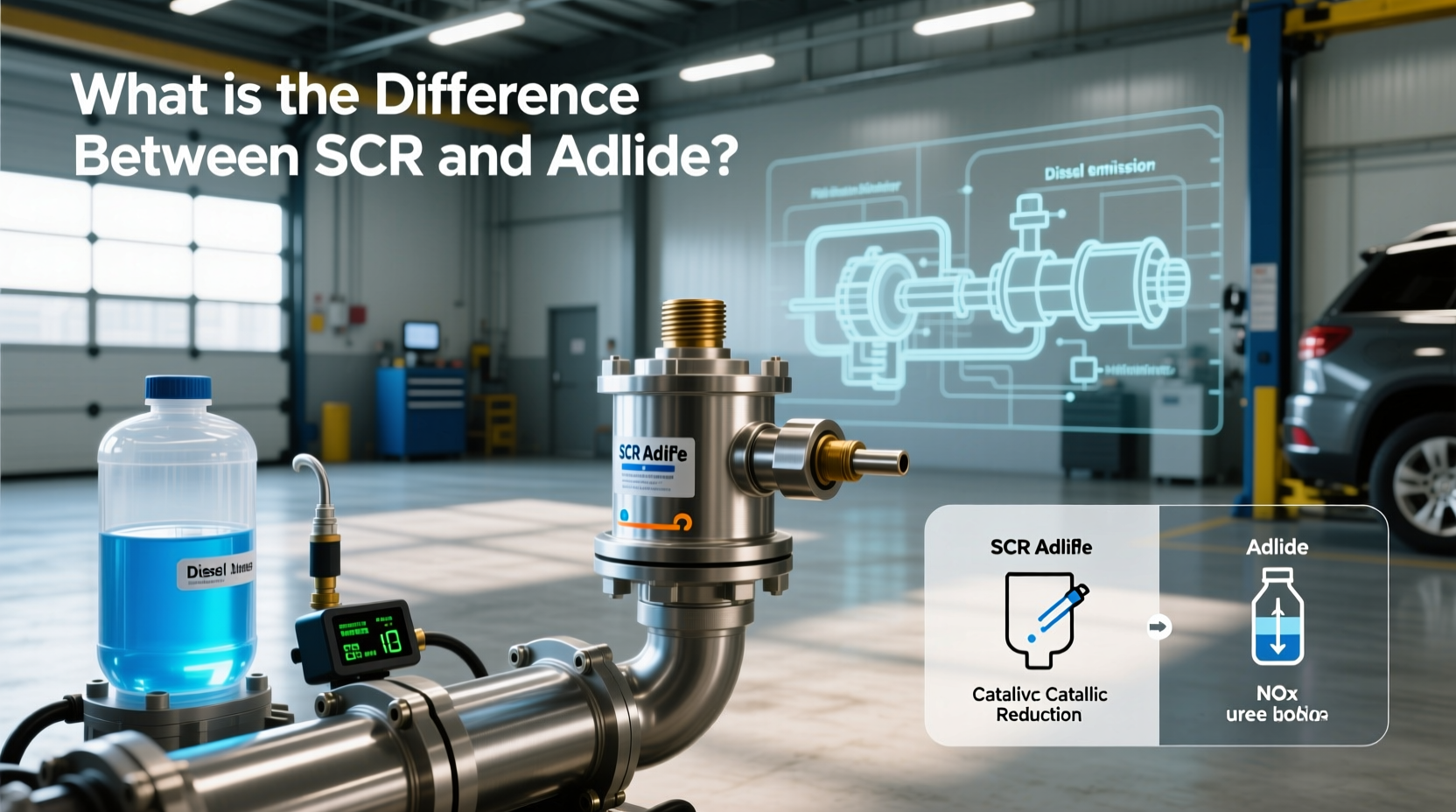
When choosing a scr adblue urea sensor, it’s essential to understand what sets SCR systems apart from AdBlue fluid — one is the technology, the other is the consumable 1. The urea sensor monitors AdBlue level, quality, and temperature to ensure proper NOx reduction. Look for sensors with accurate concentration detection, wide temperature tolerance (-20°C to +80°C), and OEM compatibility. Avoid generic models without calibration data or freeze-protection features, especially if operating in cold climates. For reliable performance, prioritize units with integrated heating elements and corrosion-resistant materials like stainless steel or specialized polymers.
Short Introduction
Selecting the right scr adblue urea sensor requires more than just matching part numbers — you need to understand how Selective Catalytic Reduction (SCR) systems interact with diesel exhaust fluid (DEF), commonly known as AdBlue. Many buyers confuse the system (SCR) with the fluid (AdBlue), but they serve entirely different roles 2. The urea sensor ensures that the correct amount of high-purity urea solution is available and effective for converting harmful nitrogen oxides (NOx) into harmless nitrogen and water vapor. When shopping for a replacement or upgrade, focus on accuracy in measuring urea concentration, resistance to crystallization, thermal stability, and compatibility with your vehicle’s control unit. Units failing these criteria can trigger false warnings or reduce emissions efficiency, potentially leading to compliance issues or engine derates.
About scr adblue urea sensor,What is the difference between SCR and AdBlue?
The distinction between SCR and AdBlue is foundational to making informed purchasing decisions 3. SCR refers to the entire emission control system installed in diesel engines, designed to reduce NOx emissions through chemical conversion. It includes components such as catalysts, injectors, dosing pumps, control modules, and sensors. In contrast, AdBlue is a non-toxic, colorless fluid composed of 32.5% automotive-grade urea and 67.5% deionized water. It acts as the reductant agent within the SCR process.
📍 The scr adblue urea sensor sits at the intersection of both: it monitors the condition and availability of AdBlue inside its storage tank to support the overall function of the SCR system. Typical use cases include commercial trucks, buses, construction equipment, agricultural machinery, and modern passenger vehicles complying with Euro 6 or EPA Tier 4 standards. These sensors are critical because incorrect readings can lead to under-dosing (reducing NOx conversion) or over-dosing (causing ammonia slip), both of which compromise environmental performance and regulatory compliance 4.
Why scr adblue urea sensor,What is the difference between SCR and AdBlue? is gaining popularity
⚙️ Stricter global emissions regulations are driving widespread adoption of SCR technology across transportation and industrial sectors. As governments enforce tighter limits on NOx emissions, manufacturers rely on AdBlue-enabled SCR systems to meet requirements without sacrificing fuel efficiency. This shift has increased demand for reliable scr adblue urea sensors capable of real-time monitoring under variable operating conditions.
📈 Fleets aiming to maintain uptime while avoiding fines benefit from predictive diagnostics enabled by advanced urea sensors. Additionally, telematics integration allows remote monitoring of DEF levels and quality, improving maintenance planning. Operators in cold regions also face growing needs for sensors with built-in freeze detection and heating activation, ensuring uninterrupted operation during winter months 5.
Types and variants
🛒 There are three primary types of scr adblue urea sensors available:
- 🔍Basic Level Sensors: Detect only fluid volume. Common in older or entry-level systems. Limited functionality; cannot detect contamination or dilution.
- 📊Concentration-Sensing Sensors: Measure urea content (ideally 32.5%) using refractive index or conductivity methods. Essential for preventing poor SCR performance due to low-concentration AdBlue.
- 🌡️Multi-Parameter Sensors: Monitor level, concentration, and temperature simultaneously. Often include self-heating circuits to prevent freezing. Found in newer heavy-duty applications requiring full diagnostic capability.
Each variant offers trade-offs in cost, complexity, and reliability. Multi-parameter models provide comprehensive data but come at a higher price point and may require specific calibration tools during installation.
Key features and specifications to evaluate
To make an informed decision when selecting a scr adblue urea sensor, assess the following parameters:
- ✅Measurement Accuracy: Concentration detection should be within ±1%. Poor accuracy leads to inefficient NOx reduction.
- 🔧Temperature Range: Must operate reliably from -20°C to +80°C. Freezing below -11°C causes crystallization, so heating capability is vital.
- 🌐OEM Compatibility: Match voltage, signal output (analog/digital), connector type, and communication protocol (e.g., CAN bus).
- 🧼Material Resistance: Sensor body should resist urea-induced corrosion — look for PPS, PVDF, or stainless steel housings.
- ⚡Response Time: Faster response (<2 seconds) improves system adaptability during transient engine loads.
- 🔋Power Requirements: Most operate on 12V or 24V DC; verify alignment with your vehicle’s electrical system.
Always check manufacturer datasheets before purchase, as performance claims may vary between suppliers.
Pros and cons
| Aspect | Advantages | Disadvantages |
|---|---|---|
| High-Accuracy Sensors | Improved emissions control, reduced ammonia slip, better fuel economy | Higher initial cost, complex installation, may require software calibration |
| Basic Level Sensors | Low cost, easy replacement, widely available | No quality monitoring, risk of undetected adulterated AdBlue, limited diagnostic value |
| Aftermarket Universal Models | Fits multiple brands, often cheaper than OEM | Potential compatibility issues, inconsistent long-term reliability, lack of warranty support |
📌 Best suited for fleet operators needing precise diagnostics: multi-parameter sensors. Not recommended for DIY users lacking access to scan tools: fully integrated OEM-specific units requiring dealer-level programming.
How to choose scr adblue urea sensor,What is the difference between SCR and AdBlue?
Follow this step-by-step guide to select the right sensor:
- 📋Identify Your Vehicle Type: Light-duty cars vs. heavy-duty trucks have different sensor designs and placement.
- 🔎Determine Required Functions: Do you need only level sensing, or full concentration and temperature monitoring?
- 📎Check OEM Specifications: Use VIN lookup or service manuals to confirm exact model number and electrical interface.
- 🏭Evaluate Build Quality: Prioritize sensors made with chemically resistant materials and sealed connectors.
- ❗Avoid These Red Flags: No published spec sheet, absence of CE/ISO certification marks, unusually low pricing compared to OEM equivalents.
🚗 If retrofitting or replacing after failure, consider upgrading from basic to multi-parameter sensing if your ECU supports it. Always test post-installation using a diagnostic scanner to confirm signal output and error codes.
Price & market insights
💰 Prices for scr adblue urea sensors typically range from $80 to $300, depending on type and brand. Basic level sensors cost $80–$120. Mid-tier concentration-capable units sell for $130–$200. High-end multi-parameter sensors with heating elements reach $220–$300. OEM parts usually command a 20–40% premium over equivalent aftermarket options.
📉 While budget models exist, they often lack durability in harsh environments. For mission-critical operations (e.g., long-haul trucking), investing in higher-tier sensors reduces downtime risk. Note that prices may vary significantly by region and distributor — always compare listings with verified seller ratings and return policies.
Top-seller & competitive analysis
⭐ Leading manufacturers include Bosch, Continental, Delphi, and Denso. Aftermarket brands like Febi Bilstein and SMP offer competitive alternatives. Below is a comparison of popular models:
| Model | Type | Features | Approx. Price | Compatibility Notes |
|---|---|---|---|---|
| Bosch 0 281 002 845 | Multi-Parameter | Level, concentration, temp, heated | $280 | Common in Mercedes, Volvo, Scania |
| Delphi DS1009 | Concentration + Level | Precision optics, no heater | $190 | Ford, GM, some European vans |
| SMP SS750 | Universal Aftermarket | Adjustable output, basic temp | $110 | Limited OEM integration, manual setup |
📌 When evaluating top sellers, verify firmware compatibility and whether recalibration is needed post-installation. Some units require coding via OBD2 tools.
Customer feedback synthesis
👥 Analysis of user reviews reveals recurring themes:
- ✨Positive Feedback: Users praise OEM sensors for plug-and-play reliability, accurate readings, and long lifespan. Integrated heating functions receive particular acclaim in northern climates.
- ❗Common Complaints: Aftermarket units sometimes fail prematurely due to seal degradation or inaccurate concentration reporting. A frequent issue involves mismatched connectors or incorrect signal scaling requiring adapters or tuning.
- 🚚Operational Impact: Several reports mention engine derate warnings after installing non-OEM sensors, resolved only after reverting to original equipment.
These insights underscore the importance of compatibility verification and realistic expectations when opting for lower-cost alternatives.
Sourcing & supplier tips
🛒 Purchase scr adblue urea sensors from authorized distributors or reputable online platforms with clear return policies. For bulk buyers (fleets, repair shops), consider partnering with suppliers offering technical support and calibration documentation. When sourcing internationally, confirm voltage and connector standards match your regional vehicles.
🔍 Before accepting delivery, inspect packaging for damage and verify part numbers against your order. Test functionality if possible using a multimeter or compatible diagnostic tool. Avoid suppliers who do not provide datasheets or refuse to disclose origin.
Maintenance, safety & legal considerations
🧰 Regular inspection helps prevent unexpected failures. Check for crystallized residue around the sensor tip — clean gently with warm water if present. Never use solvents, as they can damage sensitive coatings. Replace the sensor if physical cracks or leaks appear.
⚠️ AdBlue is mildly corrosive; wear gloves when handling. Store spare sensors in dry, temperature-controlled environments. From a compliance standpoint, tampering with or disabling the urea sensor may violate local emissions laws. Always consult official regulatory bodies or vehicle manuals before modifications.
Conclusion
If you operate in extreme temperatures or require maximum emissions compliance, choose a multi-parameter scr adblue urea sensor with heating capabilities and OEM-grade materials. For basic monitoring in mild climates, a well-reviewed aftermarket concentration sensor may suffice. Understanding the difference between SCR (the system) and AdBlue (the fluid) clarifies why sensor accuracy directly impacts environmental performance and operational reliability. Prioritize compatibility, measurement precision, and build quality over upfront cost savings.
Frequently Asked Questions
Driving with a failed sensor may trigger warning lights and eventually cause engine power reduction or startup inhibition to comply with emissions rules.
Most last 5–7 years under normal conditions. Replace if persistent DEF quality warnings occur despite using genuine AdBlue.
No — ensure voltage, signal type, and connector match your vehicle’s requirements. Mismatches can cause communication errors or system faults.
Yes. Contaminated or non-spec fluid increases crystallization risk, accelerating sensor fouling and potential failure.
Light crystallization can be cleaned with distilled water. Severe buildup or internal damage requires replacement.




 浙公网安备
33010002000092号
 浙B2-20120091-4