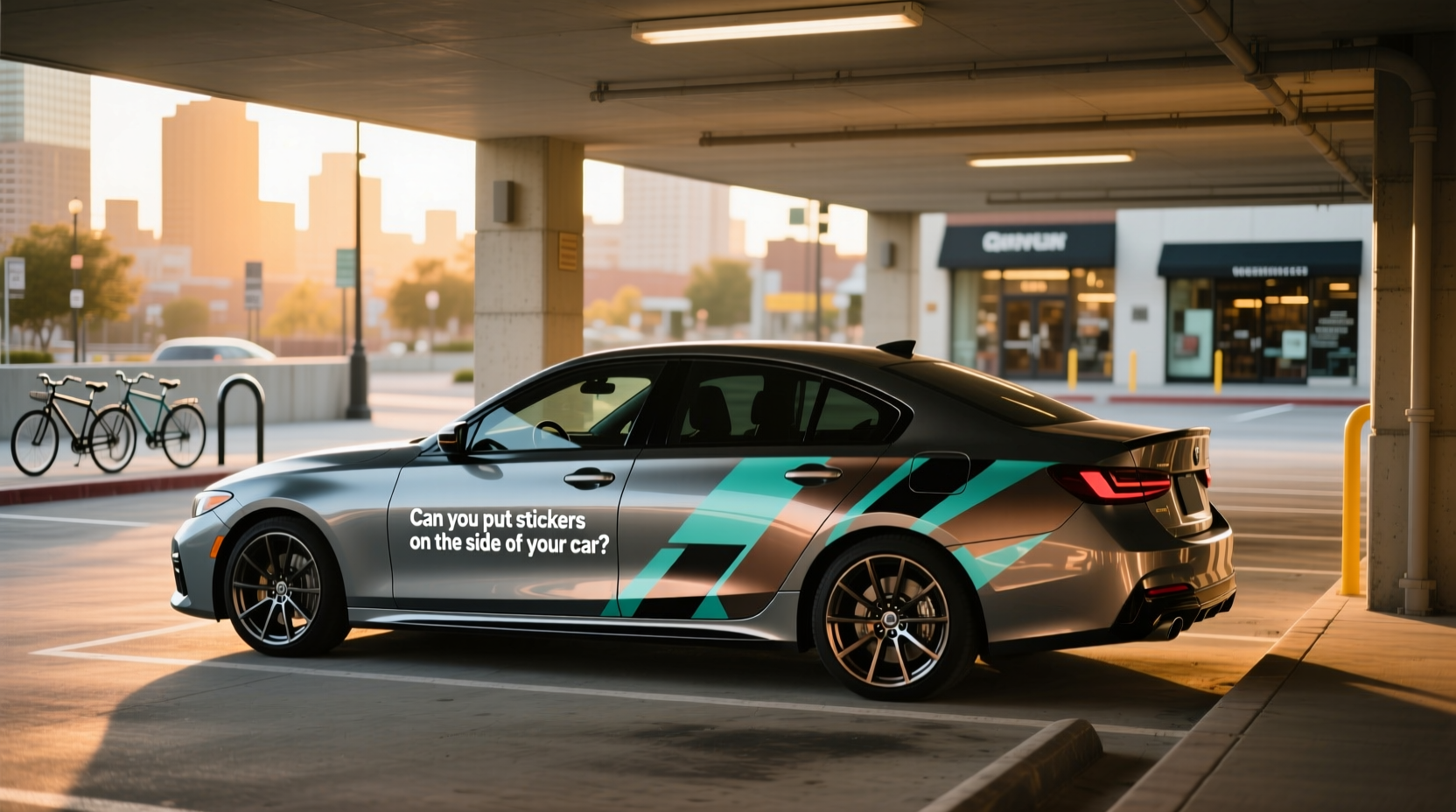
If you're asking can you put stickers on the side of your car?, the answer is generally yes—as long as they don't obstruct visibility or violate local laws. When choosing side decals for cars, prioritize high-quality cast vinyl for durability, avoid placing graphics near windows or mirrors, and always check local regulations before installation. For long-term use, opt for UV-protected, weather-resistant materials like cast vinyl, which can last up to 8 years. Temporary designs are better suited to low-tack or calendared vinyl. Understanding how to choose side decals for cars safely ensures both aesthetic appeal and compliance.
📍 About Side Decals for Cars: What They Are & Where They’re Used
Side decals for cars are adhesive graphics applied to the lateral surfaces of a vehicle, including doors, fenders, rocker panels, and quarter panels. Unlike bumper stickers or window clings, side decals are often larger and more visible, serving purposes ranging from personal expression to brand promotion.
Common applications include:
- Personalization (e.g., sports team logos, hobby symbols)
- Business branding (e.g., company name and contact info on fleet vehicles)
- Racing stripes or accent lines for visual enhancement
- Safety or awareness messages (e.g., “Caution: Wide Turn” on commercial vans)
These decals differ from full wraps in size and coverage but share similar materials and application techniques. Their placement on the side makes them highly visible while minimizing interference with driver sightlines—when installed correctly.
✨ Why Side Decals for Cars Are Gaining Popularity
The rise in popularity of side decals reflects broader trends in vehicle customization, mobile marketing, and DIY culture. Consumers increasingly view their cars as extensions of personal identity, leading to demand for affordable, reversible ways to express individuality.
For small businesses, side decals offer cost-effective mobile advertising. A single decal on a delivery van can generate thousands of impressions daily without recurring costs. Additionally, advancements in digital printing and vinyl technology have made custom designs more accessible and durable than ever.
Social media has also fueled interest, with car enthusiasts sharing transformations online. Platforms like Instagram and TikTok showcase creative uses of side decals, inspiring others to experiment with color, texture, and placement.
📋 Types and Variants of Side Decals
Not all side decals are created equal. The type you choose should align with your goals—whether it's long-term branding, temporary promotion, or aesthetic flair.
| Type | Best For | Pros | Cons |
|---|---|---|---|
| Vinyl Wraps (Partial) | Full-panel coverage, paint protection | Durable, removable, protects original paint | Higher cost, often requires professional installation |
| Accent Decals | Styling details like racing stripes or logos | Affordable, easy to apply, wide design variety | Limited coverage, may peel if low quality |
| Window Decals (Side Windows) | Advertising, safety notices, personal messages | High visibility, removable options available | Risk of obstructing view if improperly placed |
| Perforated Window Film | Vehicles needing one-way visibility (e.g., service vans) | Visible from outside, clear from inside | Shorter lifespan (~3 years), specialized use only |
⚙️ Key Features and Specifications to Evaluate
When evaluating side decals, consider these critical factors to ensure performance and longevity:
- Material Type: Cast vinyl offers superior durability and flexibility for curved surfaces. Calendared vinyl is cheaper but less resilient. Low-tack is ideal for rentals or short-term use 1.
- UV Resistance: Ensures colors don’t fade under sun exposure. Look for UV-protected laminates.
- Weatherproofing: Must withstand rain, snow, car washes, and temperature swings.
- Adhesive Strength: High-tack adhesives bond well to painted surfaces; low-tack allows residue-free removal.
- Thickness & Flexibility: Thicker films resist tearing; flexible materials conform better to curves.
- Finish Options: Glossy, matte, metallic, or reflective finishes affect appearance and visibility.
Always verify product specs from the manufacturer before purchase, especially for outdoor use.
✅ Pros and Cons of Using Side Decals
| Pros | Cons | Mitigation Tips |
|---|---|---|
| Customizable for personal or business use | Potential paint damage during removal | Use solvent-free adhesives and proper removal techniques |
| Cost-effective alternative to painting | Fading or peeling over time | Choose cast vinyl with UV protection |
| Easy to update or replace | May violate local visibility laws | Avoid placing near driver’s sightlines |
| Protects paint (when using wrap-style) | Not allowed on leased vehicles in some cases | Check lease agreement terms first |
| Enhances brand visibility for businesses | Poor-quality decals leave residue | Buy from reputable suppliers using premium materials |
🛒 How to Choose Side Decals for Cars: Step-by-Step Buying Guide
Selecting the right side decal involves balancing aesthetics, function, legality, and budget. Follow this checklist to make an informed decision:
- Define Your Purpose: Are you promoting a business? Expressing fandom? Enhancing curb appeal? This determines size, content, and material.
- Check Local Laws: Research whether your state or municipality restricts decal placement or content. Avoid areas that could block side mirrors or windows 2.
- Measure the Application Area: Ensure the decal fits without overlapping seams or trim pieces.
- Choose the Right Material: For multi-year use, go with cast vinyl. For short-term campaigns, calendared or low-tack works.
- Review Design Quality: Vector-based artwork ensures crisp edges. Avoid pixelated images.
- Confirm Installation Method: Small decals can be DIY-applied. Large or complex ones may require professional help.
- Verify Removal Process: Ask if residue will remain and how to clean it safely.
❗ Red Flags to Avoid
- Decals priced significantly below market average (indicates poor material)
- Vague or missing technical specifications
- No warranty or return policy
- Designs that cover more than 30% of a side window (risk of violating obstructed view laws)
- Non-removable claims without evidence of paint-safe removal
💰 Price & Market Insights
Pricing varies widely based on size, material, and customization level:
- Small Accent Decals (12" x 6"): $10–$30
- Medium Panels (door-sized): $50–$150
- Partial Wrap Kits: $200–$600+
- Professional Installation: Adds $100–$300 depending on complexity
Cast vinyl costs about 20–40% more than calendared but lasts nearly twice as long. Bulk orders (e.g., for fleets) reduce per-unit cost significantly. Always compare price per square inch when evaluating value.
📊 Top-Seller & Competitive Analysis
Popular models in the market emphasize durability, ease of installation, and design flexibility. While specific brands aren't endorsed here, top-performing products typically feature:
- 3M or Avery Dennison-grade cast vinyl
- UV-laminated surface coating
- Pre-cut templates for common vehicle models
- DIY-friendly application kits (squeegee, application solution)
| Feature | Budget Option | Mid-Range | Premium |
|---|---|---|---|
| Material | Calendared Vinyl | Hybrid Vinyl | Cast Vinyl |
| Lifespan | 3–5 years | 5–7 years | Up to 8 years |
| Weather Resistance | Fair | Good | Excellent |
| Installation Support | Basic instructions | Video guide | Template + tutorial |
| Price (per sq ft) | $2–$4 | $5–$7 | $8–$12 |
Premium options justify higher prices through longevity and professional finish, making them cost-effective over time despite initial investment.
👥 Customer Feedback Synthesis
Analysis of buyer reviews reveals consistent patterns:
👍 Frequent Praise
- “Easy to apply with no bubbles”
- “Still looks new after two summers”
- “Got compliments every day at work”
- “Perfect fit for my truck door”
👎 Common Complaints
- “Edges started lifting after six months” (linked to low-quality adhesive)
- “Color faded faster than expected” (often due to lack of UV protection)
- “Too hard to remove—left sticky residue” (especially with cheap vinyl)
- “Didn’t realize it would block part of my mirror view” (placement issue)
Most negative feedback stems from mismatched expectations rather than product failure—highlighting the importance of reading specs carefully.
🛍️ Sourcing & Supplier Tips
Where you buy matters as much as what you buy:
- Online Retailers: Sites like Etsy, Amazon, and specialized print shops offer customization. Check seller ratings and review photos.
- Local Sign Shops: Provide hands-on consultation and professional installation.
- Bulk Suppliers: Ideal for businesses needing multiple units. Negotiate pricing and request proof of material certification.
When sourcing:
- Ask for material data sheets (e.g., ASTM D3359 adhesion test results)
- Confirm return policies for misprints or fit issues
- Request a proof image before production
- Verify shipping timelines, especially for time-sensitive campaigns
⚠️ Maintenance, Safety & Legal Considerations
To maintain appearance and comply with regulations:
- Cleaning: Use mild soap and water. Avoid abrasive cleaners or pressure washers directly on edges.
- Inspection: Check monthly for lifting corners, especially after winter or car washes.
- Safety: Never place decals where they interfere with turn signals, side mirrors, or window operation.
- Legality: While most states allow non-obstructive decals, some ban certain content (e.g., obscene language). Commercial vehicles may face additional rules 3.
Always verify local laws by contacting your DMV or checking municipal transportation codes. Regulations vary by state—for example, Illinois enforces strict obstructed view laws with fines up to $500 2.
📌 Conclusion: Making the Right Choice
Choosing side decals for cars doesn’t have to be complicated. If you want long-lasting, professional results, invest in cast vinyl with UV protection and follow proper installation practices. For renters or those testing designs, low-tack or removable options offer flexibility. Always ensure your design respects visibility laws and matches your vehicle’s style.
Remember: how to choose side decals for cars depends on your specific needs—durability, legality, and purpose should guide your decision more than aesthetics alone. By focusing on material quality, correct placement, and reliable suppliers, you can enhance your vehicle safely and effectively.
❓ Frequently Asked Questions
- Can I put stickers on the side windows of my car?
- Yes, but only if they don’t obstruct the driver’s view. Many jurisdictions prohibit decals on front side windows or near mirrors. Perforated film is a legal option for partial window coverage.
- Do car decals damage paint when removed?
- High-quality decals removed properly (with heat and safe solvents) typically don’t damage factory paint. However, old or poorly made vinyl may leave residue or pull off weak clear coats.
- Are car decals waterproof?
- Most modern vinyl decals are water-resistant, but long-term exposure to moisture can degrade edges. Fully laminated or cast vinyl offers the best protection against rain and car washes.
- Can I wash my car after applying side decals?
- Wait at least 48 hours before washing to allow the adhesive to cure. Hand washing is safer than automatic car washes, which can lift edges over time.
- Do I need to tell my insurance company about car decals?
- Generally not required for simple decals. However, if classified as a modification (rare), it could affect claims. Check with your provider if unsure.




 浙公网安备
33010002000092号
 浙B2-20120091-4