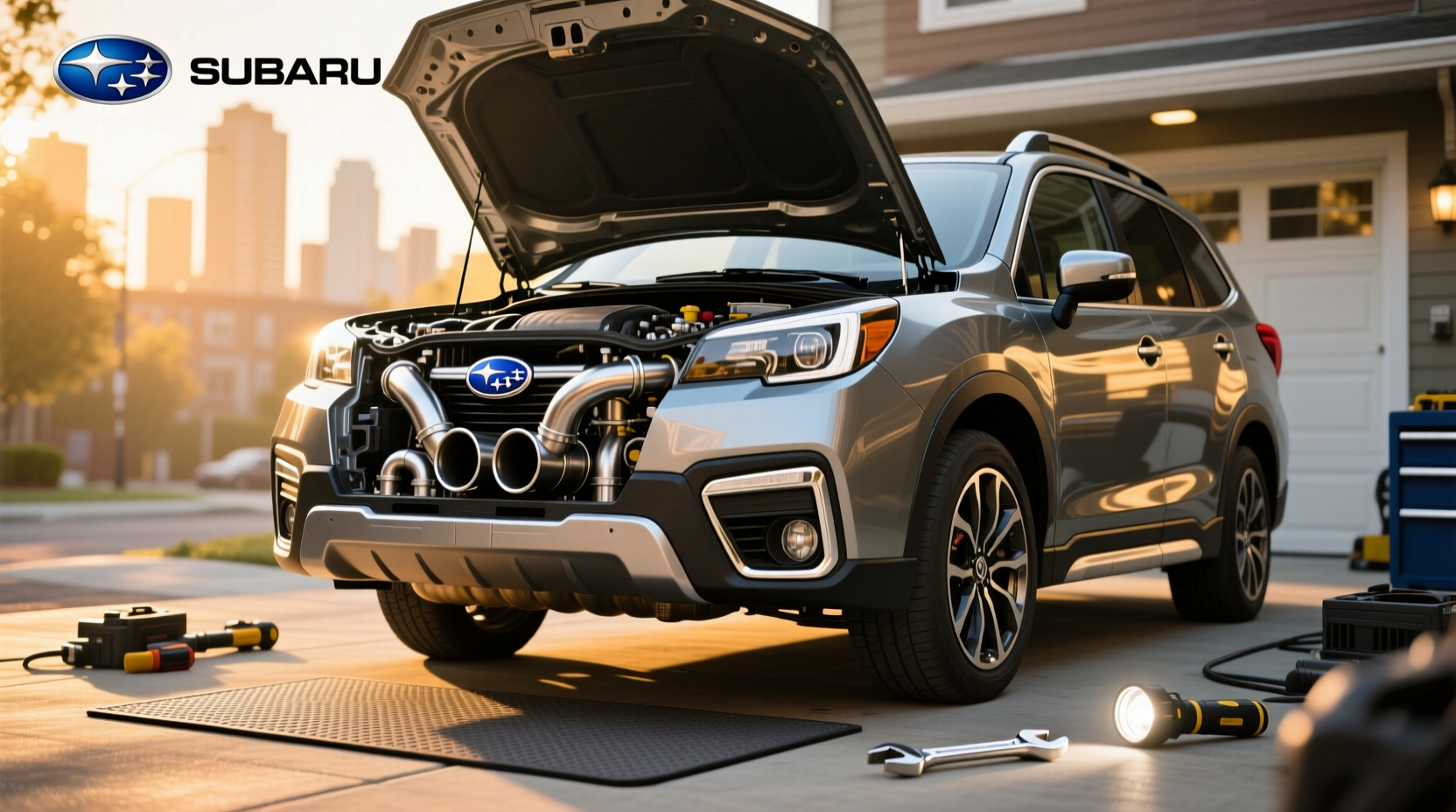
If you're asking how to choose Subaru Forester exhaust systems, particularly with concerns about emissions performance and component reliability, start here: all Subaru Foresters come equipped with catalytic converters as part of their factory emission control systems 1. When selecting replacement or upgraded components, prioritize OEM-compliant designs if you live in regions with strict emissions testing. Key decision factors include material durability (stainless steel vs aluminized), proper fitment for your model year, and whether oxygen sensor compatibility is maintained. Avoid aftermarket 'cat-back' systems that remove or bypass the catalytic converter—it's illegal in most areas and can trigger check engine lights or fail inspections.
About Subaru Forester Exhaust Systems: Do Subaru Foresters Have Catalytic Converters?
The exhaust system in a Subaru Forester serves three primary functions: routing harmful gases away from the engine, reducing noise through the muffler, and minimizing pollution via the catalytic converter. Yes, all modern Subaru Forester models have catalytic converters—this is not optional but a federally mandated component in the United States and many other countries to meet environmental standards 1.
The catalytic converter works by using precious metals like platinum, palladium, and rhodium to convert toxic gases such as carbon monoxide (CO), nitrogen oxides (NOx), and unburned hydrocarbons into less harmful substances like carbon dioxide, nitrogen, and water vapor. It sits between the exhaust manifold and the muffler and operates at high temperatures to facilitate these chemical reactions.
Common configurations across Forester trims (from base models to Wilderness editions) use dual-exhaust layouts with front and rear catalytic converters on certain years, especially 2019 and newer models. This setup improves emission efficiency and engine performance tuning.
Why Subaru Forester Exhaust Systems Are Gaining Attention
Interest in Subaru Forester exhaust systems has grown due to rising repair costs, increased catalytic converter thefts, and owner interest in performance upgrades. As vehicles age—particularly those from 2016 onward—owners report more frequent failures related to oxygen sensors and clogged catalytic converters 1.
Additionally, urban driving patterns with frequent short trips prevent the exhaust system from reaching optimal operating temperature, leading to premature wear. Drivers seeking improved fuel economy or a deeper exhaust tone are exploring cat-back systems, though they must balance these desires against legal compliance and long-term reliability.
Types and Variants of Subaru Forester Exhaust Systems
Understanding the different types available helps narrow down choices based on need, budget, and legality.
- 🔧OEM Replacement Systems: Direct replacements designed to match factory specifications. These maintain emissions compliance and are ideal for repairs.
Pros: Guaranteed fit, pass emissions tests, reliable longevity.
Cons: Higher cost than generic parts, limited performance gains. - ⚙️Cat-Back Exhaust Systems: Replace components from the catalytic converter back to the tailpipe. Often used for sound enhancement.
Pros: Improved exhaust note, potential minor flow improvements.
Cons: Can be loud; ensure it includes proper resonators to avoid drone. - ✨Performance Headers & Full Systems: Include header-back modifications with high-flow catalytic converters.
Pros: Better airflow, slight horsepower gains.
Cons: Expensive, may require ECU tuning, risk of non-compliance if not CARB-certified. - 🛒Budget-Friendly Aluminized Steel Kits: Lower-cost alternatives typically found in economy brands.
Pros: Affordable upfront cost.
Cons: Shorter lifespan, prone to rust within 2–4 years.
Key Features and Specifications to Evaluate
When evaluating options, consider these measurable criteria:
- 📌Material Type: Stainless steel offers superior corrosion resistance and longevity (often 8+ years). Aluminized steel is cheaper but degrades faster.
- 🔍Emissions Compliance: Look for EPA or CARB certification labels if purchasing aftermarket parts, especially in regulated states like California.
- 📏Diameter & Flow Rate: Stock diameter is typically 2.25 inches. Larger diameters (2.5”) may improve flow but only yield benefits when paired with engine modifications.
- 📍Fitment Accuracy: Confirm compatibility with your model year (e.g., 2014–2018 vs 2019–present have different mounting points).
- 🧰Included Components: Check if hangers, gaskets, clamps, and oxygen sensor ports are included to avoid extra costs.
Pros and Cons: Who Should Buy What?
No single exhaust solution fits all needs. Here’s a balanced assessment:
| Use Case | Recommended Type | Advantages | Drawbacks |
|---|---|---|---|
| Daily commuter needing repair | OEM-replacement full system | Reliable, passes inspection, quiet operation | Limited upgrade value |
| Enthusiast wanting better sound | Certified cat-back system | Deeper tone, retains emissions compliance | Potential resonance/drone at highway speeds |
| Off-road/modded vehicle owner | |||
| High-flow full system with tuned headers | Improved scavenging, small power gain | Costly, requires professional install | |
| Low-budget fix | Aluminized steel section replacement | Immediate cost savings | May need redoing in 2–3 years |
How to Choose Subaru Forester Exhaust Systems: Step-by-Step Guide
To make an informed decision, follow this checklist:
- ✅Diagnose First: Use an OBD-II scanner to confirm whether the issue is truly exhaust-related (e.g., P0420 = catalyst efficiency low).
- 📋Identify Your Goal: Is it repair, noise reduction, sound improvement, or performance? Match type accordingly.
- 🌐Verify Local Regulations: Some regions prohibit removal of catalytic converters or mandate specific certifications.
- 🔎Compare Materials: Invest in stainless steel if you drive in snowy climates or near saltwater.
- ❗Avoid These Red Flags:
- Systems advertised as "high-flow" without certification documentation.
- Prices significantly below market average—could indicate thin gauge metal or missing hardware.
- Vendors who suggest removing the catalytic converter to "improve performance."
Price & Market Insights
Pricing varies widely depending on scope and quality:
- 💲Muffler-only replacement: $150–$300 (parts only)
- 💲Complete OEM-style exhaust system: $600–$1,200 installed
- 💲Aftermarket cat-back system (stainless): $400–$800 + installation
- 💲Full performance system with headers: $1,500–$2,500+
Prices may vary by region and labor rates. Independent shops often offer lower installation fees than dealerships, but verify warranty coverage. Consider total cost of ownership—cheaper materials may lead to repeat repairs.
Top-Seller & Competitive Analysis
Popular brands include Bosal, MagnaFlow, and Walker. Below is a comparison of top-performing cat-back systems:
| Brand | Material | Sound Level | Emissions Compliant | Average Price |
|---|---|---|---|---|
| MagnaFlow | Stainless Steel | Moderate growl | Yes (CARB-listed) | $650 |
| Bosal OEM Line | Stainless Steel | Near-stock | Yes | $520 |
| Walker Dynomax | Aluminized/Stainless Mix | Loud, aggressive | No | $410 |
Note: Always cross-reference part numbers with your VIN before ordering.
Customer Feedback Synthesis
Based on aggregated user reviews and service reports:
- ⭐Frequent Praise: Longevity of stainless systems, smooth integration with factory mounts, confidence in passing smog checks.
- ❗Common Complaints: Poor fitment from off-brand kits, excessive cabin drone with some performance mufflers, missing hardware requiring separate purchase.
- 🔧Installation Notes: Many DIYers recommend replacing rubber hangers during installation to prevent future sagging.
Sourcing & Supplier Tips
You can source exhaust components from dealerships, auto parts retailers (e.g., RockAuto, Summit Racing), or online marketplaces. For bulk purchases or resale:
- 🏭Work with distributors offering warranties (minimum 2-year coverage).
- 🤝Consider drop-shipping partners with strong return policies for defective items.
- 🧼Inspect weld quality and wall thickness upon delivery—thin seams indicate lower durability.
Maintenance, Safety & Legal Considerations
Regular maintenance extends system life:
- 🧽Keep undercarriage clean to reduce corrosion.
- 🛠️Replace oxygen sensors per manufacturer schedule (typically every 60k–100k miles) to protect the catalytic converter.
- ⚖️Never operate a vehicle with a leaking exhaust system—carbon monoxide exposure is dangerous.
- 📜Modifications affecting emissions may void warranties or fail state inspections. Verify compliance through official channels like the California Air Resources Board (CARB) website.
Remember: Removing or tampering with the catalytic converter is illegal under U.S. federal law and similar regulations worldwide.
Conclusion
If you need a reliable, compliant repair, choose an OEM-spec stainless steel exhaust system. If you want a modest improvement in sound without sacrificing legality, go for a CARB-certified cat-back kit. Enthusiasts with modified engines may benefit from full high-flow systems—but only after confirming local regulations and ensuring proper tuning support. Always diagnose the root cause first, avoid uncertified parts, and invest in quality materials for long-term value.
Frequently Asked Questions
Do all Subaru Foresters have catalytic converters?
Yes, all Subaru Forester models manufactured since the early 1990s include catalytic converters as standard equipment to comply with emissions regulations.
Can I replace my Forester’s exhaust without removing the catalytic converter?
Yes, cat-back systems replace only the portion behind the catalytic converter and are a legal way to modify exhaust sound and flow.
What causes catalytic converter failure in Subaru Foresters?
Common causes include faulty oxygen sensors, rich fuel mixtures, oil or coolant entering the exhaust, and physical damage from road debris.
Are aftermarket exhaust systems worth it for a Subaru Forester?
For most drivers, OEM replacements offer the best balance of cost, reliability, and compliance. Aftermarket systems provide marginal benefits unless combined with other engine upgrades.
How often should I inspect my Forester’s exhaust system?
Have it visually inspected annually or whenever you notice unusual noises, vibrations, or reduced performance.




 浙公网安备
33010002000092号
 浙B2-20120091-4