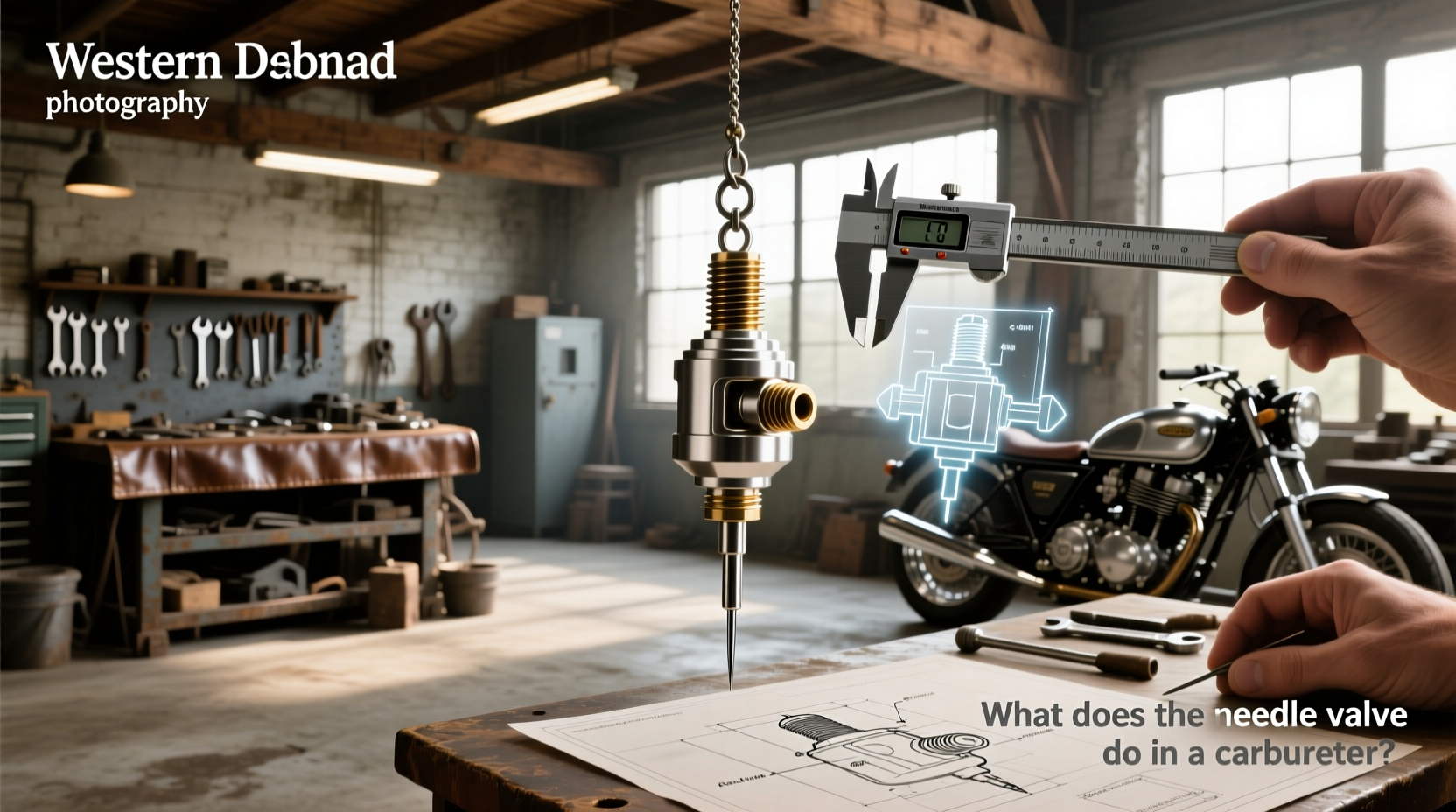
When learning how to choose carburetor needle valve, What does the needle valve do in a carburetor? becomes essential: it controls fuel flow into the float bowl via a float mechanism, preventing flooding and ensuring stable air-fuel ratios. For reliable performance, prioritize OEM-spec dimensions, corrosion-resistant materials like brass or stainless steel, and precise needle taper matching your carb model. Avoid mismatched seat sizes or non-adjustable floats—common causes of leaks or rich mixtures. Always verify compatibility with your carburetor make and engine type before purchase.
Short Introduction
Selecting the correct carburetor needle valve is critical for maintaining optimal engine performance and fuel efficiency. The core function—What does the needle valve do in a carburetor?—is to regulate fuel entry into the float chamber using a mechanical float system. As fuel rises, the float lifts and seats the needle, shutting off inflow; as level drops, the needle opens. This automatic control prevents overflow and maintains consistent mixture delivery. When considering how to choose carburetor needle valve, focus on material durability, dimensional accuracy, seal integrity, and compatibility with your specific carburetor model (e.g., Mikuni, Keihin, Carter). Aftermarket replacements vary widely in quality, so inspect needle tip finish and seat design closely. A poorly matched valve can cause hard starts, flooding, or lean misfires. Stick to manufacturer-recommended specifications unless tuning for modified engines.
About Carburetor Needle Valve, What Does the Needle Valve Do in a Carburetor?
A carburetor needle valve, often referred to as a float valve, works with a float to maintain a steady fuel level in the float bowl. What does the needle valve do in a carburetor? It acts as an on-off switch for fuel supply, opening when fuel is low and closing when the desired level is reached. This ensures that downstream jets receive consistent fuel pressure and volume, which is vital for accurate air-fuel metering across idle, cruise, and acceleration phases.
Common applications include small engines (lawnmowers, chainsaws), motorcycles, classic cars, and light aircraft. In these systems, reliability under variable temperatures and vibrations is crucial. There are two primary types: the float needle valve, which manages bowl fuel level, and the mixture needle (slide needle), which adjusts fuel delivery during throttle transitions. This guide focuses on the float-type, as it's more frequently replaced due to wear or contamination.
Why Carburetor Needle Valve, What Does the Needle Valve Do in a Carburetor? Is Gaining Popularity
Despite the rise of fuel injection, carburetors remain popular in niche markets where simplicity, low cost, and ease of repair matter. Enthusiasts restoring vintage vehicles, operators of off-grid equipment, and pilots of older aircraft rely on well-functioning carburetors. As original parts age, demand for replacement needle valves grows. Online communities and DIY repair culture have amplified interest in understanding what does the needle valve do in a carburetor? and how to maintain it properly.
Additionally, rising fuel volatility and ethanol content increase varnish buildup, accelerating wear on rubber-tipped needles and brass seats. Users now seek upgraded materials—like Viton seals or stainless stems—for longer life. This shift reflects a broader trend toward preventative maintenance and component-level upgrades rather than full carburetor swaps.
Types and Variants
- \u003cspan class="icon"\u003e⚙️\u003c/span\u003e Brass Body with Rubber Tip (Standard): Most common in OEM setups. Offers good sealing but degrades over time with alcohol-blended fuels. Best for stock engines with regular use.
- \u003cspan class="icon"\u003e⚙️\u003c/span\u003e Stainless Steel Stem with Viton Seal: Resists ethanol and heat better. Ideal for seasonal storage or high-humidity environments. Slightly higher cost but longer lifespan.
- \u003cspan class="icon"\u003e⚙️\u003c/span\u003e Adjustable Float Needles: Allow fine-tuning of fuel level by modifying needle protrusion. Used in performance tuning. Require precise setup to avoid instability.
- \u003cspan class="icon"\u003e⚙️\u003c/span\u003e Non-Vented vs. Vented Designs: Some valves equalize pressure through tiny vents; others rely solely on atmospheric pressure in the bowl. Match venting style to original design to prevent erratic fuel flow.
Choosing among these depends on usage frequency, fuel type, and whether the engine is stock or modified.
Key Features and Specifications to Evaluate
To make an informed decision when exploring how to choose carburetor needle valve, assess these technical attributes:
- \u003cspan class="icon"\u003e📏\u003c/span\u003e Needle Diameter & Length: Must match the carb’s inlet housing. Even 0.1mm variance affects seating depth and fuel cutoff timing.
- \u003cspan class="icon"\u003e🎯\u003c/span\u003e Taper Profile: Determines how quickly the valve closes. Performance carbs may use progressive tapers for smoother control.
- \u003cspan class="icon"\u003e🛡️\u003c/span\u003e Seal Material: Nitrile rubber works for standard gasoline; Viton or fluorocarbon seals resist ethanol and aromatics in modern fuels.
- \u003cspan class="icon"\u003e🔧\u003c/span\u003e Seat Compatibility: Ensure the needle matches the seat’s internal angle (typically 45° or 60°). Mismatched angles lead to leaks.
- \u003cspan class="icon"\u003e⚖️\u003c/span\u003e Float Arm Contact Type: Flat, pointed, or roller tips affect wear and responsiveness. Roller tips reduce friction in high-vibration settings.
- \u003cspan class="icon"\u003e🌡️\u003c/span\u003e Temperature Rating: Especially important if used in hot engine bays. Look for components rated above 100°C (212°F).
Always cross-reference part numbers or consult service manuals before purchasing.
Pros and Cons
| Type | Pros | Cons |
|---|---|---|
| Standard Rubber-Tip | Low cost, widely available, easy to install | Degrades with ethanol, shorter lifespan, prone to swelling |
| Viton-Sealed | Resists modern fuels, longer service life, stable sealing | Higher initial cost, limited availability for rare models |
| Stainless Construction | Corrosion-resistant, durable under vibration, ideal for marine use | Can be overkill for casual users, harder to source |
Suitable for: Lawn equipment, vintage bikes, small outboard motors.
Not suitable for: Direct EFI conversions, turbocharged engines, or applications requiring digital fuel management.
How to Choose Carburetor Needle Valve, What Does the Needle Valve Do in a Carburetor?
Follow this checklist when evaluating options:
- \u003cspan class="icon"\u003e🔍\u003c/span\u003e Identify Your Carburetor Model: Note brand, model number, and year. Example: “Keihin CVK40 from 1985 GL1200.”
- \u003cspan class="icon"\u003e📌\u003c/span\u003e Check Original Part Number: Compare against replacement listings. Use OEM catalogs or repair forums for verification.
- \u003cspan class="icon"\u003e🧰\u003c/span\u003e Inspect for Wear Signs: If replacing due to flooding, check for worn needle tips or pitted seats—both require replacement.
- \u003cspan class="icon"\u003e🛒\u003c/span\u003e Evaluate Seller Reputation: Prefer suppliers with clear return policies and technical support.
- \u003cspan class="icon"\u003e✅\u003c/span\u003e Verify Kit Contents: Some kits include new seats, O-rings, and gaskets—essential for complete repairs.
Red flags to avoid:
- \u003cspan class="icon"\u003e❗\u003c/span\u003e No dimensional specs provided
- \u003cspan class="icon"\u003e❗\u003c/span\u003e Claims of "universal fit" without model-specific validation
- \u003cspan class="icon"\u003e❗\u003c/span\u003e Missing material details (e.g., seal type)
- \u003cspan class="icon"\u003e❗\u003c/span\u003e Prices significantly below market average (indicates poor quality)
If unsure, disassemble the old unit and measure the needle length and diameter with calipers.
Price & Market Insights
Individual needle valves range from $5–$25 USD. Kits (including seat, gaskets, tools) cost $15–$40. High-performance or rare OEM parts may exceed $50. Prices vary by region and supplier type—online marketplaces often offer lower prices than auto parts stores.
Value tiers:
- \u003cspan class="icon"\u003e💰\u003c/span\u003e Budget ($5–$12): Basic rubber-tip valves; acceptable for temporary fixes or low-use equipment.
- \u003cspan class="icon"\u003e💰\u003c/span\u003e Mid-Range ($13–$25): Viton seals, OEM-equivalent tolerances; best balance for most users.
- \u003cspan class="icon"\u003e💰\u003c/span\u003e Premium ($26+): Stainless components, precision-machined tapers; suited for restorations or harsh environments.
Consider total cost of ownership: a slightly pricier Viton-sealed valve may save money long-term by reducing maintenance frequency.
Top-Seller & Competitive Analysis
Popular brands include Standard Motor Products, MotoCraft, and Keihin OEM. Third-party manufacturers like Airtex and Spectra Premium also offer compatible versions. Below is a comparison of top-performing models:
| Model | Material | Fuel Resistance | Compatibility Range | Avg. Price |
|---|---|---|---|---|
| Standard MP-103 | Brass body, nitrile tip | Regular gasoline only | Wide (generic fit) | $8.99 |
| Keihin 16201-EN080 | OEM brass with soft tip | Moderate ethanol tolerance | Specific Keihin carbs | $18.50 |
| MotoCraft CVK-40NV | Brass, Viton seal | Up to E15 blend | Narrow (exact model match) | $22.00 |
| Airtex FV102X | Composite body, EPDM seal | High ethanol resistance | Moderate cross-fit | $14.75 |
OEM parts generally offer the best fit and longevity but at higher cost. Aftermarket options provide flexibility but require careful vetting.
Customer Feedback Synthesis
Analysis of user reviews reveals recurring themes:
- \u003cspan class="icon"\u003e⭐\u003c/span\u003e Positive Feedback:
- "Perfect fit for my 1978 Harley carb—no leaks after rebuild"
- "Viton seal held up after six months of E10 fuel use"
- "Clear instructions included in kit made installation easy"
- \u003cspan class="icon"\u003e❗\u003c/span\u003e Common Complaints:
- "Received wrong size despite correct model listed"
- "Rubber tip cracked within three weeks of storage"
- "No gasket included in 'complete' kit"
Key takeaway: Packaging clarity and inclusion of ancillary components (seats, gaskets) significantly impact satisfaction.
Sourcing & Supplier Tips
For individuals:
- \u003cspan class="icon"\u003e🌐\u003c/span\u003e Buy from specialized auto restoration suppliers or authorized distributors for authenticity.
- \u003cspan class="icon"\u003e📦\u003c/span\u003e Check return policy—some sellers don’t accept opened packages.
For bulk buyers or resellers:
- \u003cspan class="icon"\u003e👥\u003c/span\u003e Contact industrial suppliers like Motion Industries or Grainger for wholesale pricing.
- \u003cspan class="icon"\u003e📋\u003c/span\u003e Request sample units before placing large orders to verify quality.
- \u003cspan class="icon"\u003e🔎\u003c/span\u003e Inspect incoming shipments for dimensional consistency and packaging integrity.
Always confirm country of origin if compliance with regional standards (e.g., RoHS, REACH) is required.
Maintenance, Safety & Legal Considerations
Routine inspection every 6–12 months helps prevent failures. Clean the float bowl and check needle movement freely. Replace if the tip shows cracks, flattening, or debris embedding.
Safety notes:
- \u003cspan class="icon"\u003e⚠️\u003c/span\u003e Work in well-ventilated areas when handling fuel-soaked parts.
- \u003cspan class="icon"\u003e🧼\u003c/span\u003e Use approved cleaners—avoid chlorinated solvents that degrade seals.
Legally, modifications affecting emissions (e.g., altering fuel curves) may violate local regulations in road-legal vehicles. Verify rules with your transportation authority if modifying beyond OEM specs.
Conclusion
Understanding what does the needle valve do in a carburetor clarifies its role in maintaining fuel stability and engine reliability. When deciding how to choose carburetor needle valve, prioritize exact dimensional match, seal material compatibility with your fuel, and proven supplier reputation. For everyday use, mid-range Viton-sealed valves offer the best value. Enthusiasts restoring classics should opt for OEM-specified parts. Avoid generic 'universal' valves unless confirmed compatible. Regular maintenance extends service life and prevents costly downstream issues like hydrolock or plug fouling. If you need dependable performance with minimal upkeep, select a corrosion-resistant, model-specific needle valve from a reputable brand.
FAQs
- What does the needle valve do in a carburetor?
It regulates fuel entering the float bowl by opening and closing based on float position, maintaining a constant fuel level for consistent engine operation. - How often should I replace the carburetor needle valve?
There’s no fixed interval—it depends on fuel quality and usage. Inspect during every carb cleaning (every 1–2 years); replace if the tip is worn or cracked. - Can a bad needle valve cause engine flooding?
Yes. If the needle fails to seal properly due to dirt, wear, or incorrect float height, excess fuel enters the bowl, leading to flooding and rich running conditions. - Are all carburetor needle valves interchangeable?
No. They vary by diameter, length, taper, and seat angle. Always match the replacement to your carburetor’s specifications. - Do ethanol fuels damage standard needle valves?
Yes. Ethanol can degrade rubber or nitrile tips over time, causing swelling or cracking. Use ethanol-resistant materials like Viton for E10 or higher blends.




 浙公网安备
33010002000092号
 浙B2-20120091-4