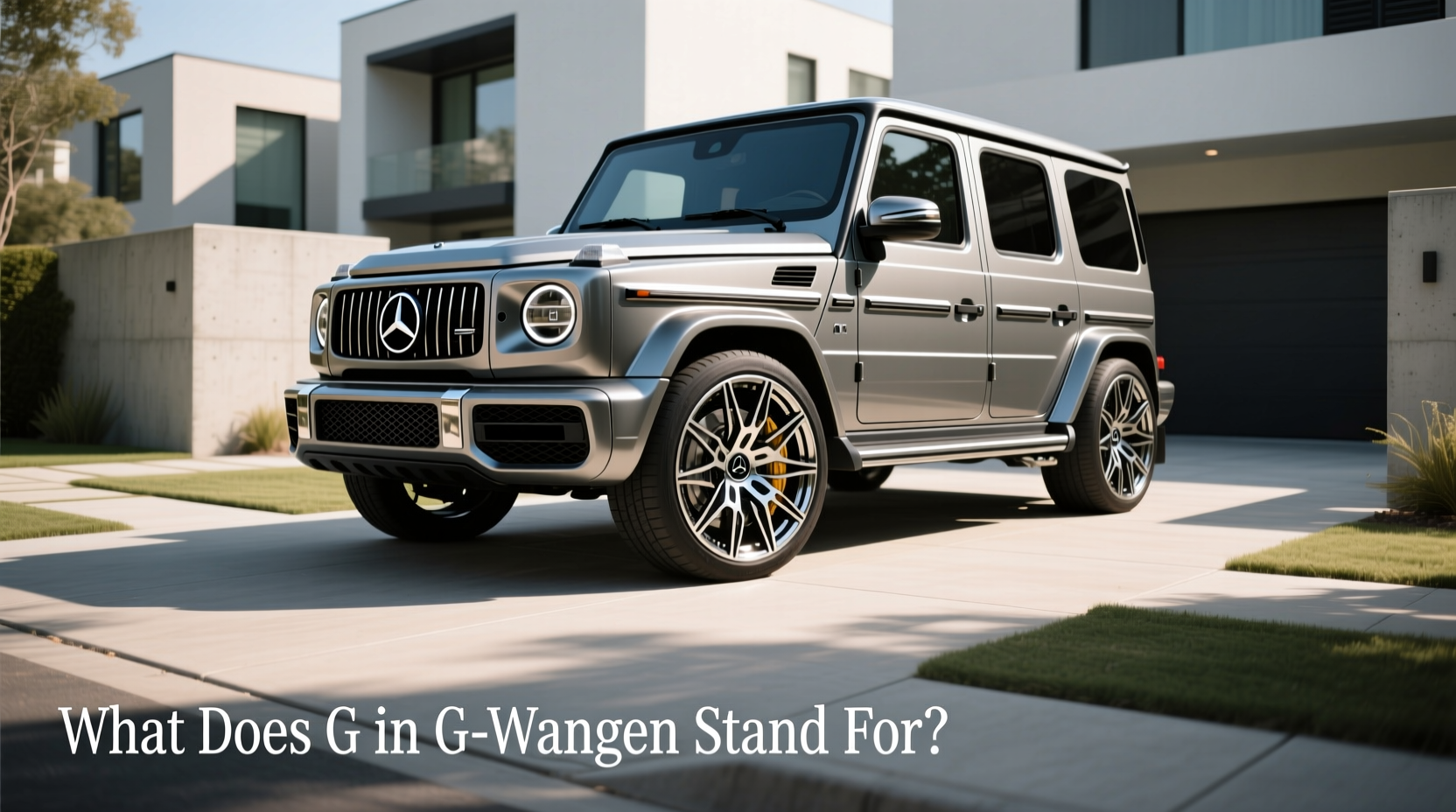
If you're asking how to choose a Mercedes G-Wagon wheel cover, start by identifying your priority: protection, authenticity, or customization. The 'G' in G-Wagon stands for Geländewagen, German for 'cross-country vehicle'—a nod to its rugged military roots 1. Today’s wheel covers preserve this legacy while enhancing aesthetics. Opt for genuine Mercedes-Benz models if OEM fit and resale value matter. Choose semi-rigid aftermarket covers for balance between cost and durability. Avoid poorly fitting third-party options that may rattle or degrade quickly. Consider material, weather resistance, and model-specific compatibility (W463 vs W463A) early in your decision.
📍 About Mercedes G-Wagon Wheel Covers and the Meaning of 'G'
The spare tire cover on a Mercedes G-Class—commonly called a wheel or tire cover—is more than cosmetic. It protects the rear-mounted spare from UV exposure, road grime, moisture, and minor impacts. Positioned prominently on the tailgate, it contributes significantly to the SUV’s iconic, boxy profile.
The term 'G' in G-Wagon comes from Geländewagen, combining Gelände (terrain) and Wagen (vehicle), reflecting its original purpose as a durable off-road utility vehicle developed in the late 1970s with input from military forces 2. Even as the G-Class evolved into a luxury status symbol, its design cues—including the spare tire cover—remain true to its functional heritage.
These covers are standard on most G-Wagon trims and come in various styles depending on model year and trim level. Whether replacing a damaged unit or upgrading for style, understanding their role helps inform better purchasing decisions.
✨ Why Mercedes G-Wagon Wheel Covers Are Gaining Popularity
As ownership of the G-Class has grown beyond military and utility users to include luxury buyers and urban drivers, personalization has become a key motivator. Owners now view accessories like wheel covers as extensions of identity.
Several factors drive interest in aftermarket and upgraded covers:
- Premium appearance: A clean, well-maintained cover enhances curb appeal.
- Brand alignment: Enthusiasts use custom designs or branded elements (e.g., Brabus, AMG) to reflect affiliations.
- Protection needs: In regions with harsh winters or coastal salt exposure, added shielding preserves tire integrity.
- Resale value: OEM-style finishes maintain factory authenticity prized by collectors.
This convergence of function and fashion explains why both genuine and customized covers see rising demand across global markets.
🔧 Types and Variants of G-Wagon Wheel Covers
When evaluating options for your Mercedes G-Wagon wheel cover, four main categories dominate the market. Each offers distinct trade-offs in protection, price, and personalization.
🛒 Hard (Rigid) Tire Covers
Made from thermoplastic or ABS, these fully enclose the spare tire with a solid shell.
Pros:
- Superior protection against debris, UV rays, and weathering
- Factory-matched paint options (e.g., Aqua Green, Mojave Silver) for seamless integration
- Durable structure resists warping and vibration noise
Cons:
- Higher cost compared to flexible alternatives
- Heavier weight may affect tailgate stress over time
- Limited customization beyond color
🧰 Semi-Rigid Tire Covers
These combine a molded front plate with a stretchable vinyl band wrapping around the tire.
Pros:
- Lightweight and easy to install without tools
- Affordable pricing with decent protection
- Available in multiple diameters (29–33 inches) and customizable graphics
Cons:
- Vinyl bands can degrade under prolonged sun exposure
- Less impact resistance than rigid models
- Potential for wind flap or rattling at high speeds
🏭 Genuine Mercedes-Benz Covers
Original equipment manufacturer (OEM) parts designed specifically for W463, W463A, and W465 chassis.
Pros:
- Precise fitment ensuring no gaps or vibrations
- Maintains vehicle authenticity and resale value
- Some include protective inserts (e.g., black plastic liner under leather)
Cons:
- Significantly higher price (e.g., €133+ for insert-only units 3)
- Limited availability outside dealership networks
- Few aesthetic variations
👥 Aftermarket & Custom Covers
Third-party brands like Boomco and Chelsea Truck Company offer tailored designs, including carbon fiber, illuminated logos, or personalized artwork.
Pros:
- High degree of personalization (logos, colors, textures)
- Premium materials such as carbon fiber or brushed aluminum
- Support for niche styles (vintage, racing, stealth)
Cons:
- Fitment issues possible without model-specific verification
- Quality varies widely among suppliers
- No warranty coverage through Mercedes service centers
✅ Pros and Cons Summary
Suitable For:
- Owners prioritizing OEM finish and long-term ownership
- Those in extreme climates needing maximum tire protection
- Drivers seeking subtle upgrades without altering factory look
Not Ideal For:
- Budget-focused buyers unwilling to spend $100+
- Vehicles used primarily indoors or garaged year-round
- Situations where frequent spare access is required (covers add removal step)
⚙️ Key Features and Specifications to Evaluate
To make an informed choice when selecting a Mercedes G-Wagon wheel cover, assess these five criteria:
- Material Durability: Rigid plastics resist cracking; leather requires conditioning. Vinyl may fade in sunlight.
- Weather Resistance: Look for UV-stabilized polymers or coated fabrics if parked outdoors.
- Model Compatibility: Confirm fit for W463 (pre-2018), W463A (2018+), or W465 (military/commercial variants).
- Installation Method: Snap-on, strap-based, or bolt-on systems vary in security and ease.
- Aesthetic Match: Painted covers should match body color codes (e.g., Designo Magno Olive).
Also consider whether the cover includes ventilation to prevent moisture buildup behind the tire—an often-overlooked feature affecting long-term storage.
📋 How to Choose a Mercedes G-Wagon Wheel Cover: Step-by-Step Guide
Follow this checklist to avoid common pitfalls and ensure optimal selection:
- Determine Your Use Case: Daily driver? Off-roader? Show car? Protection needs differ accordingly.
- Verify Model Year and Chassis Code: Use VIN or consult owner’s manual to confirm W463 vs W463A dimensions.
- Decide Between OEM and Aftermarket: Prioritize fit and resale? Go genuine. Want flair? Explore custom options.
- Check Dimensions: Measure spare tire diameter (typically 33” for stock setups) and mounting depth.
- Review Mounting System: Ensure secure attachment—loose covers can become hazards at speed.
- Avoid These Red Flags:
- Universal-fit claims without model-specific testing
- No return policy or warranty
- Customer photos showing misalignment or warping
- Prices far below market average (indicates low-quality materials)
💰 Price & Market Insights
Pricing varies significantly based on origin and materials:
- Genuine OEM Covers: $150–$400, available via dealerships or authorized parts retailers.
- Aftermarket Brands (Boomco, etc.): $80–$200 for semi-rigid or hard-shell models.
- Custom/Luxury Options (Brabus, carbon fiber): $500–$2,000+, depending on craftsmanship and branding.
Prices may differ by region due to import duties and availability. Always verify shipping costs and return policies before purchase. For long-term value, OEM or reputable aftermarket brands often provide better cost-per-year ratios despite higher upfront investment.
📊 Top-Seller & Competitive Analysis
Below is a comparison of leading wheel cover types commonly found in the current market:
| Type | Avg. Price | Fit Accuracy | Durability Rating | Customization |
|---|---|---|---|---|
| Genuine Mercedes | $250 | ⭐⭐⭐⭐⭐ | ⭐⭐⭐⭐☆ | Low |
| Hard Shell (Aftermarket) | $180 | ⭐⭐⭐☆☆ | ⭐⭐⭐⭐☆ | Medium |
| Semi-Rigid (Vinyl + Plate) | $110 | ⭐⭐☆☆☆ | ⭐⭐☆☆☆ | High |
| Custom Carbon Fiber | $1,200 | ⭐⭐⭐☆☆ | ⭐⭐⭐⭐☆ | Very High |
Note: Fit accuracy depends heavily on brand reputation. Always check product reviews filtered by your specific G-Class model.
📈 Customer Feedback Synthesis
Analysis of buyer reviews reveals consistent patterns:
Common Praises:
- “Perfect match to my Arctic White exterior” – praise for OEM color consistency
- “Easy to install in under 10 minutes” – especially for semi-rigid models
- “Looks factory-fresh and stops dirt buildup” – noted benefit of full enclosure
Frequent Complaints:
- “Slight gap on one side despite correct model listing” – fitment variance in aftermarket units
- “Vinyl started peeling after one summer” – degradation in non-UV-stabilized materials
- “Too heavy, stresses tailgate latch” – concern with large rigid covers
These insights highlight the importance of verifying real-world performance through user images and long-term feedback.
🌐 Sourcing & Supplier Tips
Where you buy matters as much as what you buy:
- OEM Parts: Purchase through official Mercedes-Benz parts portals or certified dealers to ensure authenticity.
- Aftermarket Retailers: Reputable sites include Boomco, GWagenParts, and Chelsea Truck Company—known for model-specific filtering.
- Custom Makers: Request samples or proofs before committing; confirm production timelines (often 4–8 weeks).
- For Bulk or Resale: Contact suppliers directly for wholesale terms. Verify drop-shipping capabilities and MOQs (minimum order quantities).
- Inspection Tips: Upon delivery, inspect for scratches, warping, and proper labeling. Test fit before final installation.
🔧 Maintenance, Safety & Legal Considerations
Proper upkeep extends cover life and ensures safety:
- Cleaning: Use mild soap and water. Avoid abrasive cleaners on painted or leather surfaces 🧼.
- Inspection: Check monthly for loose fasteners or signs of wear, especially after off-road use.
- Safety: Ensure the cover does not obstruct license plate lights or backup cameras ❗.
- Legality: While wheel covers are generally unrestricted, some jurisdictions regulate modifications affecting visibility or protrusion. Always verify local rules before installing oversized or illuminated versions.
There are no known federal regulations banning spare tire covers in the U.S. or EU, but compliance with general vehicle modification standards is advised.
📌 Conclusion: Matching Your Needs to the Right Cover
Choosing the right Mercedes G-Wagon wheel cover hinges on balancing protection, authenticity, and budget. If preserving resale value and achieving perfect fit are top priorities, genuine OEM covers are the safest choice. For those wanting affordability with decent protection, semi-rigid aftermarket models offer flexibility. Enthusiasts pursuing unique styling can explore custom or premium-branded options, provided they verify fit and material quality.
Regardless of path, always confirm compatibility with your specific G-Class generation and inspect real-user feedback. The 'G' stands for Geländewagen—a vehicle built for resilience. Your accessory choices should honor that spirit with thoughtful, durable selections.
❓ Frequently Asked Questions
- What does 'G' stand for in G-Wagon? The 'G' stands for Geländewagen, a German word meaning 'off-road vehicle,' reflecting its original military and rugged terrain purpose.
- Do I need a wheel cover for my G-Wagon? Not strictly necessary, but it protects the spare from weather and damage while maintaining the vehicle’s finished appearance.
- Can I install a wheel cover myself? Yes, most covers use snap-in, strap, or bolt-on systems that require basic hand tools and take under 15 minutes.
- Are aftermarket covers compatible with all G-Class models? No—verify compatibility with your chassis code (e.g., W463 vs W463A), as dimensions changed post-2018.
- How do I clean a Mercedes G-Wagon wheel cover? Use mild detergent and water. For leather or painted surfaces, avoid harsh chemicals and dry thoroughly.




 浙公网安备
33010002000092号
 浙B2-20120091-4