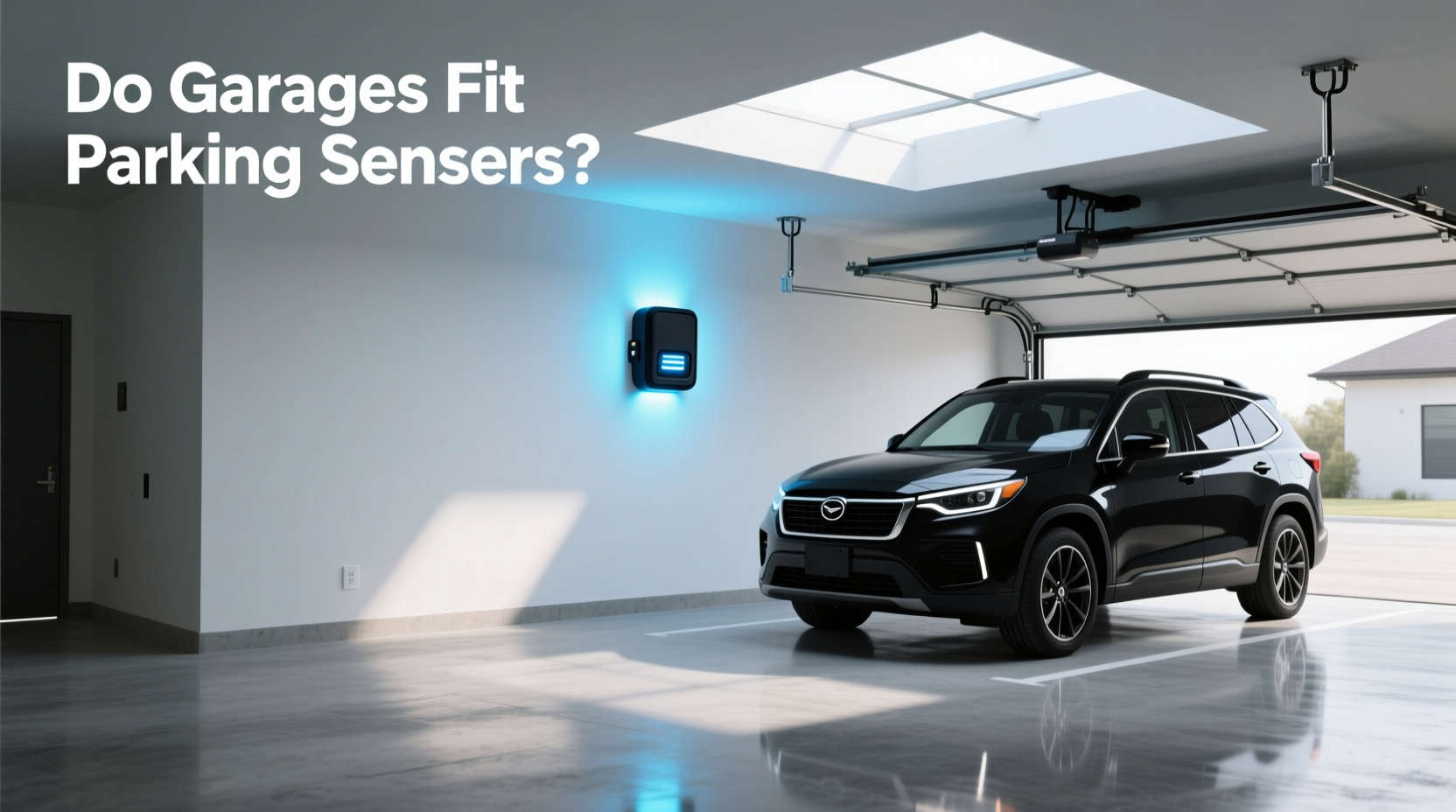
When choosing a led garage parking sensor, first determine whether you need a vehicle-mounted system (like ultrasonic sensors) or a garage-mounted solution (such as laser parking aids). The answer to “Do garages fit parking sensors?” is yes — but compatibility depends on type. For tight spaces, consider laser systems for precision; for obstacle detection, ultrasonic sensors are ideal. Key factors include installation method, alert type, durability, and power source. Avoid models with poor weather resistance if used in unheated garages.
Short introduction
Choosing the right led garage parking sensor starts with understanding what kind of system fits your needs: one installed on your car or one mounted inside the garage. The question “Do garages fit parking sensors?” has a clear answer — yes, they do, but only certain types are designed specifically for fixed installations within the garage itself. Vehicle-based ultrasonic sensors work universally across garages without modification, while dedicated LED or laser parking aids mount directly to walls or ceilings and project visual guides onto the floor. When asking “how to choose led garage parking sensor,Do garages fit parking sensors?”, focus on your primary goal: precise positioning or obstacle avoidance. If you park in the same spot daily and want consistency, a garage-mounted laser system offers unmatched accuracy. If you frequently encounter unseen obstacles like low shelves or bicycles, vehicle-mounted sensors provide broader protection. Installation complexity, power requirements, and environmental resilience should all factor into your decision.
About led garage parking sensor,Do garages fit parking sensors?
A LED garage parking sensor typically refers to a garage-mounted device that uses light — often red or green lasers — to indicate when a vehicle has reached its optimal stopping point. These systems are designed to be installed inside the garage, usually on the ceiling or front wall, and project a beam onto the ground that aligns with a target mark on the windshield or bumper. This setup helps drivers park consistently without hitting the back wall or encroaching on walkways.
In contrast, the broader question “Do garages fit parking sensors?” includes both vehicle-based and structure-based technologies. Most modern vehicles come equipped with ultrasonic rear sensors, which can function effectively inside a garage by detecting walls, posts, or stored items. Aftermarket kits allow older vehicles to gain this functionality. So while the garage doesn’t “fit” sensors in a structural sense, it serves as an ideal environment where both types of systems perform well.
Why led garage parking sensor,Do garages fit parking sensors? is gaining popularity
The growing interest in led garage parking sensor solutions reflects increasing demand for convenience, safety, and space optimization in home garages. Many homeowners use their garages not just for parking but also for storage, workshops, or fitness areas, making precise vehicle placement essential. A misaligned car can damage tools, shelving, or even doors.
Additionally, families with multiple drivers benefit from standardized parking positions, reducing disputes over space usage. As awareness grows about minor collision costs — even at low speeds — more people seek affordable ways to prevent scrapes and dents. The rise of smart home integration has also boosted adoption, with some systems now syncing to apps or voice assistants. Whether through visual cues from LED/laser units or audible alerts from bumpers, these tools reduce stress and improve spatial confidence, especially in dimly lit or narrow garages.
Types and variants
- 🛒Garage-Mounted Laser/LED Aids: Installed on walls or ceilings, these emit a focused beam that hits a specific spot when the car is correctly parked. They offer high precision and no vehicle modification.
- Pros: Simple setup, reusable across vehicles, consistent guidance
- Cons: Only indicates position, not obstacles; requires alignment
- 📍Ultrasonic Vehicle Sensors: Mounted on bumpers, these detect nearby objects using sound waves and trigger beeps or dashboard warnings.
- Pros: Detects unseen hazards; works anywhere, not just garages
- Cons: Can false-trigger from snow or debris; wiring required
- 🚚Wireless Backup Cameras: Provide real-time video feedback when reversing, often with grid overlays.
- Pros: Full visibility; useful beyond garage use
- Cons: Screen needed; camera may get dirty or obstructed
Key features and specifications to evaluate
To make an informed choice when exploring “what to look for in led garage parking sensor,Do garages fit parking sensors?”, assess the following criteria:
- ⚡Sensor Type: Decide between laser (positioning) vs. ultrasonic (obstacle detection).
- 🔧Installation Method: Look for adhesive mounts or drill-in options depending on surface type and permanence preference.
- 🔋Power Source: Battery-powered units offer flexibility; hardwired ones ensure constant operation.
- 🌐Visibility & Alerts: LED lights must be bright enough for daytime viewing; audio alerts should be adjustable.
- 📏Detection Range: For laser systems, range should match your garage depth; ultrasonic sensors typically cover 6–10 feet.
- ❄️Environmental Resistance: Ensure components are rated for temperature swings and humidity, especially in uninsulated garages.
Pros and cons
✅ Best For: Drivers who park in tight spaces, share vehicles, or store delicate equipment near parking zones.
❌ Not Ideal For: Those seeking automated braking or full self-parking — these systems are assistive only.
Laser-based led garage parking sensor systems excel in consistency and simplicity but don’t warn about overhead racks or side obstructions. Ultrasonic sensors add safety layers but may require recalibration after car washes or bumper repairs. Both types enhance usability, yet neither replaces driver attention.
How to choose led garage parking sensor,Do garages fit parking sensors?
Follow this step-by-step checklist when deciding how to choose led garage parking sensor,Do garages fit parking sensors?:
- 🔍Determine your main need: precise parking (laser) or obstacle warning (ultrasonic).
- 📐Measure your garage space and identify mounting surfaces (ceiling, wall, bumper).
- 🔌Check power access — battery vs. wired affects placement freedom.
- 👁️Test visibility of LED/laser beams under different lighting conditions.
- 🧰Review installation difficulty — some kits require drilling, others use strong adhesives.
- 📉Evaluate noise sensitivity — avoid loud beepers if children or pets are nearby.
Red flags to avoid: Units with non-adjustable beams, unclear mounting instructions, or plastic housings prone to yellowing. Also skip products lacking IP ratings for dust/moisture resistance if your garage isn't climate-controlled.
Price & market insights
Pricing varies significantly based on type and functionality:
- LED/Laser Garage Aids: $20–$60. Entry-level models are basic; premium versions include dual-beam settings for multiple cars.
- Ultrasonic Sensor Kits: $50–$150. Cost increases with number of sensors (4 vs. 8), display quality, and wireless capability.
- Backup Camera Systems: $80–$200+. Higher-end models integrate with infotainment screens.
Value depends on use case. A $30 laser guide may suffice for single-vehicle households, while families might justify $100+ for multi-sensor setups. Prices may vary by region and retailer; always compare specs rather than relying solely on price.
| Type | Avg Price | Installation | Best Use Case |
|---|---|---|---|
| Laser Parking Aid | $20–$60 | Easy (Adhesive/Wall Mount) | Fixed-space precision |
| Ultrasonic Sensors | $50–$150 | Moderate (Drilling Required) | Obstacle detection |
| Backup Camera | $80–$200+ | Moderate to Complex | Full rear visibility |
Top-seller & competitive analysis
Popular models in the led garage parking sensor category include simple magnetic laser projectors and advanced digital displays. Top sellers tend to feature adjustable beams, durable casings, and easy calibration. When comparing options, prioritize build quality over extra features like Bluetooth connectivity unless truly needed. Some kits offer dual-color LEDs (red/green) to signal stop/go zones — a useful upgrade for shared driveways.
Customer feedback synthesis
Based on aggregated buyer reviews:
- Frequent Praise: Easy installation, noticeable improvement in parking accuracy, reduction in near-misses.
- Common Complaints: Beam visibility issues in sunlight, inconsistent performance in cold temperatures, fragile mounting brackets.
- Recurring Suggestions: Include alignment templates, improve housing materials, add angle adjustment dials.
Many users appreciate the psychological comfort these devices provide, calling them “worth every penny” for preventing small accidents.
Sourcing & supplier tips
These products are widely available online and in auto parts stores. When sourcing in bulk (e.g., for fleet or resale), verify compatibility with common vehicle types and request sample units. Check return policies in case of defective batches. For DIY installers, look for kits with detailed manuals and customer support channels. Always inspect packaging upon delivery — damaged lenses or loose wiring indicate potential defects.
Maintenance, safety & legal considerations
Maintain your system by cleaning lenses regularly and checking connections annually. Avoid modifying wiring that interfaces with vehicle lights unless qualified. While no federal regulations restrict personal use of parking aids, ensure any added devices don’t obstruct license plates or viewability. Confirm local rules if installing permanent fixtures on rental properties.
Conclusion
If you need consistent parking alignment in a fixed space, choose a garage-mounted LED or laser parking sensor. If you're concerned about hidden obstacles like boxes or bikes, opt for vehicle-mounted ultrasonic sensors. The answer to “Do garages fit parking sensors?” is context-dependent: garages accommodate both types, but each serves a different purpose. Evaluate your priorities — precision, safety, ease of use — before purchasing. By understanding “how to choose led garage parking sensor,Do garages fit parking sensors?”, you can make a practical, long-term investment in convenience and protection.
FAQs
Can I install a LED garage parking sensor myself?
Yes, most LED or laser garage parking sensors are designed for DIY installation using adhesive pads or screws. Alignment may require assistance to mark the correct stopping point.
Do ultrasonic sensors work well in cold garages?
Performance may degrade in extreme cold; check manufacturer specs for operating temperature ranges. Some models are rated for -20°C (-4°F), while others fail below freezing.
Are garage-mounted sensors compatible with all vehicles?
Yes, since they’re independent of the vehicle, garage-mounted sensors work with any car, truck, or SUV regardless of make or model.
How accurate are laser parking aids?
When properly aligned, laser parking aids are highly accurate — typically within 1–2 inches. Accuracy depends on stable mounting and avoiding vibrations.
Can I use both a garage-mounted sensor and vehicle sensors together?
Yes, combining both types is common and effective: use the laser for positioning and ultrasonic sensors for obstacle detection.




 浙公网安备
33010002000092号
 浙B2-20120091-4