Short Introduction
When learning how to choose gas cap sticker, What is a cap sticker?, it’s essential to first distinguish between two main types: vehicle fuel cap stickers and apparel cap stickers. For drivers and fleet managers, fuel cap stickers are critical safety tools that prevent misfueling by clearly marking required fuel types like “Unleaded” or “Diesel” 1. These should be highly visible, UV-resistant, and made from durable vinyl. On the other hand, apparel cap stickers, such as those on New Era baseball caps, serve branding and fashion purposes, often indicating size or fit while becoming cultural symbols in streetwear 2. What to look for in gas cap sticker, What is a cap sticker? depends entirely on your use case—safety compliance for vehicles, or authenticity and style for fashion items. Avoid decorative fuel cap stickers if you need functional warnings, and never remove visor stickers if preserving resale value matters.
About gas cap sticker, What is a cap sticker?
The term “cap sticker” can refer to two distinct products depending on context: one related to automotive safety, the other to fashion identity. Understanding this distinction is crucial when searching for a gas cap sticker, What is a cap sticker?
📍 Vehicle Fuel Cap Sticker
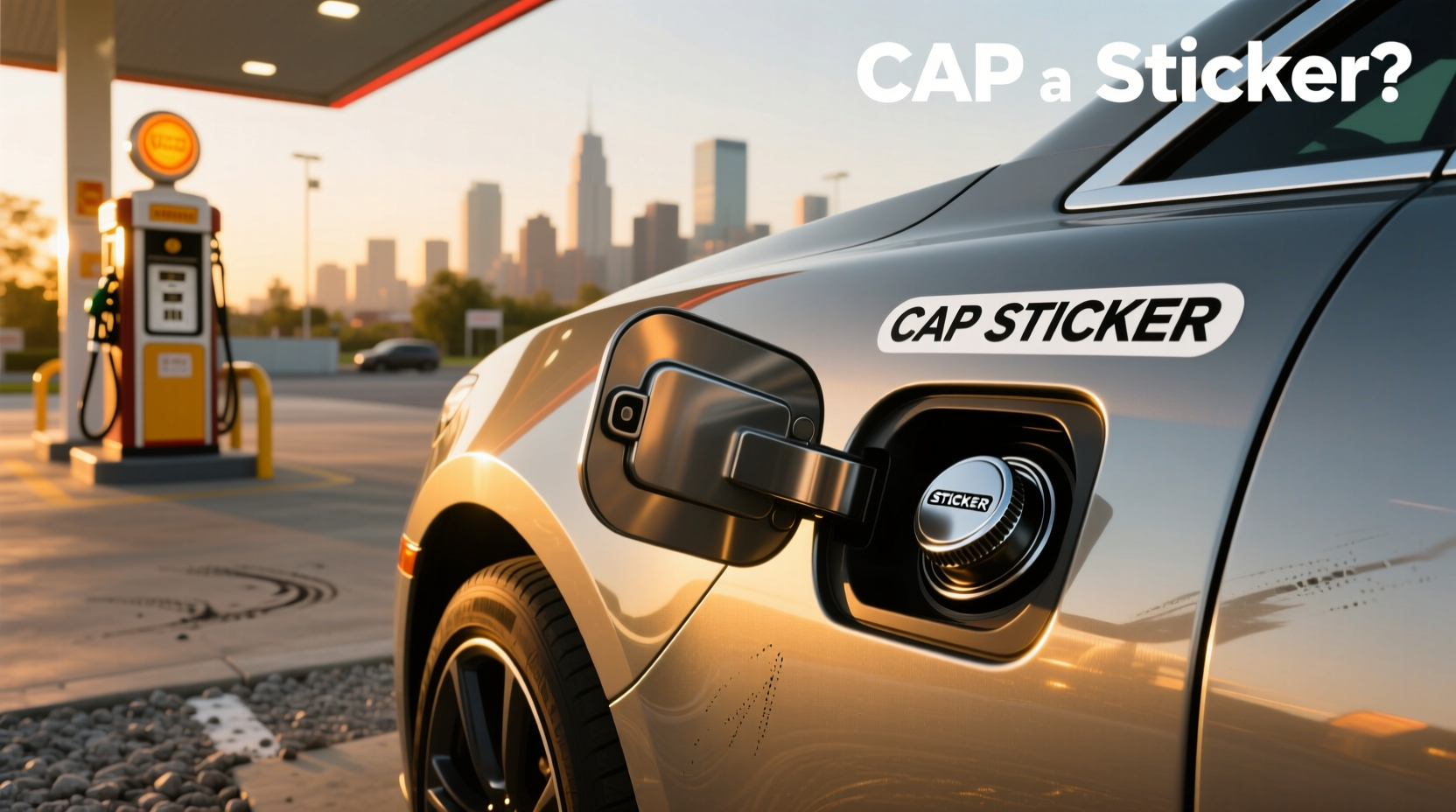
A vehicle fuel cap sticker is an adhesive label applied directly to a car’s gas tank cap. Its primary purpose is to communicate the correct fuel type—such as “Unleaded Only,” “Premium Fuel Required,” or “Diesel”—to prevent accidental misfueling. Misfueling can lead to engine damage, costly repairs, and downtime, especially in fleets or rental operations 1. These stickers are designed for high visibility with bold colors (e.g., red/white for unleaded, green for diesel) and strong adhesives resistant to fuel exposure, moisture, and UV rays.
✨ Apparel Cap Sticker (e.g., New Era)
In fashion, particularly with branded headwear like New Era 59FIFTY caps, a “cap sticker” refers to the metallic or foil label affixed to the cap’s brim. Originally used to indicate size and model information, these stickers have evolved into status symbols within streetwear culture 2. Wearing a cap with the sticker intact signals that it’s new and authentic, often increasing its perceived value among collectors and enthusiasts.
Why gas cap sticker, What is a cap sticker? is gaining popularity
Demand for both types of cap stickers has grown due to rising awareness of their functional and symbolic roles. In the automotive sector, increased vehicle complexity and stricter emissions standards make fuel type accuracy more important than ever. Fleets, rental agencies, and commercial operators use fuel cap stickers as low-cost preventive measures against human error at the pump ⚠️.
In fashion, the cultural significance of cap stickers has been amplified by influencers, celebrities, and limited-edition releases. The presence of a pristine visor sticker enhances product authenticity and exclusivity, making it a key factor in resale markets. This dual rise in utility and symbolism explains why searches for gas cap sticker, What is a cap sticker? continue to grow across different audiences.
Types and variants
Understanding the types available helps clarify what to look for in gas cap sticker, What is a cap sticker? based on your needs.
🔧 Type 1: Functional Fuel Cap Stickers
- Purpose: Prevent misfueling by displaying fuel requirements.
- Design: Bold text, high-contrast colors (red/white, black/yellow, green).
- Material: Weatherproof vinyl with industrial-grade adhesive.
- Variants: Standard (text-only), reflective (for night visibility), multilingual (for international fleets).
Pros: Cost-effective, easy to apply, long-lasting.
Cons: Limited aesthetic appeal; not intended for decoration.
✨ Type 2: Decorative Fuel Cap Stickers
- Purpose: Branding or personalization (e.g., STI logo stickers for Subaru enthusiasts) 3.
- Design: Logo-based, themed designs (racing, off-road, tuner culture).
- Material: Similar durable vinyl but focused on appearance over warning function.
Pros: Adds personality to vehicles; popular among car enthusiasts.
Cons: May obscure critical fuel information; not recommended for shared or rental vehicles.
👕 Type 3: Apparel Visor Stickers
- Purpose: Indicate size, model, and brand authenticity.
- Design: Small metallic or holographic labels with logos and codes.
- Common Brands: New Era, ’47, Mitchell & Ness.
Pros: Enhances collectibility; symbolizes unworn condition.
Cons: Easily damaged; removing it may reduce resale value.
Key features and specifications to evaluate
When evaluating what to look for in gas cap sticker, What is a cap sticker?, consider these core criteria:
✅ Visibility & Legibility
Fuel-related stickers must be readable in daylight and low light. Look for large fonts, contrasting colors, and optionally reflective finishes.
🛡️ Durability & Material Quality
Outdoor stickers face sun, rain, temperature swings, and fuel contact. Opt for UV-resistant, waterproof vinyl with permanent adhesive. Check peel strength ratings if available.
📏 Size & Fit
Fuel cap stickers come in standard diameters (e.g., 1.5", 2") to match common cap sizes. Measure your cap before ordering. Apparel stickers are pre-sized to fit specific brim widths.
🌐 Language & Symbols
For multi-driver environments (rentals, fleets), bilingual or symbol-based stickers improve comprehension. ISO-standard fuel icons (e.g., gasoline pump with octane number) add clarity.
🎨 Design Authenticity (Apparel)
For fashion caps, verify sticker placement and design match official brand standards. Counterfeit caps often have incorrect sticker fonts, colors, or positioning.
| Feature | Fuel Cap Sticker | Apparel Cap Sticker |
|---|---|---|
| Primary Use | Safety / Compliance | Authenticity / Style |
| Placement | Gas tank cap | Cap brim (visor) |
| Lifespan | 3–5 years (outdoor exposure) | Varies (often removed after wear) |
| Replacement Needed? | Yes, if faded or peeling | No (removal changes product status) |
Pros and cons
How to choose gas cap sticker, What is a cap sticker?
Follow this step-by-step guide to ensure you select the right product:
- Identify Your Need: Are you preventing misfueling or preserving fashion authenticity? This determines which category to explore.
- Check Dimensions: Measure your gas cap diameter or confirm cap model (e.g., New Era 59FIFTY) for compatibility.
- Evaluate Environment: Will the sticker face direct sunlight, rain, or fuel spills? Choose accordingly with UV and chemical resistance.
- Assess Visibility Needs: If used in rentals or by multiple drivers, prioritize bold text and universal symbols.
- Verify Adhesive Strength: Look for terms like “permanent bond,” “industrial adhesive,” or “resists lifting.”
- Avoid Conflicting Designs: Never cover existing fuel labels with decorative stickers unless they reinforce the same message.
- Preserve Fashion Integrity: If buying a branded cap, leave the visor sticker intact unless you plan to wear it immediately.
🚩 Red Flags to Avoid
- Stickers made from paper or thin plastic — likely to degrade quickly.
- Vague product descriptions without material specs.
- Prices significantly below market average — may indicate counterfeit or poor quality.
- Fuel stickers lacking clear language or recognized symbols.
Price & market insights
Pricing varies widely based on type and volume:
- Fuel Cap Stickers: $2–$8 per pair for standard models; bulk packs (10–50 units) drop cost to under $1 each.
- Decorative Fuel Stickers: $3–$10 each, depending on brand licensing and design complexity.
- Apparel Cap Stickers: Typically included with cap purchase (~$25–$45 total); sold separately only as replacements (rare, $5–$15).
Value is highest when durability matches usage intensity. For example, a $0.80 weatherproof sticker in a fleet setting offers better ROI than a $5 decorative one that fails in six months. Prices may vary by region and retailer, so compare listings and check return policies before bulk orders.
Top-seller & competitive analysis
Popular models reflect user priorities in reliability and recognition.
| Product | Type | Key Features | User Rating |
|---|---|---|---|
| Unleaded Only Gas Cap Sticker (FuelStickers.com) | Fuel Safety | UV-resistant vinyl, 2-pack, fits most caps | ⭐ 4.8/5 |
| New Era 59FIFTY with Original Visor Sticker | Apparel | Officially licensed, correct size coding | ⭐ 4.7/5 |
| STI Fuel Cap Sticker (AvoJDM) | Decorative | Silver/black finish, JDM styling | ⭐ 4.5/5 |
Customer feedback synthesis
Analysis of buyer reviews reveals consistent patterns:
👍 Common Praise
- “Bright red text makes it impossible to miss at the gas station.”
- “Still looks new after two winters outdoors.”
- “Kept the sticker on my New Era—it arrived exactly as expected.”
👎 Frequent Complaints
- “Peeling edges after three months in sunny climate.”
- “Ordered ‘diesel only’ but received wrong color scheme.”
- “Fake cap had a blurry sticker—learned to verify holograms.”
Sourcing & supplier tips
Where you buy matters for quality assurance:
- Automotive Stickers: Purchase from specialized suppliers (e.g., fuelstickers.com) or industrial safety vendors. For bulk orders, request samples first.
- Fashion Caps: Buy directly from authorized retailers (NewEra.com, Fanatics) or flagship stores to ensure genuine stickers.
- Verification Tips: Check packaging integrity, compare sticker font/style to official images online, and review return policies in case of defects.
- Dropshipping/Bulk: Confirm minimum order quantities (MOQs) and whether customization (e.g., private label fuel stickers) is supported.
Maintenance, safety & legal considerations
Proper care extends life and ensures effectiveness:
- Clean surface thoroughly before application; dirt or oil reduces adhesion.
- Inspect annually for fading, peeling, or cracking—replace if legibility is compromised.
- Do not stack multiple stickers; overlapping layers trap moisture and accelerate degradation.
- In commercial fleets, some regions may require visible fuel indicators—verify local transport regulations if operating across jurisdictions.
- For apparel, storing caps in cool, dry places helps preserve sticker finish.
Conclusion
Choosing the right gas cap sticker, What is a cap sticker? depends on your primary goal. If you need to prevent misfueling, select a high-visibility, weather-resistant fuel cap sticker with clear labeling. If you're buying a branded cap, preserving the original visor sticker maintains authenticity and potential resale value. Always assess durability, correct sizing, and environmental exposure. Avoid decorative stickers that interfere with safety messaging, and verify product legitimacy through trusted sellers. By focusing on function, fit, and longevity, you’ll make a practical decision aligned with your real-world needs.
FAQs
❓ Can I apply a fuel cap sticker over an old one?
No, always remove the old sticker completely and clean the surface. Residue or uneven texture can prevent proper adhesion and cause premature peeling.
❓ Do all New Era caps have visor stickers?
Most New Era 59FIFTY and fitted models do, but adjustable strapback styles may not. Always check product photos or descriptions before purchase.
❓ How long do fuel cap stickers last?
High-quality vinyl stickers typically last 3–5 years outdoors, depending on climate and sun exposure. Replace them if text becomes faded or edges start lifting.
❓ Are fuel cap stickers required by law?
Not universally, but some commercial fleets or rental companies adopt them as internal policy. Certain countries recommend them for diesel vehicles to prevent gasoline misfilling.
❓ Should I remove the sticker from a new baseball cap?
Only if you intend to wear it regularly. Keeping it on preserves collector value and indicates the cap hasn’t been worn.




 浙公网安备
33010002000092号
 浙B2-20120091-4