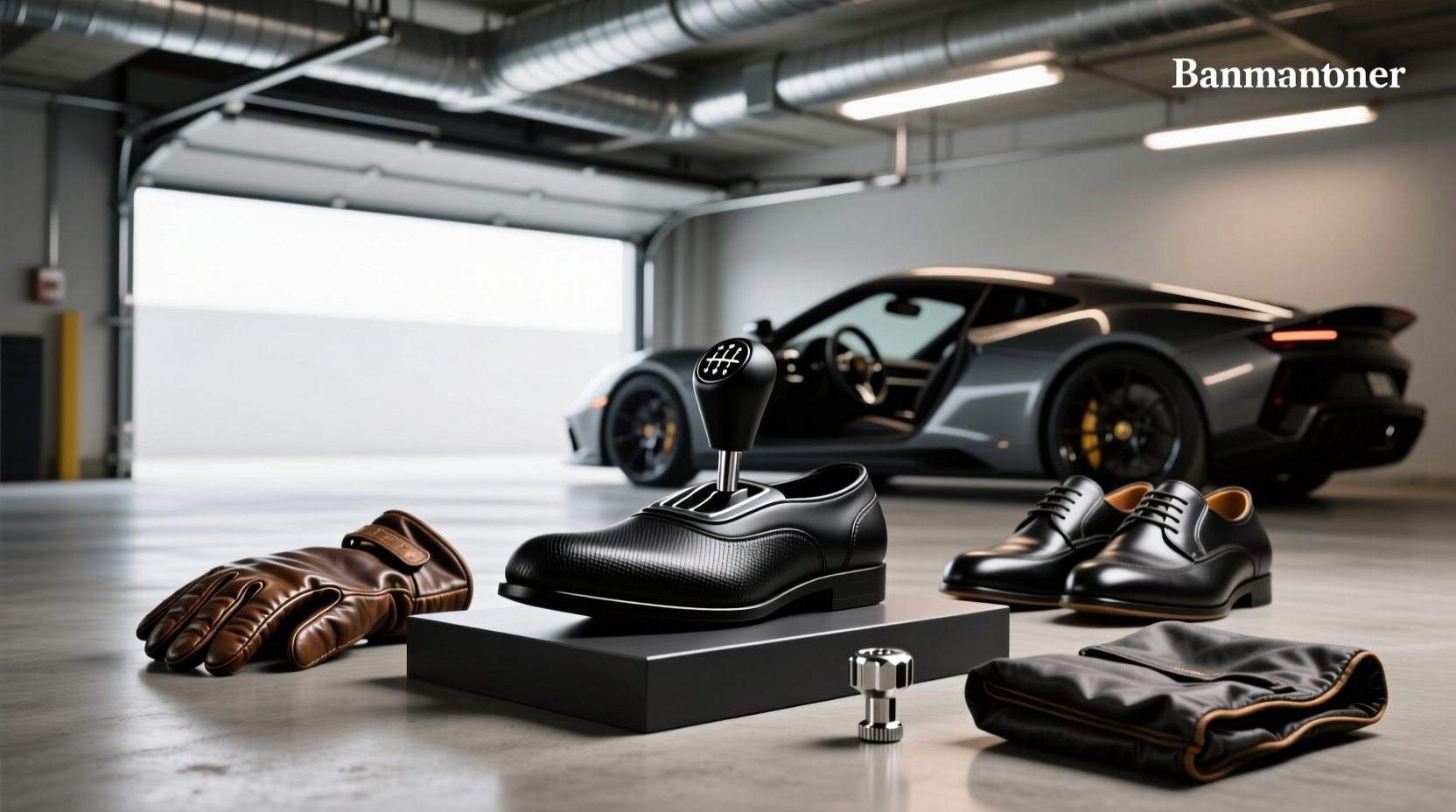
If you're wondering how to choose gear shift boot, what does a shifter boot do?, start here: prioritize fit, material durability, and compatibility with your transmission type. A well-chosen gear shift boot protects the shifter mechanism from dirt and debris 1, prevents accidental shifting, and enhances interior aesthetics. Avoid universal models if you’ve modified your shifter—opt for custom-fit boots when using short-throw shifters. Leather and rubber offer better longevity than vinyl or cloth, which degrade faster under UV exposure 4. For most drivers, a vehicle-specific synthetic leather boot balances cost, function, and appearance.
🛒 About Gear Shift Boot, What Does a Shifter Boot Do?
A gear shift boot, also known as a shifter boot or shift boot, is a protective cover that fits around the base of the gear shifter in manual or automatic vehicles. Its primary role is functional: it seals the shift lever opening to block dust, moisture, and debris from entering the transmission linkage area 8. Without this barrier, contaminants can accelerate wear on internal components like bushings and pivot points, potentially leading to stiff shifting or mechanical failure.
Beyond protection, the shifter boot contributes to driving safety by stabilizing the gear lever and reducing the risk of unintended gear changes during motion. It also plays a visual role—many manufacturers design boots to match cabin trim, while aftermarket options allow customization in color, texture, and material. Whether stock or upgraded, every shifter boot serves as both a mechanical safeguard and an aesthetic connector between driver and vehicle.
📍 Why Gear Shift Boot, What Does a Shifter Boot Do? Is Gaining Popularity
Interest in shifter boots has grown due to rising consumer focus on vehicle maintenance, interior customization, and performance tuning. Drivers are increasingly aware that small components like the shifter boot impact long-term reliability. As more owners modify their transmissions—especially with short-throw shifters—the need for compatible, high-quality boots becomes critical 6.
Additionally, social media and car enthusiast communities have spotlighted interior detailing, making durable, stylish shift boots desirable upgrades. Enthusiasts often replace worn factory boots not only for function but also to personalize their cockpit with materials like hand-stitched leather or colored stitching. This blend of practicality and personalization drives demand across OEM replacements and aftermarket segments.
🔧 Types and Variants
Shifter boots come in various designs and materials, each suited to different priorities such as durability, cost, or style.
By Material
| Material | Pros | Cons |
|---|---|---|
| Leather | Durable, premium feel, resists wear, customizable finishes | Higher cost, requires conditioning, may discolor in sunlight |
| Synthetic Leather (Pleather) | Affordable, wide color range, easy to install | Less breathable, prone to cracking after prolonged use |
| Vinyl | Inexpensive, smooth finish, water-resistant | Brittle over time, especially with heat/UV exposure |
| Rubber | Flexible, weather-resistant, excellent durability | Limited aesthetic options, may yellow with age |
| Cloth | Low cost, decorative patterns available | Stains easily, tears under friction, poor longevity |
| Metal (Shifter Gate Covers) | Highly durable, classic look, often used in restorations | Not a full boot; usually paired with inner seal, custom fabrication needed |
By Fit Type
- ✅Custom-Fit Boots: Designed for specific makes and models (e.g., Honda Civic 2016–2021). Offer seamless integration and precise alignment.
- 🔧Universal Boots: Adjustable to fit multiple vehicles. May require trimming or modification for optimal fit. Risk of gaps or looseness if not sized correctly.
⚙️ Key Features and Specifications to Evaluate
When evaluating options for what to look for in gear shift boot, what does a shifter boot do?, consider these technical and functional aspects:
- Compatibility: Confirm fitment with your vehicle’s make, model, year, and transmission type (manual vs. automatic).
- Material Thickness: Thicker materials generally last longer but may affect ease of installation.
- Sealing Design: Look for snug edges or grommets that create a tight seal around the shifter base.
- Stitching Quality: Double-stitched seams indicate higher durability, especially in fabric or leather models.
- UV Resistance: Important for vehicles parked outdoors; rubber and treated synthetics perform better.
- Color & Trim Matching: Aftermarket boots should complement existing interior tones and textures.
📋 Pros and Cons
Advantages of Replacing or Upgrading a Shifter Boot
- Extends life of shifter mechanism by blocking contaminants
- Improves cabin appearance and perceived build quality
- Reduces risk of accidental gear engagement
- Allows personalization (color, texture, branding)
- Simple DIY replacement with basic tools
Limits and Drawbacks
- Universal boots may not provide full protection if improperly fitted
- Premium materials (e.g., real leather) increase cost significantly
- Some installations require partial center console disassembly
- Aftermarket styles may void no-touch warranties if dealer-installed parts are required
🔍 How to Choose Gear Shift Boot, What Does a Shifter Boot Do?
Follow this step-by-step guide to make an informed decision based on your needs:
- Assess Your Vehicle’s Needs: Check whether your current boot is damaged, loose, or incompatible with modifications like a short-throw shifter.
- Determine Fit Type: Prefer custom-fit boots for OEM-level precision. Use universal only if no model-specific option exists.
- Select Material Based on Use Case:
- Daily drivers: Rubber or synthetic leather for balance of cost and resilience
- Show cars: Genuine leather or embroidered cloth for visual appeal
- Race/prepped vehicles: Reinforced rubber or hybrid composites for maximum durability
- Verify Dimensions: Measure the diameter of your shifter base and compare with product specs. Some boots list inner/outer diameters and height.
- Check Installation Requirements: Determine if removal of surrounding panels is necessary. Some models clip on; others require screws or adhesive.
🚩 Red Flags to Avoid
- Overly cheap universal boots made from thin vinyl—likely to crack within months.
- Vague fitment descriptions like “fits most sedans”—always confirm compatibility.
- Missing sealing gaskets or rigid openings that won’t conform to the shifter base.
- Boots marketed for unmodified vehicles when you have a performance shifter.
💰 Price & Market Insights
Prices vary widely depending on material, brand, and fit specificity:
- $8–$15: Basic universal vinyl or cloth boots. Suitable for temporary fixes or low-use vehicles.
- $16–$30: Mid-tier synthetic leather or rubber boots, often model-specific. Best value for most consumers.
- $30–$60+: Premium leather or handcrafted options, sometimes with embroidery or logos. Common in specialty markets.
Note: Prices may differ by region and retailer. Always verify return policies before purchase, especially for non-OEM parts. While higher-priced boots often offer better materials, they don’t always outperform mid-range alternatives in real-world conditions.
📊 Top-Seller & Competitive Analysis
Popular models tend to emphasize compatibility, ease of installation, and durability. Below is a comparison of commonly purchased types:
| Boot Type | Avg. Price | Lifespan Estimate | Best For |
|---|---|---|---|
| Universal Vinyl | $10 | 6–12 months | Budget fix, short-term use |
| OEM Replacement (Rubber) | $22 | 3–5 years | Factory-spec repair |
| Custom Synthetic Leather | $26 | 2–4 years | Appearance upgrade, moderate use |
| Genuine Leather (Handmade) | $48 | 4+ years | Show cars, enthusiasts |
📝 Customer Feedback Synthesis
Analysis of buyer reviews reveals consistent themes:
Common Praises
- “Perfect fit for my 2018 Mazda MX-5” – satisfaction with model-specific accuracy
- “Looks way better than the cracked original” – aesthetic improvement noted
- “Easy to install in under 15 minutes” – appreciation for tool-free designs
Frequent Complaints
- “Too loose around the base” – mainly with universal fits
- “Started peeling after six months” – especially lower-end pleather
- “Didn’t account for my short-shift kit” – mismatched dimensions
🏭 Sourcing & Supplier Tips
When sourcing a gear shift boot:
- Buy from reputable auto parts retailers or specialized interior suppliers with clear fitment guides.
- For bulk purchases (e.g., restoration shops), consider working directly with manufacturers who offer tiered pricing.
- Verify return policy—some sellers exclude used or installed items.
- Inspect upon delivery: Check for cuts, misshapen openings, or inconsistent coloring.
- Confirm authenticity if purchasing branded or OEM-equivalent parts—compare packaging and part numbers.
🧼 Maintenance, Safety & Legal Considerations
Maintain your shifter boot by cleaning it regularly with appropriate products: use mild soap and water for rubber or vinyl, and leather conditioner for genuine hides. Avoid harsh solvents that can degrade adhesives or cause cracking.
Safety-wise, a damaged or missing boot increases the risk of foreign object interference in the shifter mechanism, which could impair gear selection. While there are no federal regulations specifically governing shifter boot integrity, maintaining factory-like conditions may be relevant for warranty claims or vehicle inspections in certain regions.
Always verify local requirements if modifying your vehicle extensively. When in doubt, consult your owner’s manual or contact the manufacturer for guidance on approved components.
✨ Conclusion
Choosing the right gear shift boot comes down to matching function, fit, and budget. If you drive daily and want reliable protection, go for a model-specific rubber or synthetic leather boot. If you’ve modified your transmission, invest in a custom-fit boot designed for short-throw shifters. For show or luxury appeal, premium leather offers unmatched style—but requires upkeep. Avoid generic, low-cost options if longevity matters. By focusing on compatibility, material quality, and proper installation, you’ll enhance both safety and driving experience.
❓ FAQs
- What does a shifter boot do?
- A shifter boot covers the base of the gear lever to protect the transmission mechanism from dirt and debris, prevent accidental shifts, and improve interior appearance.
- When should I replace my shifter boot?
- Replace it if you notice cracks, tears, looseness, or if debris is entering the shifter area. Proactive replacement is wise during interior cleanups or transmission service.
- Can I install a shifter boot myself?
- Yes, most boots can be installed with basic tools or by hand. Universal types may require trimming; custom ones typically snap or screw into place.
- Do all vehicles have a shifter boot?
- Most vehicles with floor-mounted shifters have one. Column shifters or electronic shifters (e.g., push-button) usually don’t require traditional boots.
- Are leather shifter boots worth it?
- They’re worth it if you prioritize aesthetics and long-term durability. However, they cost more and require maintenance compared to synthetic options.




 浙公网安备
33010002000092号
 浙B2-20120091-4