🛒 Short Introduction: How to Choose a Lorry Tailgate
When selecting a lorry tailgate—commonly known as the rear gate or tail lift depending on region and function—it’s essential to first understand your primary use case: manual access, powered loading, or frequent freight delivery. For most commercial fleets in North America, a hydraulic liftgate is ideal for heavy cargo without dock access 1, while UK and European operators often refer to the same system as a “tail lift” 2. If you're upgrading a pickup truck bed, a multi-function tailgate with soft-open dampers and integrated steps improves usability 3. Key factors include weight capacity (typically up to 1,500 lbs), opening mechanism, regional terminology compatibility, and whether automation is needed. Avoid mismatched systems by verifying vehicle fitment and checking local service support before purchase.
📍 About Lorry Tailgate: What Do You Call the Back Part of a Lorry?
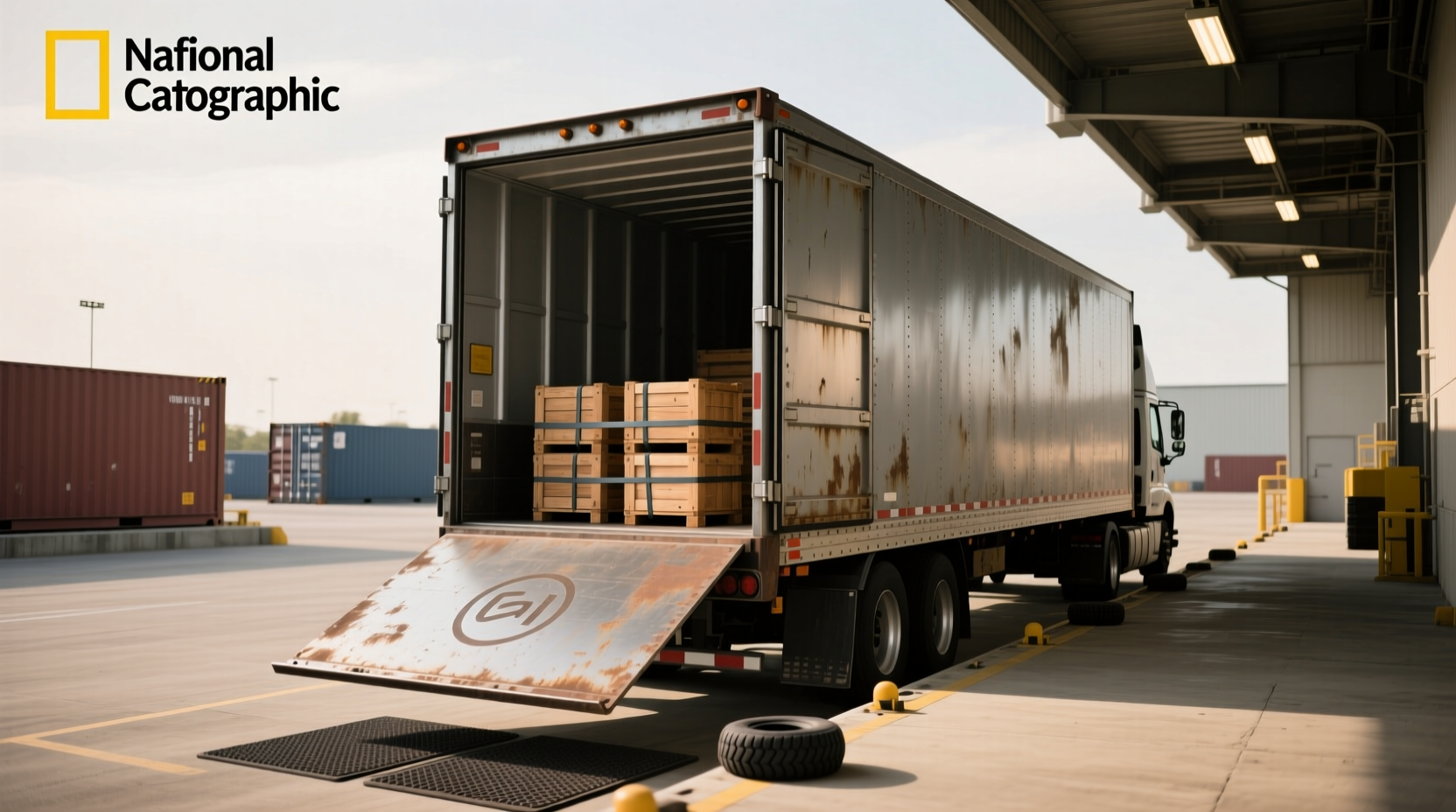
The back part of a lorry serves as a critical interface between the vehicle and its cargo. Depending on context, it may be referred to as a tailgate, liftgate, or tail lift. A traditional tailgate is a hinged panel at the rear of a pickup truck that lowers downward, allowing access to the cargo bed and sometimes supporting weight during loading 3. In contrast, a liftgate typically refers to an upward-swinging door on SUVs or crossovers—but in commercial transport, especially in the U.S., it denotes a powered platform used for lifting freight from ground level. The term tail lift is more common in the UK and Europe and describes a permanently mounted mechanical device, usually hydraulic, designed to raise and lower pallets safely 2.
These components are not interchangeable despite overlapping functions. For example, a standard pickup tailgate cannot replace a powered tail lift used in last-mile delivery vans. Understanding these distinctions ensures accurate communication when sourcing parts or specifying equipment for logistics operations.
📈 Why Lorry Tailgate Systems Are Gaining Popularity
Demand for efficient, safe cargo handling has driven increased adoption of advanced tailgate and tail lift systems across industries. With rising labor costs and growing emphasis on workplace safety, businesses seek solutions that reduce physical strain and speed up unloading cycles. Powered tail lifts minimize reliance on forklifts, making deliveries possible even at locations without loading docks—a common challenge in urban or residential areas 4.
In e-commerce and just-in-time supply chains, faster turnaround times are crucial. Multi-functional tailgates with built-in steps or fold-out workbenches enhance productivity for tradespeople and field technicians. Additionally, regulatory trends promoting ergonomics and injury prevention have encouraged fleet managers to invest in automated systems. As electric and hybrid commercial vehicles evolve, integration of smart tailgate controls—such as remote operation via smartphone apps—is emerging as a trend for 2026 and beyond.
🔧 Types and Variants of Rear Lorry Gates
Different applications require different designs. Below are the main types available:
🚚 Traditional Drop-Down Tailgate
Found on most pickup trucks, this design hinges at the bottom and opens downward. Supported by cables or gas struts, it allows easy access to the bed and can double as a small loading platform.
- ✅ Pros: Simple, durable, low maintenance
- ❌ Cons: Requires clearance behind the vehicle; limited utility for heavy items
🏭 Barn-Door / Split Tailgate
Also called swing gates, these open sideways like double doors. Common on some vans and specialized utility vehicles.
- ✅ Pros: No need to clear space behind; easier access in tight areas
- ❌ Cons: Less structural rigidity; potential interference with adjacent vehicles
⚙️ Multi-Function Tailgate
Advanced versions offer multiple configurations—such as step-down modes, removable sections, or fold-out benches (e.g., Ford Pro Access Tailgate, GM Multi-Flex).
- ✅ Pros: High versatility for trades and frequent loading
- ❌ Cons: Higher cost; more complex mechanisms prone to wear
⚡ Soft-Open / Damped Tailgate
Uses hydraulic or pneumatic dampers to control descent, preventing sudden drops and reducing impact noise.
- ✅ Pros: Smoother operation; enhanced safety
- ❌ Cons: Slightly higher initial cost; requires periodic servicing
🌐 Powered Liftgate (North America) / Tail Lift (UK & Europe)
A hydraulically operated platform that raises and lowers cargo autonomously. Essential for LTL (Less-Than-Truckload) shipping where dock facilities are unavailable.
- ✅ Pros: Enables unloading without manual lifting; supports up to 1,500 lbs
- ❌ Cons: Expensive installation; requires regular maintenance and power source
✨ Key Features and Specifications to Evaluate
To make an informed decision, assess the following criteria based on your operational needs:
- 🔍 Weight Capacity: Check maximum load rating (usually 1,300–1,500 lbs). Exceeding limits risks damage and safety hazards 4.
- 📏 Dimensions: Ensure the platform fits your cargo footprint (standard max: ~72" L x 48" W x 82" H).
- 🔋 Power Source: Hydraulic systems may run off the vehicle battery or PTO (Power Take-Off); verify compatibility.
- 🧰 Durability: Look for corrosion-resistant materials (e.g., aluminum decks, powder-coated steel frames).
- ⏱️ Speed & Cycle Time: Faster cycle times improve efficiency but may increase energy consumption.
- 📱 Control Options: Wireless remotes, key fobs, or app-based interfaces add convenience.
- 📎 Integration: Consider compatibility with existing bodywork, suspension, and electrical systems.
Tip: Always consult manufacturer specifications before purchasing. Fitment varies significantly between chassis models and model years.
📌 Pros and Cons: Who Should Buy What?
No single solution fits all scenarios. Here's a balanced view:
- Ideal for Small Fleets & Tradespeople: Multi-function or soft-open tailgates on pickups improve daily usability.
- Best for Urban Delivery Services: Powered tail lifts enable drop-offs at non-docked sites, increasing route flexibility.
- Not Recommended for Light-Duty Use: Installing a full hydraulic tail lift on a light van may be overkill if loads are under 300 lbs.
- Avoid If Maintenance Access Is Limited: Complex systems require skilled technicians—ensure local service availability.
📋 How to Choose a Lorry Tailgate: Step-by-Step Buying Guide
Follow this checklist to avoid costly mismatches:
- Define Your Use Case: Are you hauling tools, delivering pallets, or doing roadside service? Match the system to your typical load type and frequency.
- Determine Regional Terminology: Clarify whether suppliers use “liftgate” (U.S.) or “tail lift” (UK/EU) to prevent miscommunication.
- Verify Vehicle Compatibility: Confirm mounting dimensions, chassis strength, and electrical/power requirements.
- Assess Load Requirements: Include both weight and size of heaviest expected cargo.
- Evaluate Automation Needs: Decide if manual, semi-powered, or fully automatic operation suits your workflow.
- Check Safety Standards: Ensure compliance with local occupational safety regulations (OSHA, HSE, etc.).
- Review Warranty & Support: Look for minimum 1-year warranty and accessible technical support.
Red Flags to Avoid:
- Products lacking certified load ratings
- Vendors who don’t provide installation manuals
- Systems requiring custom fabrication without engineering validation
- Pricing significantly below market average (indicates subpar materials)
💰 Price & Market Insights
Pricing varies widely based on type, capacity, and region:
- Basic Drop-Down Tailgates: $100–$400 (replacement units)
- Multi-Function Tailgates: $600–$1,500+
- Powered Liftgates / Tail Lifts: $2,500–$8,000 installed
Higher-end systems offer better durability and smoother operation. While budget options exist, investing in reputable brands often pays off through reduced downtime and longer service life. Prices may vary by country due to import duties, certification requirements, and labor costs. Always request quotes inclusive of installation and taxes.
📊 Top-Seller & Competitive Analysis
The following table compares popular tailgate and tail lift options:
| Product Type | Typical Use | Capacity | Avg. Price | Key Brands |
|---|---|---|---|---|
| Drop-Down Tailgate | Pickup Trucks | N/A (structural only) | $150–$350 | Dorman, OEM replacements |
| Soft-Open Tailgate | Fleet Vehicles | Supports ~300 lbs | $800–$1,200 | Ford, RAM, GM OEM |
| Hydraulic Tail Lift | Delivery Vans | 1,000–1,500 lbs | $3,000–$6,000 | ZA-SIL, Vestergaard, TailLiftDirect |
| Column-Type Liftgate | Commercial Trucks (USA) | 2,000+ lbs | $4,000–$8,000 | Palfinger, Maxon, Welch |
Note: Aftermarket upgrades may void certain warranties—verify with your vehicle manufacturer.
📝 Customer Feedback Synthesis
Analysis of user reviews reveals consistent themes:
- Most Praised Features: Smooth hydraulic operation, ease of unloading at curbside, reliability after long-term use.
- Common Complaints: High repair costs, difficulty finding qualified technicians, slow cycle speed in cold weather.
- Unexpected Benefits: Reduced worker compensation claims, improved customer satisfaction due to faster service.
- Installation Issues: Poor fitment with older chassis, inadequate instructions, missing hardware.
Users emphasize the importance of professional installation and routine lubrication to maintain performance.
🌍 Sourcing & Supplier Tips
When buying a lorry tailgate or tail lift:
- Source from suppliers with proven experience in your vehicle model.
- For bulk purchases, request references and sample units.
- Consider distributors offering installation training or site audits.
- Verify return policies and lead times—some custom builds take 4–6 weeks.
- Inspect weld quality, paint finish, and actuator alignment upon delivery.
If importing across regions, ensure documentation uses correct terminology (“tail lift” vs. “liftgate”) to avoid customs delays.
⚠️ Maintenance, Safety & Legal Considerations
Regular maintenance extends lifespan and prevents accidents:
- Lubricate pivot points and hydraulic joints every 3 months.
- Inspect cables, hoses, and seals for wear or leaks.
- Test emergency stop functions monthly.
- Train operators on proper loading procedures and weight distribution.
Safety standards such as CE marking (Europe) or FMVSS (U.S.) may apply. While specific regulations vary by jurisdiction, always confirm that your system meets local occupational health and safety requirements. Consult a certified mechanic or inspector if modifying original equipment.
✅ Conclusion: Making the Right Choice
Selecting the right lorry tailgate—or tail lift/liftgate—depends on your operational demands, regional norms, and budget. If you frequently deliver heavy freight without dock access, a powered tail lift is essential. For general-purpose pickups, a multi-function tailgate enhances daily usability. Always verify compatibility, prioritize safety-rated components, and factor in long-term maintenance. By aligning your choice with real-world usage patterns, you’ll maximize efficiency and minimize downtime.




 浙公网安备
33010002000092号
 浙B2-20120091-4