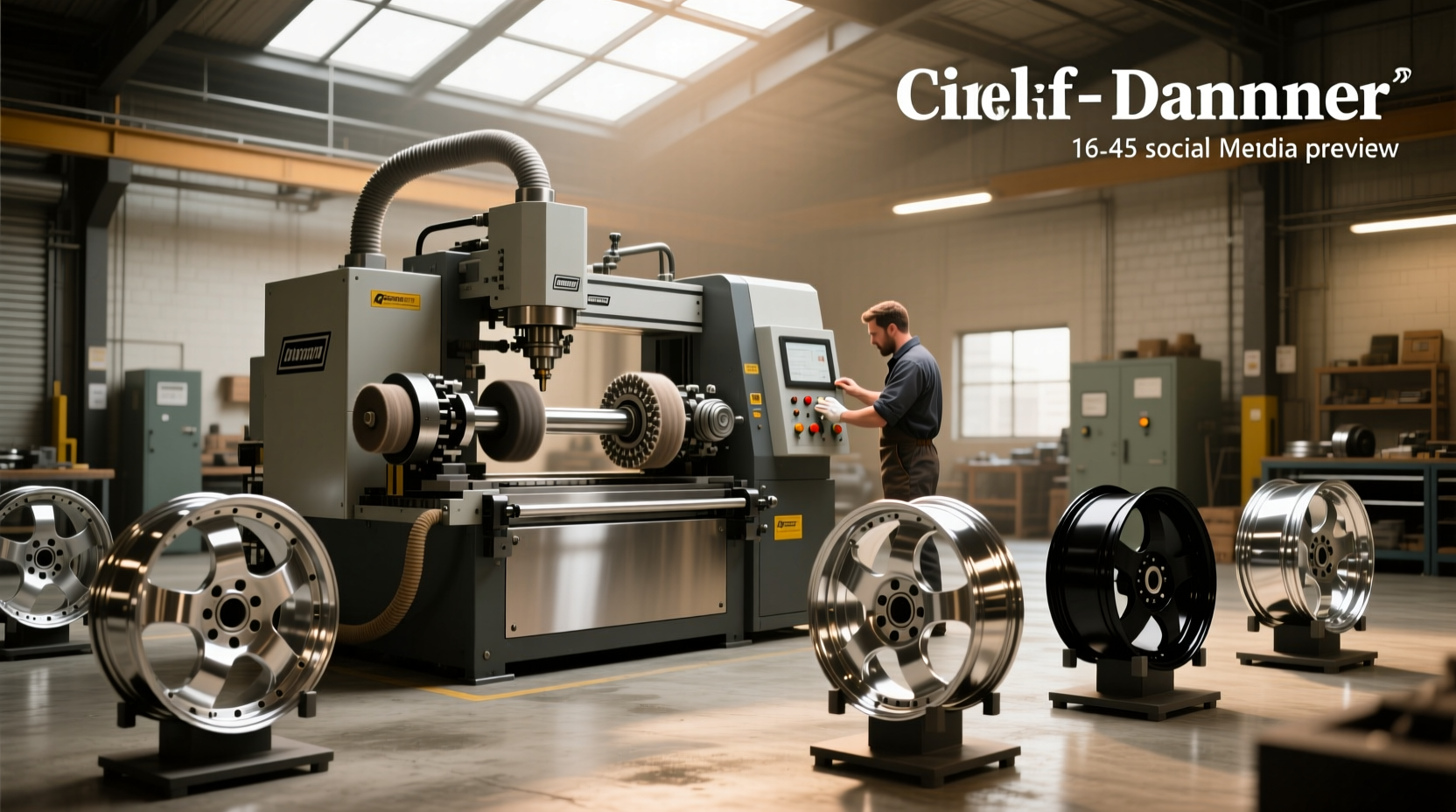
If you're asking what is the best polisher for motorcycles or trying to figure out how to choose a motorcycle rim polishing machine, start by matching the tool to your usage level and rim material. For occasional home users, a compact dual-action (DA) polisher with variable speed works well. Professionals restoring aluminum or alloy rims should consider a high-torque rotary machine with heat control. Key pitfalls to avoid include using aggressive pads on chrome surfaces and skipping compatibility checks for curved spoke designs. Always pair your machine with polishing pads for motorcycles designed for tight contours.
About Motorcycle Rim Polishing Machines: Definition & Use Cases
A motorcycle rim polishing machine is a powered tool designed to restore shine and remove oxidation, scratches, and brake dust buildup from motorcycle wheels. Unlike general-purpose polishers, these tools often feature adjustable arms, precision speed controls, and specialized pad holders that conform to curved or spoked rim profiles.
Common use cases include:
- 🔧 Restoration of vintage bike rims
- ✨ Pre-show detailing for custom motorcycles
- 🏭 Commercial repair shops handling multiple bikes weekly
- 🧼 DIY maintenance between rides
Why Motorcycle Rim Polishers Are Gaining Popularity
Riders are increasingly investing in aesthetic upkeep as custom builds and show circuits grow in popularity. Chrome and polished aluminum rims enhance visual impact but require regular care to prevent pitting and tarnish. Manual polishing is time-consuming and inconsistent—especially on complex spoke patterns.
⚙️ Automated rim polishers address this by delivering uniform results across curved surfaces. Online communities and YouTube tutorials have also raised awareness about proper wheel care, increasing demand for accessible tools. Additionally, rising resale values for well-maintained bikes make professional-grade detailing a smart investment.
Types and Variants of Rim Polishing Machines
1. Dual-Action (DA) Polishers
These use an orbit-spin motion that minimizes heat and swirl marks. Ideal for beginners and light-to-medium correction.
- ✅ Pros: Safe on thin plating, easy to control, low vibration
- ❌ Cons: Slower material removal, less effective on deep pitting
2. Rotary Polishers
Spin in a single circular direction at high RPM. Best for experienced users removing heavy oxidation.
- ✅ Pros: Fast cutting power, excellent for aluminum restoration
- ❌ Cons: Risk of burning paint or metal if misused, steep learning curve
3. Bench-Mounted Rim Polishers
Fixed units where the rim is mounted directly. Common in shops for repeatable, hands-free operation.
- ✅ Pros: High precision, consistent pressure, efficient for multiple wheels
- ❌ Cons: Expensive, large footprint, not portable
4. Pneumatic (Air-Powered) Tools
Driven by compressed air, often used in commercial settings.
- ✅ Pros: Lightweight, no overheating, durable motors
- ❌ Cons: Require air compressor, limited mobility
Key Features and Specifications to Evaluate
When assessing what to look for in a motorcycle rim polishing machine, consider these technical and ergonomic factors:- ⚡ Motor Power (Watts or Amps): 300–700W is typical. Higher wattage handles tough jobs but increases weight.
- 🔄 Speed Range (RPM): Look for 1,500–6,000 RPM with variable control. Lower speeds suit delicate finishes; higher RPM cuts faster.
- 📏 Pad Size Compatibility: 3" to 5" pads are standard. Smaller pads access tight curves; larger ones cover flat areas quickly.
- 🛠️ Ergonomics: Weight under 4 lbs reduces fatigue. Rubberized grips improve control.
- 🔋 Power Source: Corded offers continuous power; cordless provides mobility but limited runtime.
- 🎛️ Speed Control Type: Dial controls allow fine adjustments. Trigger locks reduce hand strain.
- 🧼 Heat Management: Overheat protection extends motor life, especially during long sessions.
- 🔗 Accessory Compatibility: Ensure availability of polishing pads for curved surfaces and adapters for spoke gaps.
Pros and Cons: Who Should Buy One?
These machines deliver superior results compared to manual methods—but aren't always necessary.
✅ Suitable For:
- Owners of chrome or billet aluminum rims needing frequent touch-ups
- Detailers handling more than 2–3 bikes per month
- Riders preparing for shows or resale
- Shops aiming to reduce labor time on wheel services
❌ Not Recommended For:
- Casual riders who clean wheels once a year
- Budget-focused users unwilling to invest in quality pads
- Those without basic knowledge of polishing techniques
- Users lacking protective gear (gloves, goggles)
How to Choose the Right Motorcycle Rim Polisher: Step-by-Step Guide
📌 Follow this checklist when deciding what is the best polisher for motorcycles for your situation:- Assess Your Usage Frequency: Occasional use? Choose a DA polisher. Daily shop use? Consider bench-mounted or pneumatic.
- Determine Rim Material: Chrome requires gentler treatment than bare aluminum. Match aggressiveness accordingly.
- Check Curvature Complexity: Spoked or deeply concave rims need flexible backing plates and small-diameter pads.
- Verify Pad Availability: Confirm that replacement polishing pads for motorcycles are sold separately and affordable long-term.
- Test Ergonomic Fit: If possible, hold the unit. It should feel balanced and comfortable after 10 minutes of simulated use.
- Review Safety Features: Look for thermal cutoff, non-slip housing, and secure collet locking.
🚩 Red Flags to Avoid
- No speed adjustment (increases risk of damage)
- Plastic gears instead of metal (reduces durability)
- Missing CE/FCC certification (potential safety hazard)
- Vague manufacturer specs (e.g., "high power" without wattage)
- Incompatible with industry-standard pad sizes
Price & Market Insights
Pricing varies significantly based on type and build quality:
- 🛒 $40–$90: Entry-level DA polishers (plastic bodies, basic speed control)
- 🛒 $100–$200: Mid-tier models with metal housings, better ergonomics
- 🛒 $200–$400: Professional rotary or bench units with advanced cooling
- 🛒 $400+: Industrial-grade pneumatic or automated systems
Value isn’t solely in price. A $150 model with replaceable brushes and modular parts may offer better long-term ROI than a cheaper sealed-unit design. Note: Prices may vary by region and retailer. Always check warranty length and service network coverage before purchase.
Top-Seller & Competitive Analysis
The following comparison highlights key differences among popular types—not specific brands—to help answer how to choose a motorcycle rim polishing machine.
| Feature | DA Polisher | Rotary Polisher | Bench Model | Pneumatic Tool |
|---|---|---|---|---|
| Best For | Beginners, light duty | Experts, deep correction | High-volume shops | Workshop environments |
| RPM Range | 1,500–6,000 | 3,000–7,000 | 2,000–5,500 | 4,000–8,000 |
| Weight | 2.5–3.5 lbs | 4–5 lbs | N/A (fixed) | 1.5–2.5 lbs |
| Learning Curve | Low | High | Moderate | Moderate |
| Likely Longevity | 2–5 years | 3–7 years | 5+ years | 5–10 years |
| Ideal Pad Size | 3"–5" | 3"–6" | Custom mounts | 3"–4" |
Customer Feedback Synthesis
Based on aggregated reviews across retail and forum platforms, common themes emerge:
👍 Frequent Praises:
- "Smooth finish on curved spoke areas" — users appreciate machines that adapt to complex geometries
- "Easy speed transition" — dial controls preferred over trigger-only models
- "Durable motor" — reports of lasting performance beyond 3 years with care
- "Lightweight design" — critical for overhead work on upright wheels
👎 Common Complaints:
- "Overheated after 15 minutes" — particularly in budget corded models
- "Pad wobble" — due to poor collet fit or low-quality backing plates
- "No instructions for rim-specific technique" — gap in user education
- "Hard to find replacement parts" — discontinued accessories hinder longevity
Sourcing & Supplier Tips
When purchasing, explore multiple channels:
- 🌐 Online retailers (Amazon, eBay, specialized auto sites)
- 🏭 Direct from manufacturers (for bulk orders or OEM replacements)
- 🏪 Local automotive supply stores (allows physical inspection)
For resellers or shops buying in volume:
- Negotiate bundle deals including polishing pads for curved surfaces
- Request sample units before committing to large orders
- Confirm return policy and defect rate expectations
Maintenance, Safety & Legal Considerations
To ensure safe and effective use:
- 🧼 Clean the machine after each use—remove dust from vents and pad interface
- 🔧 Replace worn brushes (in brushed motors) every 50–100 hours
- 🔋 Store cordless models with 40–60% charge to prolong battery life
- 🧤 Always wear eye protection and gloves—metal particles can fly at high speed
- 🔌 Use grounded outlets for high-wattage units to prevent electrical hazards
No specific federal regulations govern consumer use of polishing machines in most regions. However, commercial operators should verify local workshop safety codes and disposal rules for metal slurry waste. Always follow manufacturer guidelines for operational limits.
Conclusion: Matching Needs to Machine Type
Choosing the right motorcycle rim polishing machine depends on balancing skill level, frequency of use, and rim complexity. If you’re new to detailing, opt for a dual-action model with variable speed and ergonomic design. For professional-grade results on aluminum or damaged chrome, a rotary or bench unit delivers efficiency. Never overlook the importance of compatible polishing pads for motorcycles, especially those engineered for curved surfaces. Avoid overly cheap tools with unclear specs—durability and safety matter. Ultimately, the best choice supports your goals without exceeding your comfort zone.
Frequently Asked Questions
Can I use a car polisher on motorcycle rims?
Yes, but only if it accommodates small pads (3"–4") and allows precise speed control. Many car polishers are too large or powerful for narrow or curved motorcycle rims, increasing the risk of accidental damage.
What type of polishing pad should I use for chrome rims?
Use foam pads labeled "fine" or "finishing" with a low-abrasion compound. Aggressive wool pads can scratch thin chrome plating. For intricate curves, choose contoured or finger-shaped pads designed for detailed work.
How often should I polish my motorcycle rims?
Every 3–6 months for regular maintenance, depending on riding conditions. More frequent polishing may wear down protective coatings or plating over time.
Do electric polishers work on rusty steel rims?
Only after initial rust removal. Heavy corrosion should be treated with wire brushing or media blasting first. Using a polisher directly on flaky rust risks damaging the tool and spreading debris.
Are cordless polishers powerful enough for rim work?
Mid-to-high-end cordless models (18V+) are sufficient for light to moderate polishing. However, extended sessions may drain batteries quickly. Check amp-hour ratings and consider spare batteries for productivity.




 浙公网安备
33010002000092号
 浙B2-20120091-4