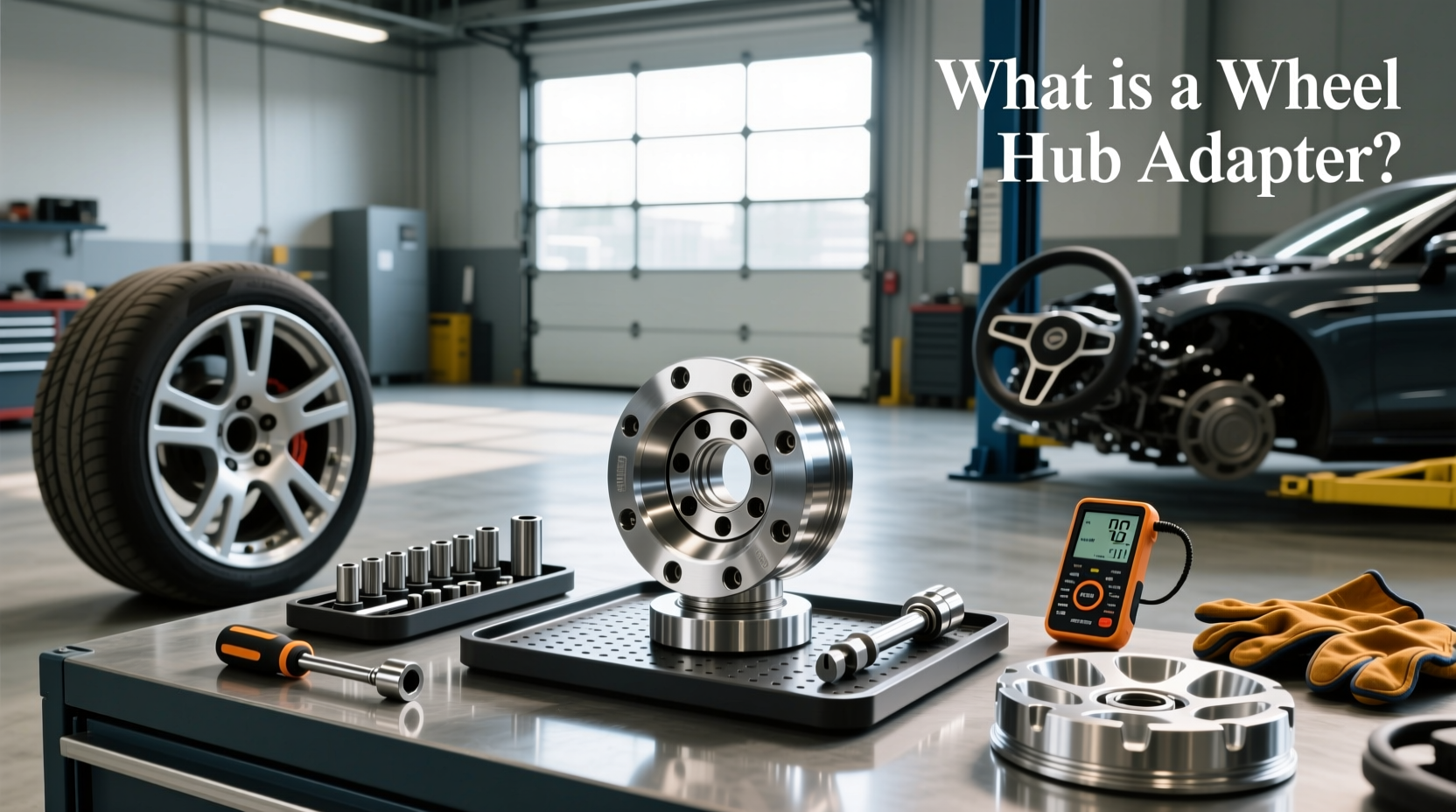
About Steering Wheel Hub Adapters: What Do They Do?
A steering wheel hub adapter, also known as a boss kit or hub kit, serves as the critical interface between an aftermarket steering wheel and your vehicle’s original steering column 1. Factory steering columns are engineered specifically for OEM wheels, which means they have unique mounting configurations. Aftermarket wheels, however, often use different bolt patterns and center hubs, making direct installation impossible without an adapter.
The hub adapter ensures mechanical compatibility by bridging the gap between the steering wheel’s mounting system and the vehicle’s steering shaft—whether it's splined, single-D, or double-D shaped 2. This secure connection allows precise transfer of driver input to the front wheels, maintaining responsive handling and control.
It’s important not to confuse this part with the wheel hub assembly, which is located at each wheel and supports rotation, bearings, and ABS sensors 3. The steering wheel hub adapter is purely about cockpit customization and connectivity—not suspension or drivetrain function.
Why Are Steering Wheel Hub Adapters Gaining Popularity?
🚗 Enthusiasts and daily drivers alike are increasingly opting for aftermarket steering wheels, driven by desires for personalization, improved ergonomics, and enhanced driving dynamics. A high-quality steering wheel can transform the interior feel of a car, offering better grip, reduced hand fatigue, and race-inspired aesthetics.
🔧 The rise in modular interiors and plug-and-play electronics has made installations more accessible. Quick-release systems, once limited to track vehicles, are now common in street builds due to their convenience and anti-theft benefits. Additionally, modern hub adapters often integrate cleanly with airbag deactivation circuits and horn wiring, reducing complexity during swaps.
📈 As DIY automotive culture grows—supported by online tutorials and specialty retailers—the demand for reliable, well-engineered hub adapters continues to increase. Consumers seek products that balance ease of installation, durability, and compliance with safety standards.
Types and Variants of Steering Wheel Hub Adapters
Different driving needs call for different adapter designs. Below is a breakdown of the most common types:
| Type | Pros | Cons | Best For |
|---|---|---|---|
| Fixed Hub Adapter | ✅ Durable, simple design ✅ No moving parts = low failure risk |
❌ Permanent installation ❌ No theft protection |
Daily drivers, budget builds |
| Quick-Release Hub Adapter | ✅ Easy removal for security ✅ Faster driver changes (racing) |
❌ Higher cost ❌ Potential wobble if worn |
Race cars, high-value vehicles |
| Short Hub Adapter | ✅ Brings wheel closer to driver ✅ Improves cockpit ergonomics |
❌ May interfere with airbags ❌ Not compatible with all dash layouts |
Performance tuning, small cabins |
| Collapsible Hub Adapter | ✅ Designed to absorb impact ✅ Meets some motorsport safety rules |
❌ More expensive ❌ Limited availability |
Track-only vehicles, rally builds |
Key Features and Specifications to Evaluate
Choosing the right adapter requires attention to several technical details:
- 🔍Vehicle Compatibility: Confirm fitment with your car’s make, model, year, and trim. Some models have multiple steering column variants even within the same generation.
- ⚙️Steering Column Type: Identify whether your column uses a splined shaft, single-D, or double-D profile. Mismatched interfaces cause play or improper seating.
- 🛒Bolt Pattern Match: Most aftermarket wheels use 3-, 6-, or 9-bolt patterns (P.C.D.). Ensure the adapter matches your wheel brand’s specification exactly.
- 🏭Material Quality: Look for billet aluminum or forged steel construction. These offer superior strength and resistance to deformation under stress 1.
- ✨Finish Options: Anodized, polished, or powder-coated finishes affect both appearance and corrosion resistance. Choose based on cabin style and climate.
- ⚡Integrated Electronics: Some adapters support horn activation or retain cruise/audio controls. Verify wiring harness compatibility if retaining OEM functions.
Pros and Cons: Who Should Use One?
✅ Advantages
- Enables installation of custom steering wheels
- Improves driving position and control feedback
- Quick-release versions add security and convenience
- Available for thousands of vehicle-wheel combinations
❌ Limitations
- Improper fit risks vibration or loss of control
- May void airbag warranty if incorrectly installed
- Not all kits support electronic features (e.g., heated wheels)
- Installation requires disconnecting battery and handling airbags safely
How to Choose a Steering Wheel Hub Adapter: Step-by-Step Guide
Follow this checklist to make a confident decision:
- Identify Your Vehicle: Note make, model, year, and engine variant. Consult service manuals or dealership records if unsure about steering column type.
- Select Your Steering Wheel: Decide on the brand and model first—many manufacturers recommend proprietary adapters.
- Cross-Check Compatibility: Use manufacturer charts or online lookup tools to confirm both vehicle-to-adapter and adapter-to-wheel fitment.
- Choose Adapter Type: Prioritize fixed mounts for simplicity, quick-release for security, or short/collapsible for performance applications.
- Verify Torque Specs: Ensure the kit includes proper hardware rated for steering loads. Reuse of old bolts is discouraged.
- Review Installation Requirements: Check if special tools (e.g., puller, torque wrench) are needed. Consider professional help if airbag work is involved.
Red Flags to Avoid:
- ❌ “Universal” adapters without specific model validation
- ❌ Missing torque specifications or material data
- ❌ Poor customer reviews citing misalignment or looseness
- ❌ No clear return policy or technical support
Price & Market Insights
Pricing varies significantly based on type, material, and brand reputation:
- $30–$70: Basic fixed adapters made from cast aluminum or mild steel
- $70–$150: Precision-machined billet aluminum kits, including quick-release options
- $150+: High-end collapsible or competition-grade units with safety certifications
While higher price doesn’t always mean better quality, extremely low-cost options may cut corners on tolerances or fastener quality. For street use, mid-range kits from reputable suppliers typically offer the best value. Track-focused builds justify investment in premium models designed for impact absorption and rigidity.
Top-Seller & Competitive Analysis
Popular brands include Momo, Sparco, OMP, and aftermarket specialists like Rotorbit and PRS Racing. While no single model fits all scenarios, top sellers share key traits: accurate machining, clear fitment guides, and robust hardware.
| Brand | Type | Material | Avg. Price | User Rating |
|---|---|---|---|---|
| Sparco | Fixed / Quick-Release | Billet Aluminum | $95 | |
| OMP | Fixed | Forged Steel | $85 | |
| PRS Racing | Quick-Release | 6061-T6 Aluminum | $130 |
Note: Availability and pricing may vary by region and retailer.
Customer Feedback Synthesis
Analysis of verified buyer reviews reveals consistent themes:
- Positive Comments: Precise fitment, solid feel, easy installation when following instructions, attractive finish options.
- Common Complaints: Misaligned holes on rare occasions, missing hardware in packaging, difficulty reconnecting horn circuits on certain German models.
- Frequent Praise: Brands that provide detailed PDF instructions with diagrams earn higher satisfaction scores.
Users emphasize the importance of double-checking compatibility before ordering, especially for European or older vehicles where variations exist across production runs.
Sourcing & Supplier Tips
🛒 Purchase from authorized dealers or specialized auto accessory stores. Online marketplaces like eBay or Amazon can be viable but require caution—check seller ratings and product authenticity.
📦 For bulk purchases (e.g., shop resellers or racing teams), consider direct supplier partnerships for volume discounts. Always request fitment documentation prior to ordering.
🔍 Upon delivery, inspect for burrs, thread quality, and included components. Test-fit without final tightening to check alignment before committing to full installation.
Maintenance, Safety & Legal Considerations
🔧 Regularly inspect the adapter and mounting bolts for signs of wear, especially after aggressive driving. Retighten to manufacturer torque specs every 6 months or 5,000 miles.
⚠️ Disconnect the battery and wait at least 10 minutes before removing the airbag to prevent accidental deployment 1.
⚖️ Modifications may affect insurance coverage or fail emissions/safety inspections in some regions. Verify local regulations before installing non-OEM steering systems, particularly those that disable factory airbags.
Conclusion: Making the Right Choice
Selecting a steering wheel hub adapter isn't just about attaching a new wheel—it's about ensuring long-term safety and performance. If you're doing a one-time upgrade for looks or comfort, a well-reviewed fixed adapter from a trusted brand will suffice. For frequent driver changes or track use, invest in a quality quick-release or collapsible unit. Always prioritize exact compatibility over cost savings, and never compromise on material integrity or proper installation procedures.
FAQs
What does a steering wheel hub do?
A steering wheel hub adapter connects an aftermarket steering wheel to the vehicle’s original steering column, ensuring mechanical compatibility and safe operation by matching bolt patterns and shaft types.
Can I install a steering wheel hub adapter myself?
Yes, if you have basic mechanical skills and follow safety protocols like disconnecting the battery. However, working around airbags increases risk—professional installation is recommended if you're unsure.
Do all aftermarket steering wheels need a hub adapter?
Almost all do, unless the replacement wheel is designed specifically for your vehicle’s OEM mounting system, which is rare. Always assume an adapter is required.
Are quick-release hub adapters safe?
Yes, when properly installed and maintained. High-quality units undergo rigorous testing, but periodic inspection for wear is essential to prevent loosening during driving.
Will changing the steering wheel affect my car’s warranty?
It might, especially if related to airbag or steering systems. Modifying these components could void portions of your warranty—consult your dealer or manufacturer first.




 浙公网安备
33010002000092号
 浙B2-20120091-4