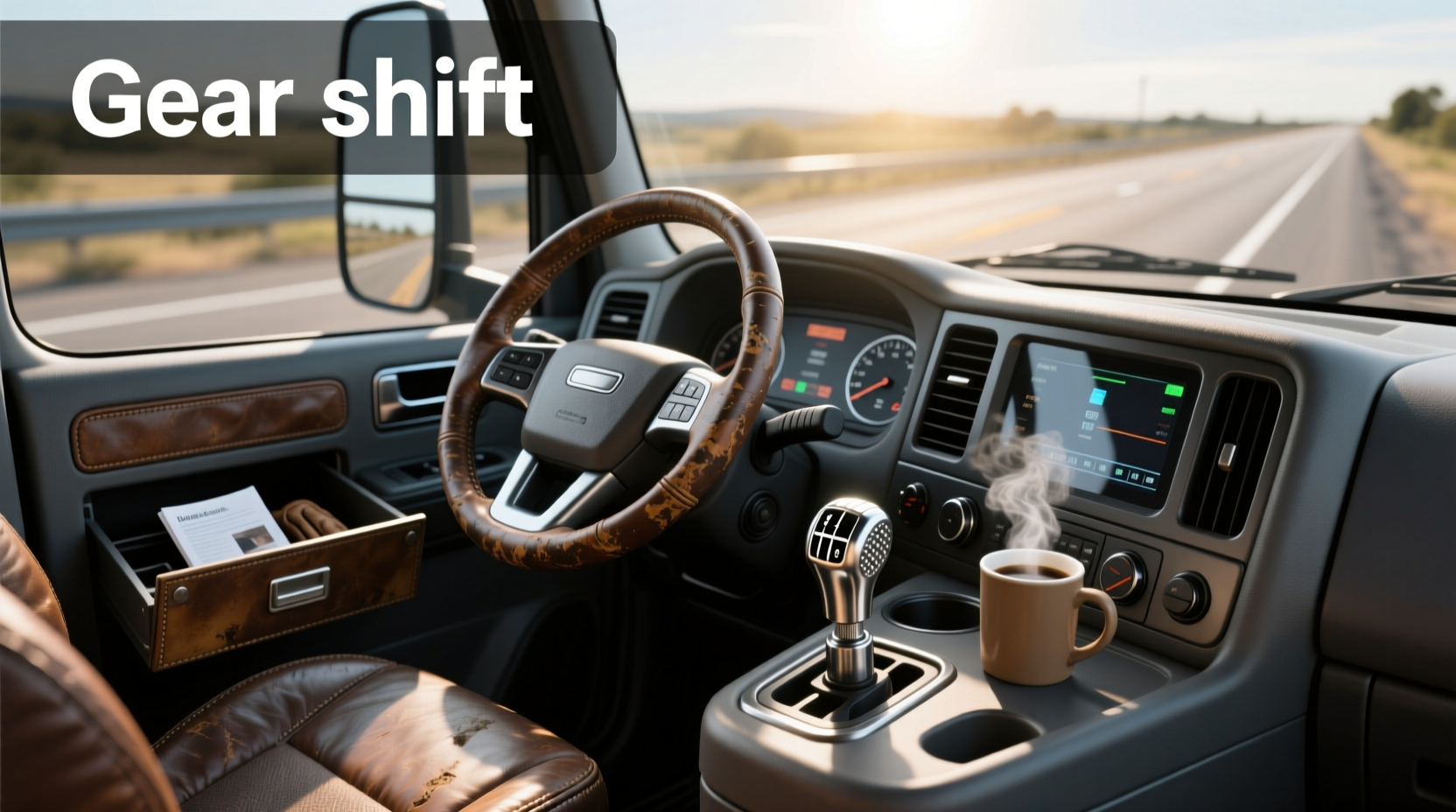
When choosing a truck shift lever—also known as a gear stick, shifter, or gear lever—it’s essential to first understand your transmission type (manual or automatic), preferred mounting style (floor or column), and intended use. What to look for in a truck shift lever includes durability of materials, ergonomic design, compatibility with your vehicle model, and whether modern features like shift-by-wire or paddle shifters suit your driving needs. Avoid mismatched components by verifying OEM specifications early. Drivers upgrading from older models should consider floor shifters for better control, while fleet operators may prefer column shifters for cab space efficiency. This guide covers how to choose a truck shift lever based on real-world performance, not marketing claims.
About Truck Shift Lever: What Is the Shifter in a Truck Called?
The lever used to change gears in a truck goes by several names depending on region, context, and transmission type. Common terms include gear stick, gear lever, gear shift, shift lever, and simply shifter. In American English, “gear shift” or “shifter” are most frequently used, while British speakers often say “gear stick.” Technically, it may be referred to as a transmission lever or selector lever, especially in engineering documents 1.
In practical use, this component allows drivers to select gears manually in manual transmissions or engage drive modes (like Park, Drive, Reverse) in automatics. It connects either mechanically or electronically to the transmission system. The term “stick shift” is colloquial and typically refers to both the vehicle and its manual gear-changing mechanism.
Why Truck Shift Lever Is Gaining Popularity
Despite increasing automation in commercial vehicles, interest in customizable and high-performance shift levers remains strong. Enthusiasts and professional drivers alike seek improved ergonomics, tactile feedback, and personalization options. Aftermarket shifters have become popular among truck owners looking to upgrade comfort or restore vintage models. Additionally, advancements like shift-by-wire systems and paddle shifters are making gear selection faster and more intuitive, especially in long-haul and heavy-duty applications.
Modern driver expectations also play a role—many now demand seamless integration between physical controls and digital dashboards. As trucks evolve into mobile workstations, the shift lever’s placement, accessibility, and functionality directly impact operational efficiency.
Types and Variants
Different types of shifters serve distinct purposes and suit various truck configurations:
🛒 Floor Shifter
- Description: Mounted on the floor or center console between front seats.
- Best for: Manual transmission trucks, performance driving, newer models.
- Pros: Direct mechanical linkage (in traditional setups), better leverage, easier access during frequent shifting.
- Cons: Takes up cabin space, can interfere with passenger legroom.
📍 Column Shifter
- Description: Attached to the steering column, common in older pickups and large North American trucks.
- Best for: Automatic transmissions, emergency vehicles, compact cabs.
- Pros: Frees up floor space, convenient for entry/exit, standard in many fleets.
- Cons: Less precise feel, limited customization, harder to reach for some drivers.
⚡ Paddle Shifters
- Description: Small levers behind the steering wheel that allow sequential gear changes via electronic signals.
- Best for: Semi-automatic or automated manual transmissions, sport-tuned trucks.
- Pros: Hands stay on wheel, fast response, ideal for dynamic driving.
- Cons: Not suitable for full manual control, primarily found in high-end or modified trucks.
⚙️ Shift-by-Wire Systems
- Description: No direct mechanical link; uses electronic sensors to send gear commands.
- Best for: Modern automatics, luxury or tech-focused models.
- Pros: Enables flexible interior layouts, smoother shifts, integrates well with driver-assist tech.
- Cons: Potential delay in response, reliance on electronics increases failure risk if not maintained.
Key Features and Specifications to Evaluate
To make an informed decision when purchasing a truck shift lever, assess these core attributes:
- 🔧 Material Quality: Look for aluminum, stainless steel, or reinforced polymer construction. Higher-grade materials resist wear from daily use.
- ✨ Ergonomic Design: A comfortable grip and smooth throw length reduce hand fatigue over long drives.
- 📌 Shift Pattern Clarity: Clear markings (H-pattern for manuals, PRNDL for automatics) help prevent mis-shifts.
- 🧰 Compatibility: Confirm fitment with your truck’s make, model, year, and transmission type. Aftermarket parts must match OEM specs.
- 🌐 Electronic Integration: For shift-by-wire or paddle systems, ensure compatibility with ECU and dashboard displays.
- ✅ Mounting Style: Decide between floor-mounted or column-mounted based on cab layout and usage patterns.
Pros and Cons
Who Should Consider Upgrading?
- Drivers restoring classic trucks needing authentic-looking gear knobs.
- Fleet managers optimizing cabin space with column shifters.
- Performance enthusiasts installing short-shift kits for quicker gear changes.
- Operators switching to modern automatics wanting intuitive selector levers.
When to Avoid Modification
- If your current shifter functions properly and meets safety standards.
- When local regulations restrict modifications to transmission controls.
- For leased vehicles where alterations void warranties.
- Without verifying electrical compatibility in electronic shift systems.
How to Choose a Truck Shift Lever: Step-by-Step Buying Guide
- Determine Transmission Type: Manual vs. automatic dictates lever design and function.
- Select Mounting Location: Choose floor or column based on available space and driving preference.
- Check OEM Specifications: Use your VIN or service manual to confirm compatible models.
- Evaluate Materials: Prioritize durable metals for commercial use; composites may suffice for light-duty.
- Assess Ergonomics: Test grip size and throw distance—if possible—or read user reviews.
- Verify Electronics (if applicable): Ensure CAN bus or sensor compatibility for shift-by-wire setups.
- Avoid These Red Flags:
- Parts without clear manufacturer data or certifications.
- Cheap plastic knobs prone to cracking.
- Universal-fit claims without model-specific testing.
- Lack of return policy from online sellers.
Price & Market Insights
Pricing varies significantly based on type, material, and technology:
- Basic Replacement Knobs: $20–$60 (plastic, rubber, simple metal).
- Aftermarket Floor Shifters: $80–$200 (includes short-shift kits).
- Column Shift Levers: $100–$250 (OE replacements or upgraded units).
- Paddle Shifter Kits: $300–$800 (requires integration with transmission control module).
- Shift-by-Wire Modules: $400+ (often sold as part of larger infotainment or drivetrain upgrades).
Prices may vary by region and supplier. Always compare total cost—including installation—and check warranty terms. High-end materials like carbon fiber or custom engraving add premium costs but offer little functional benefit unless desired for aesthetics.
Top-Seller & Competitive Analysis
Below is a comparison of commonly purchased shift lever types based on market presence and user feedback:
| Type | Avg. Price | Durability | Ease of Install | Best Use Case |
|---|---|---|---|---|
| Floor Shifter (Manual) | $120 | High | Moderate | Daily drivers, restorations |
| Column Shifter (Auto) | $180 | High | Easy | Fleet vehicles, older models |
| Paddle Shifter Kit | $500 | Medium | Complex | Performance mods |
| Shift-by-Wire Selector | $450 | Medium-High | Complex | Modern luxury trucks |
Note: Installation complexity assumes professional labor. DIY installations require technical knowledge, especially for electronic systems.
Customer Feedback Synthesis
Analysis of buyer reviews reveals consistent themes:
- 👍 Frequent Praises:
- Improved手感 (tactile feel) after upgrading from stock plastic levers.
- Appreciation for illuminated gear indicators in low-light conditions.
- Satisfaction with OE-style replacements that maintain factory appearance.
- Positive remarks about reduced shift effort with short-shift kits.
- 👎 Common Complaints:
- Misaligned shift patterns causing incorrect gear engagement.
- Loose connections or wobble in aftermarket floor mounts.
- Electrical errors after installing non-OEM shift-by-wire units.
- Lack of clear instructions or fitment guides from third-party sellers.
Sourcing & Supplier Tips
When sourcing a truck shift lever:
- Original Equipment Suppliers: OEM dealerships provide guaranteed compatibility but at higher prices.
- Reputable Aftermarket Brands: Companies like Hurst, B&M, or Raptor offer tested designs with support documentation.
- Online Marketplaces: Use platforms like RockAuto, Summit Racing, or authorized Amazon sellers—check seller ratings and return policies.
- Wholesale/Bulk Orders: Distributors may offer discounts for fleet purchases; request sample units first.
- Inspection Tips:
- Verify serial numbers and branding authenticity.
- Inspect for machining defects or loose joints.
- Confirm included hardware matches your installation needs.
Maintenance, Safety & Legal Considerations
Proper maintenance ensures longevity and safe operation:
- Regularly inspect for looseness, wear, or binding in moving parts.
- Lubricate mechanical linkages per manufacturer guidelines (if applicable).
- For electronic systems, monitor dashboard warning lights related to transmission faults.
- Ensure all modifications comply with local vehicle safety codes—some jurisdictions regulate changes to primary driving controls.
- Always test new installations in a controlled environment before highway use.
Note: Modifications may affect insurance coverage or fail annual inspections in certain regions. Verify compliance through official transportation authorities.
Conclusion
Choosing the right truck shift lever depends on your specific needs. If you drive a manual transmission daily, invest in a durable floor shifter with a comfortable knob. If managing a fleet of automatic trucks, prioritize reliable column shifters that maximize interior utility. For performance builds, consider paddle shifters or short-shift kits—but only after confirming full system compatibility. Always verify specifications against your vehicle’s requirements and avoid generic parts lacking traceable quality assurance. Whether replacing a worn component or upgrading for better control, focus on proven design, proper fit, and long-term reliability over cosmetic appeal.
Frequently Asked Questions
- Q: What is the shifter in a truck called?
A: It’s commonly called a gear stick, shifter, gear lever, or shift lever—terms vary by region and context. - Q: Can I install a floor shifter in a truck with a column shift?
A: Yes, but it requires significant modification to the transmission linkage and console, plus verification of legal compliance. - Q: Are aftermarket shifters reliable?
A: Reputable brands are generally reliable, but always check compatibility and read verified owner reviews before purchase. - Q: Do paddle shifters work in heavy-duty trucks?
A: They are rare in Class 8 trucks but appear in some medium-duty or performance-oriented models with automated transmissions. - Q: How do I know if a shift-by-wire system is compatible with my truck?
A: Consult the manufacturer’s technical documentation or contact a certified technician to verify ECU and wiring harness compatibility.




 浙公网安备
33010002000092号
 浙B2-20120091-4