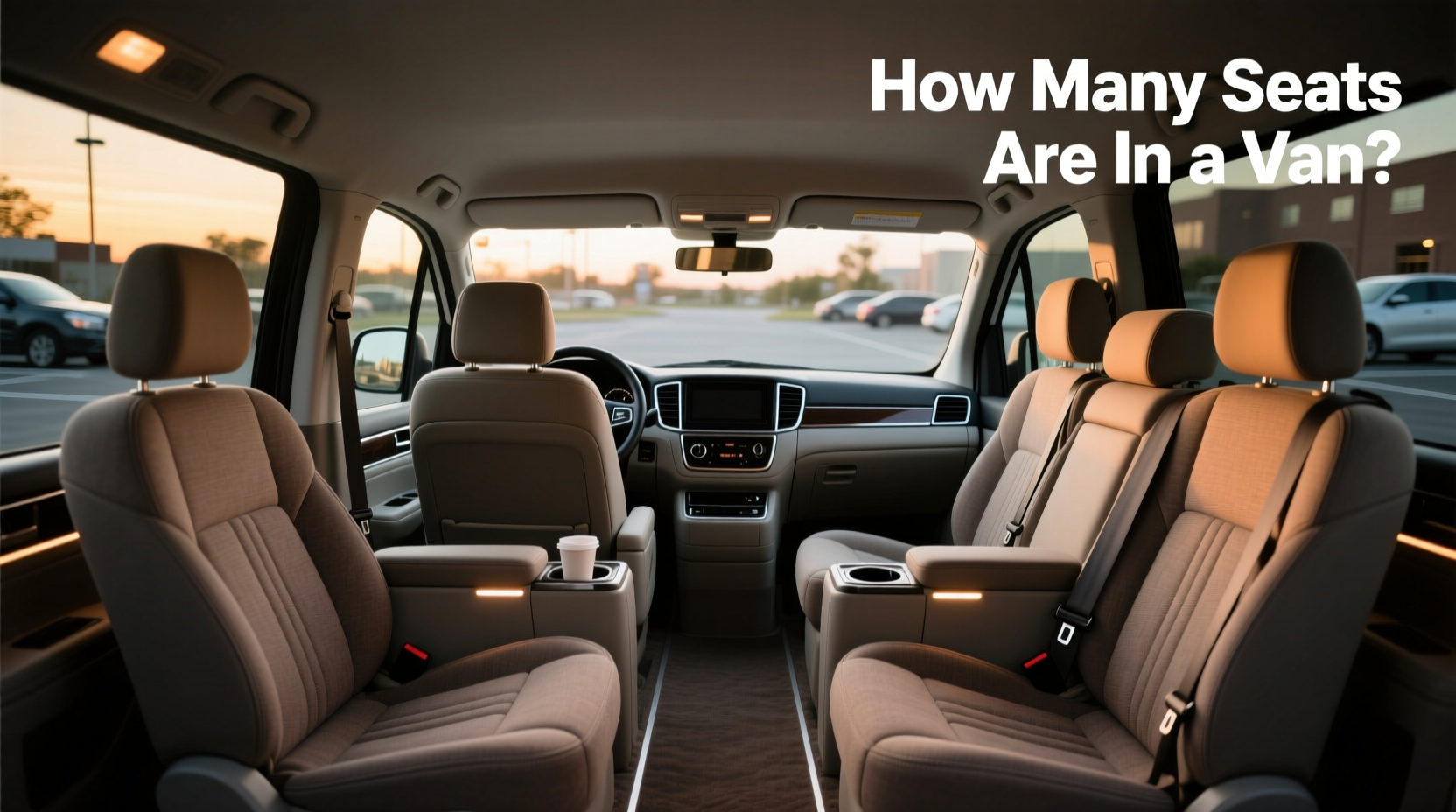
✅The number of seats in a van ranges from 7 to 15, depending on whether it's a minivan or full-size passenger van. When choosing van seat,How many seats are in a van?, prioritize your primary use—family transport (7–8 seats) vs. group logistics (12+ seats). Key factors include roof height, fuel economy, safety tech, and local regulations: vans with 12+ passengers may require commercial licensing 1. Avoid high-capacity models if garage clearance is under 7 feet. For flexible cargo-passenger needs, consider models with fold-flat seating like Stow 'N Go.
Short introduction
When evaluating how to choose van seat,How many seats are in a van?, the first decision hinges on intended passenger load. Most minivans seat 7 to 8 people and suit large families needing comfort and fuel efficiency. Full-size passenger vans accommodate 8 to 15 passengers and serve churches, sports teams, or shuttle services. Your choice should reflect not only headcount but also maneuverability, parking constraints, and regulatory implications. Vans rated for 12 or more occupants often fall under commercial vehicle rules, potentially requiring special insurance or a Commercial Driver’s License (CDL) in some regions 1. Always verify local transportation department guidelines before purchase.
About van seat,How many seats are in a van?
The term van seat,How many seats are in a van? refers to both the physical seating configuration within a van and the broader decision-making process around passenger capacity. This encompasses everything from factory-installed bench layouts to aftermarket modular systems that allow reconfiguration between people and cargo transport. Common applications include family transportation, employee shuttles, medical transit, school programs, and mobile workspaces. Seating numbers directly influence interior design, door placement, aisle width, and compliance with federal motor vehicle safety standards (FMVSS), particularly for side-impact protection and seat anchoring 2.
Why van seat,How many seats are in a van? is gaining popularity
Demand for versatile van seating has grown due to shifting lifestyle and business needs. Remote work and van life trends have increased interest in customizable interiors where seats convert into beds or workstations. Simultaneously, small businesses and nonprofit organizations seek cost-effective group transport solutions without investing in buses. Minivans remain popular among growing families who value ease of driving and child-friendly features such as LATCH anchors and sliding doors. On the commercial side, delivery fleets and ride-share operators are retrofitting vans with modular seating to adapt quickly between passenger and cargo roles, improving operational flexibility 1.
Types and variants
Different van types offer distinct seating configurations tailored to specific use cases.
👥 Minivans (7–8 Seats)
Compact and family-oriented, minivans like the Chrysler Pacifica provide comfortable seating for 7 or 8 passengers. Second-row captain’s chairs enhance access to the third row.
- Pros: Fuel-efficient, easy to park, child-safe features, available with Stow 'N Go seating
- Cons: Limited headroom compared to high-roof vans, lower towing capacity
🚚 Mid-Capacity Full-Size Vans (8–11 Seats)
Built on shorter wheelbases, these balance space and drivability. Ideal for suburban families or small service crews.
- Pros: More legroom than minivans, better durability, optional AWD
- Cons: Lower fuel economy, wider turning radius
🏭 High-Capacity Full-Size Vans (12–15 Seats)
Designed for maximum occupancy, these are used by schools, churches, and transportation companies.
- Pros: Highest passenger count, durable construction, long service life
- Cons: Require commercial registration in many areas, challenging to park, may not fit in standard garages
Key features and specifications to evaluate
When assessing what to look for in van seat,How many seats are in a van?, consider these technical and practical elements:
- Roof Height: High-roof models add standing room but may exceed residential garage limits (~7 ft). Low-roof versions improve aerodynamics and urban usability.
- Fuel Type: Gasoline models are cheaper upfront; diesel offers better highway mileage and engine longevity. CNG is rare but used in municipal fleets 2.
- Seating Flexibility: Look for fold-flat, removable, or swivel seats. Chrysler’s Stow 'N Go system allows complete floor-level stowage 3.
- Safety Systems: Modern ADAS includes blind-spot monitoring, rear cross-traffic alert, and adaptive cruise control—critical for larger vehicles.
- Entry/Exit Design: Dual sliding doors improve accessibility, especially in tight spaces.
Pros and cons
Understanding trade-offs helps match the van to real-world conditions.
✅ Suitable For
- Families with 5+ children needing all-in-one transport
- Organizations transporting groups regularly (e.g., youth clubs, senior centers)
- Businesses converting vans into mobile offices or clinics
- Buyers prioritizing interior customization
❌ Not Ideal For
- Urban drivers with narrow streets or limited parking
- Homeowners with low-clearance garages (<7 ft)
- Individuals unwilling to comply with commercial vehicle regulations
- Rideshare drivers operating below 12-passenger thresholds
How to choose van seat,How many seats are in a van?
Follow this step-by-step guide when navigating the van seat,How many seats are in a van? buying guide:
- Define Passenger Needs: Count regular riders plus occasional guests. Add two seats for comfort.
- Assess Garage Fit: Measure ceiling height and driveway slope. High-roof vans can reach 9+ ft.
- Check Legal Requirements: In many U.S. states, vehicles seating 12+ people require CDLs and commercial plates 1. Confirm with your DMV.
- Evaluate Fuel Costs: Diesel engines save money over time for high-mileage users. Gasoline suits city driving.
- Test Drive Configurations: Sit in third row, test door clearance, and simulate loading cargo.
- Avoid These Pitfalls:
- Ignoring total cost of ownership (insurance, maintenance, depreciation)
- Overlooking seatbelt availability per position
- Buying non-compliant aftermarket seating (must meet FMVSS)
- Choosing a 15-seat van for only 6 regular passengers (inefficient)
Price & market insights
Pricing varies significantly by size and brand. As of 2026:
- Minivans: $35,000–$50,000 (Chrysler Pacifica, Toyota Sienna)
- Mid-Capacity Vans: $40,000–$60,000 (Ford Transit Cargo Van converted)
- Full-Size Passenger Vans: $45,000–$75,000 (Chevrolet Express, Ford Transit Passenger)
- Luxury Options: Mercedes-Benz Sprinter starts near $70,000 with premium trims
Used models offer savings but inspect for wear on seats and flooring. Aftermarket seating installations range from $1,500–$5,000 depending on materials and compliance level 4. Value-focused buyers often prefer Chevrolet Express or GMC Savana for lower repair costs.
Top-seller & competitive analysis
The following table compares leading models based on seating, features, and suitability.
| Model | Max Seating | Fuel Type | Key Features | Best For |
|---|---|---|---|---|
| Ford Transit Passenger | 15 | Gasoline | Multiple roof/wheelbase options, modern infotainment | Large fleets, adaptable interiors |
| Chevrolet Express Passenger | 15 | Gasoline | Durable platform, affordable maintenance | Budget-conscious buyers |
| Mercedes-Benz Sprinter Passenger | 12 | Diesel option | Premium build, excellent visibility | Luxury shuttles, specialty conversions |
| Chrysler Pacifica | 8 | Gasoline/Hybrid | Stow 'N Go, family tech, hands-free sliding doors | Families, daily drivers |
| Ram ProMaster Window Van | Up to 12 (aftermarket) | Gasoline | Front-wheel drive, wide cabin, flat floor | Custom builds, mobility conversions |
Customer feedback synthesis
Analysis of user reviews reveals consistent themes:
- Positive Feedback: Spacious interiors, ease of entry, reliability of Ford and GM platforms, convenience of Stow 'N Go in minivans.
- Common Complaints: Poor fuel economy in full-size vans, stiff ride quality, difficulty backing up due to size, limited third-row comfort in some models, high cost of diesel maintenance.
- Surprise Insights: Many owners retrofit Ram Promaster vans for wheelchair access or camping due to unibody design and front-wheel drive advantages.
Sourcing & supplier tips
New vans are available through authorized dealerships. For used units, certified pre-owned programs offer warranties. Third-party converters like Prime-Time SV or Superior Seating provide compliant commercial seating upgrades 5. When sourcing in bulk:
- Request factory build sheets to confirm original seating certification
- Verify that any added seats meet DOT/FMVSS standards
- Inspect floor anchor points for corrosion or prior modification
- For international buyers, check import regulations on vehicle dimensions and emissions
Maintenance, safety & legal considerations
Regular maintenance ensures longevity, especially for high-mileage vans. Follow manufacturer schedules for brake, suspension, and tire inspections—larger vehicles experience greater wear. Safety-wise, ensure every seat has a functional three-point belt. Retrofit seats must be professionally installed and labeled per FMVSS 222. Legally, remember:
- Vehicles with 12+ designated seats may require CDLs for operation
- Commercial insurance rates differ from personal policies
- Some municipalities restrict oversized vans in residential zones
- Always confirm local rules via state DMV or transportation authority websites
Conclusion
If you need a van for everyday family use with occasional extra passengers, an 8-seat minivan like the Chrysler Pacifica offers the best blend of comfort, efficiency, and flexibility. If your priority is moving large groups reliably—such as for church events or team travel—a 12- to 15-seat full-size van (Ford Transit, Chevrolet Express) is more appropriate. However, weigh the added regulatory burden and parking challenges. For those wanting both cargo and passenger versatility, consider mid-capacity vans with modular seating. Ultimately, how to choose van seat,How many seats are in a van? depends on matching capacity, configuration, and compliance to your actual usage pattern—not just maximum seating numbers.
FAQs
❓ How many seats does a typical minivan have?
Most minivans seat 7 or 8 passengers. The standard layout includes two front seats, second-row captain’s chairs (7-seat), or a bench (8-seat), and a third-row bench.
❓ Do I need a special license to drive a 15-passenger van?
In many U.S. states, operating a van designed to carry 15 people requires a Commercial Driver’s License (CDL). Always verify with your local Department of Motor Vehicles.
❓ Can I install custom seats in a cargo van?
Yes, but only if they are certified to meet Federal Motor Vehicle Safety Standards (FMVSS). Use professional installers and retain documentation for compliance.
❓ What is Stow 'N Go seating?
Stow 'N Go is a feature in Chrysler minivans where second- and third-row seats fold completely into the floor, creating a flat load surface for cargo.
❓ Are diesel vans worth it for passenger transport?
Diesel engines offer better fuel economy and longer engine life, making them cost-effective for high-mileage operations like shuttles. For low-use scenarios, gasoline models are typically more economical.




 浙公网安备
33010002000092号
 浙B2-20120091-4