✅ Short Introduction
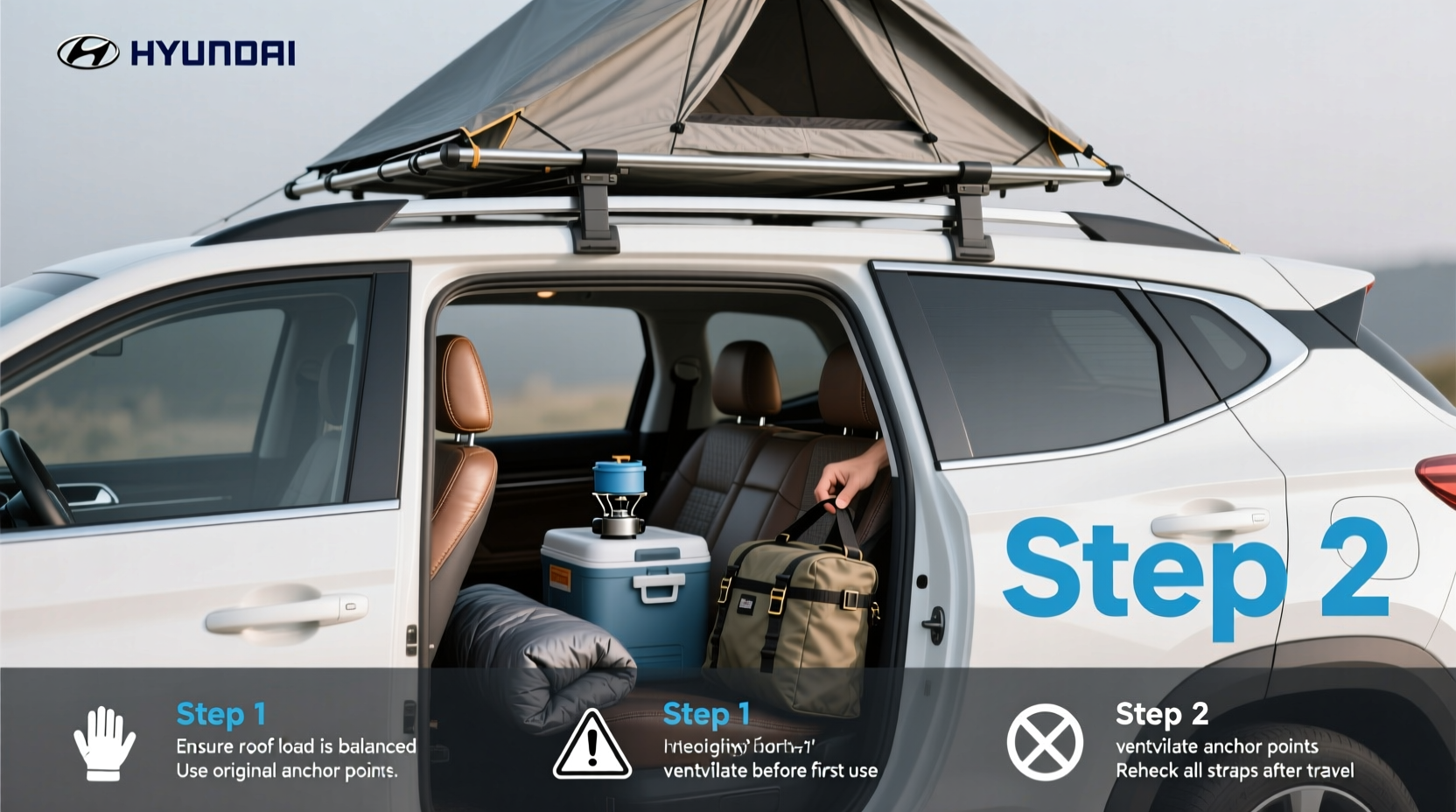
If you're asking how to choose Hyundai Tucson car camping solutions, start by evaluating interior space, roof load capacity, and electrical support. The 2020–2024 Hyundai Tucson offers up to 79.2 cubic feet of cargo volume with rear seats folded, making it viable for weekend overlanding or minimalist car camping 1. However, factory models lack built-in camping features—so most setups rely on aftermarket gear like rooftop tents, portable power stations, and fold-flat seating configurations. For solo travelers or couples, the Tucson’s compact footprint and fuel efficiency (up to 38 mpg highway) are advantages. But families or those needing extended off-grid capability should consider roof rack weight limits (typically 165 lbs dynamic) and limited cabin sleeping room. Key red flags include overloading the roof, ignoring ventilation needs, and assuming factory outlets support high-wattage appliances.
📌 About Hyundai Tucson Car Camping
\"Hyundai Tucson car camping\" refers to using the SUV as a base for overnight outdoor trips without traditional RVs or trailers. This includes sleeping inside the vehicle, using rooftop tents, or deploying pop-up canopies. Common scenarios involve national park visits, coastal drives, or mountain trail access where campsites are remote but roads remain paved or lightly graded. The Tucson’s all-wheel drive (AWD) trim enhances traction on wet or gravel surfaces, though it's not designed for extreme off-roading. Users typically convert the back seat into a flat sleeping platform or use inflatable mattresses. Because the Tucson is classified as a compact crossover, space optimization becomes critical—especially when storing coolers, cooking gear, or bicycles.
📈 Why Hyundai Tucson Car Camping Is Gaining Popularity
Car camping in compact SUVs like the Hyundai Tucson has surged due to rising interest in flexible, low-cost outdoor adventures. Post-pandemic travel trends show increased demand for self-contained, socially distanced experiences 2. The Tucson appeals to urban dwellers seeking quick getaways without investing in large overland vehicles. Its reliability ratings (above industry average per Consumer Reports), combined with modern safety tech like blind-spot monitoring and rear cross-traffic alert, make it suitable for solo adventurers. Additionally, hybrid versions (introduced in 2023) improve fuel economy during long drives, reducing refueling stops. Social media platforms like YouTube and Instagram feature numerous DIY Tucson camping builds, further normalizing this use case among budget-conscious millennials and Gen Z travelers.
🔧 Types and Variants
- Stock Interior Conversion ✅
Uses factory seats folded flat. Often paired with memory foam pads or air mattresses.
Pros: No modification needed; easy to revert.
Cons: Limited legroom; heat buildup if windows aren’t vented. - Rooftop Tent Setup ⛺
Requires roof rails or crossbars. Soft-shell tents mount directly; hard-shell units offer quicker deployment.
Pros: Keeps bugs/moisture out; elevated sleep improves safety and comfort.
Cons: Adds height (may not fit under garages); increases wind resistance and reduces MPG. - Portable Power + Interior Kit 🔋
Involves adding a secondary battery, USB inverters, LED lighting, and storage organizers.
Pros: Powers phones, lights, mini-fridges; minimal visual impact.
Cons: Risk of draining starter battery if not isolated properly. - Hybrid-Electric Camping Mode ⚡
Leverages the Tucson Hybrid’s 1.6L turbo engine and electric motor to run accessories while parked.
Pros: Engine auto-starts to maintain charge; supports longer idle periods.
Cons: Not intended for continuous AC operation; noise may disturb campsite neighbors.
⚙️ Key Features and Specifications to Evaluate
When assessing how to choose Hyundai Tucson car camping configurations, focus on these measurable factors:
- Cargo Volume: LX/Sel trims offer ~38.3 cu ft behind rear seats; up to 79.2 cu ft when folded. Measure your mattress size against depth from rear hatch to front seats.
- Roof Load Capacity: Static limit ~220 lbs; dynamic (driving) limit ~165 lbs. Exceeding this risks structural damage or wind lift.
- Power Outlets: Standard 12V ports (cigarette lighter type) support devices under 180 watts. For higher loads, install a fused split-charge system linked to a deep-cycle auxiliary battery.
- Fuel Efficiency: Non-hybrid: 26–30 mpg combined. Hybrid: 37–38 mpg. Higher efficiency extends range between fill-ups, crucial in rural areas.
- Climate Control: Look for heated seats and dual-zone climate control. These enhance comfort during cold nights without running the engine constantly.
- Safety Systems: Forward collision warning, lane keep assist, and parking sensors help prevent accidents in tight forest roads or crowded campgrounds.
📋 Pros and Cons
- Pros:
- Reliable build quality and warranty coverage (5-year/60k-mile bumper-to-bumper)
- Affordable entry point compared to dedicated overlanders
- Good visibility and handling in varied weather
- Available Apple CarPlay/Android Auto for navigation and entertainment
- Cons:
- Limited ground clearance (~8.2 inches) restricts serious off-road use
- No factory-installed camping package or auxiliary battery
- Tight interior sleeping space for taller individuals (>5'10”)
- Rooftop tent setup requires careful aerodynamic consideration
🔍 How to Choose Hyundai Tucson Car Camping
Follow this step-by-step checklist to avoid common pitfalls:
- Determine Your Use Case: Will you camp solo, with a partner, or with kids? Single users can maximize trunk space; families may need rooftop expansion.
- Check Trim Level Compatibility: SEL and Limited trims include roof rails—essential for mounting carriers. Base models require add-on bars.
- Assess Sleeping Layout Options: Test-fit a 4-inch thick mattress in the back. Ensure headroom near the hatch glass and footroom past the front seats.
- Evaluate Electrical Needs: If powering a CPAP machine, cooler, or laptop, budget for a 100Ah lithium auxiliary battery with isolation relay.
- Select Roof Rack Type: Use manufacturer-approved crossbars to avoid voiding warranty. Confirm weight rating matches your tent or cargo box.
- Plan Ventilation Strategy: Crack windows slightly with mesh covers or install a MaxxAir fan to reduce condensation.
- Test Drive with Gear: Load simulated camping weight and test acceleration, braking, and handling on hilly terrain.
Red Flags to Avoid ❗
- Installing non-certified roof tents that exceed dynamic load limits
- Running high-draw appliances (like induction stoves) off the 12V outlet
- Blocking rearview camera or side mirrors with bulky rooftop gear
- Ignoring local fire regulations when using portable stoves near dry vegetation
💰 Price & Market Insights
New Tucson prices range from $26,000 (LX FWD) to $38,000 (Limited Hybrid AWD). Used models (2020–2022) sell between $18,000–$27,000 depending on mileage and trim. Aftermarket costs vary significantly:
- Rooftop tent: $1,200–$2,500
- Auxiliary battery kit: $300–$600
- Roof rack/crossbars: $400–$700 (genuine Hyundai parts cost more but ensure fitment)
- Interior insulation/reflective panels: $100–$200
Value tip: Prioritize spending on safety and power systems over luxury add-ons. A well-isolated battery pays off faster than heated steering wheel mods for most car campers. Prices may vary by region—always compare dealer quotes and verify installation labor rates.
📊 Top-Seller & Competitive Analysis
Popular configurations center around the SEL Convenience Package, which includes heated front seats, power liftgate, and roof rails—key enablers for camping use. Below is a comparison of top trims relevant to car camping:
| Trim | MPG (Combined) | Roof Rails | Starting MSRP | Camping Readiness |
|---|---|---|---|---|
| SEL (FWD) | 28 | Yes | $29,050 | Moderate – good balance |
| SEL (AWD) | 27 | Yes | $30,550 | High – better traction |
| Limited Hybrid (AWD) | 38 | Yes | $37,950 | Very High – efficient + powered |
| XRT (Special Edition) | 29 | Yes | $32,000 | Moderate – appearance-focused |
Note: \"Camping Readiness\" reflects availability of essential features, not performance claims. Always confirm specs with current model year brochures.
💬 Customer Feedback Synthesis
Based on aggregated reviews from forums (e.g., Tucson Forum, Reddit r/carcamping), owners frequently praise:
- Reliability during multi-day trips
- Quiet cabin at highway speeds
- Ease of folding rear seats for sleeping
- Availability of OEM roof rail accessories
Common complaints include:
- Narrow rear seat width limiting shoulder room when lying down
- Insufficient 12V outlet amperage for sustained device charging
- Wind noise with certain third-party roof racks
- Lack of under-floor storage for camping tools
🛒 Sourcing & Supplier Tips
Buy used Tucsons from certified pre-owned (CPO) programs to gain extended warranties. When sourcing aftermarket gear:
- Purchase roof racks directly from Hyundai dealers or authorized partners (e.g., Thule, Yakima) to ensure compatibility.
- For electrical kits, choose UL-listed components and have them installed by a mobile auto electrician.
- Verify return policies—some online retailers don’t accept used mounting hardware.
- If importing rooftop tents, check customs documentation and voltage compatibility (12V DC standard in U.S.).
To inspect a used Tucson for camping suitability:
- Review service history for suspension or roof structure repairs.
- Test all power outlets and HVAC functions.
- Inspect roof rails for cracks or stripped bolts.
- Confirm no prior water leaks in the cargo area.
🧼 Maintenance, Safety & Legal Considerations
Regular maintenance ensures safe operation in remote locations. Follow the manufacturer’s schedule for oil changes, brake inspections, and tire rotations. For camping-specific upkeep:
- Clean roof rack mounts monthly to prevent corrosion.
- Check auxiliary battery connections every 3 months.
- Use UV-protectant sprays on interior surfaces to reduce dashboard cracking.
Safety reminders:
- Never leave pets unattended in the vehicle during temperature extremes.
- Store food in sealed containers outside the cabin to avoid attracting wildlife.
- Use carbon monoxide detectors if operating generators near open windows.
Legally, sleeping in your car is permitted in some U.S. states on public lands (e.g., BLM areas), but prohibited in others or within city limits. Always verify local ordinances before overnight parking. National parks often require registered campsite reservations.
✨ Conclusion
If you need a dependable, fuel-efficient compact SUV for occasional car camping with one other person, the Hyundai Tucson—especially the SEL AWD or Limited Hybrid trim—is a practical choice. It balances space, technology, and affordability. However, if you plan frequent off-grid expeditions, require standing headroom, or carry heavy rooftop loads regularly, consider larger alternatives like the Toyota 4Runner or Subaru Outback. Always validate specifications for your specific model year and region before purchasing modifications.
❓ FAQs
Yes, as long as ventilation is maintained. Crack windows slightly or use vent fans to prevent CO buildup, especially in enclosed spaces.
It depends on thickness and inflation level. Most 4-inch thick queen-sized mattresses fit diagonally, but taller users may find legroom tight.
You can, but only trims with factory roof rails (SEL and above) support safe mounting. Base models need aftermarket crossbars rated for dynamic loads.
Install a dual-battery system with an isolator. This keeps the starter battery separate and prevents deep discharge.
No. Laws vary by state, county, and municipality. Always check local regulations for overnight parking and camping restrictions before arrival.




 浙公网安备
33010002000092号
 浙B2-20120091-4