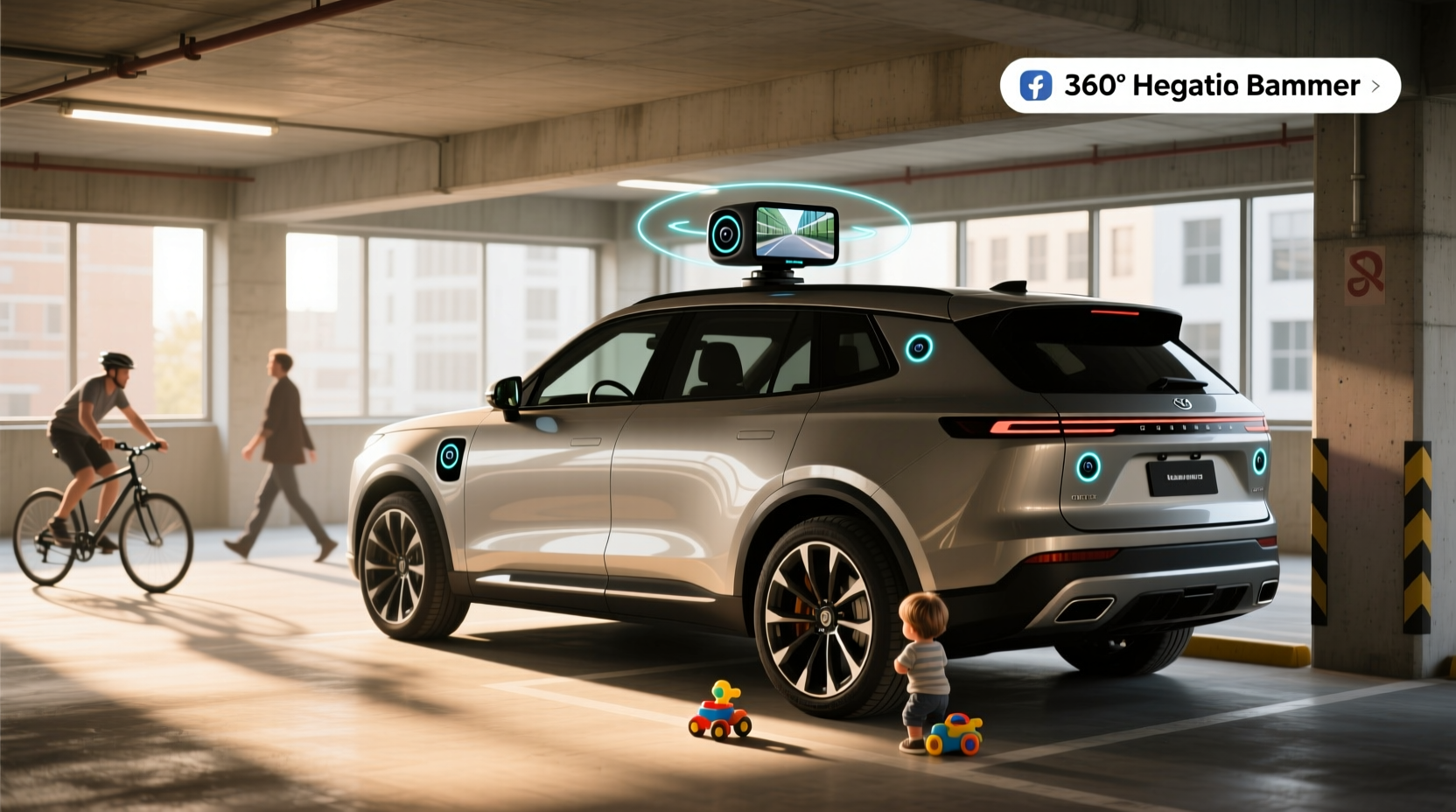
How to Choose a Car 360 Degree Camera: Is It Worth It?
✅ Yes, a 360-degree camera is worth it in a car if you frequently drive in tight spaces, own a large vehicle, or want enhanced safety and liability protection. For drivers who value confidence during parking and low-speed maneuvers, a car 360 degree camera system offers real-time, bird’s-eye-view monitoring that eliminates blind spots 1. However, if you mostly drive on highways and rely on standard backup cameras, the added cost may not justify the benefit. When deciding how to choose car 360 degree camera,Is a 360 camera worth it in a car?, focus on resolution, night vision, durability, and compatibility with your vehicle. Avoid systems without impact detection or poor weather resistance.
About Car 360 Degree Cameras: What They Are & Who Needs Them
A car 360-degree camera system uses multiple wide-angle lenses—typically mounted on the front grille, rear bumper, and side mirrors—to capture a full panoramic view around the vehicle. Software stitches these feeds into a single, seamless overhead image displayed on the dashboard screen 📍. This simulated “bird’s-eye view” helps drivers see obstacles directly beside or near the bumpers that traditional mirrors can’t cover.
These systems are especially useful for:
- Parking in tight urban spots or multi-level garages
- Maneuvering large vehicles like SUVs, trucks, vans, or RVs
- Driving in crowded areas with children, cyclists, or shopping carts
- Fleet operators seeking driver accountability and incident documentation
The technology is increasingly common in new vehicles, but after-market kits make it accessible for older models too.
Why Car 360 Degree Cameras Are Gaining Popularity
The global market for 360-degree camera systems is projected to grow from USD 2.32 billion in 2025 to USD 7.66 billion by 2030, reflecting a compound annual growth rate (CAGR) of 27% 📈 2. This surge is driven by several key factors:
- Safety demands: Eliminating blind spots reduces low-speed collisions, which account for a significant portion of insurance claims.
- ADAS integration: These cameras often work alongside parking sensors, lane departure warnings, and automatic braking systems ⚙️.
- Liability protection: Video evidence can clarify fault in accidents, protecting drivers from false claims ❗.
- Technological improvements: Higher-resolution sensors, AI-powered object detection, and better stitching algorithms have improved reliability ✨.
- Consumer expectations: As more new cars include this feature, demand rises across used and older models.
Types and Variants of 360-Degree Camera Systems
Not all 360-degree systems are the same. Understanding the types helps align your choice with your needs and budget.
1. Factory-Installed OEM Systems
Integrated by automakers (e.g., Toyota Safety Sense, Honda Sensing), these offer seamless performance and full compatibility.
- ✅ Pros: Perfect fit, high reliability, integrated UI, often covered under warranty
- ❌ Cons: Expensive to add post-purchase; limited upgrade options
2. Aftermarket All-in-One Kits
Third-party systems designed for DIY installation on most vehicles.
- ✅ Pros: Affordable ($200–$600), widely compatible, modular upgrades possible
- ❌ Cons: May require wiring modifications; video quality varies by brand
3. Modular Multi-Camera Systems
Used primarily in commercial fleets, allowing custom lens placement and advanced analytics.
- ✅ Pros: Scalable, supports GPS tracking and remote monitoring 🌐
- ❌ Cons: Complex setup; best installed professionally; higher upfront cost
Key Features and Specifications to Evaluate
When assessing how to choose car 360 degree camera,Is a 360 camera worth it in a car?, consider these technical and functional criteria:
- ✨ Camera Resolution: Look for at least 720p per camera; 1080p or higher ensures clarity in identifying curbs, signs, or small obstacles.
- 📍 Field of View: Each lens should offer 160–190° coverage to minimize stitching gaps.
- 🌙 Night Vision: Infrared (IR) or low-light enhancement is essential for evening visibility.
- 🔧 Durability: Lenses must be waterproof (IP67+), shock-resistant, and operate in extreme temperatures (-20°C to 70°C).
- ⏱️ Latency & Processing Speed: Delay between movement and display update should be under 200ms to avoid disorientation.
- 💾 Recording Reliability: Loop recording with impact-triggered locking prevents data loss during collisions.
- 📱 User Interface: Intuitive menus and split-screen views improve usability.
- 🌐 GPS & Connectivity: Useful for fleet tracking and timestamping footage.
- 🔌 Compatibility: Verify fit with your car’s infotainment system or head unit.
Pros and Cons: Is a 360 Camera Worth It in a Car?
| Pros ✅ | Cons ❌ |
|---|---|
| Eliminates blind spots during parking and reversing | High initial cost, especially for OEM systems |
| Provides irrefutable video evidence in accidents | Aftermarket kits may require complex wiring |
| Improves safety around pedestrians and cyclists | Potential for sensor interference or false alerts |
| Enhances driver confidence in tight spaces | Additional maintenance (cleaning lenses, software updates) |
| Deters theft and vandalism when parked | Video storage limits; may overwrite important footage |
How to Choose a Car 360 Degree Camera: Step-by-Step Buying Guide
Follow this checklist to make an informed decision:
- Assess Your Driving Needs: Do you park in tight spaces daily? Drive an oversized vehicle? If yes, a 360 system adds tangible value.
- Determine Installation Type: Prefer plug-and-play? Choose a universal kit. Need professional integration? Consult an auto electronics specialist.
- Check Compatibility: Confirm the system works with your car’s make, model, and year. Some brands lock features behind proprietary software.
- Evaluate Image Quality: Prioritize systems with high dynamic range (HDR) and minimal distortion at edges.
- Review Storage & Power: Ensure sufficient SD card capacity (64GB+) and stable power connection to prevent boot failures.
- Test User Interface: Watch demo videos to judge menu navigation and display responsiveness.
- Read Warranty Terms: Look for at least 1-year coverage, preferably 2+ years for critical components.
Red Flags to Avoid ⚠️
- No impact detection or emergency lock feature
- Poor customer reviews about fogging, lag, or dead pixels
- Lack of weatherproofing certification (e.g., IP67)
- Incompatibility with dash cam apps or cloud backup
- Vague return policies or missing firmware update support
Price & Market Insights
Pricing varies significantly based on type, brand, and functionality:
- OEM Systems: $1,000–$3,000 (often included in higher trims)
- Mid-Tier Aftermarket Kits: $300–$600 (best balance of quality and cost)
- Budget Systems: $150–$250 (may lack night vision or durable housing)
- Fleet-Grade Systems: $800+ per vehicle (with centralized monitoring)
While costs remain a barrier for some consumers 2, prices are trending downward due to mass production and competition. For most private owners, spending $400–$500 on a reputable aftermarket kit offers strong long-term value through accident prevention and reduced insurance disputes.
Top-Seller & Competitive Analysis
| Model | Resolution | Night Vision | Impact Detection | Approx. Price |
|---|---|---|---|---|
| OEM (e.g., Toyota Panoramic View Monitor) | 1080p x 4 | Yes | Integrated with airbag system | $1,500+ |
| Garmin BC 30 | 720p x 4 | Yes (IR) | Yes | $350 |
| Auto-Vox CS-2 | 1080p x 4 | Yes | Yes | $420 |
| Rear View Safety RVS-810277 | 720p x 4 | Yes | Yes | $500 |
Note: Performance may vary based on installation quality and vehicle design. Always verify specs directly with the manufacturer.
Customer Feedback Synthesis
Analysis of user reviews reveals consistent patterns:
Common Praises ✅
- “Game-changer for parallel parking” – users report increased confidence
- “Saved me from hitting a child’s stroller” – real-world safety benefits cited
- “Footage cleared me in a fender-bender dispute” – value in liability protection
Common Complaints ❌
- “Cameras fog up in winter” – condensation issues in cheaper models
- “Too many false alarms from parking sensors” – sensitivity settings not adjustable
- “Installation took longer than expected” – wiring complexity underestimated
Overall satisfaction is high among those who actively use the system for parking and city driving.
Sourcing & Supplier Tips
Where you buy matters as much as what you buy:
- For individuals: Purchase from authorized dealers or retailers with clear return policies (e.g., Amazon, Crutchfield).
- For fleets: Consider bulk suppliers offering volume discounts and installation support 🏭.
- Verify authenticity: Check for holographic labels, serial numbers, and firmware version consistency.
- Test before finalizing: If buying in person, request a live demo.
- Ask about support: Confirm access to technical help and software updates.
Maintenance, Safety & Legal Considerations
To ensure longevity and compliance:
- Clean lenses regularly with microfiber cloth to prevent dirt-induced blind spots 🧼.
- Update firmware periodically to fix bugs and improve performance.
- Secure wiring to avoid interference with airbags or electrical systems ⚡.
- Respect privacy laws: Audio recording may require consent depending on jurisdiction 🔗. Video-only systems generally face fewer restrictions.
- Check local regulations: Some regions regulate camera placement or data retention periods.
When in doubt, consult your vehicle manual or contact the manufacturer for guidance.
Conclusion: Should You Buy a 360-Degree Camera for Your Car?
Whether a 360-degree camera is worth it depends on your driving context. If you regularly navigate tight spaces, own a large vehicle, or want documented proof in case of incidents, then yes — it’s a worthwhile investment. The technology enhances situational awareness, reduces low-speed accidents, and provides valuable evidence. However, if you rarely park in challenging environments or already have a reliable backup camera, the upgrade may offer diminishing returns.
When evaluating what to look for in car 360 degree camera,Is a 360 camera worth it in a car?, prioritize image quality, durability, and ease of use. Mid-range aftermarket systems often deliver excellent value without OEM premiums. Ultimately, weigh your specific needs against the cost and effort of installation.
Frequently Asked Questions
Can I install a 360-degree camera system myself?
Yes, many aftermarket kits are designed for DIY installation with basic tools. However, routing wires through doors and bumpers can be challenging. If unsure, professional installation ensures proper sealing and alignment.
Do 360 cameras record continuously?
Most systems use loop recording to overwrite old footage unless triggered by impact or manual save. Footage is typically stored on a microSD card (32GB–128GB).
Are 360 cameras legal to use?
Yes, video recording is generally legal for personal use. However, audio recording laws vary by state/country. Always check local regulations before enabling sound capture.
How do 360 cameras handle bad weather?
High-quality systems are sealed and heated to resist rain, snow, and condensation. Lower-end models may experience fogging or water ingress. Regular cleaning improves performance.
Will a 360 camera drain my car battery?
When properly installed, power draw is minimal. Systems usually activate only when the vehicle is running or in reverse. Poor wiring or faulty relays can cause parasitic drain—have it checked if battery issues arise.




 浙公网安备
33010002000092号
 浙B2-20120091-4