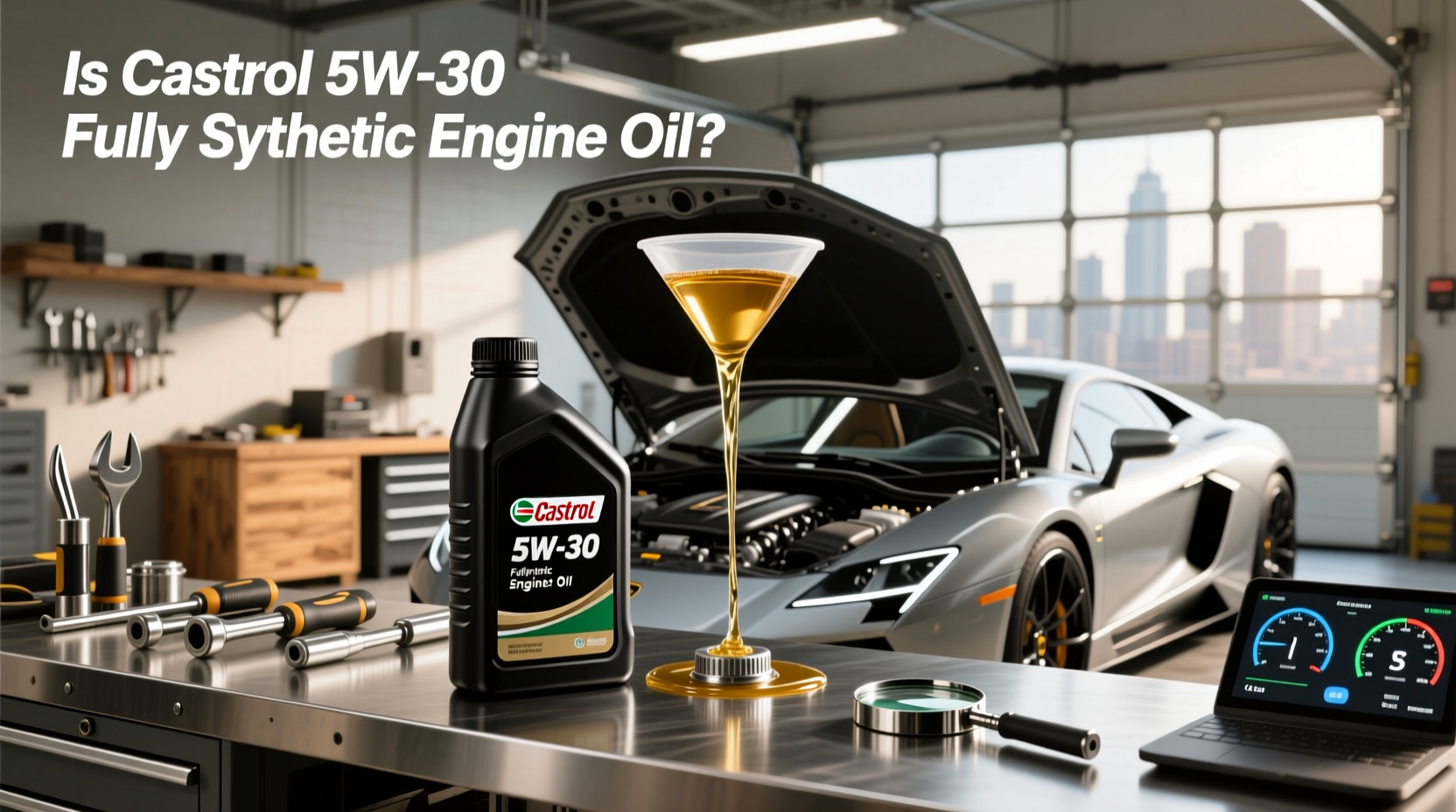
✅ Yes, most Castrol 5W-30 engine oils are fully synthetic, including the EDGE, GTX Full Synthetic, and recent formulations of Magnatec. However, some GTX variants may be synthetic blends—always verify the label. When choosing Castrol 5W-30 fully synthetic engine oil, check API/ILSAC certification, OEM approvals (like GM dexos1), and ensure compatibility with your vehicle’s make and model. Avoid assuming all '5W-30' grades are identical across lines.
When asking how to choose Castrol 5W-30 fully synthetic engine oil, the first step is understanding that not all Castrol 5W-30 products are created equal—even within the same viscosity grade. The short answer is: yes, many Castrol 5W-30 oils are fully synthetic, particularly the EDGE, GTX Full Synthetic, and updated versions of Magnatec. However, certain GTX variants have shifted toward synthetic blend formulations in specific viscosities, though this does not generally apply to 5W-30 1. To avoid mismatches, always inspect the product label and confirm compliance with your vehicle manufacturer’s required specifications such as API SP, ILSAC GF-6, or GM dexos1 Gen 3. This guide walks through key differences between product lines, performance benchmarks, and practical selection criteria so you can confidently pick the right oil for your engine type, driving conditions, and maintenance goals.
About Castrol 5W-30 Fully Synthetic Engine Oil
Castrol 5W-30 fully synthetic engine oil refers to a group of high-performance motor oils designed to maintain optimal flow at low temperatures (5W) while providing stable protection under operating heat (30). These oils use chemically engineered base stocks instead of refined crude, offering better resistance to thermal breakdown, sludge formation, and oxidation compared to conventional or semi-synthetic alternatives ✨.
They are commonly used in modern gasoline engines, especially those requiring tight tolerances and extended drain intervals. Applications include passenger cars, SUVs, and light trucks from manufacturers like Ford, General Motors, Land Rover, and Hyundai, where OEM guidelines often specify full synthetic formulations for warranty compliance ⚙️.
While the “5W-30” designation indicates viscosity behavior, it doesn’t define synthetic content—this must be confirmed separately on packaging or technical data sheets. Misinterpreting this could lead to using an incompatible lubricant, potentially affecting engine longevity or voiding service warranties ❗.
Why Castrol 5W-30 Fully Synthetic Oil Is Gaining Popularity
Modern engines operate under higher stress, tighter clearances, and longer service intervals, increasing demand for advanced lubricants. Castrol has responded by reformulating several of its core 5W-30 lines as full synthetic to meet evolving industry standards like API SP and ILSAC GF-6, which emphasize fuel efficiency, emissions control, and turbocharger protection 🔧.
Consumer interest has grown due to perceived benefits such as improved cold-start performance, reduced engine wear, and enhanced fuel economy. Additionally, automakers increasingly recommend or require full synthetic oils in owner’s manuals, making them a default choice rather than a premium upgrade 👥.
The rebranding of once semi-synthetic products like Magnatec 5W-30 into full synthetic status reflects market pressure to deliver consistent high-end performance across broader product ranges 2. As a result, buyers now expect full synthetic properties even in mid-tier branded lines.
Types and Variants of Castrol 5W-30 Oil
Castrol offers multiple 5W-30 formulations under different sub-brands, each targeting distinct performance needs:
📍 Castrol EDGE 5W-30
Type: Full synthetic
Best for: High-performance, turbocharged, or direct-injection engines
- ✅ Pros: Uses Fluid Titanium Technology to strengthen oil film under pressure; exceeds API SN PLUS and ILSAC GF-6 standards; recommended by Land Rover and Ford 3
- ❌ Cons: Higher price point; may offer more protection than needed for older, non-turbo engines
📍 Castrol GTX 5W-30 (Full Synthetic)
Type: Full synthetic (specifically labeled)
Best for: Everyday drivers seeking reliable wear protection
- ✅ Pros: Meets API SP and GM dexos1 Gen 3; strong sludge control; widely available
- ❌ Cons: Some regional variations may still carry synthetic blend labels—verify locally 4
📍 Castrol Magnatec 5W-30
Type: Reformulated as full synthetic (newer batches)
Best for: Older engines or vehicles with frequent short trips
- ✅ Pros: Magnetic additives cling to engine parts during startup; good low-temperature protection; suitable for mixed-use driving
- ❌ Cons: Older stock may still be semi-synthetic—check manufacturing date and label carefully
Key Features and Specifications to Evaluate
When assessing any Castrol 5W-30 fully synthetic engine oil, focus on these measurable criteria:
- API Certification: Look for SP (current standard) or SN for older engines. SP includes enhanced protection against LSPI (low-speed pre-ignition) in turbocharged engines ⚡.
- ILSAC Grade: GF-6A or GF-6B ensures fuel economy improvements and emission system compatibility 🌐.
- OEM Approvals: Check if the oil meets requirements like GM dexos1 Gen 3, Ford WSS-M2C949-A, or Chrysler MS-6395. These validate real-world performance beyond lab tests 🔍.
- Noack Volatility: Lower values (e.g., <14%) mean less oil consumption over time. Magnatec typically scores well here 📊.
- HTHS Viscosity: Should be ≥2.9 cP for proper shear stability in demanding conditions.
Always cross-reference these specs with your vehicle’s owner manual. Do not assume interchangeability between product lines based on viscosity alone.
Pros and Cons of Castrol 5W-30 Fully Synthetic Oils
Advantages ✅
- Extended drain intervals when paired with compatible vehicles
- Superior cold-start protection in sub-zero climates
- Reduced deposits and sludge buildup over time
- Better oxidation resistance leads to longer oil life
- Improved fuel efficiency due to lower internal friction
Limits and Considerations ❗
- Not all 5W-30 variants are full synthetic—especially in older GTX batches
- Premium pricing compared to conventional oils
- Overkill for very old engines with high clearance or chronic leaks
- Availability varies by region; some markets lack updated formulations
These oils are ideal for newer vehicles under factory warranty but may not provide noticeable benefits in pre-2005 models without significant upgrades.
How to Choose Castrol 5W-30 Fully Synthetic Engine Oil
Follow this checklist to make an informed decision:
- Confirm your vehicle’s oil specification – Consult the owner’s manual for required API, ILSAC, and OEM standards.
- Identify the correct Castrol line – Choose EDGE for performance engines, GTX Full Synthetic for balanced daily use, or Magnatec for stop-and-go driving.
- Check the label for “Full Synthetic” – Don’t rely on color or branding alone; read the front and back panels.
- Verify batch consistency – If buying online or in bulk, ensure production dates align with current full synthetic reformulations.
- Avoid outdated stock – Especially with Magnatec, older bottles may be semi-synthetic despite identical labeling.
- Review return policy – In case of mismatch, ensure you can exchange unopened containers.
🚩 Red flags: Unclear labeling, missing certifications, third-party resellers without temperature-controlled storage, or prices significantly below market average.
Price & Market Insights
Pricing for 5-quart jugs of Castrol 5W-30 fully synthetic oil typically ranges from $28 to $45 USD, depending on the variant and retailer:
- EDGE: $40–$45 – Premium tier with advanced additive packages
- GTX Full Synthetic: $32–$38 – Mid-range balance of cost and performance
- Magnatec: $35–$40 – Positioned as protective for urban driving
Prices vary internationally and may include taxes or environmental fees. Buying in bulk (case packs) can reduce unit cost by 10–15%, but only do so if you’ll use the oil before the expiration date (typically 5 years from manufacture). Note that regional availability affects value—some areas have limited GTX Full Synthetic distribution, leading to inflated prices.
Top-Seller & Competitive Analysis
The three main Castrol 5W-30 full synthetic options serve overlapping but distinct niches. Below is a comparison to aid selection:
| Product | Synthetic Type | API Standard | OEM Approvals | Key Benefit |
|---|---|---|---|---|
| Castrol EDGE 5W-30 | Full Synthetic | API SP/SN PLUS | Ford, Land Rover | Fluid Titanium for high-stress protection |
| Castrol GTX 5W-30 | Full Synthetic | API SP | GM dexos1 Gen 3 | Sludge control & wide compatibility |
| Castrol Magnatec 5W-30 | Full Synthetic (new) | API SN | Various | Cold-start additive technology |
While EDGE leads in extreme condition testing claims, GTX offers broader OEM validation, and Magnatec focuses on start-up protection. Your choice should reflect engine age, driving pattern, and manufacturer requirements—not marketing slogans.
Customer Feedback Synthesis
Analysis of verified buyer reviews reveals consistent themes:
- Positive: Users report smoother idle, quieter engine operation, and confidence in long-term protection. Many appreciate seamless compatibility with GM and Ford vehicles. EDGE users note improved throttle response after switching.
- Criticisms: Some complain about price increases year-over-year. Others mention confusion due to inconsistent labeling between GTX synthetic and blend versions. A few owners of older vehicles observed increased oil consumption after switching to full synthetic, likely due to seal compatibility issues.
Overall satisfaction remains high, particularly among those who verified specifications prior to purchase.
Sourcing & Supplier Tips
To ensure authenticity and freshness:
- Buy from authorized dealers or directly from auto parts chains (e.g., AutoZone, O'Reilly, Amazon sellers with "Ships from/Sold by Amazon").
- Avoid third-party marketplaces with no batch tracking or climate control.
- Inspect seals and check expiration dates before purchasing.
- For bulk orders (>12 quarts), request certificates of analysis if available, especially for fleet use.
- Store opened containers upright in a cool, dry place away from sunlight.
When sourcing internationally, be aware that formulations may differ by region due to local regulations or supply chain adjustments.
Maintenance, Safety & Legal Considerations
Used motor oil is hazardous waste and must be disposed of properly at certified recycling centers 🗑️. Never pour it down drains or onto soil. Wear gloves when handling to minimize skin contact.
Using oil that doesn’t meet your vehicle’s required specifications may void powertrain warranty coverage. Always keep receipts and product labels for service documentation.
Compliance with local emissions programs (e.g., smog checks) may depend on using approved lubricants, so verify compatibility if your area enforces strict environmental rules.
Conclusion
If you’re wondering what to look for in Castrol 5W-30 fully synthetic engine oil, the answer lies in matching the product to your vehicle’s technical requirements and driving habits. Choose Castrol EDGE 5W-30 if you drive a high-performance or turbocharged engine needing maximum stress resistance. Select GTX Full Synthetic 5W-30 for reliable everyday protection with OEM-backed specs. Opt for Magnatec 5W-30 if you frequently take short trips or operate in cold climates. Always confirm the “full synthetic” claim on the label and cross-check API and OEM ratings. With the right selection, Castrol 5W-30 oils can support engine health and performance over time—provided they’re used appropriately.
FAQs
- Is Castrol Magnatec 5W-30 fully synthetic? Yes, recent formulations are fully synthetic, though older versions were semi-synthetic. Check the label to confirm.
- Can I use Castrol GTX 5W-30 in a car that requires full synthetic oil? Yes, if it's labeled as GTX Full Synthetic and meets the required API and OEM standards for your vehicle.
- What’s the difference between Castrol EDGE and GTX 5W-30? EDGE uses advanced Fluid Titanium technology for high-pressure protection and targets performance engines, while GTX focuses on broad compatibility and sludge prevention at a lower cost.
- Does Castrol 5W-30 meet GM dexos1 Gen 3? Castrol GTX 5W-30 Full Synthetic does meet GM dexos1 Gen 3; EDGE and Magnatec variants may not—always verify the spec sheet.
- How often should I change Castrol 5W-30 fully synthetic oil? Follow your vehicle manufacturer’s recommendation, typically every 7,500 to 10,000 miles, depending on driving conditions and model year.




 浙公网安备
33010002000092号
 浙B2-20120091-4