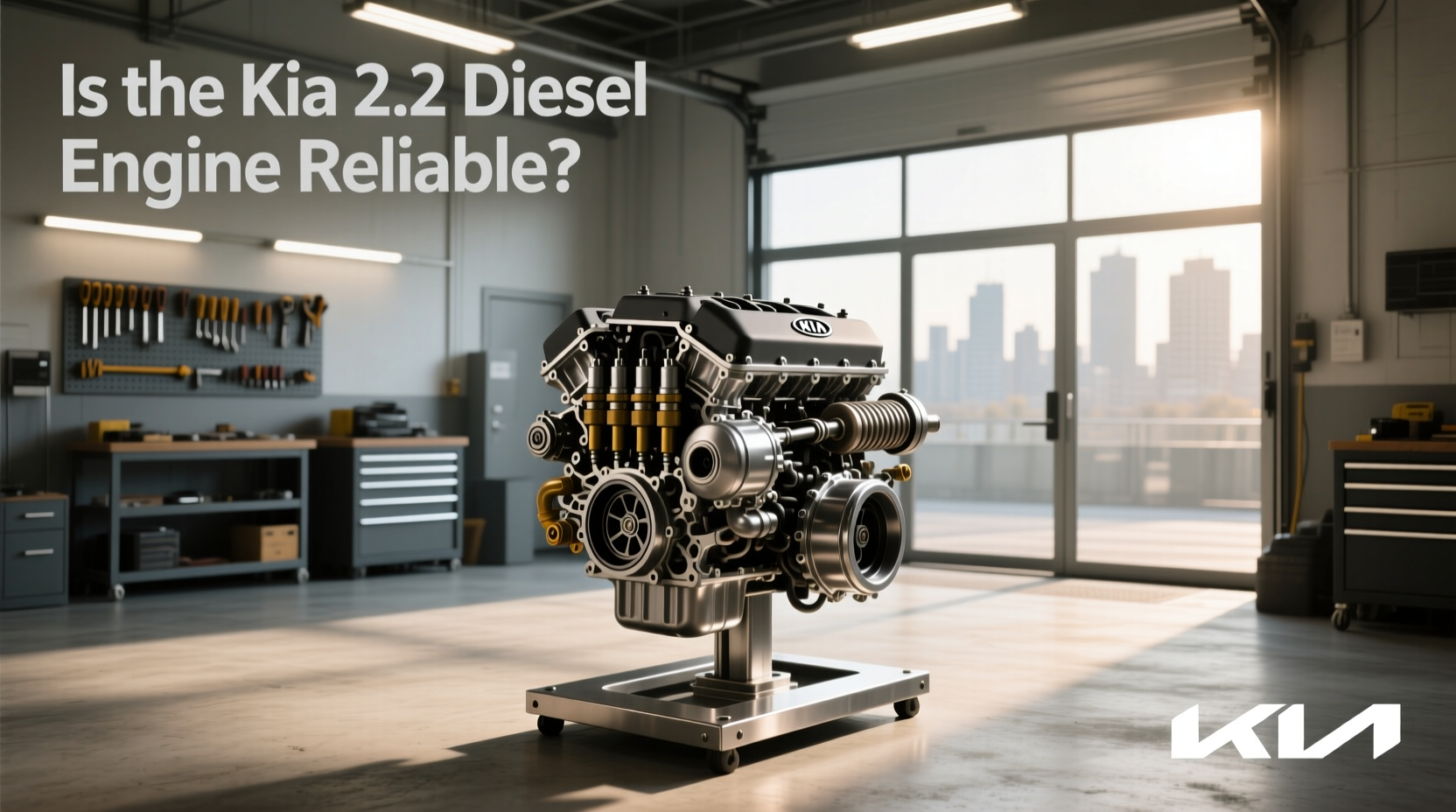
Short Introduction: What to Look for in a Kia 2.2 Diesel Engine
If you're asking how to choose a Kia diesel engine or wondering is the Kia 2.2 diesel engine reliable?, here's the direct answer: it’s generally dependable with strong torque and fuel efficiency, but requires disciplined maintenance. The 2.2L CRDi engine delivers 194–199 hp and up to 325 lb-ft of torque, making it ideal for towing and highway driving 1. However, potential buyers should be aware of known issues like injector failure, oil consumption, and valvetrain noise—especially if maintenance has been neglected. When evaluating what to look for in a Kia diesel engine, prioritize service history, use of quality oil, and signs of DPF or EGR system problems. For used models, a pre-purchase inspection is strongly advised.
About the Kia 2.2 Diesel Engine
The Kia 2.2 diesel engine, officially known as the 2.2L CRDi (Common Rail Direct Injection), is a turbocharged four-cylinder unit developed by Hyundai Motor Group and used across Kia SUVs like the Sorento and Sportage 2. With a displacement of 2,199 cc and a 16.0:1 compression ratio, it combines modern engineering with practical performance. It features a compacted graphite iron block for durability and an aluminum head to reduce weight ⚙️. The engine uses Bosch’s third-generation common rail injection with piezo-electronic injectors and an electronically controlled variable geometry turbocharger (e-VGT) to minimize lag and improve responsiveness ✨.
This engine is designed for drivers who need high low-end torque for towing, hauling, or frequent highway use 🚚. It's commonly found in markets where diesel fuel is cost-effective and emissions standards allow such powertrains, including Europe, Australia, and parts of Asia. While not available in North America due to emission regulations, it remains popular globally among fleet operators and families needing long-range capability with lower fuel costs.
Why the Kia 2.2 Diesel Engine Is Gaining Popularity
Diesel engines continue to appeal to certain buyers despite the rise of electrification, especially in regions with high fuel prices or demanding driving conditions. The Kia 2.2 CRDi stands out for its balance of efficiency and performance. Real-world reports show fuel economy reaching up to 42 mpg (combined) in older Sorento models, which significantly reduces operating costs over time 3.
Its popularity also stems from integration into reliable platforms like the Kia Sorento, which offers spacious interiors and strong resale value. Additionally, the shared architecture with Hyundai engines means broader service network access and more availability of aftermarket parts 👥. As consumers seek long-term value rather than just upfront savings, well-maintained diesel models are increasingly viewed as smart investments—provided known risks are managed proactively.
Types and Variants
The 2.2 CRDi has evolved since its 2009 introduction, with several power outputs and tuning levels depending on model year and market:
- Low-Output Version (194 hp / 310 lb-ft): Found in earlier models (2010–2013). Offers solid performance with slightly better longevity due to lower stress on components. Best for city driving and moderate loads.
- High-Output Version (199 hp / 325 lb-ft): Introduced around 2014 with improved turbo response and revised ECU mapping. Preferred for towing and mountainous terrain, though increased strain may accelerate wear if not maintained properly.
- EU6-Emission Compliant Models (Post-2015): Include enhanced DPF and SCR (Selective Catalytic Reduction) systems. More complex but meet stricter environmental standards. Require specific low-ash oil (C2/C3 rated) to prevent clogging.
While mechanical core components remain similar, newer variants demand more precise maintenance routines. Choosing between them depends on your usage: older models may offer simpler systems, while newer ones provide cleaner emissions and better refinement—if supported by correct servicing.
Key Features and Specifications to Evaluate
When assessing what to look for in a Kia diesel engine, focus on these technical and operational metrics:
- ⚡Power & Torque Output: Confirm actual figures match manufacturer specs. Loss of power could indicate turbo or injector issues.
- 🔧Maintenance History: Full service records using correct oil (5W-30 or 5W-40, low-SAPS for EU6) are critical. Missing changes increase risk of timing chain or injector damage.
- 🧼DPF and EGR Status: Check for warning lights or error codes related to regeneration cycles. Frequent short trips can cause DPF clogging.
- ⚙️Fuel Injectors: Piezo-electric injectors are expensive to replace (~$800–$1,500 per unit). Ask for recent injector balance tests or smoke test results.
- ⏱️Odometer Reading vs. Usage Pattern: High-mileage vehicles used primarily on highways often fare better than low-mileage city-driven ones, where DPF issues arise.
- 📍Geographic Origin: Climate and fuel quality vary. Engines from regions with poor diesel quality may have higher contamination risk.
Always verify specifications through VIN decoding or official documentation, as regional variations exist.
| Feature | Specification |
|---|---|
| Engine Type | 2.2L I4 Turbo Diesel (CRDi) |
| Production Years | 2009 – Present |
| Horsepower | 194–199 hp |
| Torque | 310–325 lb-ft (420–440 Nm) |
| Fuel System | Bosch 3rd-gen Common Rail + Piezo Injectors |
| Turbocharger | e-VGT (Electronically Controlled) |
| Oil Capacity | 6.7 L (with filter) |
| Recommended Oil Change | Every 9,000–15,000 miles / 12–24 months |
| Common Applications | Kia Sorento, Sportage, Optima (limited markets) |
Pros and Cons
- Strong low-end torque ideal for towing and hilly terrain
- Proven fuel efficiency—up to 42 mpg under optimal conditions
- Durable engine block and widespread service support
- Good resale value in diesel-friendly markets
- Potential for costly piezo injector failures
- Timing chain noise if oil quality is poor or intervals extended
- Oil consumption reported in some units after 100,000+ miles
- Complex emissions systems (DPF/EGR) prone to issues without proper driving patterns
This engine suits those who drive long distances regularly, especially outside urban areas. It’s less suitable for stop-and-go city driving or owners unwilling to adhere strictly to maintenance schedules.
How to Choose a Kia 2.2 Diesel Engine
Follow this checklist when considering a purchase:
- Review Service Records: Ensure all oil changes used recommended grade and were performed on schedule.
- Inspect for Noise: Listen for rattling or ticking at startup—could signal tensioner or chain wear.
- Check for Smoke: Blue/gray exhaust suggests oil burning; black smoke indicates fueling problems.
- Scan for Error Codes: Use OBD2 scanner to detect stored faults in EGR, DPF, or injector circuits.
- Verify Injector Health: Request data from a professional diesel shop on injection pressure and balance.
- Avoid Modified or Tuned Units: Performance chips can overstress components and void any remaining warranty.
🚩 Red Flags: No service history, frequent short-trip usage, unresolved check-engine lights, or evidence of overheating.
Price & Market Insights
Pricing varies widely based on region, condition, and model year. In the UK, a used 2015 Kia Sorento 2.2 CRDi starts around £8,000–£12,000. In Australia, similar models range from AUD 15,000–22,000. Well-maintained, later-model EU6 versions command a premium due to compliance and updated tech.
Consider total cost of ownership: while fuel savings are significant, factor in potential DPF cleaning (~£300–£600), injector replacement, and specialized labor. Older models may appear cheaper but carry higher repair risk. Always compare against comparable gasoline SUVs and hybrids to assess true value.
Top-Seller & Competitive Analysis
The Kia Sorento 2.2 CRDi competes with the Hyundai Santa Fe 2.2, Mazda CX-5 2.2D, and Ford Kuga 2.0 TDCi. Here's how they compare:
| Model | Engine | Max Torque | Known Issues | Maintenance Cost |
|---|---|---|---|---|
| Kia Sorento 2.2 CRDi | 2.2L I4 Turbo Diesel | 325 lb-ft | Injector failure, DPF clogs | Moderate–High |
| Hyundai Santa Fe 2.2 | Same as Kia | 325 lb-ft | Identical to Kia | Moderate–High |
| Mazda CX-5 2.2D | 2.2L SkyActiv-D | 310 lb-ft | DPF issues, software glitches | High |
| Ford Kuga 2.0 TDCi | 2.0L I4 Diesel | 290 lb-ft | EGR failures, turbo leaks | High |
All share similar reliability profiles. Kia and Hyundai benefit from shared parts and wider dealer networks. Mazda’s engine is refined but sensitive to driving style. Ford units have higher reported fault rates.
Customer Feedback Synthesis
Analysis of owner forums and review sites reveals consistent themes:
- Positive Feedback: Praise for smooth highway cruising, strong pulling power, and fuel economy. Many report trouble-free operation beyond 150,000 miles with proper care.
- Common Complaints: Injector replacements costing over $3,000, excessive noise after 100k miles, and DPF regeneration problems in city-only use.
- Owner Advice: “Use only OEM-specified oil,” “Avoid short trips,” and “Get injectors tested every 60k miles.”
Satisfaction heavily correlates with maintenance discipline and driving habits.
Sourcing & Supplier Tips
For private purchases: request full service history and conduct a pre-purchase inspection by a diesel-specialist mechanic. For dealerships: ensure return policy allows for post-inspection cancellation. When importing, confirm compatibility with local emissions standards and fuel sulfur content.
If buying in bulk (e.g., fleet acquisition), negotiate diagnostic reports for each unit. Verify title status and accident history via vehicle check services. Consider extended warranties focused on powertrain and emissions systems, but read exclusions carefully—many omit DPF and injector coverage unless maintenance proof exists.
Maintenance, Safety & Legal Considerations
Regular maintenance is non-negotiable. Use only low-ash (C2/C3) oil in EU6 models to protect DPF. Replace fuel filters as scheduled to prevent injector damage. Drive at highway speeds periodically to enable passive DPF regeneration.
Safety-wise, diesel engines produce high torque and require secure towing setups. Legally, tampering with emissions systems (e.g., deleting DPF) is prohibited in most countries and can result in fines or failed inspections. Always confirm local regulations before modifications or imports.
Conclusion
The Kia 2.2 diesel engine is a capable and generally reliable choice if you prioritize fuel efficiency, towing, and long-distance driving. Its reputation hinges on consistent maintenance and appropriate usage. If you frequently make short trips or aren’t committed to strict service intervals, consider a gasoline or hybrid alternative. For those willing to manage its requirements, the 2.2 CRDi offers proven performance and lasting value—just be prepared for potential high-cost repairs down the line.
Frequently Asked Questions
Is the Kia 2.2 diesel engine reliable long-term?
Yes, when properly maintained. Many units exceed 150,000 miles without major issues, but injector and DPF problems can occur if neglected.
What causes Kia 2.2 diesel engine injector failure?
Poor fuel quality, infrequent filter changes, and contaminated oil can damage piezo-electronic injectors. Using incorrect oil or skipping maintenance increases risk.
How often should I change oil in a Kia 2.2 CRDi?
Every 9,000–15,000 miles or 12–24 months, depending on model and usage. Always use 5W-30 or 5W-40 low-SAPS oil, especially in EU6 models.
Can I tow with the Kia 2.2 diesel engine?
Yes, it’s well-suited for towing, offering up to 325 lb-ft of torque. Ensure cooling systems are in good condition and avoid prolonged high-load driving without breaks.
Why is my Kia 2.2 diesel engine noisy?
Some noise is normal, but loud ticking or rattling may indicate timing chain tensioner wear, often caused by low-quality oil or delayed changes.




 浙公网安备
33010002000092号
 浙B2-20120091-4