Short introduction
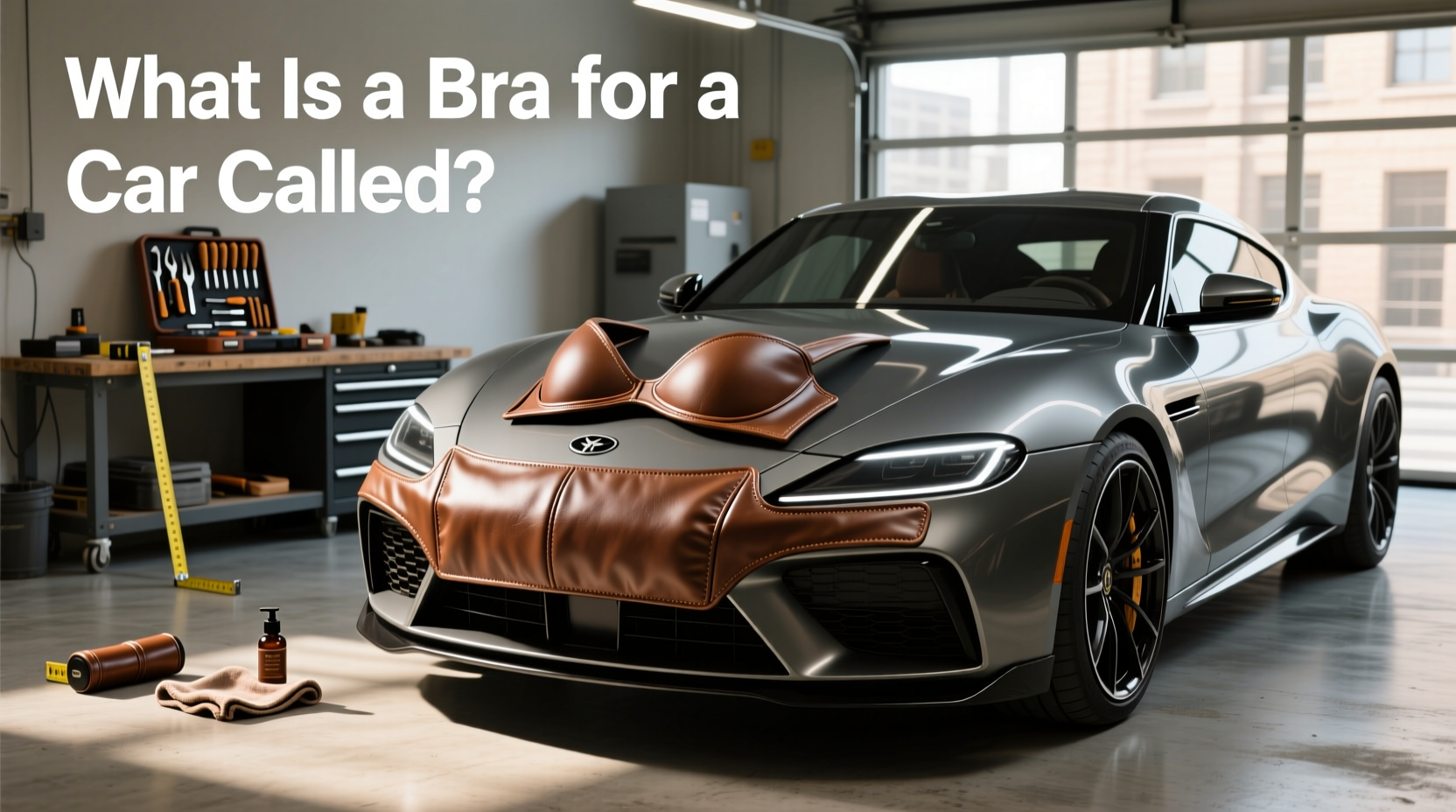
If you’re looking for how to choose a leather car bra, start here: most drivers don’t need one unless they frequently drive on gravel roads or unpaved terrain. A front-end cover—commonly called a car bra, hood bra, or front-end mask—protects your bumper, hood, and fenders from rock chips, bug residue, and road debris. The most effective types are custom-fit vinyl models with a soft inner lining, often designed to mimic black leather grain. Over the past year, interest has resurged slightly among off-road enthusiasts and fleet operators seeking low-cost paint preservation. If you’re a typical user, you don’t need to overthink this. Universal fits may shift and scratch; poorly secured bras can flap at high speed. Stick to brand-specific designs if available.
About Car Bras
A front-end bra (also known as a car bra, hood bra, or front-end mask) is a protective cover that fits over the forward-facing surfaces of a vehicle. It typically extends across the hood, bumper, and upper fenders—areas most exposed to高速 impacts from stones, insects, and dirt. Originally developed in the 1970s by Colgan Custom Manufacturing, the term “bra” was inspired by its partial coverage and removable nature, similar to apparel 1.
Modern versions are usually made from flexible polyvinyl chloride (PVC) with a textured surface resembling black leather grain. Some premium options use real or synthetic leather, though these are less common due to higher cost and maintenance needs. Inside, a soft fleece or felt-like backing prevents micro-scratches on factory paint. Installation relies on elastic straps, adhesive clips, or hidden magnets, depending on design.
The primary function remains unchanged: physical shielding without permanent modification. Unlike ceramic coatings or paint protection film (PPF), which bond chemically to the surface, a car bra acts as a sacrificial barrier. When damaged, it’s replaced—not repaired.
Why Car Bras Are Gaining Popularity
Recently, there’s been a modest comeback in car bra usage, especially among SUV and truck owners in rural or mountainous regions. This isn’t nostalgia—it’s practicality. With rising repair costs and supply chain delays affecting body shop availability, preventive solutions have gained attention. Used-car buyers also show increased interest in maintaining resale value through simple exterior safeguards.
What changed? Three factors stand out:
- Increased gravel road usage: More remote work and outdoor recreation mean longer drives on unsealed roads.
- Cost-conscious ownership: Replacing a $120 bra beats a $1,500 repaint job.
- Better materials: Modern vinyl resists UV yellowing and cracking longer than older versions.
If you’re a typical user, you don’t need to overthink this. For daily commuters on well-maintained highways, the benefit is marginal. But if your route includes frequent construction zones or forest service roads, even occasional exposure justifies consideration. This piece isn’t for keyword collectors. It’s for people who will actually use the product.
Types and Variants
Not all front-end covers serve the same purpose. Choosing depends on coverage needs, driving conditions, and vehicle compatibility.
Full Front-End Bra
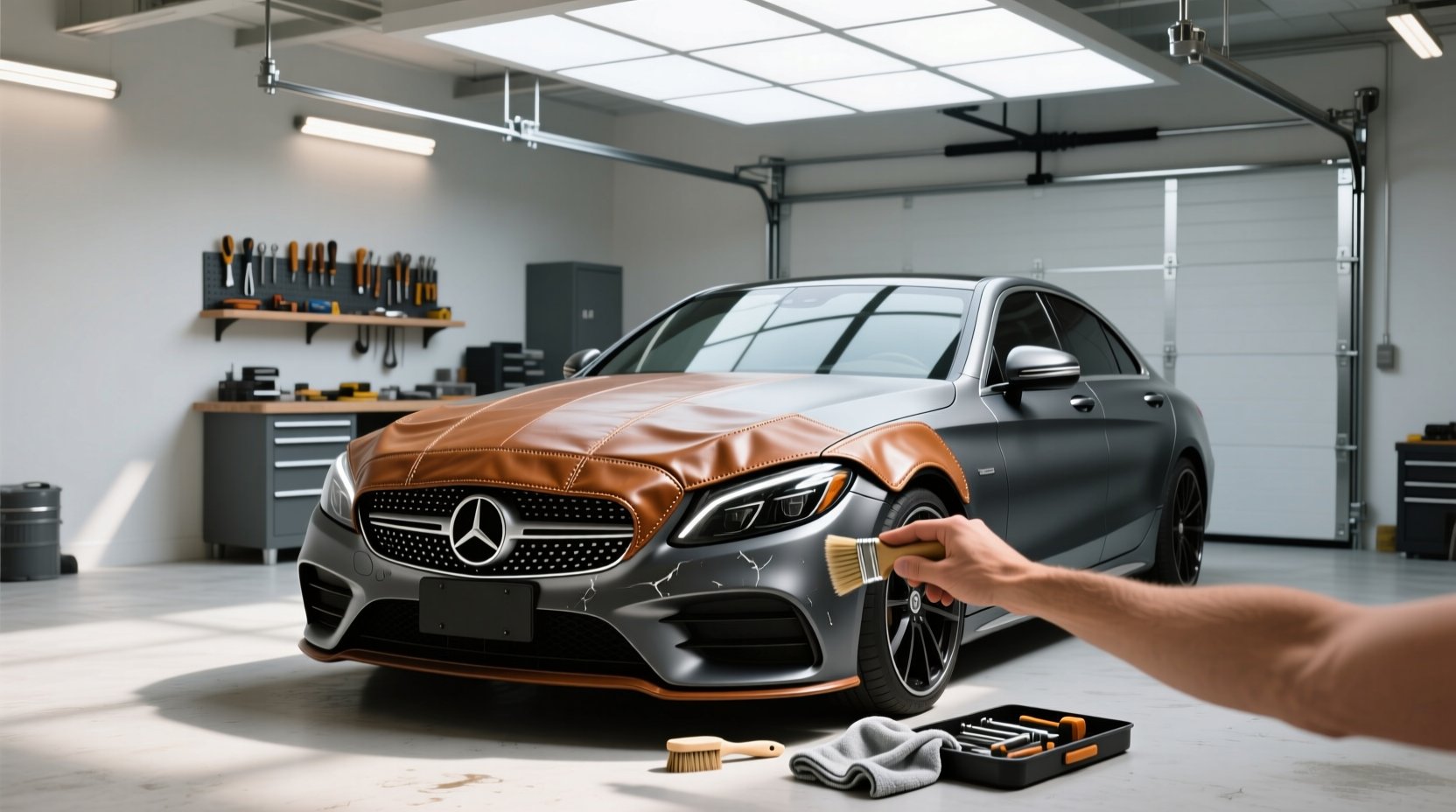
Covers the entire front section including bumper, hood, headlights, and front fenders.
- Pros: Maximum protection; ideal for trucks and off-road vehicles.
- Cons: Harder to install; more visible; may trap moisture if left on long-term.
Partial Hood Bra
Extends only over the leading edge and center portion of the hood.
- Pros: Less obtrusive; easier to clean; suitable for sedans and coupes.
- Cons: Leaves bumper vulnerable; limited defense against side-angle debris.
Sports Bra / Lower Front Mask
Small cover focused on the lower bumper or splitter area.
- Pros: Discreet; protects common scrape zone during parking.
- Cons: Minimal overall protection; mainly cosmetic.
Mirror Bras
Tiny sleeves that fit over side mirrors.
- Pros: Prevent stone chips on mirror housings; lightweight.
- Cons: Niche application; rarely sold separately anymore.
If you’re a typical user, you don’t need to overthink this. Most damage occurs along the central axis of the hood and upper bumper—so prioritize coverage there. Avoid universal-fit models unless no alternative exists.
Key Features and Specifications to Evaluate
When assessing what to look for in a car bra, focus on four core aspects.
1. Fit Type
Custom-Fit: Designed for specific makes and models. Aligns precisely with contours and openings.
Universal: One-size stretches to fit multiple vehicles. Risk of gaps or tension points.
When it’s worth caring about: On curved hoods or aerodynamic bumpers where airflow could lift edges.
When you don’t need to overthink it: For temporary use on flat-fronted utility vehicles driven infrequently.
2. Material Quality
Look for thick, UV-stabilized vinyl with a non-abrasive inner layer. Leather finishes should be sealed to resist water absorption.
When it’s worth caring about: In sunny climates where plasticizers leach out faster.
When you don’t need to overthink it: For seasonal use under 6 months per year.
3. Attachment Method
Elastic loops around grille inserts work best. Magnetic systems require metal components and aren't universal. Adhesive clips risk paint lifting.
When it’s worth caring about: At highway speeds above 65 mph where flapping causes noise and wear.
When you don’t need to overthink it: For low-speed urban driving with regular removal.
4. Ventilation & Moisture Management
Some designs include small perforations or breathable liners to reduce trapped condensation.
When it’s worth caring about: In humid environments or if stored for days at a time.
When you don’t need to overthink it: For short trips with immediate post-drive removal.
Pros and Cons
| Aspect | Advantages | Drawbacks |
|---|---|---|
| Paint Protection | Shields against minor impacts and insect acid etching | Does not prevent deep gouges or vandalism |
| Cost | Affordable upfront compared to full PPF wrap | Lifetime cost adds up if replaced annually |
| Installation | No tools required; reversible | Poor fit risks scratching paint underneath |
| Resale Value | Helps maintain clean front-end appearance | Buyers may view as sign of overprotection or misuse |
| Maintenance | Easy to wipe down or rinse | Must be removed before car washes; improper storage leads to warping |
If you’re a typical user, you don’t need to overthink this. A well-fitted bra offers tangible protection but introduces new responsibilities. Weigh convenience against diligence.
How to Choose a Leather Car Bra
This guide walks through key decisions step-by-step to match your driving habits and vehicle type.
Step-by-Step Checklist
- Determine your primary threat: gravel roads, bugs, parking scrapes?
- Confirm your vehicle model—is a custom fit available?
- Decide on coverage level: full, partial, or lower mask?
- Select attachment style: elastic, magnetic, clip-on?
- Check return policy in case of poor fit.
Decision Flow
- Do you drive mostly on paved roads? → Skip it unless storing long-term outdoors.
- Do you tow trailers or drive on dirt/gravel frequently? → Prioritize full custom-fit bra.
- Is your car leased? → Consult agreement; some prohibit modifications, even removable ones.
- Are you considering paint protection film (PPF)? → Compare total cost; PPF lasts longer but costs more upfront.
Recommendations by Scenario
- Daily commuter (city/suburb): Not necessary. If desired, opt for a slim partial hood cover.
- Rural driver (gravel/dirt roads): Invest in a custom full-front bra with robust attachment.
- Fleet manager: Standardize on durable, replaceable bras to extend vehicle life between detailing cycles.
- Show car owner: Use only during transport; remove immediately after arrival.
Red Flags / What to Avoid
- ❌ Extremely cheap universal kits with no brand name.
- ❌ Products claiming “invisible” or “permanent adhesive-free bond.”
- ❌ Bras requiring drilling or modifying factory parts.
- ❌ Vinyl that feels thin or chalky to the touch.
- ❌ Sellers who don’t provide return windows or fit guarantees.
If you’re a typical user, you don’t need to overthink this. Focus on fit and material integrity—not marketing claims.
Price & Market Insights
Pricing varies widely based on vehicle make, fit precision, and material. Expect to pay between $60 and $250 for a quality custom-fit front-end cover. Basic universal models can be found under $40 but often fail within a season.
Brands like Colgan, CalMax, and LeBra dominate the niche market, often sold through specialty retailers or auto accessory distributors. Prices may vary by region/model/seller, particularly for older or rare vehicles where tooling isn’t mass-produced.
To verify value: check manufacturer specs for thickness (measured in mils), UV resistance rating, and warranty length. Also confirm the retailer’s return policy—especially for fit issues, which are common even with model-specific listings.
Top-Seller & Competitive Analysis
The following comparison highlights leading products based on availability, customer feedback, and functional design.
| Product | Fit Type | Material | Attachment | Price Range |
|---|---|---|---|---|
| Colgan Exact-Fit Bra | Custom | Leather-grain vinyl + felt backing | Elastic straps & hidden clips | $140–$220 |
| LeBra Custom Vehicle Protection | Custom | Black leather-grain vinyl | Elastic loops | $130–$190 |
| CalCarCover Universal Hood Cover | Universal | Flexible PVC | Elastic edging | $35–$50 |
| Covercraft Colgan Front End Covers | Custom | Durable vinyl with UV inhibitor | Straps & optional magnets | $150–$240 |
Note: While Colgan pioneered the category, current production and distribution are handled through partners like Covercraft and CalCarCover. Third-party sellers may offer knockoffs with inconsistent quality.
Customer Feedback Synthesis
Analysis of verified buyer reviews reveals consistent patterns across brands and platforms.
Common Praises
- “Stopped multiple rock chips during mountain drives.”
- “Easy to put on and take off—takes less than two minutes.”
- “Looks sleek and doesn’t scream ‘I’m paranoid about scratches.’”
- “Wiped clean after muddy trip with no staining.”
Recurring Complaints
- “Edges lifted at highway speeds causing loud flapping.”
- “Trapped moisture led to faint spotting underneath after week-long use.”
- “Too tight going over fog light housing—had to stretch and risk tearing.”
- “Ordered ‘custom’ but still had gap near windshield base.”
If you’re a typical user, you don’t need to overthink this. Real-world performance hinges more on correct sizing than brand prestige.
Sourcing & Supplier Tips
Where you buy matters as much as what you buy. Authorized dealers and direct-from-manufacturer sites reduce counterfeit risk.
- ✅ Buy from suppliers listing detailed fit databases (e.g., enter VIN or trim level).
- ✅ Look for vendors offering sample photos of installed units on your exact model.
- ✅ Prefer sellers with at least a 30-day return window for fit verification.
- ❌ Avoid marketplaces with unverified third-party listings lacking customer service channels.
If possible, cross-reference product numbers with official brand catalogs. For example, Colgan’s fit guide is accessible via Covercraft’s website 2. Always check manufacturer specs before purchasing.
Maintenance, Safety & Legal Considerations
Proper care ensures longevity and avoids unintended consequences.
- Cleaning: Hand wash with mild soap and water. Air dry flat. Do not machine wash.
- Storage: Keep in cool, dark place rolled loosely—not folded—to prevent creasing.
- Safety: Never operate vehicle with loose or flapping cover. Inspect attachment points monthly.
- Visibility: Ensure no part obstructs headlights, turn signals, or sensor arrays (e.g., adaptive cruise control).
- Legal: No federal regulations ban car bras, but local ordinances may restrict modifications affecting safety equipment. To confirm compliance, verify local regulations through municipal transportation departments.
This piece isn’t for keyword collectors. It’s for people who will actually use the product.
Conclusion
If you need reliable, removable front-end protection for frequent off-pavement driving, choose a custom-fit vinyl car bra with secure elastic attachments and a soft inner liner. If you're navigating city streets and highways with minimal debris exposure, skip it—your time is better spent elsewhere. If you’re a typical user, you don’t need to overthink this. Prioritize fit accuracy over aesthetics, and always test installation before relying on it in demanding conditions.
Everything You Need to Know
What is a car bra called professionally? 🔽
A car bra is formally known as a front-end bra, hood bra, or front-end mask. In technical and retail contexts, it may also be labeled as a front-end cover or vehicle protection shield.
Do car bras damage paint? 🔽
Poorly fitted or low-quality car bras can cause micro-scratches due to trapped grit or constant friction. High-quality models with soft linings and secure fitments generally do not harm paint when properly maintained and regularly removed for cleaning.
Can I leave a car bra on in rain or snow? 🔽
You can drive with a car bra in wet weather, but prolonged exposure without removal may trap moisture underneath, potentially leading to spotting or mold. Remove and dry both the bra and covered surface after extended wet-weather use.
Are leather car bras better than vinyl? 🔽
Leather versions exist but are rare and require more maintenance. Most 'leather-look' bras use textured vinyl, which offers comparable appearance with greater durability and weather resistance. Real leather may crack or absorb moisture over time.
How often should I replace my car bra? 🔽
Replacement frequency depends on usage and climate. In average conditions, a quality custom-fit bra lasts 2–4 years. Signs it’s time to replace include fading, stiffness, cracking, or weakened attachment points.




 浙公网安备
33010002000092号
 浙B2-20120091-4