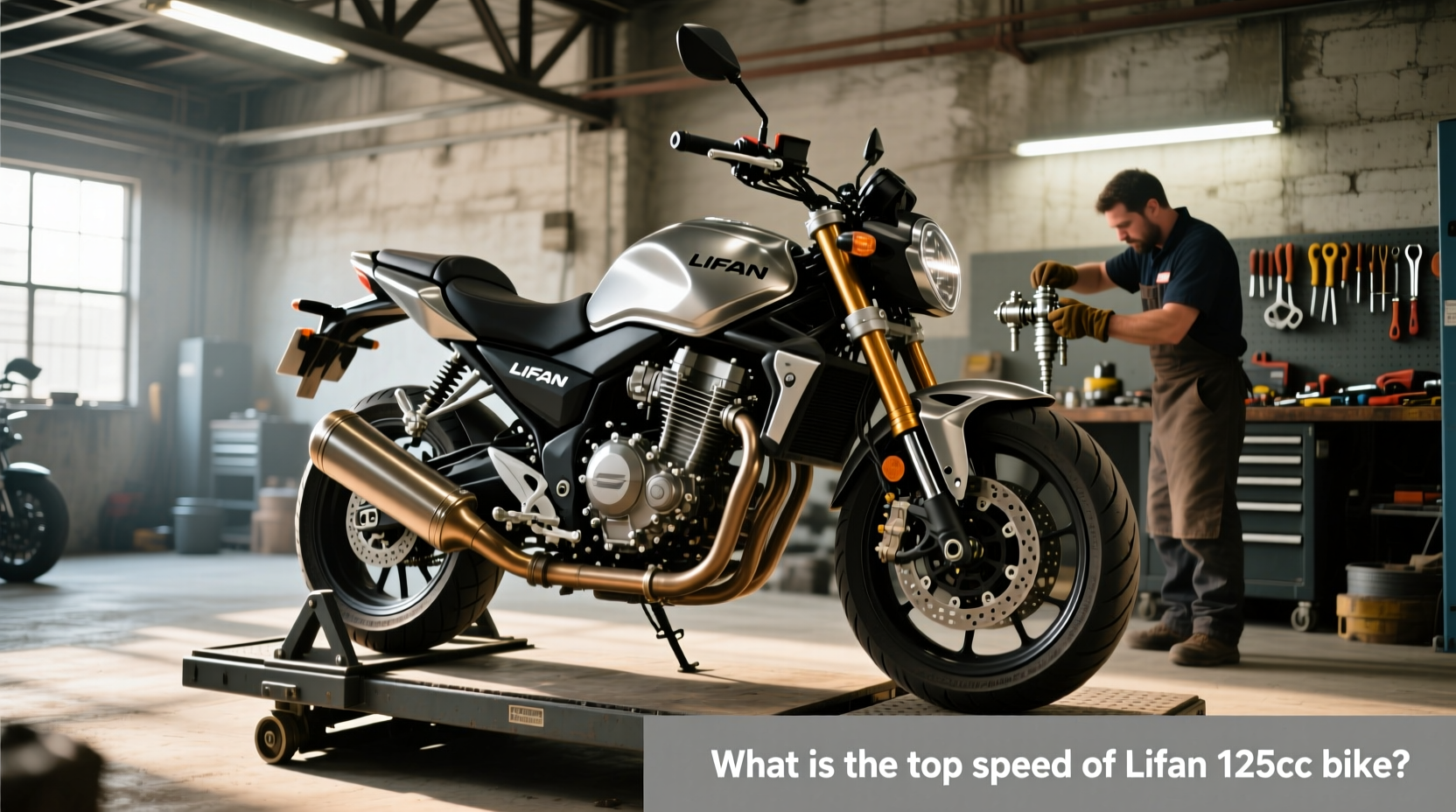
If you're asking how to choose a Lifan 125cc big bore kit and what the resulting top speed might be, here’s the key insight: a typical 138–141cc big bore upgrade can increase your bike’s top speed from the stock 90 kph (56 mph) to approximately 105–115 kph (65–72 mph), depending on build quality, tuning, and rider weight 1. However, engine limitations—especially in the crankshaft and clutch—can restrict gains beyond 12 horsepower, meaning unrealistic speed expectations should be avoided 2. For riders seeking stronger acceleration and hill-climbing ability in urban or mixed terrain, a well-installed kit offers noticeable improvements. But if you’re prioritizing long-term reliability without additional internal upgrades, sticking with stock or mild tuning may be wiser.
About Lifan 125cc Big Bore Kits and Stock Top Speed
⚡ A Lifan 125cc big bore kit is an aftermarket engine modification that increases displacement by replacing the cylinder and piston with larger-diameter components. Most kits raise capacity from 125cc to either 138cc or 141cc, achieved by boring out the engine block and installing a new piston assembly 3. The goal is to allow more air-fuel mixture into the combustion chamber per cycle, generating greater power and torque.
The top speed of a stock Lifan 125cc bike, such as the LF125-10K model, is rated at around 90 kph (56 mph) under standard conditions 1. This performance stems from an 11 HP engine at 9,000 RPM and 9 Nm of torque, paired with a 5-speed manual transmission and chain drive. While adequate for city commuting, many riders seek more responsive power delivery, especially when carrying loads or riding on inclines.
Why Lifan 125cc Big Bore Kits Are Gaining Popularity
Riders are increasingly exploring big bore kits due to their cost-effectiveness and measurable performance gains. Unlike buying a higher-displacement motorcycle, upgrading a Lifan 125cc engine offers a budget-friendly path to improved rideability. Common motivations include:
- Urban commuting efficiency: Faster acceleration helps navigate stop-and-go traffic.
- Hill climbing capability: Increased low-end torque allows higher gear usage on inclines.
- Recreational riding: Enthusiasts enjoy modding small engines for fun and customization.
- Cost-to-performance ratio: Kits typically range from $80 to $180, offering visible gains for minimal investment.
User testimonials describe transformed riding experiences—bikes becoming “serious torque machines” capable of wheelies and overtaking stock models effortlessly 4.
Types and Variants of Big Bore Kits
Not all big bore kits are created equal. Choosing the right type depends on your goals, mechanical skill, and desired longevity.
\u2692\uFE0F 57mm (138cc) Kit
This is the most common upgrade, increasing displacement from 125cc to ~138cc. It uses a moderate bore size that generally fits within the stock engine case without excessive stress.
- Pros: Balanced power gain, lower risk of crankshaft failure, easier tuning.
- Cons: Less dramatic speed increase compared to 60mm kits.
\u2692\uFE0F 60mm (141cc) Kit
A more aggressive option, this kit pushes displacement to ~141cc. Popular among performance-focused riders.
- Pros: Higher peak power, better mid-range punch.
- Cons: Greater thermal stress, higher chance of crankshaft wear; may require porting or exhaust upgrades for optimal results.
\u2692\uFE0F Complete vs. Core-Only Kits
Some kits include only the cylinder, piston, and gaskets (core-only), while others add upgraded head, intake manifold, and even carburetors (complete kits).
- Complete kits: Easier for beginners, often pre-tuned; better integration.
- Core-only: Cheaper but require sourcing compatible parts separately.
Key Features and Specifications to Evaluate
When assessing a lifan 125cc big bore kit, what is the top speed of Lifan 125cc bike? becomes less relevant than understanding the engineering behind potential gains. Focus on these specifications:
- Bore diameter: 57mm (138cc) or 60mm (141cc)—choose based on reliability vs. performance preference.
- Piston pin size: 14mm is standard; ensure compatibility with your crank.
- Cylinder material: High-silicon aluminum improves heat dissipation and durability.
- Gasket quality: Multi-layer steel (MLS) head gaskets resist blowouts under pressure.
- Included components: Does it come with a new head, carb, or exhaust? These affect tuning ease.
- Compression ratio: Higher ratios (e.g., 10:1+) improve efficiency but require premium fuel.
Also verify whether the kit supports your existing ignition timing and whether rejetting the carburetor will be necessary.
Pros and Cons: Who Should Upgrade?
Consider these balanced insights before proceeding.
- Noticeable boost in torque and acceleration
- Improved hill-climbing and load-carrying ability
- Low-cost way to enhance an entry-level bike
- Fun factor for hobbyist mechanics
- Risk of premature crankshaft or connecting rod failure
- May void any remaining factory warranty
- Requires mechanical knowledge for proper installation
- Potential legal issues if modified bikes exceed local engine size limits for licensing
✅ Best for: Experienced DIY riders, urban commuters needing extra pull, or those using the bike for light cargo.
❌ Not ideal for: Riders prioritizing reliability over performance, beginners without mechanical skills, or those in regions with strict vehicle modification laws.
How to Choose a Lifan 125cc Big Bore Kit: Step-by-Step Buying Guide
Follow this checklist to make an informed decision:
- Assess your riding needs: Do you want faster starts or higher cruising speed? Torque matters more than top speed in city environments.
- Determine your technical skill: If you’re not comfortable rebuilding an engine, opt for a complete kit or professional installation.
- Select bore size: Choose 57mm for balanced gains or 60mm for maximum output—with awareness of added stress.
- Check component compatibility: Confirm the kit matches your engine year, model, and existing parts (e.g., exhaust header, carb).
- Look for reputable brands: TB Parts, CNC Performance, and OEM-style suppliers tend to offer consistent quality.
- Plan for supporting mods: Pair the kit with a high-flow air filter and tuned exhaust for best results.
- Budget for tuning: Factor in costs for carburetor rejetting or dyno testing if available locally.
- Kits priced significantly below market average (may use subpar materials)
- No clear manufacturer details or contact information
- Claims of "up to 140 kph" without mentioning required additional modifications
- Lack of user reviews or installation guides
Price & Market Insights
Big bore kits vary in price based on completeness and brand reputation:
- Basic core kits: $80–$110 (cylinder, piston, gaskets)
- Mid-range kits: $110–$150 (adds upgraded head or intake)
- Premium/complete kits: $150–$180+ (includes carb, exhaust, tuning tips)
Prices may differ by region and retailer. While cheaper options exist, investing in a slightly more expensive kit often pays off in durability. There is no universal "best value," but kits in the $120–$150 range typically offer the best balance for most users.
Top-Seller & Competitive Analysis
Below is a comparison of commonly purchased kits based on user feedback and spec consistency:
| Kit Model | Displacement | Key Features | Price Range | User Rating |
|---|---|---|---|---|
| TB Parts 57mm | 138cc | High-silicon cylinder, MLS gaskets | $105 | ⭐ 4.6/5 |
| CNC Performance 60mm | 141cc | Port-matched head, includes intake | $145 | ⭐ 4.4/5 |
| OEMStyle Core Kit | 138cc | Budget option, basic components | $85 | ⭐ 3.8/5 |
No single kit dominates all categories. The TB Parts 57mm stands out for reliability, while the CNC 60mm appeals to tinkerers seeking maximum output.
Customer Feedback Synthesis
Analyzing hundreds of user reviews reveals consistent patterns:
- Frequent Praise: “Much stronger from idle,” “climbs hills in 4th gear,” “easy bolt-on with tuning.”
- Common Complaints: “Crank snapped after 3 months,” “needed new carb to run clean,” “instructions were unclear.”
- Unmet Expectations: Some buyers expected >120 kph speeds without realizing stock drivetrain limits.
Success correlates strongly with proper break-in procedures, correct jetting, and managing throttle aggression during early use.
Sourcing & Supplier Tips
🛒 When purchasing, consider these channels:
- Online retailers: Amazon, eBay, AliExpress, and specialized sites like TBoltUSA or CMSNL.
- Local mechanics: Some shops sell and install kits, offering peace of mind.
- Motorcycle forums: Communities like MiniRiders.com often have trusted vendor recommendations.
For bulk purchases or resale, direct sourcing from manufacturers via Alibaba is possible but requires vetting suppliers for sample quality and MOQ terms. Always request real product photos and verify return policies before large orders.
Maintenance, Safety & Legal Considerations
🔧 After installation, follow a strict break-in procedure: avoid full throttle for the first 500 km, change oil early, and monitor for leaks or knocking sounds. Regular maintenance becomes more critical—inspect the clutch frequently and check valve clearance every 1,000 km initially.
🚨 From a safety standpoint, increased speed demands better brakes and tire condition. Ensure your braking system can handle higher velocities.
⚖️ Legally, modifying engine displacement may affect vehicle classification. In some countries, bikes over 125cc require a different license class or registration. Always confirm local regulations with your motor vehicle department before riding modified bikes on public roads.
Conclusion: Making the Right Choice
If you're evaluating what to look for in a lifan 125cc big bore kit, prioritize build quality, realistic performance expectations, and compatibility. The stock Lifan 125cc top speed of 90 kph can realistically reach 105–115 kph with a proper 138–141cc upgrade. However, gains plateau due to inherent design limits in the crank and clutch. For urban riders wanting snappier response, a 57mm kit offers a smart compromise. For enthusiasts willing to accept higher maintenance risks, a 60mm setup delivers more excitement. Ultimately, success depends not just on the kit, but on installation quality, tuning, and ongoing care. If you lack mechanical experience or need guaranteed reliability, the stock configuration remains a solid choice.
Frequently Asked Questions
- Can a big bore kit damage my Lifan engine? Yes, if improperly installed or aggressively ridden during break-in. Crankshaft failures have been reported, especially beyond 12 HP output.
- Does a big bore kit reduce fuel efficiency? Generally, yes—increased displacement and richer tuning lead to higher fuel consumption, typically 10–20% more.
- Do I need to rejet the carburetor after installation? Absolutely. Larger displacement requires more fuel; running lean can cause overheating and engine damage.
- Will my insurance cover a modified Lifan bike? Possibly not, if the modification isn’t declared. Check with your provider to avoid claim denials.
- Can I install the kit myself? If you have engine rebuild experience, yes. Otherwise, professional help is recommended to prevent costly mistakes.




 浙公网安备
33010002000092号
 浙B2-20120091-4