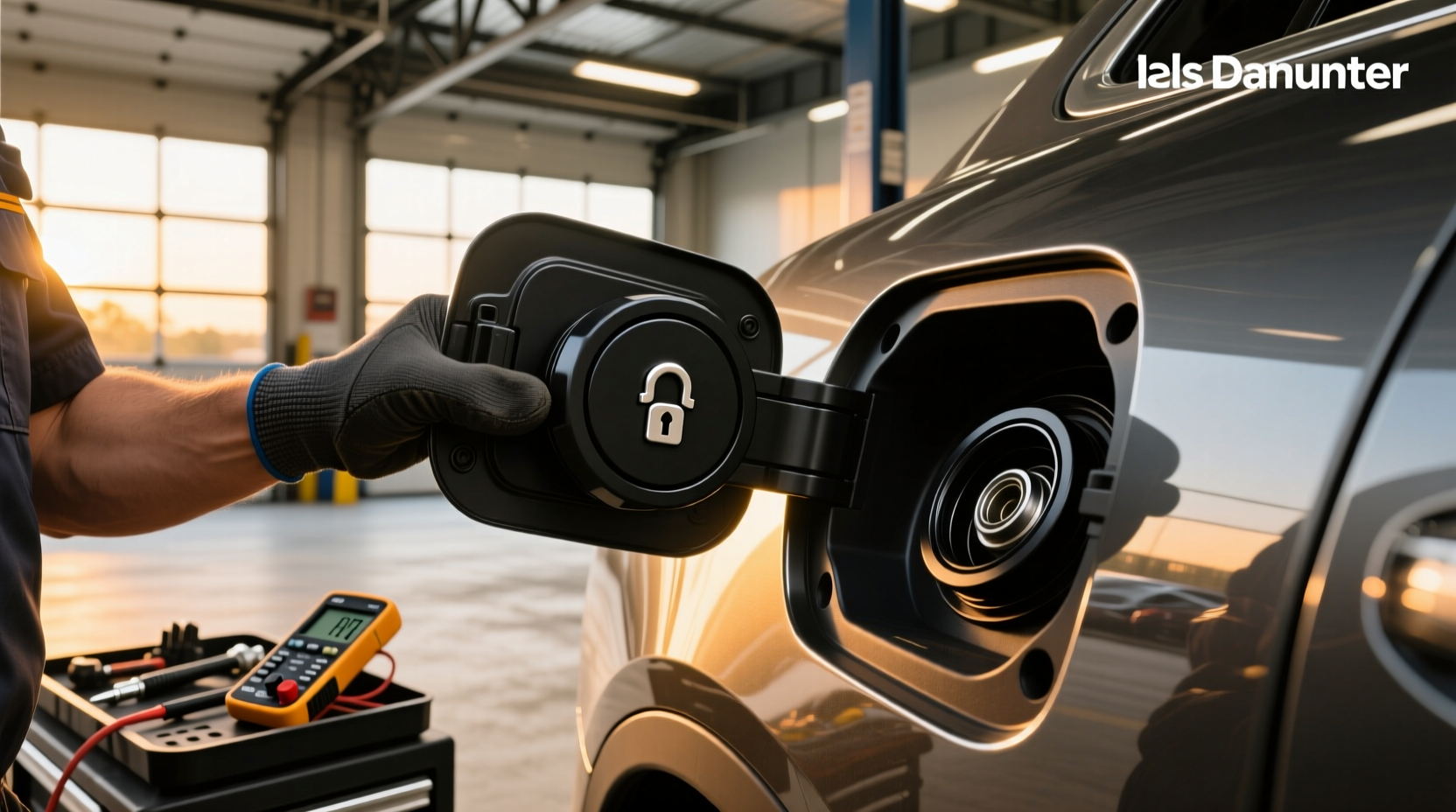
Short Introduction: Should You Get a Locking Gas Cap?
If you're wondering how to choose locking oil cap,Is it a good idea to get a locking gas cap?, the answer depends on your vehicle type, location, and risk exposure. A locking gas cap can be a smart investment if you park in unsecured areas, own a truck or SUV with a large fuel tank, or live in a region with reported fuel theft. It deters opportunistic siphoning and protects against vandalism like sugar-in-the-tank incidents 1. However, it adds inconvenience—you must carry a key—and may fail mechanically over time. For most daily drivers in low-risk zones, a standard cap or factory-installed capless system offers better usability. Evaluate your needs using this guide before deciding.
About Locking Oil Cap, Is It a Good Idea to Get a Locking Gas Cap?
A locking gas cap is a fuel filler cap that requires a physical key to open, preventing unauthorized access to your vehicle’s fuel tank. While not all vehicles come equipped with one, they are available as aftermarket accessories for most makes and models. The core purpose is security: to prevent fuel theft, tampering, and contamination of the fuel system.
This becomes especially relevant for owners of diesel trucks, RVs, fleet vehicles, or anyone who frequently parks overnight in remote or poorly lit areas. In contrast, many modern gasoline-powered cars now use capless fuel systems, which rely on internal spring-loaded valves instead of removable caps 3. These offer convenience and inherent anti-siphon design but aren't universally compatible with older vehicles.
Why Locking Oil Cap, Is It a Good Idea to Get a Locking Gas Cap? Is Gaining Popularity
Rising fuel prices and increased reports of fuel theft—especially targeting diesel-powered vehicles—have driven interest in locking gas caps. Fleets, contractors, and long-haul truckers often cite repeated losses from overnight siphoning as a primary motivator 9. Additionally, urban dwellers parking on streets or in public lots worry about vandals introducing foreign substances into their tanks, which can cause costly engine damage.
Social media forums and owner communities have amplified awareness, making “is it a good idea to get a locking gas cap?” a common query among pickup and SUV owners. Though not a foolproof solution against determined thieves, its role as a deterrent has made it a popular upgrade for peace of mind.
Types and Variants
There are three main types of fuel tank closures, each with distinct advantages and trade-offs:
- ⚙️Aftermarket Locking Caps: Replace your stock cap with a keyed version. Available in various materials (plastic, aluminum, steel). Some models feature universal fit, while others are vehicle-specific.
- 🔧Factory OEM Locking Caps: Offered by some manufacturers (e.g., Ford, GM) on certain trims. Often integrate with the vehicle’s key system for added convenience.
- ✨Capless Fuel Systems: No traditional cap; uses a sealed valve mechanism. Found on newer Fords, Lincolns, and select Chrysler models. Requires a special funnel when refueling from a container 7.
Each type serves different priorities: security, ease of use, or integration with modern emissions systems.
Key Features and Specifications to Evaluate
When assessing options for a locking gas cap, consider these critical factors:
- ✅Vehicle Compatibility: Ensure the cap matches your make, model, and year. An improper seal can trigger the check engine light due to evaporative emissions leaks 4.
- 🔒Security Mechanism: Look for tamper-resistant designs, such as pick-resistant locks or reinforced housings.
- 🏭Material Quality: Metal caps (aluminum/stainless steel) resist drilling better than plastic but may corrode in salty environments.
- 🔄Key Design: Prefer models with duplicate keys or keyed-alike options. Losing the only key creates a major access issue.
- 🌍Vapor Seal Integrity: Must maintain pressure in the EVAP system. Check for certifications like ISO 10427 or SAE J112.
- 🛒Installation Ease: Most replace stock caps directly, but verify torque specs and sealing surface condition during installation.
Pros and Cons
| Aspect | Advantages | Disadvantages |
|---|---|---|
| Security | Deters casual theft and tampering; prevents siphoning without tools | Can be bypassed by drilling or cutting; ineffective against professional thieves |
| Convenience | Simple installation; familiar operation | Requires carrying a key; risk of lock jamming or key loss |
| Fuel System Protection | Reduces vapor loss; maintains EVAP system integrity | Poor-quality caps may leak or fail to seal properly |
| Maintenance | Minimal upkeep needed under normal conditions | Dirt buildup or moisture can impair lock function over time |
In short, locking caps excel in deterrence but introduce minor operational friction.
How to Choose Locking Oil Cap, Is It a Good Idea to Get a Locking Gas Cap?
Follow this step-by-step checklist when considering a purchase:
- 🔍Assess Your Risk Level: Do you park in secure garages or exposed lots? High-theft neighborhoods justify extra security.
- 📋Confirm Vehicle Fitment: Use your VIN or consult manufacturer specs to ensure compatibility.
- ⭐Evaluate Build Quality: Prioritize metal construction and weather-resistant seals.
- 📎Check Key Redundancy: Opt for two keys or keyed-alike sets to avoid being locked out.
- ❗Avoid Common Pitfalls: Don’t buy universal-fit caps without verifying thread size and pressure rating. Avoid cheap no-name brands lacking durability testing.
Also, inspect your existing fuel neck for cracks or deformation before installing a new cap.
Price & Market Insights
Prices vary widely based on material, brand, and specificity:
- 💲Budget Tier ($10–$20): Plastic or basic aluminum; suitable for occasional use but prone to wear.
- 📈Mid-Range ($20–$40): Durable metal construction, better sealing, includes two keys; best value for most users.
- 🚚Premium/OEM ($40–$80): Factory-grade materials and precision fit; often integrates with vehicle key.
Prices may differ by region and retailer. Always compare warranties and return policies before buying.
Top-Seller & Competitive Analysis
Popular models include the Lock-N-Stitch LNS-01, Pacer PLP9502, and OEM replacements from Ford and GM. Below is a comparison of key attributes:
| Model | Material | Compatibility | Key Included | Approx. Price |
|---|---|---|---|---|
| Lock-N-Stitch LNS-01 | Aluminum | Universal (adjustable) | Yes (2 keys) | $25 |
| Pacer PLP9502 | Steel | Ford F-Series, Explorers | Yes (2 keys) | $35 |
| Ford OEM Locking Cap | Reinforced Polymer/Metal | Ford Trucks (specific years) | Yes (matches ignition key) | $65 |
Choose based on your vehicle and need for integration versus affordability.
Customer Feedback Synthesis
Analysis of user reviews reveals consistent themes:
- 👍Positive Feedback: Users praise peace of mind, ease of installation, and noticeable reduction in anxiety about fuel theft. Many report successful prevention of attempted siphoning.
- 👎Common Complaints: Some mention difficulty opening after weather exposure, keys sticking, or caps failing after 2–3 years. A few note incompatibility despite listed fitment.
Reliability tends to correlate with price and brand reputation.
Sourcing & Supplier Tips
You can source locking gas caps from auto parts stores (AutoZone, O'Reilly), online retailers (Amazon, RockAuto), or dealership service centers. For bulk purchases (fleet use), consider working directly with industrial suppliers or distributors offering volume discounts.
When sourcing:
- 🛒Verify return policy in case of fitment issues.
- 🔍Cross-check product specs with your vehicle manual.
- 🧰Inspect packaging for damage and test the lock mechanism upon arrival.
Maintenance, Safety & Legal Considerations
Maintain your locking cap by cleaning the sealing surface regularly and lubricating the O-ring with silicone grease annually. Avoid using harsh solvents that degrade rubber components.
Safety-wise, never force a stuck cap open—this can damage the fuel neck. If the lock fails, consult a mechanic rather than attempting DIY removal with drills or extractors.
No federal laws prohibit locking gas caps in the U.S., but local regulations may apply for commercial fleets. Always confirm compliance with municipal or workplace safety standards where applicable.
Conclusion
So, is it a good idea to get a locking gas cap? Yes—if you face real risks of fuel theft or vandalism. It's a cost-effective, easy-to-install upgrade that enhances security and system integrity. However, if convenience is your top priority, or your vehicle already has a secure capless system, a locking cap may add more hassle than value. Ultimately, if you drive a truck, SUV, or diesel vehicle in a high-risk area, choosing a durable, well-fitted locking cap makes practical sense. For everyday city driving in safe areas, stick with your standard cap or trust your capless design.
Frequently Asked Questions
Can a locking gas cap stop all fuel theft?
No. While it deters casual siphoning, a determined thief can drill through the tank or cut the fuel line. It’s primarily effective against opportunistic theft.
Will a locking cap trigger the check engine light?
Only if it doesn’t seal properly. A high-quality, correctly installed cap maintains EVAP system pressure and should not cause issues.
Are capless fuel systems more secure than locking caps?
Generally, yes. Their internal valve design makes siphoning extremely difficult without specialized tools, offering both security and convenience.
What should I do if I lose the key to my locking gas cap?
Contact the manufacturer or a locksmith specializing in automotive hardware. Some models allow replacement via serial number. As a last resort, a mechanic may drill it off carefully.
Can I install a locking cap on any vehicle?
Most vehicles accept aftermarket locking caps, but fitment varies. Verify thread pattern, diameter, and pressure requirements before purchasing.




 浙公网安备
33010002000092号
 浙B2-20120091-4