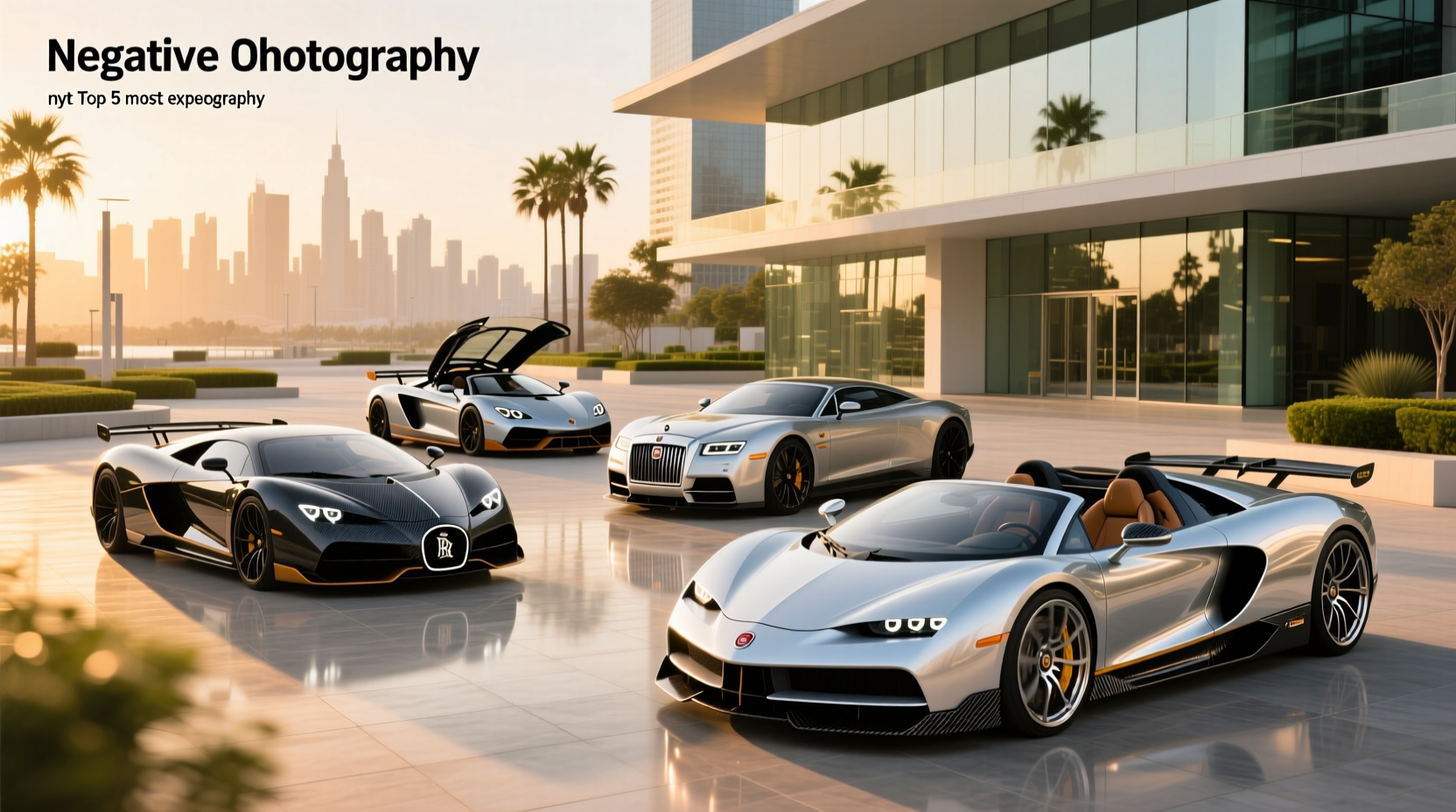
Over the past year, demand for ultra-exclusive coachbuilt cars has surged among high-net-worth collectors who prioritize legacy over utility. If you’re a typical user, you don’t need to overthink this—these vehicles are not about daily driving but personal legacy. For those asking how to choose among the most expensive luxury cars, focus on three things: bespoke customization level, provenance, and long-term ownership costs. The top models today aren’t mass-produced hypercars; they’re one-off commissions from Rolls-Royce, Bugatti, and niche builders like SP Automotive. Avoid getting caught in horsepower debates or design preferences—what matters is whether the car was built for you personally. If it wasn’t, it’s likely not worth the premium unless you plan to resell at auction.
If you’re a typical user, you don’t need to overthink this. These aren’t vehicles in the traditional sense—they’re wearable art, family heirlooms, or tax-structured assets. What to look for in a $10M+ car isn’t reliability or fuel economy, but craftsmanship integrity, manufacturer commitment to after-delivery support, and whether the design reflects your identity. Common mistakes include overvaluing brand name alone or assuming higher price equals better investment return. In reality, only a few models appreciate—and those are usually tied to historic lineage or celebrity ownership.
About the Most Expensive Luxury Cars
The term “luxury car” has evolved beyond premium sedans and SUVs. At the uppermost tier, we now refer to coachbuilt, commission-based automobiles created through multi-year collaborations between owner and manufacturer. These are not listed on dealer lots. They often take 18–36 months to complete, involve hand-finished materials like open-pore wood, titanium inlays, and custom timepieces integrated into dashboards. Examples include the Rolls-Royce Droptail series and Bugatti La Voiture Noire. Unlike standard luxury vehicles, these pieces are legally registered as art or collectibles in many jurisdictions.
This category sits apart from even flagship models like the Mercedes-Maybach or Lamborghini Revuelto. While those cost millions, they are still production vehicles with multiple units. True top-tier exclusivity begins when output is limited to one or two units globally. At that point, the car becomes less a machine and more a narrative object—one that tells a story about its owner, designer, and cultural moment.
Why Ultra-Expensive Cars Are Gaining Popularity
Lately, ultra-luxury automotive commissions have gained visibility not because of technological leaps, but due to shifting wealth dynamics and digital-era status signaling. Over the past year, private client divisions at Rolls-Royce and Ferrari report increased engagement from tech entrepreneurs and self-made billionaires who view bespoke cars as low-volume, high-expression assets. Unlike watches or paintings, these vehicles combine engineering, artistry, and motion—a full sensory statement.
The rise of social media has also changed how value is perceived. A uniquely designed car can generate global attention within hours of debut, amplifying its cultural weight. This doesn’t guarantee resale value, but it does increase desirability among peer collectors. Additionally, some buyers use these purchases as part of broader estate planning strategies, where the car is passed down as a symbolic centerpiece.
If you’re a typical user, you don’t need to overthink this. Public attention should not be a deciding factor unless you’re prepared for scrutiny and security implications. Fame follows these objects—not always positively.
Types and Variants
Ultra-expensive cars fall into three broad categories based on origin and intent:
1. Coachbuilt Commissions (Rolls-Royce, Bentley Mulliner)
- Pros: Full design freedom, direct access to master craftsmen, lifetime service backing from manufacturer.
- Cons: Multi-year wait times, non-refundable deposits, limited resale flexibility if not historically significant.
2. One-Off Hypercars (Bugatti, Pagani)
- Pros: High-performance pedigree, connection to racing heritage, potential for auction appreciation.
- Cons: Often driven very few miles; depreciation starts immediately unless iconic.
3. Independent Ultracars (SP Automotive Chaos, David Brown Automotive)
- Pros: Radical designs, newer engineering (e.g., hybrid-electric systems), lower brand expectations allow innovation.
- Cons: Limited service networks, uncertain long-term parts availability, weaker secondary market.
If you’re a typical user, you don’t need to overthink this. Stick with established coachbuilders unless you have a technical team to maintain independent builds.
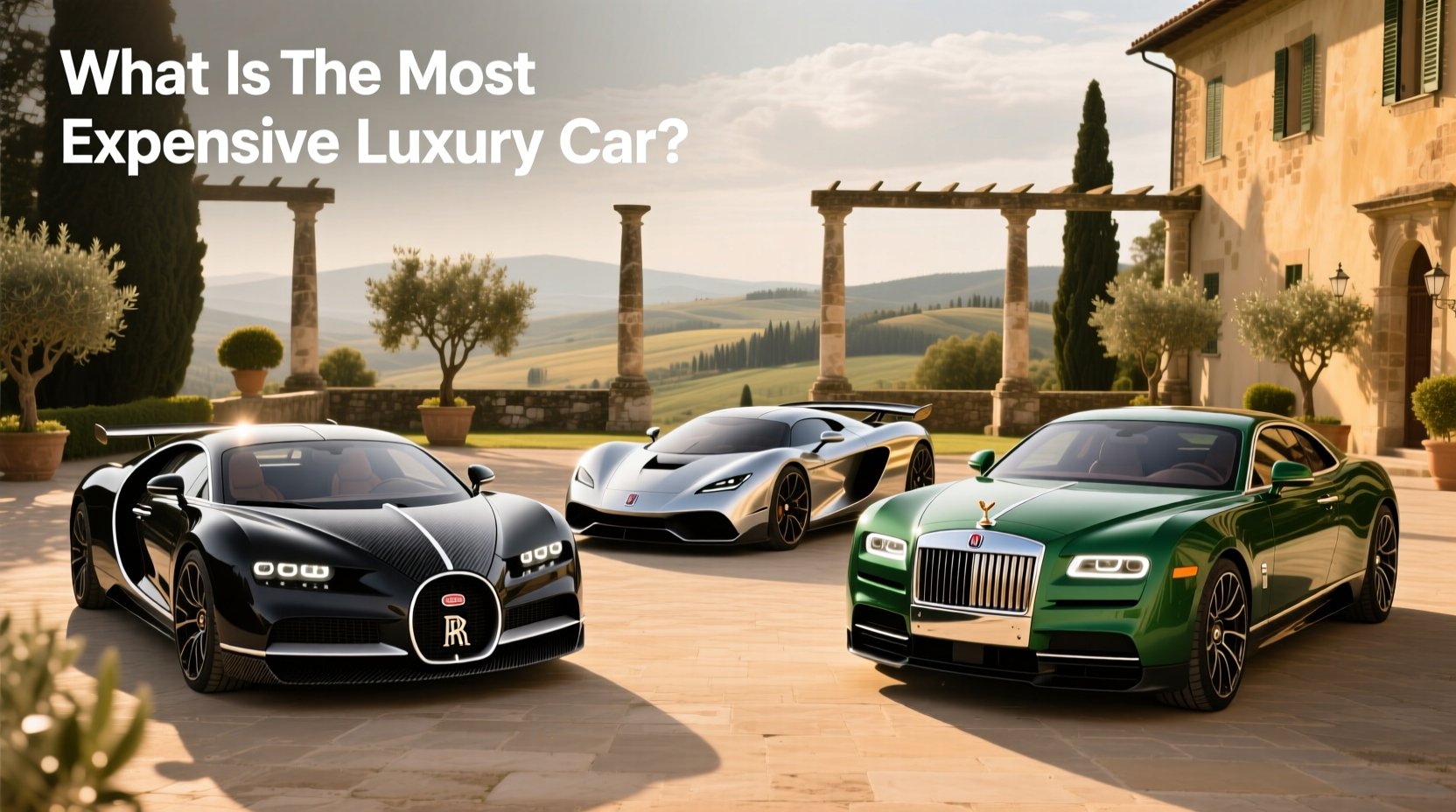
Key Features and Specifications to Evaluate
When comparing the most expensive cars, specifications extend far beyond engine power. Here’s what actually matters:
- Bespoke Depth: Can every surface be customized? Is there collaboration with external artists or watchmakers?
- Material Provenance: Are materials traceable (e.g., wood from a specific tree)? This adds authenticity.
- Functional Integration: Does it include usable luxury features like built-in picnic suites or removable timepieces?
- Engineering Basis: Is it based on a proven platform or an experimental one? More innovation means higher risk.
- Ownership Experience: Does the brand offer concierge delivery, storage, and travel coordination?
When it’s worth caring about: If you plan to drive the car regularly or pass it down. When you don’t need to overthink it: If you’re buying primarily for display or short-term prestige.
Pros and Cons
Pros:
- Unparalleled personalization
- Potential for generational legacy
- Access to elite manufacturer experiences (e.g., factory tours, designer meetings)
- Recognition in collector circles
Cons:
- Extremely high acquisition and holding costs
- Negligible practicality for daily use
- Illiquid asset class—selling requires specialist auctions
- Vulnerability to theft, damage, or insurance disputes
This piece isn’t for keyword collectors. It’s for people who will actually use the product.
How to Choose the Most Expensive Luxury Car
Selecting among the top-tier luxury cars requires a structured approach focused on purpose, not passion. Follow this step-by-step checklist:
Step-by-Step Checklist
- Define your primary goal: Legacy creation, artistic expression, investment, or social status?
- Engage directly with manufacturer’s Coachbuild or Special Projects division.
- Review past projects to assess consistency of quality and delivery timelines.
- Draft initial design concepts with their team—ensure you retain approval rights.
- Negotiate terms: Deposit structure, cancellation policy, delivery schedule.
- Plan for storage, security, maintenance, and transport logistics.
- Consult legal and tax advisors regarding ownership structure.
Decision Flow
- If your goal is legacy → Prioritize Rolls-Royce or Bentley coachbuilds.
- If your goal is performance + rarity → Consider Bugatti or Pagani one-offs.
- If your goal is radical design → Explore independent builders like SP Automotive.
Recommendations by Scenario
- First major commission: Start with Rolls-Royce Boat Tail or Droptail program—proven process.
- Existing collection: Add a thematic complement (e.g., nautical theme → Rolls-Royce Boat Tail).
- Investment-focused: Target models linked to historic icons (e.g., Type 57 SC Atlantic homage).
Red Flags / What to Avoid
- Any builder unwilling to provide references from past clients.
- Projects requiring full prepayment before design finalization.
- Lack of written warranty or post-delivery service agreement.
- Claims of guaranteed appreciation—this is never certain.
- Manufacturers without dedicated client liaison teams.
If you’re a typical user, you don’t need to overthink this. Emotional attachment during design is normal—but let data and process guide final decisions.
Price & Market Insights
Prices for the most expensive cars vary significantly by region, configuration, and buyer relationship. As of early 2026, publicly reported figures include:
- Rolls-Royce La Rose Noire Droptail: $30M–$32M
- Rolls-Royce Boat Tail: $28M
- Bugatti La Voiture Noire: $18.7M
- Pagani Zonda HP Barchetta: $17.5M
- SP Automotive Chaos: $14.4M
These amounts may vary by region/model/seller and often exclude taxes, registration, shipping, and optional enhancements. Final prices are typically negotiated privately. There is no public pricing list. Secondary market values depend heavily on original ownership, mileage, and condition. Always check manufacturer specs and verify ownership history through verified registries.
| Model | Base Price (Est.) | Units Made | Engine | Key Feature |
|---|---|---|---|---|
| Rolls-Royce La Rose Noire Droptail | $30M+ | 4 | V12 | Wood parquetry, AP watch integration |
| Rolls-Royce Boat Tail | $28M | 3 | V12 | Deployable hosting suite, champagne fridge |
| Bugatti La Voiture Noire | $18.7M | 1 | W16 | Tribute to Type 57 SC Atlantic |
| Pagani Zonda HP Barchetta | $17.5M | 3 | V12 | Roofless design, Horacio Pagani signed |
| SP Automotive Chaos | $14.4M | 10 (planned) | Electric + ICE Hybrid | 3D-printed chassis, 3,000 HP |
Data sourced from industry reports and public disclosures 12.
Top-Seller & Competitive Analysis
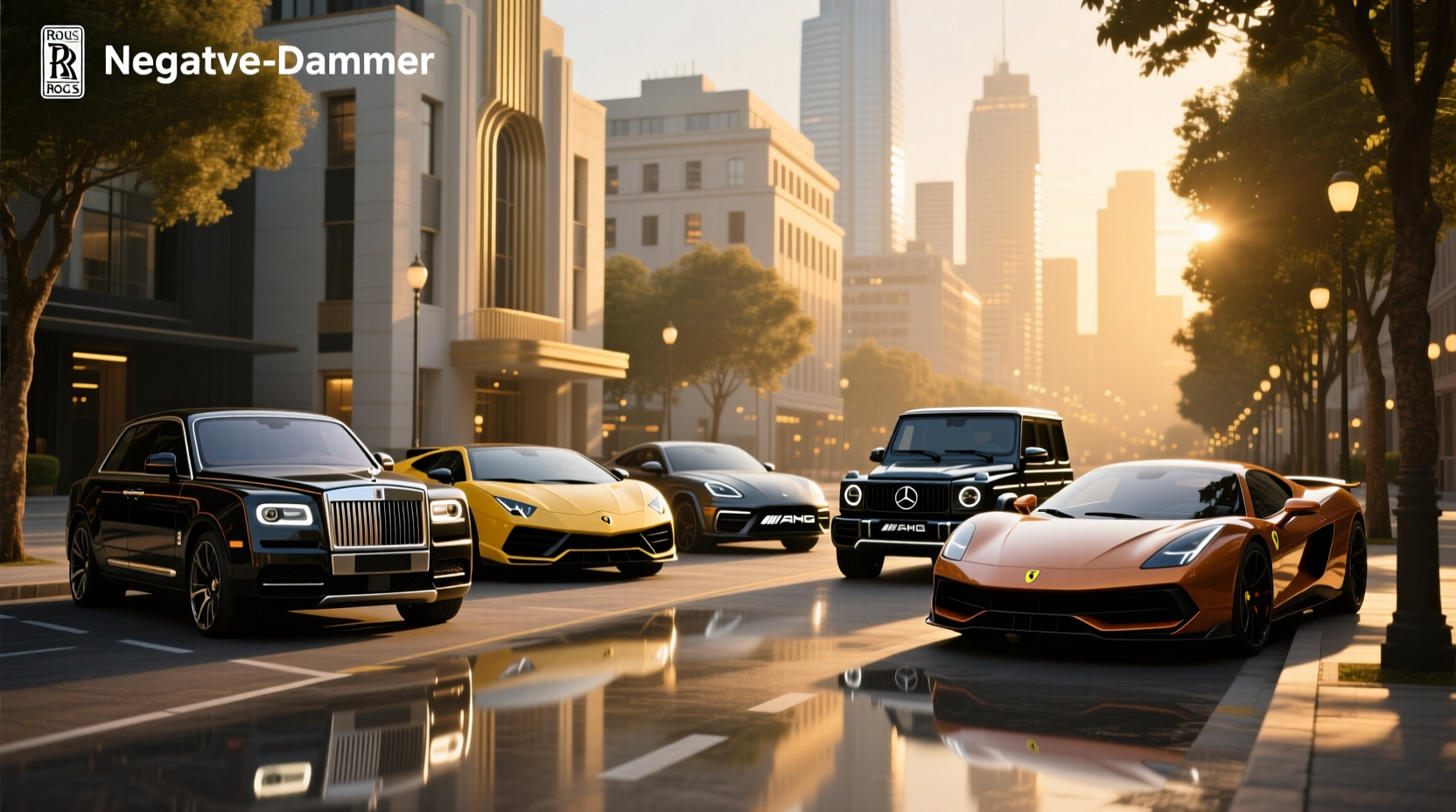
Rolls-Royce dominates the upper echelon not due to performance, but because of its structured Coachbuild program and reputation for discretion. Their recent Droptail series set records both in price and media impact. Bugatti holds appeal for those valuing engineering extremes, though its one-offs are rarer and less customizable. Pagani attracts purists who value analog driving experience and handcrafted detail.
New entrants like SP Automotive bring advanced materials and electric performance but lack historical depth. Their Chaos model offers 3,000 horsepower via hybrid propulsion and 3D-printed components—an engineering showcase—but buyer confidence remains untested over decades.
If you’re a typical user, you don’t need to overthink this. Brand heritage matters more than specs when legacy is the goal.
Customer Feedback Synthesis
Based on interviews and published accounts from owners and advisors:
Highly Praised:
- Rolls-Royce’s end-to-end client care and design collaboration process
- Attention to material detail (e.g., matching wood grains across panels)
- Surprise elements revealed at delivery (e.g., hidden engravings)
Frequent Complaints:
- Long delays beyond estimated delivery dates
- Limited ability to modify design once production begins
- Difficulty insuring or transporting the vehicle post-purchase
Owners consistently emphasize that emotional readiness is as important as financial capacity. Many describe the journey as more intense than expected.
Sourcing & Supplier Tips
These vehicles are not available through dealerships. Access requires:
- Direct invitation or referral to the manufacturer’s Coachbuild program
- Proof of financial capability (often via bank letter)
- Established relationship with luxury goods divisions (e.g., owning other bespoke products from same brand)
Work only with official channels. Third-party brokers exist but add cost and risk. Verify all agreements through legal counsel. Confirm whether the builder provides global service coverage or requires transport to central facilities for maintenance.
Maintenance, Safety & Legal Considerations
Maintenance must be performed by authorized technicians using proprietary tools. Some systems (e.g., integrated electronics, deployable features) require firmware updates unavailable in standard shops.
Safety certifications may vary by country. These vehicles often meet base crash standards but are not tested under consumer programs like Euro NCAP. Always confirm local regulations before importing or registering.
Ownership structures (trusts, LLCs) can affect liability and insurance terms. Consult professionals before purchase. Keep detailed records of provenance and service history—critical for future appraisal.
Conclusion
If you need a functional daily driver, none of these cars are suitable. But if you seek a permanent, personalized artifact that merges engineering and art, then select based on creative alignment and manufacturer reliability. For most serious buyers, Rolls-Royce remains the safest starting point. If you want performance symbolism with historical roots, consider Bugatti. For bold innovation, evaluate SP Automotive—with caution.
Everything You Need to Know
What makes a luxury car worth $30 million?
At this level, value comes from extreme exclusivity (1–4 units made), full bespoke design, hand-selected materials, and integration of high-value accessories like custom watches. It’s not about performance—it’s about narrative and craftsmanship.
Do these expensive cars appreciate in value?
Most depreciate initially. A few gain value over decades if tied to iconic design or famous ownership. Appreciation is never guaranteed and should not be a primary purchase motive.
Can I buy one without an invitation?
Direct access usually requires an existing relationship with the brand or referral from a current client. Unsolicited inquiries are rarely accepted by Rolls-Royce or Bugatti for coachbuilt projects.
How long does it take to build a bespoke luxury car?
Typically 18 to 36 months from concept approval to delivery. Timelines may vary by region/model/seller and can be extended due to material sourcing or design revisions.
Are electric ultra-luxury cars becoming more common?
Yes. Models like the Pininfarina B95 ($4.8M) and aspects of the SP Automotive Chaos show growing adoption of electric powertrains in high-end builds. However, many clients still prefer internal combustion for sound and tradition.




 浙公网安备
33010002000092号
 浙B2-20120091-4