
If you’re deciding between new or collectible luxury cars in Germany, focus on long-term usability and ownership cost—not just prestige. For most buyers, the best choice isn’t the most expensive model, but the one that aligns with daily driving needs and maintenance accessibility. How to choose luxury cars in Germany? Prioritize drivetrain reliability, resale consistency, and service network density. Avoid limited-run models unless you plan to hold long-term; they often depreciate unpredictably. If you’re a typical user, you don’t need to overthink this.
Recently, interest in German luxury vehicles has surged—not because prices dropped, but because ownership expectations have shifted. Buyers now weigh emotional appeal against real-world utility more deliberately.
About Luxury Cars in Germany
When people ask “what is the most expensive car in Germany?” they’re often referencing the 1955 Mercedes-Benz 300 SLR Uhlenhaut Coupé, which sold privately for €135 million in 2022 1. While that car is not available to the public, its legacy reflects a broader truth: German engineering prioritizes precision, durability, and performance integration. The term 'luxury' here extends beyond leather seats—it includes adaptive suspension systems, proprietary powertrains, and driver-assist technologies developed through motorsport R&D.
The core brands—Mercedes-Benz, BMW, and Porsche—dominate both domestic and export markets. Audi also holds a strong position, particularly in tech-forward full-size sedans. Maybach, though niche, represents the peak of bespoke interior craftsmanship under the Mercedes umbrella. These manufacturers don’t just compete on price; they differentiate through driving character and system integration.
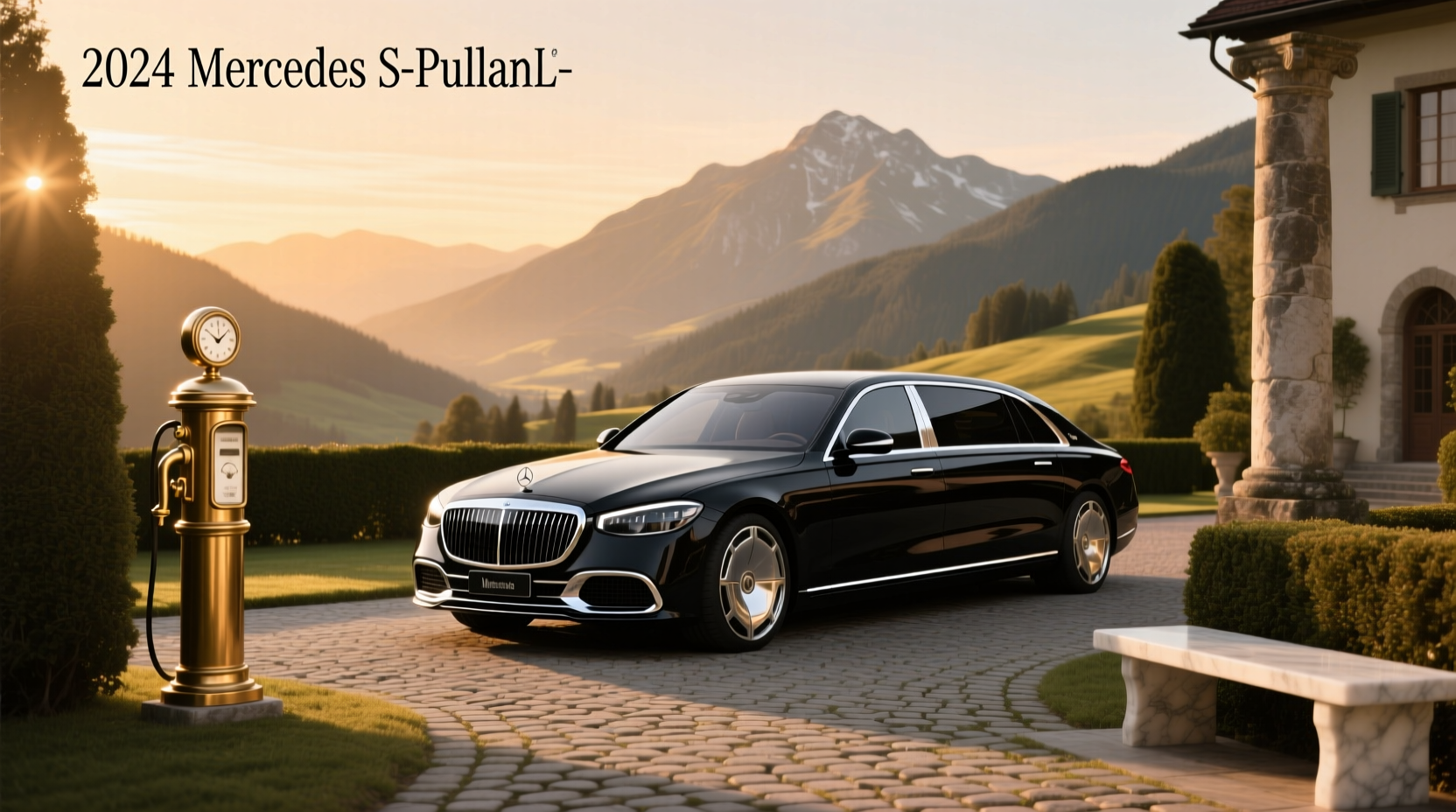
Why Luxury Cars in Germany Are Gaining Popularity
Over the past year, searches for high-end German automobiles have increased, driven by two parallel trends: renewed confidence in internal combustion performance variants and growing curiosity about electrified flagships like the BMW i7 and Mercedes EQS AMG. Enthusiasts are no longer choosing purely based on fuel type—they’re assessing how well each platform delivers the brand’s signature feel.
This shift matters because it signals maturity in buyer behavior. Early EV adopters focused on novelty; today’s buyers compare refinement, throttle response, and cabin isolation across powertrain types. As hybrid systems become more seamless—such as the AMG ONE’s F1-derived hybrid V6—the line between track capability and road comfort blurs further.
If you’re a typical user, you don’t need to overthink this. Most daily drivers won’t exploit the full potential of a 700-horsepower sedan. But knowing that such capability exists—and is accessible when needed—adds psychological value.
This piece isn’t for keyword collectors. It’s for people who will actually use the product.
Types and Variants
1. Full-Size Luxury Sedans (e.g., Mercedes S-Class, BMW 7 Series)
These represent the traditional apex of German luxury. Designed for comfort and executive transport, they feature self-leveling air suspensions, rear-seat entertainment, and advanced noise cancellation.
- Pros: Best-in-class ride quality, highest safety ratings, strongest resale among non-performance trims
- Cons: Expensive repairs, lower agility, complex electronics prone to software glitches
2. High-Performance Models (e.g., BMW M8, Mercedes-AMG GT)
Built for speed and handling, these cars emphasize stiff suspensions, lightweight materials, and aggressive aerodynamics.
- Pros: Exceptional acceleration, precise steering feedback, emotionally engaging drive
- Cons: Harsh ride on rough roads, higher insurance costs, rapid depreciation if not maintained perfectly
3. Grand Tourers (e.g., Porsche 911 Turbo, Audi R8)
Blending performance with long-distance comfort, GTs are ideal for highway cruising and weekend drives.
- Pros: Balanced weight distribution, reliable engines, timeless designs
- Cons: Limited cargo space, tight rear seating, premium fuel requirement
4. Electric & Hybrid Flagships (e.g., Porsche Taycan Turbo S, BMW iX M60)
New entrants leveraging electric torque for instant performance while retaining luxury appointments.
- Pros: Silent operation, low center of gravity, fewer moving parts mean reduced mechanical wear
- Cons: Battery degradation over time, charging dependency, heavier curb weight affects handling
Key Features and Specifications to Evaluate
When comparing models, assess these five dimensions—not all matter equally depending on your use case.
Drivetrain Performance
When it’s worth caring about: If you frequently drive on Autobahn stretches without speed limits, horsepower and high-speed stability become relevant.
When you don’t need to overthink it: In urban environments with average speeds below 50 km/h, even mid-tier models offer sufficient responsiveness.
Interior Material Quality
When it’s worth caring about: For owners planning multi-year retention, real wood trim and Nappa leather resist aging better than synthetic alternatives.
When you don’t need to overthink it: If leasing or trading within three years, surface finishes have minimal impact on overall experience.
Driver Assistance Systems
When it’s worth caring about: On long drives, adaptive cruise control and lane-centering reduce fatigue significantly.
When you don’t need to overthink it: Short commutes in dense traffic may render some features redundant or even intrusive.
Maintenance Accessibility
When it’s worth caring about: Rural owners should confirm local dealership support before opting for less common models like the BMW M3 CSL.
When you don’t need to overthink it: In major German cities, authorized service centers for all major brands are within reach.
Resale Consistency
When it’s worth caring about: If preserving capital is a priority, stick to widely recognized trims (e.g., S-Class, 911 Carrera).
When you don’t need to overthink it: Collectors buying rare editions (like the 3.0 CSL) accept volatility as part of the investment.
If you’re a typical user, you don’t need to overthink this. Stick to mainstream luxury platforms unless you have a specific reason to deviate.
Pros and Cons
• Engineering rigor ensures long-term reliability
• Strong residual values across core models
• Seamless integration of digital interfaces
• Wide availability of certified pre-owned units
• Repair costs can exceed those of non-luxury brands by 2–3x
• Some infotainment systems require steep learning curves
• Parts lead times may vary by region/model/seller
• Over-equipped models increase distraction risk
How to Choose Luxury Cars in Germany
A structured approach prevents decision fatigue. Follow this checklist:
Step-by-Step Checklist
- Determine primary usage: daily commute, business travel, weekend enjoyment?
- Set a hard budget including insurance, taxes, and estimated maintenance over 5 years
- Narrow to two body styles that match lifestyle needs
- Research owner forums for recurring issues with shortlisted models
- Schedule test drives during similar conditions to your typical route
- Evaluate dealer transparency—ask for full service history on used units
- Confirm warranty coverage scope and transferability
Decision Flow
- Need rear passenger space? → Consider S-Class or 7 Series
- Want emotional engagement? → Test drive AMG C63 or M3
- Prioritizing sustainability? → Compare Taycan efficiency vs i7 range
- Focused on ease of ownership? → Opt for standard trims over M/AMG variants
Recommendations by Scenario
- Executive Commuter: Mercedes S-Class with Magic Body Control
- Performance Enthusiast: Porsche 911 GTS Coupe (balance of power and usability)
- Family-Oriented Buyer: BMW X7 with Executive Package
- Urban Driver: Audi A6 Allroad (ground clearance + compact footprint)
Red Flags / What to Avoid
- Unexplained warning lights during test drive
- Inconsistent paint finish or panel gaps
- Vinyl wraps hiding original condition
- Missing service records or stamped booklets
- Dealers refusing independent inspection
If you’re a typical user, you don’t need to overthink this. A clean, well-documented vehicle from an authorized seller beats speculative upgrades every time.
Price & Market Insights
New luxury car prices in Germany start around €70,000 for entry-level models like the Audi A6 and go up to over €200,000 for top-tier configurations such as the BMW XM Label or Mercedes-Maybach S680. Used prices depend heavily on mileage, service history, and whether the vehicle was privately owned or fleet-registered.
Note: Final pricing may vary by region/model/seller due to optional packages, import adjustments, or promotional financing. Always check manufacturer specs and verify final invoice details before purchase.
| Model | Starting Price (Germany) | Key Differentiator |
|---|---|---|
| BMW i7 M70 | €182,200 | Largest Panoramic Screen in Class |
| Mercedes-AMG GT | €150,000 | Naturally Aspirated V8 Sound |
| Porsche 911 Turbo S | €210,000 | All-Wheel Drive Precision |
| Audi RS e-tron GT | €140,000 | Fast Charging Integration |
| BMW M3 Competition | €95,000 | Manual Transmission Option |
Top-Seller & Competitive Analysis
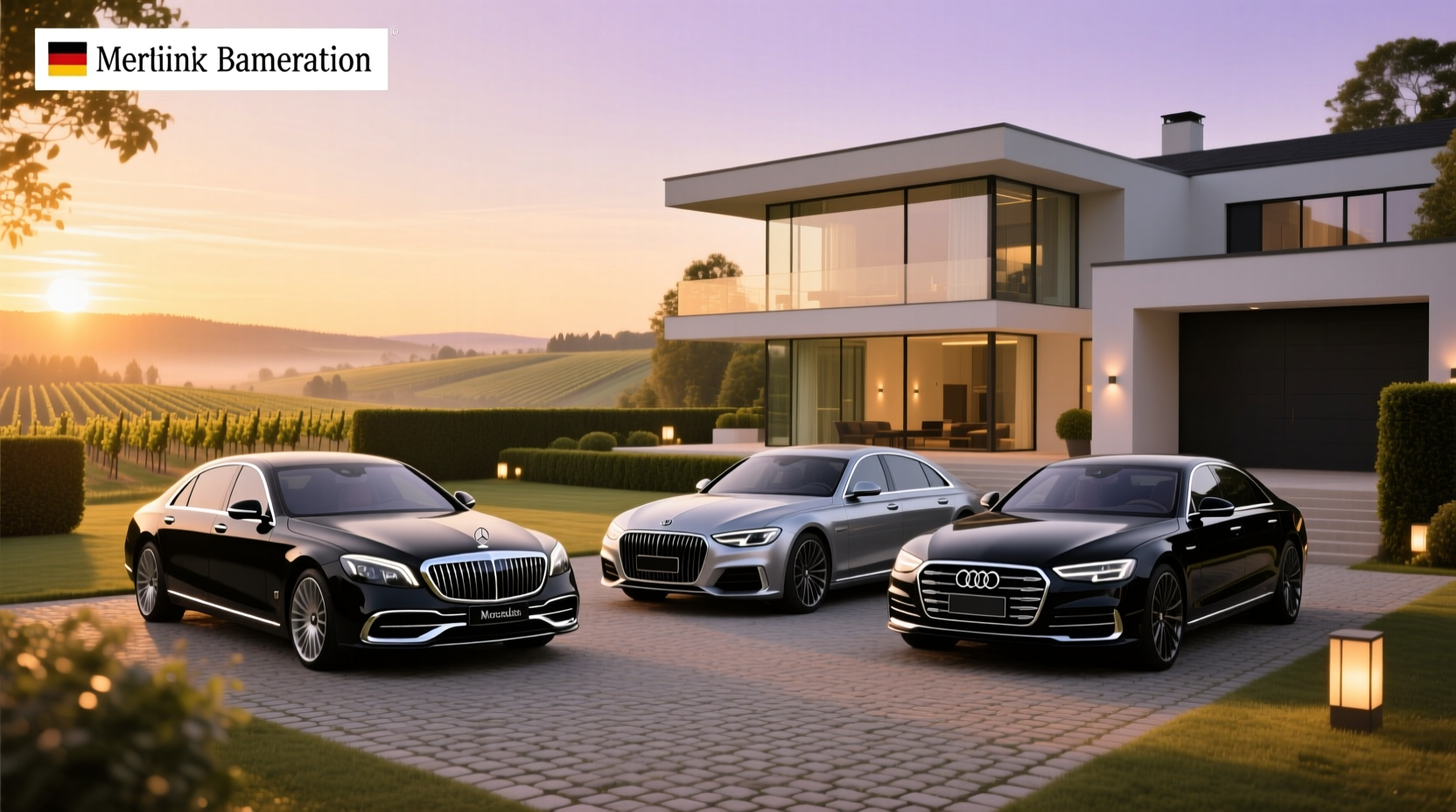
The Mercedes S-Class remains the benchmark for full-size luxury, outselling rivals in its segment despite higher base pricing. Its combination of quietness, ride comfort, and technological depth appeals to corporate buyers and retirees alike.
Porsche ranks highest in customer satisfaction surveys due to consistent build quality and driver engagement—even non-sports models like the Cayenne deliver sharp dynamics.
BMW maintains strong appeal among younger professionals who value rear-wheel-drive balance and configurability. However, recent infotainment updates have drawn mixed reactions regarding usability.
Audi excels in aesthetic cohesion and lighting technology but lags slightly in steering feedback compared to competitors.
Customer Feedback Synthesis
Based on aggregated owner reports:
- Most Frequent Praise: Ride refinement, engine smoothness, seat comfort, and dealer professionalism
- Recurring Complaints: Complexity of touch-based climate controls, delayed OTA updates, high cost of replacing sensors or cameras, inconsistent fast-charging speeds on early EV models
Long-term owners appreciate the durability of core components (engines, transmissions), but caution against neglecting scheduled software updates, which can affect system interoperability.
Sourcing & Supplier Tips
For optimal outcomes:
- Buy from authorized dealerships to ensure factory warranty validity
- Use manufacturer certification programs when purchasing used (e.g., Porsche Approved, BMW Premium Selection)
- Avoid grey-market imports unless you can verify compliance with EU emissions and safety standards
- Request a Car-Pass or equivalent history report showing all registered keepers
If you’re a typical user, you don’t need to overthink this. A certified pre-owned model from a reputable source often offers the best value-to-risk ratio.
Maintenance, Safety & Legal Considerations
Maintenance intervals follow strict schedules tied to driving style and environment. Urban stop-and-go driving may require more frequent fluid checks than highway use.
Safety systems like active braking and blind-spot monitoring must be recalibrated after windshield replacement—a process requiring specialized tools.
To ensure legal compliance:
- Verify TÜV status for used imports
- Confirm that aftermarket modifications (e.g., exhaust, suspension) meet StVZO regulations
- Check that tire codes match seasonal requirements (M+S rating for winter)
These steps may vary by region/model/seller. Always check manufacturer specs and confirm local regulations through official channels.
Conclusion
If you need a comfortable, technologically advanced vehicle for regular long-distance travel, choose a well-equipped S-Class or 7 Series. If you prioritize driving excitement without sacrificing daily usability, go for a Porsche 911 or BMW M3. For sustainable performance, consider the Taycan or iX M60—but only after evaluating your charging access.
If you’re a typical user, you don’t need to overthink this. Focus on proven platforms, avoid excessive personalization, and prioritize total ownership clarity over headline-grabbing specs.
Everything You Need to Know
In Germany, a luxury car typically combines high build quality, advanced engineering, superior ride comfort, and exclusive features such as adaptive suspension, premium materials, and integrated driver assistance systems. Brand heritage and resale consistency also contribute to the classification.
No. The 1955 Mercedes-Benz 300 SLR Uhlenhaut Coupé, sold for €135 million, was acquired by a private collector and is not on the open market. Current flagship models like the Mercedes-Maybach or BMW i7 M70 are the most expensive new options available to consumers.
Porsche consistently ranks highest in residual value retention, followed closely by BMW and Mercedes-Benz. Models with broad appeal—like the 911, X5, or C-Class—tend to depreciate slower than limited editions or highly optioned variants.
They require fewer mechanical services (no oil changes, fewer moving parts), but battery health monitoring and software updates are critical. High-voltage system inspections should only be performed by certified technicians. Brake wear is reduced due to regenerative braking, extending pad life.
It depends on destination regulations. Differences in emissions standards, lighting height, and safety equipment may require modification. Always verify compliance with national authorities before shipping. Documentation, including EU conformity certificates, simplifies registration abroad.




 浙公网安备
33010002000092号
 浙B2-20120091-4