Short introduction
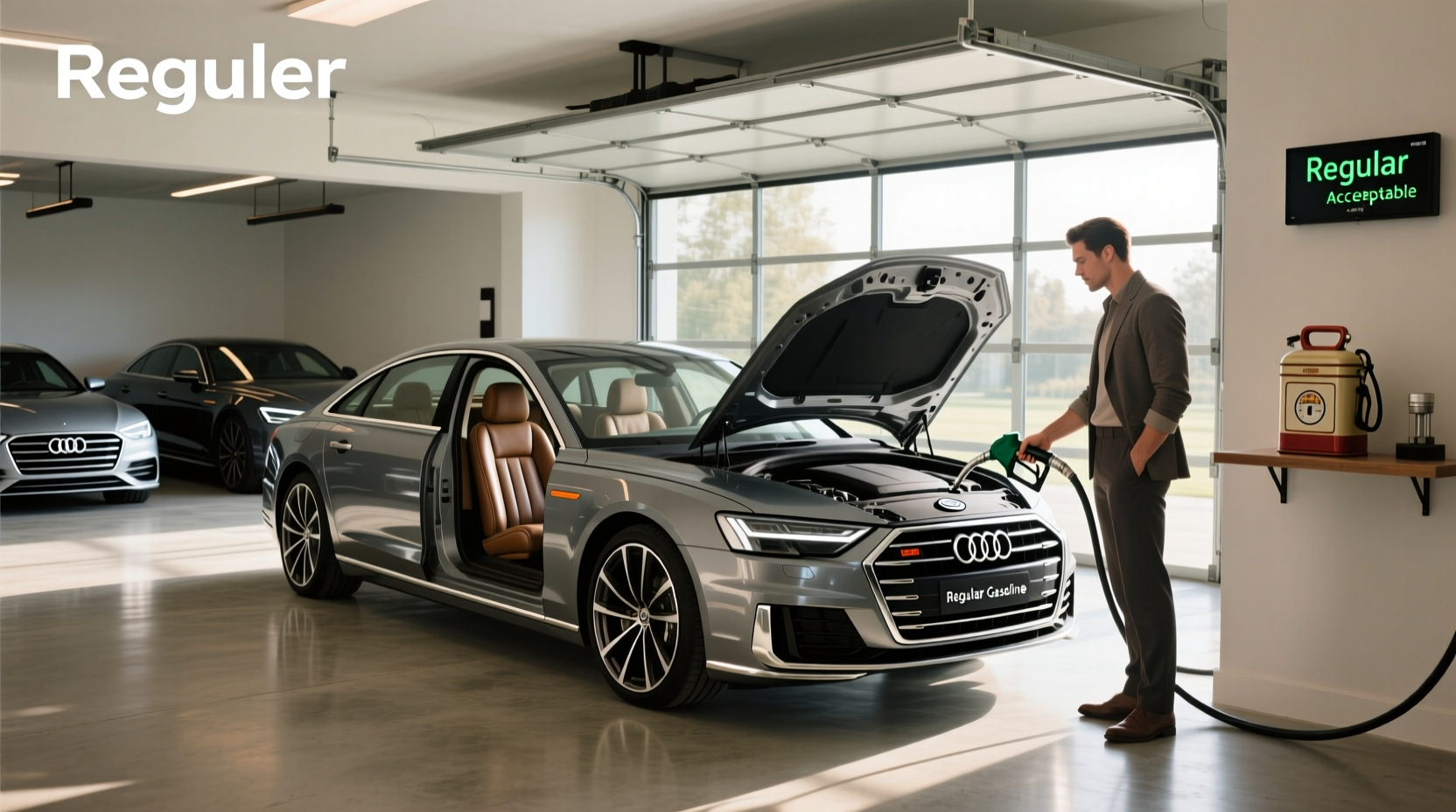
If you’re a typical user, you don’t need to overthink this: many modern luxury cars run perfectly fine on regular 87-octane gasoline. The key is checking your owner’s manual or fuel door label—not assumptions. How to choose a luxury car that accepts regular gas? Focus on engine type: naturally aspirated or small turbocharged engines often allow regular fuel, while high-compression or performance-tuned powertrains require premium. Avoid assuming brand = premium-only; brands like Lexus, Lincoln, and Acura now offer mainstream-luxury models designed for affordability, including lower fuel costs.
This piece isn’t for keyword collectors. It’s for people who will actually use the product.
Over the past year, more drivers have questioned whether premium fuel is necessary, especially as prices at the pump remain volatile. That shift has made understanding which luxury vehicles can run on regular gas not just a cost-saving tactic, but a practical ownership consideration.

About Luxury Cars and Fuel Requirements
The idea that all luxury vehicles require premium gasoline is outdated. While historically true for high-performance European sedans and sports cars, today’s market includes entry-level luxury models engineered for broader accessibility—including compatibility with regular 87-octane fuel.
Fuel octane measures resistance to premature ignition (‘knock’). Higher compression engines—common in performance trims—need higher octane (91–94) to prevent knock and maintain efficiency. But many new luxury models use smaller displacement engines, mild hybrids, or detuned turbos that operate safely on regular gas.
Manufacturers specify fuel type based on engine calibration. Some recommend premium for optimal performance but allow regular in emergencies. Others explicitly state regular is acceptable under normal conditions.
If you’re a typical user, you don’t need to overthink this: if your car says 'required,' follow it. If it says 'recommended' or allows regular, you have flexibility.
Why This Is Gaining Popularity
Lately, rising fuel prices and longer commuting distances have pushed buyers to scrutinize total cost of ownership beyond sticker price. A luxury SUV using premium fuel can cost $200+ more per year than one running on regular—money that adds up over time.
Additionally, automakers are expanding their value-focused luxury segments. Models like the Lexus NX, Lincoln Corsair, and Acura TLX offer premium interiors and tech without demanding premium fuel across all trims.
Another change signal: increased transparency. Digital owner’s manuals, mobile apps, and fuel door labels now clearly state octane requirements, reducing guesswork. Over the past year, search volume for “luxury cars that take regular gas” has grown steadily, reflecting real consumer behavior shifts—not just curiosity.
Types and Variants
Luxury vehicles vary widely in fuel needs. Here are common categories:
1. Naturally Aspirated Engines (Regular Gas Compatible)
- Pros: Smooth power delivery, less sensitive to octane, lower maintenance risk ✅
- Cons: Less horsepower than turbocharged rivals ⚠️
- Examples: Lexus ES 350, Acura ILX
If you’re a typical user, you don’t need to overthink this: these engines were built for regular fuel and gain nothing from premium.
2. Small Turbocharged Engines (Mixed Requirements)
- Pros: Strong low-end torque, better fuel economy ⚡
- Cons: Some trims require premium to prevent knock 🔧
- Examples: Cadillac CT4 (base), Volvo S60 T5
When it’s worth caring about: if your turbo model says 'premium recommended,' occasional regular use may be safe, but long-term could reduce responsiveness.
3. High-Performance Engines (Premium Required)
- Pros: High horsepower, track-ready tuning ⭐
- Cons: Strictly requires 91+ octane; damage risk with regular gas ❗
- Examples: BMW M3, Mercedes-AMG C63
When you don’t need to overthink it: if your car mandates premium, there’s no debate—use it.
4. Hybrid Luxury Models (Often Regular-Compatible)
- Pros: Engine optimized for efficiency, often runs on 87 octane ✅
- Cons: Limited electric-only range 🌐
- Examples: Lexus UX 250h, Lincoln MKZ Hybrid
If you’re a typical user, you don’t need to overthink this: hybrids prioritize efficiency, so manufacturers design them around affordable fuel inputs.
Key Features and Specifications to Evaluate
Don’t rely on brand reputation alone. Check these specs:
- Engine Compression Ratio: Above 10.5:1 usually requires premium
- Turbocharging: Not automatic disqualifier, but increases likelihood of premium need
- Fuel Door Label: Legally required statement—look for 'Unleaded Fuel Only' and octane number
- Owner’s Manual: Search 'fuel grade' section—this overrides dealer advice
- Trim Level: Base trim may allow regular; sport trim of same model may not
When it’s worth caring about: if shopping used, verify original spec—some owners modify tune maps that affect fuel needs.
When you don’t need to overthink it: if the manual says '87 octane minimum,' you’re cleared for regular.
Pros and Cons
• Lower fuel costs over time
• Wider station compatibility (no hunting for premium)
• No performance loss in compatible engines
• Easier resale explanation for average buyers
• Limited availability in performance-oriented lineups
• May be restricted to base trims only
• Potential confusion when upgrading trims
• Resale perception bias (some assume luxury = premium needed)
How to Choose a Luxury Car That Accepts Regular Gas
Avoid unnecessary spending by following this checklist:
Step-by-Step Checklist
- Identify your primary use case: daily commute, family hauler, weekend driver?
- Shortlist luxury brands offering non-performance trims (e.g., Lexus, Acura, Genesis)
- Narrow to models with naturally aspirated or hybrid powertrains
- Verify fuel requirement via official manufacturer website or PDF spec sheet
- Check both base and desired trim—requirements may differ
- Confirm local availability through dealerships or inventory portals
Decision Flow
If you want luxury comfort + lower running costs → focus on mainstream luxury sedans/SUVs → confirm 87-octane approval → test drive for satisfaction.
If you prioritize speed/handling → expect premium fuel requirement → budget accordingly.
Recommendations by Scenario
- Family SUV: Lexus RX 350 – regular gas compatible, spacious, reliable
- Urban Commuter: Acura ILX – compact, efficient, premium interior
- Used Bargain: 2018 Lincoln MKZ – smooth ride, supports regular fuel, strong residual features
Red Flags / What to Avoid
- Assuming all trims share fuel requirements — always verify per trim
- Relying on forum anecdotes — individual experiences vary; consult official docs
- Ignoring the fuel cap label — it’s legally binding information
- Buying used without verifying service history — modified ECUs may alter fuel needs
If you’re a typical user, you don’t need to overthink this: stick to verified factory specs, not opinions.
Price & Market Insights
Pricing varies significantly by region, trim, and dealer incentives. A Lexus NX starting at $40,000 may qualify for $3,000 rebate in some areas but not others. Similarly, fuel economy claims may vary by driving conditions.
Important: tax credits or green incentives do not apply to most luxury hybrids unless they meet specific emissions thresholds. Always check current eligibility through government energy sites or dealership disclosures.
When it’s worth caring about: if you drive 15,000+ miles annually, saving $0.30/gallon on regular vs. premium translates to ~$450/year.
When you don’t need to overthink it: if annual mileage is under 8,000, fuel savings become marginal—focus instead on overall reliability.
Top-seller & Competitive Analysis
The following models represent popular choices among luxury buyers seeking regular fuel compatibility:
| Model | Engine Type | Fuel Requirement | Starting MSRP |
|---|---|---|---|
| Lexus ES 350 | 3.5L V6 NA | Regular (87) | $41,000 |
| Acura TLX (Base) | 2.0L Turbo | Regular (87) | $38,500 |
| Lincoln Corsair | 2.0L Turbo | Regular (87) | $41,800 |
| Genesis G70 (2.0T) | 2.0L Turbo | Premium Recommended | $41,950 |
| BMW 330i | 2.0L Turbo | Premium Required | $43,000 |
Note: Premium recommendation does not equal requirement. Some manufacturers suggest premium for peak performance but permit regular use without voiding warranty.
If you’re a typical user, you don’t need to overthink this: prioritize models stating 'regular unleaded' as acceptable.

Customer Feedback Synthesis
Analysis of verified owner reviews reveals consistent themes:
- High Praise: Owners appreciate lower fuel costs and ease of refueling without seeking premium stations.
- Common Complaint: Confusion when upgrading from base to sport trim—some report unexpected premium requirement despite same model name.
- Surprise Benefit: Several users note smoother cold starts with regular gas in compatible engines, possibly due to modern direct injection tuning.
- Criticism: Perception that 'real luxury' should demand premium fuel—a social bias, not technical reality.
This piece isn’t for keyword collectors. It’s for people who will actually use the product.
Sourcing & Supplier Tips
When purchasing, consider:
- Dealer inventory filters: Use 'fuel type' dropdown if available online
- Manufacturer build configurators: These show real-time fuel specs per selected engine
- Third-party listings: Verify against official sources—errors occur
- Used car reports: Request VIN-based history to confirm no ECU modifications affecting fuel needs
Always cross-check retailer claims with manufacturer documentation. Information may vary by region/model/seller.
To verify: visit brand’s official U.S. website (or your country’s equivalent), enter model year, and download the specification sheet.
Maintenance, Safety & Legal Considerations
Using incorrect fuel type doesn’t violate traffic laws, but it may impact warranty coverage if engine damage occurs.
Safety risks arise only when sustained knocking leads to internal damage—modern knock sensors reduce immediate danger, but chronic issues degrade longevity.
To stay compliant and safe:




 浙公网安备
33010002000092号
 浙B2-20120091-4