
Short introduction
If you’re organizing a funeral and considering luxury vehicles, here’s what to look for in a funeral car: prioritize dignity, reliability, and appropriate capacity. Over the past year, more families have opted for modern luxury hearses based on Mercedes or Cadillac platforms, or dual-purpose hearse-limos like the V-Class, which combine casket transport with passenger seating. For most users, a traditional hearse paired with a separate limousine is sufficient. If you’re a typical user, you don’t need to overthink this. Avoid overly customized builds unless honoring a specific legacy—complex modifications may vary by region/model/seller and can delay service logistics.
Recently, there’s been a quiet shift toward personalized tributes, making vehicle choice more emotionally resonant. But function still outweighs form: ensure the vehicle has smooth loading mechanisms, climate control, and professional presentation. This piece isn’t for keyword collectors. It’s for people who will actually use the product.
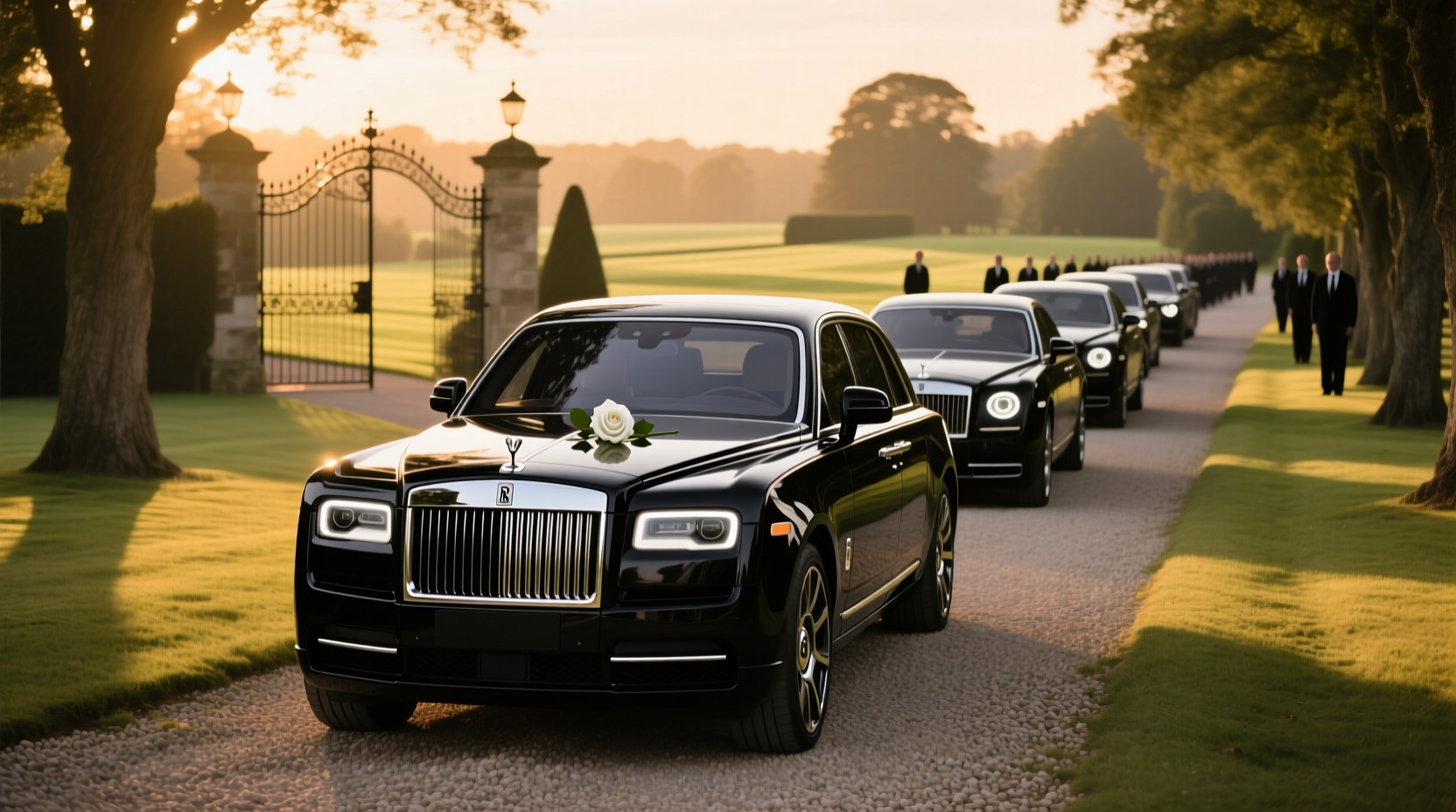
About Luxury Funeral Cars
A luxury funeral car typically refers to a high-end hearse (also called a funeral coach) or a premium limousine used during memorial processions. These vehicles serve two primary roles: transporting the casket and conveying immediate family or pallbearers. While traditionally associated with long, black sedans, today’s options include SUV-based hearses, van conversions, and even motorcycle combinations.
The term “luxury” here doesn’t just mean brand prestige—it reflects build quality, interior comfort, ease of access, and attention to detail. Common base models come from Cadillac, Lincoln, Mercedes-Benz, and occasionally Bentley or Jaguar. Most are professionally converted by specialty manufacturers to meet functional requirements while maintaining aesthetic elegance.
It’s important to distinguish between a hearse and a funeral limousine. The former carries the casket in a sealed, climate-controlled compartment, usually behind glass. The latter transports mourners, offering privacy and seating for up to seven passengers. Some newer designs merge both functions into one unit, such as the Mercedes V-Class hearse-limo hybrid 1.
Why Luxury Funeral Cars Are Gaining Popularity
Lately, families have placed greater emphasis on meaningful, individualized services. A person’s life story increasingly influences how their farewell is structured—including vehicle selection. This trend has elevated demand for vehicles that reflect personal taste, profession, or passions.
For example, someone who loved classic cars might be honored with a vintage Rolls-Royce hearse, while another may prefer a sleek, modern Mercedes-Benz conversion. In urban areas, where space and traffic affect procession flow, compact yet dignified options like modified SUVs or vans are gaining traction.
Additionally, transparency in funeral planning has improved. More consumers research options online before making decisions, leading to informed choices rather than defaulting to standard offerings. If you’re a typical user, you don’t need to overthink this—but knowing your options helps avoid last-minute compromises.
Types and Variants
1. Traditional Hearses
Built on stretched versions of luxury sedans (often Cadillac or Lincoln), these remain the most recognizable type. They feature a raised glass compartment at the rear for the casket, allowing visibility while protecting from weather.
- Pros: Dignified appearance, widely available, reliable performance
- Cons: Limited passenger space, less maneuverable in tight spaces
2. Limousines (Funeral Cars)
Used to transport family members and close friends, these are distinct from hearses. Typically seating 6–7 people, they offer leather interiors, tinted windows, and subdued lighting.
- Pros: Comfortable for mourners, consistent availability
- Cons: Do not carry caskets; must coordinate with hearse arrival
3. Hearse-Limousine Combos
Vehicles like the Mercedes V-Class are modified to carry both a casket and passengers. These are especially useful for smaller services or remote locations where minimizing fleet size matters.
- Pros: Space-efficient, versatile, modern amenities
- Cons: Less formal than traditional hearses, limited availability in some regions
4. Specialty Vehicles
Includes motorcycle hearses with sidecars, horse-drawn carriages, vintage automobiles, or custom-built units. These are chosen for symbolic reasons.
- Pros: Highly personal, emotionally impactful
- Cons: Weather-dependent, logistical complexity, higher cost
5. SUV & Van-Based Hearses
Adapted from large SUVs or passenger vans, these provide better ground clearance and easier loading. Popular in rural or uneven terrain areas.
- Pros: Practical, accessible, stable ride
- Cons: Less traditional appearance, may not suit formal urban settings
When you don’t need to overthink it: For standard ceremonies, a conventional hearse and limo combo remains appropriate and widely accepted.
Key Features and Specifications to Evaluate
Not all luxury funeral cars are equal. Focus on these functional elements:
- Casket Compartment: Should have rollers or hydraulic lifts for smooth loading. Glass panels must be scratch-resistant and seal tightly.
- Climate Control: Essential for preserving floral arrangements and ensuring comfort during delays.
- Interior Quality: Leather upholstery, dimmable ambient lighting, and noise insulation contribute to a respectful atmosphere.
- Vehicle Dimensions: Confirm clearance for cemetery gates, church entrances, and narrow roads—especially with extended chassis models.
- Customization Options: Name plaques, LED accent lighting, or themed paint jobs can personalize the tribute but may extend delivery time.
If you’re a typical user, you don’t need to overthink this. Prioritize operational reliability over cosmetic details unless symbolism is central to the service.
When you don’t need to overthink it: Standard black finish with chrome accents works universally and avoids scheduling risks.
Pros and Cons
- Pros:
- Promotes dignity and respect during procession
- Offers comfort and privacy for grieving families
- Available in diverse styles to match cultural or personal values
- Professional operators ensure punctuality and decorum
- Cons:
- Luxury models can significantly increase service costs
- Specialty vehicles may require advance booking (6+ months)
- Some designs face limitations in certain weather or terrain conditions
- Custom builds may not be refundable or transferable
How to Choose a Luxury Funeral Car
This guide walks through practical steps to make a confident decision without emotional overload.
Step-by-Step Checklist
- Determine the number of attendees needing transport
- Decide whether casket visibility is desired
- Select vehicle style based on formality level
- Verify compatibility with venue access points
- Request a site visit or photo of the actual vehicle
- Confirm driver experience and punctuality record
- Review cancellation and rescheduling policy
Decision Flow
- Is the service formal and traditional? → Choose a classic Cadillac or Lincoln hearse with matching limousine.
- Are you honoring a unique personality? → Explore specialty vehicles (motorcycle, vintage, etc.).
- Is simplicity preferred? → Opt for a standard black sedan hearse and 6-passenger limo.
- Are distances long or terrain challenging? → Consider an SUV- or van-based model.
Recommendations by Scenario
- Urban chapel + crematorium: Traditional hearse + limo; easy coordination and wide support network.
- Rural burial site: SUV-based hearse with off-road capability.
- Personalized tribute: Custom-built or themed vehicle (e.g., motorcycle sidecar).
- Small family gathering: Hearse-limo combo reduces fleet needs.
Red Flags / What to Avoid
- Unmarked or poorly maintained vehicles — indicates lack of professionalism.
- No written contract or pricing breakdown — risk of hidden fees.
- Refusal to show the actual vehicle — could mean substitution on event day.
- Overly aggressive upselling — focus should be on service, not sales.
If you’re a typical user, you don’t need to overthink this. Stick with reputable providers and standardized options unless a meaningful reason exists to deviate.
Price & Market Insights
Pricing varies significantly by region, provider, vehicle type, and duration of use. There is no universal rate. Traditional hearses typically cost more than limousines, and specialty vehicles command premiums due to low production volume.
Rental periods usually range from 2 to 4 hours, with additional hourly charges beyond that. In major cities, expect higher rates due to operating costs. Rural providers may charge extra for travel.
Always confirm what’s included: fuel, driver fee, floral setup, waiting time, and cleaning. These may vary by region/model/seller. To verify fairness, compare quotes from at least three licensed funeral transport providers.
| Vehicle Type | Avg. Hourly Rate (Est.) | Capacity | Availability |
|---|---|---|---|
| Traditional Hearse (Cadillac/Lincoln) | $150–$250 | Casket only | Widespread |
| Luxury Limousine (6–7 passenger) | $120–$200 | 6–7 people | Widespread |
| Hearse-Limo Combo (e.g., Mercedes V-Class) | $180–$300 | Casket + 4–6 passengers | Limited |
| Motorcycle Hearse | $200–$400 | Casket only | Niche |
| Horse-Drawn Carriage | $250–$500 | Casket only | Seasonal/Regional |
Note: All prices may vary by region/model/seller. Always request a detailed quote.
Top-Seller & Competitive Analysis
No single brand dominates the global luxury funeral vehicle market, but several platforms stand out due to reliability and conversion support.
| Base Vehicle | Common Use | Conversion Availability | Key Advantage |
|---|---|---|---|
| Cadillac XTS | Traditional hearse | High | Long-standing industry standard; smooth ride |
| Lincoln Town Car | Hearse & limousine | Moderate | Proven durability; wide parts availability |
| Mercedes-Benz V-Class | Hearse-limo combo | Growing | Modern tech, premium interior, compact footprint |
| Ford Transit | Van-based hearse | Increasing | Cost-effective, adaptable design |
| Harley-Davidson with Sidecar | Motorcycle hearse | Niche | Symbolic appeal for riders’ funerals |
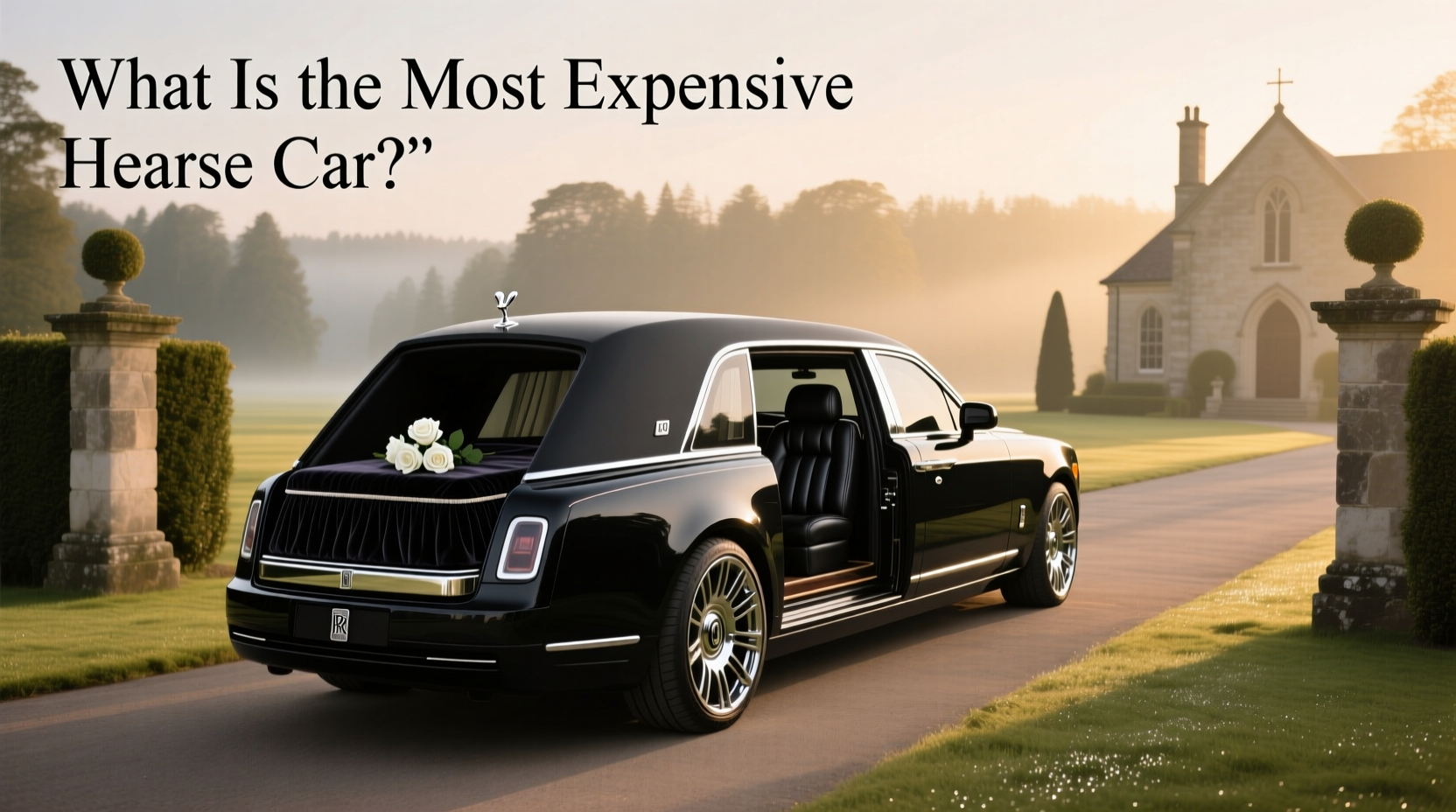
While Cadillac remains a top choice in North America, European markets see rising adoption of Mercedes and Volkswagen-based solutions. Conversion companies like Coach West specialize in transforming luxury vans into dual-function units 2. However, availability depends heavily on local funeral homes and import regulations.
Customer Feedback Synthesis
Based on public testimonials and service reviews:
- Most Frequent Praise: Professional drivers, punctuality, vehicle cleanliness, and dignified presentation.
- Common Complaints: Last-minute vehicle substitutions, unclear pricing, difficulty accessing casket compartments, and inflexible cancellation policies.
- Emotional Impact: Families consistently note that a well-maintained, appropriate vehicle contributes to a sense of closure and respect.
One recurring insight: customers value transparency more than opulence. Knowing exactly what to expect reduces stress during an already difficult time.
Sourcing & Supplier Tips
Work directly with licensed funeral homes or certified transport providers. Avoid third-party rental platforms unless they partner with established mortuaries.
Ask these questions before booking:
- Can I see photos of the exact vehicle assigned?
- Who performs maintenance and inspections?
- What happens if the vehicle breaks down en route?
- Do you offer backup units?
If you’re a typical user, you don’t need to overthink this. Established funeral directors typically source from trusted fleets—leverage their network instead of going direct unless you have a specific vision.
Maintenance, Safety & Legal Considerations
All funeral vehicles must meet local transportation safety standards. While exact regulations may vary by region/model/seller, common requirements include working lights, secure casket restraints, and valid insurance.
Maintenance is usually handled by the provider, but you can verify:
- Last service date
- Tire condition and tread depth
- Functionality of loading mechanisms
- Cleanliness of interior and viewing area
To ensure compliance, check with your funeral director or confirm the operator holds commercial vehicle licensing. You don’t need to inspect every detail yourself—just confirm accountability.
Conclusion
If you need a formal, widely recognized option, choose a traditional Cadillac or Lincoln hearse with a matching limousine. If you’re prioritizing practicality and modern features, consider a Mercedes V-Class combo. If you’re honoring a distinctive life, explore specialty builds—but book early and confirm logistics thoroughly. If you’re a typical user, you don’t need to overthink this. Focus on reliability, clarity, and respect over spectacle.
Everything You Need to Know
❓ What kind of car is used for funerals?
The most common funeral cars are traditional hearses—typically built on Cadillac or Lincoln sedans—with a glass-enclosed compartment for the casket. Limousines accompany them to carry family members. Increasingly, vehicles like the Mercedes V-Class serve dual roles, transporting both the casket and passengers.
❓ Can any car be used as a hearse?
Technically, yes—but only professionally converted vehicles meet safety and dignity standards. Conversions require structural reinforcement, proper casket securing systems, and climate control. Using unmodified personal vehicles is discouraged and may violate local transport guidelines.
❓ How much does a luxury funeral car cost to rent?
Rental costs vary by location, vehicle type, and duration. Traditional hearses typically range from $150–$250 per hour, while specialty vehicles like motorcycle hearses or horse-drawn carriages can exceed $400. Always request a full quote including driver fees, fuel, and waiting time, as prices may vary by region/model/seller.
❓ Are luxury funeral cars only for wealthy individuals?
No. "Luxury" in this context refers to build quality and presentation, not exclusivity. Many standard funeral packages include a basic hearse and limo. Upgrades are optional and chosen based on preference, not financial status. If you’re a typical user, you don’t need to overthink this—standard options convey dignity equally well.
❓ What should I check before booking a funeral vehicle?
Verify the exact model, condition, and availability of the vehicle. Ensure the provider offers a written agreement, includes the driver in the price, and has contingency plans for breakdowns. Ask about cancellation terms and whether substitutions are allowed. When in doubt, consult your funeral director for vetted recommendations.




 浙公网安备
33010002000092号
 浙B2-20120091-4