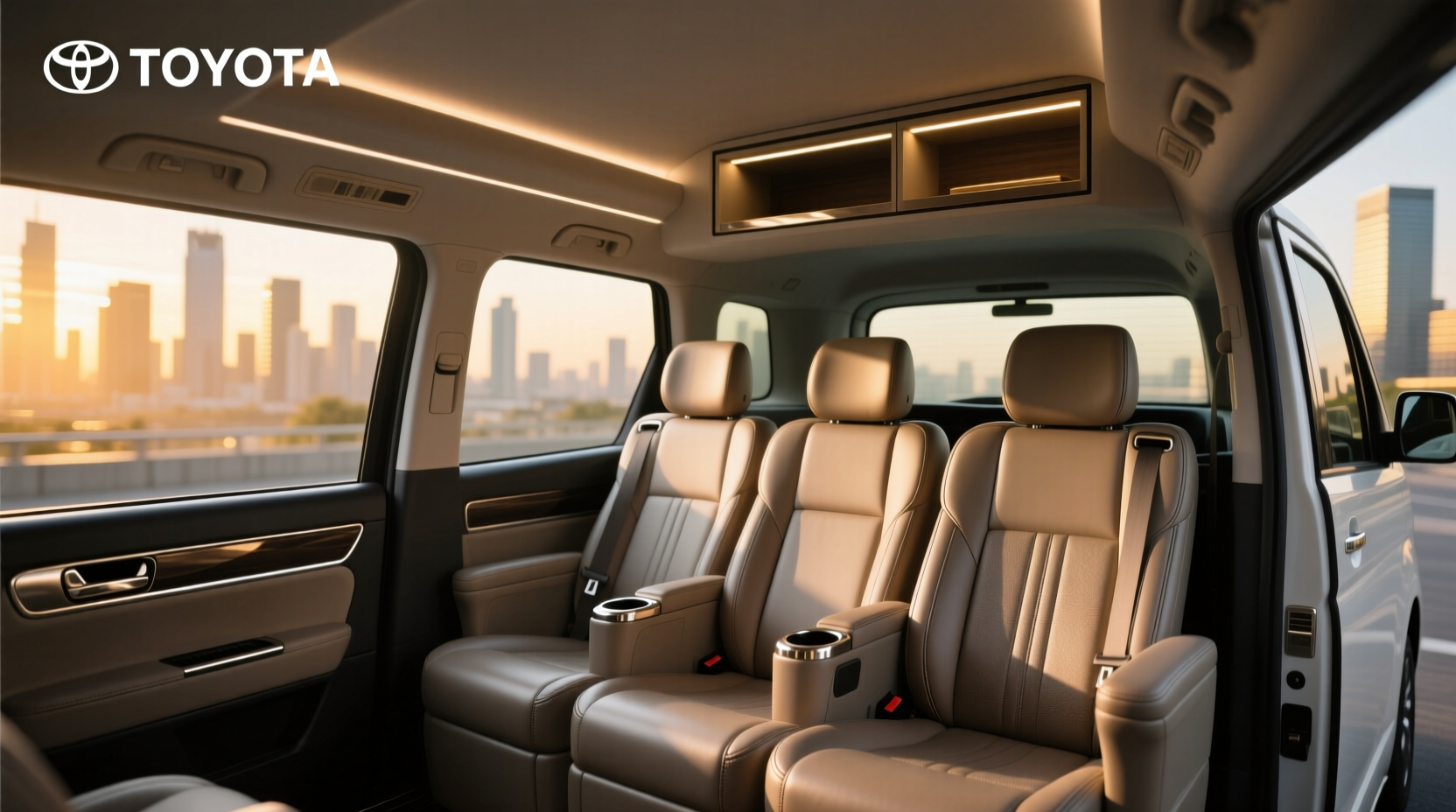
If you're asking how to choose luxury seat hiace, is the Toyota HiAce 12 seater?, the answer depends on your use case. Yes, the Toyota HiAce can be configured as a 12-seater, typically with 2 front seats and 10 rear seats, making it ideal for group transport needs such as family travel, shuttle services, or school trips 1. However, standard seating is utilitarian. For enhanced comfort, many buyers opt for luxury seat upgrades—aftermarket or conversion-based installations featuring leather upholstery, power adjustments, heating, massage functions, and USB charging 2. When evaluating options, prioritize verified fitment for your HiAce model (e.g., Commuter, GL, Granvia), confirm structural compatibility for electrical systems, and avoid uncertified modifications that may impact safety or resale value.
📍 About luxury seat hiace, Is the Toyota HiAce 12 seater?
The Toyota HiAce is a globally recognized light commercial van known for durability, versatility, and high passenger capacity. The question “Is the Toyota HiAce 12 seater?” has a clear answer: yes, certain variants like the HiAce GL (Grand Luxury) and some configurations of the HiAce Commuter support up to 12 passengers 3. These are commonly used in corporate shuttles, executive transfers, religious group transport, and tourism operations.
A "luxury seat Hiace" refers not to a factory trim but to a customized version where standard bench or captain seats are replaced with premium aftermarket seating. These conversions transform the interior into a VIP-class experience, often seen in airport limousine services, wedding charters, or private fleet vehicles. Key applications include:
- Fleet Operators: Seeking differentiation through comfort and branding.
- Family Owners: Needing space for large families with improved ride quality.
- Conversion Companies: Offering turnkey luxury van packages.
✨ Why luxury seat hiace, Is the Toyota HiAce 12 seater? is gaining popularity
Demand for 12-seater HiAce models equipped with luxury seating is rising due to evolving consumer expectations and operational efficiency needs. Unlike traditional minibuses with rigid benches, upgraded HiAce vans offer individual reclining seats, climate control access, and modern tech integration—bridging the gap between utility and comfort.
Trends driving adoption include:
- Rise of Premium Shuttle Services: Ride-hailing and niche transport providers differentiate via comfort.
- Increased Focus on Passenger Experience: Travelers expect airline-like amenities even in ground transport.
- Cost-Effectiveness vs. Larger Buses: A 12-seater HiAce offers lower fuel consumption and easier maneuverability than full-sized buses.
- Custom Branding Opportunities: Businesses personalize interiors with logos, ambient lighting, and color schemes.
🔧 Types and variants
Understanding the different types helps clarify what’s possible when answering “is the Toyota HiAce 12 seater?” and how luxury upgrades apply.
1. Factory Models by Seating Capacity
| Model | Max Passengers | Best Use Case |
|---|---|---|
| HiAce Commuter | 15 | Schools, guided tours, mass transit |
| HiAce GL / Granvia | 8–12 | Executive shuttles, VIP transport |
| HiAce Super Grandia | 9 | Family trips, small group travel |
| HiAce Cargo | 2–3 | Freight, delivery |
Pros: OEM reliability, warranty coverage, crash-tested configurations.
Cons: Limited comfort in base trims; higher passenger counts mean less legroom.
2. Aftermarket Luxury Seat Conversions
These involve replacing stock seats with third-party luxury units. Common setups:
- VIP Configuration (4–6 passengers): Features swivel captain chairs, tables, entertainment systems.
- Luxury 12-Seater Layout: Retains high capacity with upgraded individual seats instead of benches.
- Hybrid Cargo-Passenger: Rear rows removed for storage, front upgraded for crew comfort.
Pros: High customization, premium materials, added functionality (massage, heating).
Cons: Installation complexity, potential voiding of warranty, variable build quality.
⚙️ Key features and specifications to evaluate
When exploring what to look for in luxury seat hiace, is the Toyota HiAce 12 seater?, assess these technical and experiential factors:
- ✅ Seat Material: Full-grain leather offers durability and elegance; synthetic alternatives reduce cost.
- ⚡ Power Functions: Electric recline, footrests, and lumbar support enhance usability.
- 🌐 Connectivity: Built-in USB ports, wireless charging, and smart tables improve convenience.
- 🎨 Customization: Color matching, embroidery, and logo integration support brand identity.
- 📌 Fitment Compatibility: Confirm seat rails and mounting points align with your HiAce generation (e.g., 2019+).
- 🔋 Electrical System Load: Multiple powered seats require robust alternators and battery management.
- 🧼 Cleanability & Maintenance: Stain-resistant coatings and removable covers simplify upkeep.
📋 Pros and cons
Advantages
- High passenger capacity with improved comfort
- Potential increase in perceived service value
- Long-term durability of Toyota platform
- Global parts availability and service network
Limits and Drawbacks
- Aftermarket seats may not meet OEM safety standards
- Reduced cargo space in full-passenger layouts
- Higher upfront cost for full conversion ($3,000–$10,000 depending on scope)
- Resale complications if modifications aren’t documented or reversible
🔍 How to choose luxury seat hiace, Is the Toyota HiAce 12 seater?
Follow this step-by-step guide when considering a purchase or upgrade:
- Determine Your Primary Use Case: Will it serve families, tourists, executives, or mixed groups?
- Select Base Model First: Choose a HiAce variant that natively supports 12 seats (e.g., GL or Commuter) before upgrading.
- Verify Conversion Feasibility: Consult a certified installer to assess electrical load, weight limits, and anchoring requirements.
- Evaluate Seat Specifications: Prioritize ergonomic design, material quality, and functional features aligned with passenger needs.
- Review Supplier Reputation: Look for companies with proven track records, customer reviews, and warranty offerings.
- Inspect Installed Examples: Visit showrooms or request photo/video evidence of completed projects.
- Confirm Legal Compliance: Ensure all modifications comply with local vehicle regulations regarding seat belts, anchor points, and fire safety.
🚩 Red Flags to Avoid
- Unverified sellers without physical locations or contact details
- Seats lacking proper certification (e.g., ECE R17, DOT)
- Installations that block emergency exits or obstruct seat belt paths
- Pricing significantly below market average—may indicate substandard materials
- Modifications requiring permanent floor drilling without reinforcement
💰 Price & market insights
Pricing varies widely based on region, supplier, and level of customization:
- Stock 12-Seater HiAce: $35,000–$50,000 USD (varies by market and trim)
- Single Luxury Seat (aftermarket): $800–$2,500 each
- Full Interior Conversion (6–12 seats): $5,000–$15,000+, including labor
Value tiers exist:
- Budget: Synthetic leather, manual adjustment, basic layout
- Mid-Range: Genuine leather, electric recline, USB ports
- Premium: Massage functions, ambient lighting, custom branding, full sound system
Note: Prices may differ significantly across regions like Southeast Asia, Middle East, Africa, and Latin America. Always request itemized quotes and verify included services.
🏆 Top-seller & competitive analysis
Several manufacturers produce popular luxury seats compatible with the Toyota HiAce platform:
| Product | Key Features | Best For |
|---|---|---|
| VIP Captain Luxury Power Auto Seat | Electric footrest, adjustable backrest, leather upholstery | Executive transport, airport pickups |
| Luxurious Back Row Power Car Seats | Massage function, wireless charging, ventilated design | Premium group tours, special events |
| Custom Van Seat (Kench KH0405) | Electronic unlocking, USB charging, modular design | Fleets needing standardized, durable seating |
When comparing models, focus on long-term reliability over flashy features. Read user feedback about motor longevity, fabric wear, and ease of repair.
📊 Customer feedback synthesis
Analysis of buyer experiences reveals recurring themes:
Common Praises
- “Significantly improved passenger comfort during long drives”
- “Clients comment positively on the upscale appearance”
- “Easy to clean and maintain with proper care”
- “Smooth integration with existing HVAC and power systems”
Frequent Complaints
- “Motor failure in footrest mechanisms after 18 months”
- “Leather peeled prematurely under direct sunlight”
- “Installation took longer than promised, causing downtime”
- “Lack of spare parts availability in remote areas”
🏭 Sourcing & supplier tips
Where you source components matters:
- OEM Dealerships: Best for original HiAce models; limited to factory specs.
- Specialty Conversion Shops: Offer end-to-end customization; verify credentials and past work.
- Online Marketplaces (e.g., Alibaba, specialized auto sites): Broad selection but higher risk—request samples, check seller history, and use escrow payments.
- Trade Shows & Industry Networks: Attend mobility or van conversion expos to meet suppliers in person.
For bulk purchases or reselling, negotiate MOQs (Minimum Order Quantities) and inquire about dealer programs. Always conduct pre-shipment inspections if ordering internationally.
🧼 Maintenance, safety & legal considerations
Maintaining a luxury seat HiAce requires attention beyond routine servicing:
- Regular Inspection: Check seat bolts, electrical connections, and harness integrity monthly.
- Cleaning Protocol: Use pH-neutral cleaners for leather; avoid abrasive chemicals.
- Safety Checks: Ensure all seat belts function correctly and anchors remain secure.
- Regulatory Compliance: In many regions, modified vehicles must pass periodic inspections. Confirm whether your conversion requires re-certification or affects insurance classification.
- Documentation: Keep records of installation, component specs, and compliance certificates.
Note: Regulations vary by country. Verify requirements with local transport authorities before registering a converted vehicle.
✅ Conclusion
The Toyota HiAce can indeed be configured as a 12-seater, particularly in the GL and Commuter trims, offering practical high-capacity transport 4. When combined with luxury seat upgrades, it becomes a compelling option for operators seeking comfort and professionalism. However, success depends on careful planning: select the right base model, partner with reputable converters, prioritize safety and compliance, and avoid cutting corners on installation quality. If you need reliable group transport with elevated comfort, a well-executed luxury seat HiAce conversion is a viable solution. If budget or simplicity is paramount, consider keeping the stock configuration or opting for fewer, higher-end seats.
❓ FAQs
Can I install luxury seats in any Toyota HiAce model?
Most HiAce models from 2004 onward can accommodate aftermarket luxury seats, but fitment depends on year, body length, and trim. Always verify compatibility with the seat manufacturer or installer before purchasing.
Does adding luxury seats affect the Toyota HiAce's resale value?
It can increase value if the work is professionally done and appeals to niche buyers, but poorly executed modifications may decrease appeal. Reversible installations with documentation tend to preserve resale potential.
Are luxury seat conversions safe?
They are safe only when seats are properly anchored, certified for automotive use, and do not interfere with safety systems. Use certified installers and avoid DIY unless experienced.
How many passengers can a Toyota HiAce legally carry?
Legally, it depends on certified seating positions and local regulations. While some models support 12–15 passengers, exceeding factory-rated capacity or modifying seating without approval may violate laws.
What is the average cost of a full luxury seat conversion?
A full 12-seat luxury conversion typically ranges from $5,000 to $15,000 USD, including seats and professional installation. Costs vary by region, materials, and feature set.




 浙公网安备
33010002000092号
 浙B2-20120091-4