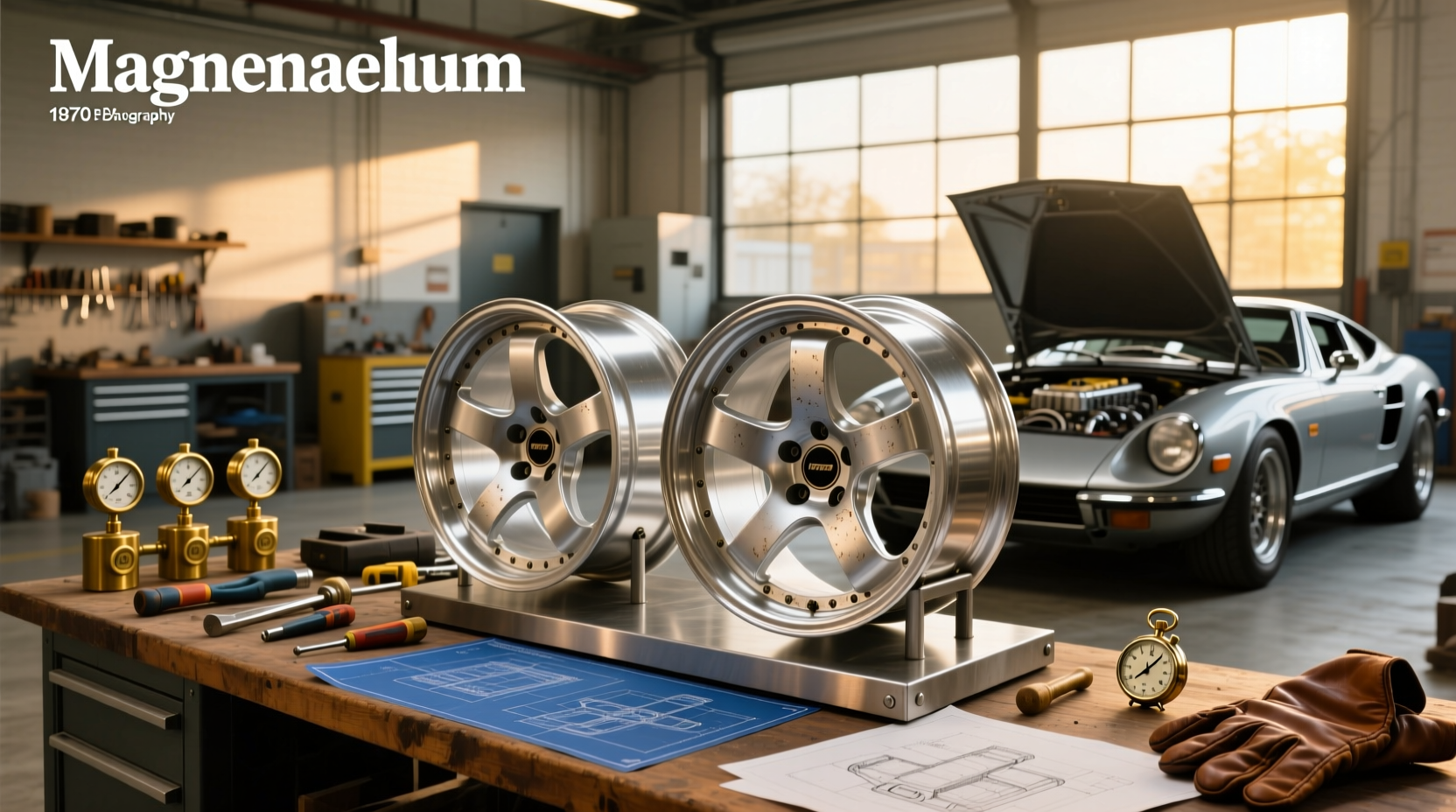
Yes, manufacturers still produce magnesium wheels, but only for niche, high-performance applications such as motorsports, racing, and select military vehicles 🔧. If you're asking how to choose magnesium wheels, it's crucial to understand they are no longer common in consumer automotive markets due to cost, corrosion sensitivity, and availability of advanced aluminum alloys. For most drivers, forged aluminum wheels offer better value and durability. However, if you need the absolute lightest unsprung weight for track performance, magnesium remains unmatched. When evaluating options, focus on alloy composition (AZ80 vs ZK60), certified load ratings, proper surface coatings, and verify compatibility with your vehicle’s hub and braking system. Avoid used or uncertified magnesium wheels—these can pose serious safety risks.
❗ Key Decision Tip: Only consider magnesium wheels if you’re in motorsports or restoring a classic race car. For daily driving or even spirited road use, modern forged aluminum wheels are safer, more durable, and easier to maintain.
About Magnesium Wheels: Are They Still Made?
Magnesium wheels are lightweight alloy wheels made primarily from magnesium, often blended with aluminum and zinc to improve strength and ductility. Historically popular in 1960s–1980s racing, they offered a significant weight advantage over steel and early aluminum wheels 🏎️. The key appeal lies in their exceptional strength-to-weight ratio—magnesium is about 33% lighter than aluminum and 75% lighter than steel at equivalent strength levels.
So, do they still make magnesium wheels? Yes, but in very limited quantities. Production continues mainly for Formula 1, endurance racing (like Le Mans), vintage race car restorations, and some aerospace or defense applications. Companies like BBS, ATS, and Ronal still offer magnesium wheels under special order or through OEM racing divisions 1. These are not sold through typical retail channels and require expert installation and ongoing maintenance.
Why Magnesium Wheels Are Gaining Niche Popularity Again
While magnesium wheels never disappeared entirely, recent interest has resurged among collectors and motorsport enthusiasts restoring classic race cars from the 1970s and 1980s 📈. Lightweighting remains a top priority in performance engineering, and magnesium delivers where every ounce matters. Additionally, advancements in protective coatings—such as anodizing, chromate conversion, and ceramic sealing—have improved corrosion resistance, making them slightly more viable in controlled environments.
The motivation behind choosing magnesium today isn’t mass-market appeal but rather authenticity in restoration projects or pursuit of marginal gains in competitive racing. Enthusiasts seeking period-correct builds for events like Historic Grand Prix races often source magnesium wheels to maintain originality and reduce rotational mass.
Types and Variants of Magnesium Wheels
Magnesium wheels come in two primary manufacturing types: forged and cast. Each has distinct characteristics affecting performance, cost, and longevity.
1. Forged Magnesium Wheels ⚙️
- Pros: Highest strength-to-weight ratio, excellent fatigue resistance, ideal for high-stress racing environments.
- Cons: Extremely expensive ($3,000+ per wheel), long lead times, limited availability.
- Best for: Professional motorsports, prototype testing, high-end restorations.
2. Cast Magnesium Wheels 🏭
- Pros: Lower cost than forged (though still high), allows complex designs, historically accurate for vintage models.
- Cons: More brittle, prone to cracking under impact, lower fatigue life.
- Best for: Display vehicles, low-mileage historic replicas, non-competitive track days.
Common Alloy Types
- AZ80: High aluminum content; good castability and moderate strength. Common in older wheels.
- ZK60: Zinc and zirconium enhanced; higher strength and creep resistance. Used in modern forged applications.
Key Features and Specifications to Evaluate
When researching how to choose magnesium wheels, focus on these technical and practical factors:
- Alloy Composition: Verify whether it’s AZ80, ZK60, or another variant. ZK60 offers better performance under stress.
- Weight: Typically 20–40% lighter than equivalent aluminum wheels. Confirm exact specs from manufacturer data.
- Load Rating: Must match or exceed your vehicle’s requirements. Look for certified test reports.
- Finish & Coating: Anodized, painted, or sealed surfaces help resist corrosion. Uncoated magnesium degrades rapidly.
- Hub Bore & Offset: Precision fitment is critical. Misalignment causes vibration and stress fractures.
- Compatibility: Ensure brake clearance, center cap design, and lug pattern match your setup.
🔍 Always request material certification and manufacturing origin. Reputable suppliers provide traceability documents for each wheel batch.
Pros and Cons of Magnesium Wheels
| Advantages ✅ | Disadvantages ❌ |
|---|---|
| Extremely lightweight – reduces unsprung mass | Highly susceptible to corrosion without maintenance |
| Superior strength-to-density ratio | Expensive to purchase and repair |
| Historically authentic for classic race cars | Limited availability and support network |
| Excellent heat dissipation from brakes | Can ignite if damaged during high-speed impacts |
| Lower rotational inertia improves acceleration | Not suitable for wet or salty environments |
How to Choose Magnesium Wheels: Step-by-Step Buying Guide
Selecting magnesium wheels requires careful planning and risk assessment. Follow this checklist:
- Determine Your Use Case: Are you building a show car, entering historic racing, or modifying a street vehicle? Only proceed if weight savings are mission-critical.
- Verify Vehicle Compatibility: Check bolt pattern, center bore, offset, and clearance with suspension and brakes.
- Source From Reputable Manufacturers: Stick to known names like BBS, Ronal, or ATS. Avoid unknown brands or reused vintage wheels without inspection.
- Inspect Coating Condition: Look for cracks, peeling paint, or white powdery deposits (signs of oxidation). Never install corroded wheels.
- Confirm Certification: Ask for proof of compliance with ISO 9001 or FIA standards, especially for competition use.
- Budget for Maintenance: Factor in annual inspections, resealing, and potential repairs.
❗ Red Flags to Avoid: Do not buy magnesium wheels that are unlabeled, lack documentation, show signs of repair welding, or come from salvage yards. These may have hidden structural damage.
Price & Market Insights
Magnesium wheels are among the most expensive wheel types available. Prices vary significantly based on type, size, and origin:
- Cast magnesium wheels: $800–$1,800 each
- Forged magnesium wheels: $2,500–$5,000+ each
- Restoration/refurbished: $400–$1,200 per wheel (with risk of hidden flaws)
Prices may be higher outside Europe and North America due to import restrictions and limited distribution. While costly, forged magnesium wheels can retain value in collector circles. However, for most users, high-performance forged aluminum alternatives (e.g., BBS FI-R, Work Meister) offer 90% of the benefit at half the price and greater reliability.
Top-Seller & Competitive Analysis
Due to low volume production, there are no mass-market “top sellers,” but several models dominate specialist segments.
| Model | Type | Alloy | Avg. Weight (18") | Use Case |
|---|---|---|---|---|
| BBS MT | Forged | ZK60 | 6.8 kg | F1, Le Mans prototypes |
| Ronal RON GP | Cast | AZ80 | 8.2 kg | Vintage GT racers |
| Cast | AZ80 | 7.9 kg | Group C restorations |
Note: These wheels are typically sold individually or in matched sets via direct manufacturer channels or authorized motorsport suppliers—not through general retailers.
Customer Feedback Synthesis
Based on user reports from forums, restoration logs, and motorsport communities, here are recurring themes:
Positive Feedback ✨
- “Noticeable improvement in handling response and turn-in.”
- “Perfect match for our 1978 Porsche 935 restoration.”
- “Reduced lap times due to lower rotating mass.”
Common Complaints 🛠️
- “Developed micro-cracks after one season despite gentle use.”
- “Coating failed within months in coastal climate.”
- “Extremely difficult to find a shop willing to mount or balance them.”
- “Too fragile for public roads with potholes.”
The consensus: magnesium wheels deliver performance and authenticity when used appropriately—but demand expert care and favorable conditions.
Sourcing & Supplier Tips
Finding genuine magnesium wheels requires diligence:
- Direct from Manufacturer: Contact BBS Motorsport or Ronal Racing for new production runs.
- Specialty Distributors: Companies like Motorsport Wheels USA or Classic Racing Wheels UK specialize in period-correct parts.
- Auctions & Forums: Use Hagerty Marketplace or Racecar Classifieds cautiously. Inspect in person before buying.
- Verification Steps:
- Check for manufacturer stamping and model number.
- Request service history or X-ray inspection reports for used wheels.
- Confirm return policy and warranty terms.
For bulk orders (e.g., race teams), negotiate directly with OEMs. Minimum order quantities may apply.
Maintenance, Safety & Legal Considerations
Magnesium wheels require strict upkeep:
- Monthly Inspection: Check for scratches, coating damage, and corrosion signs.
- Cleaning: Use mild soap and water; avoid pressure washers and acidic cleaners 🧼.
- Storage: Keep in dry, climate-controlled environment when not in use.
- Safety Risk: Damaged magnesium can combust under extreme friction—especially during brake failure or tire delamination.
- Legal Compliance: In many regions, modified wheels must meet local vehicle safety standards. Verify with your motorsport sanctioning body or DMV whether magnesium wheels are permitted for road use.
Conclusion: Should You Buy Magnesium Wheels?
If you’re wondering do they still make magnesium wheels, the answer is yes—but they serve a narrow, expert-driven market. For the average driver or even most performance enthusiasts, the drawbacks outweigh the benefits. Modern forged aluminum wheels offer comparable performance with far better durability and lower ownership costs.
Choose magnesium wheels only if:
- You’re restoring a vintage race car and need period-correct components.
- You compete in sanctioned historic motorsport events requiring original-spec parts.
- You have access to expert maintenance and operate in a dry, controlled environment.
Frequently Asked Questions
Are magnesium wheels still being manufactured today?
Yes, but only for specialized applications like motorsports, racing series, and military vehicles. Major producers like BBS and Ronal offer them through direct or OEM channels, not mainstream retail.
Why aren't magnesium wheels common on regular cars?
They are highly susceptible to corrosion, expensive to produce, and require meticulous maintenance. Modern aluminum alloys offer similar performance with better durability and lower cost.
Can I use magnesium wheels on my daily driver?
No. Exposure to road salts, moisture, and potholes increases the risk of corrosion and structural failure. They are not recommended for street use outside controlled or dry climates.
What happens if a magnesium wheel gets damaged?
Cracks or deep scratches can lead to rapid oxidation and weakening. In extreme cases—especially under high heat—a damaged magnesium wheel can catch fire. Immediate retirement and professional assessment are required.
How do I maintain magnesium wheels?
Inspect monthly for coating damage, clean gently with pH-neutral soap, and store in a dry place. Reapply protective sealant annually and avoid aggressive cleaning methods.




 浙公网安备
33010002000092号
 浙B2-20120091-4